



Cream Housekeepers Cupboard
A cream housekeepers cupboard offers generous storage and honest utility, bringing a quiet architectural presence to a kitchen or hallway.
Cream Housekeepers Cupboard
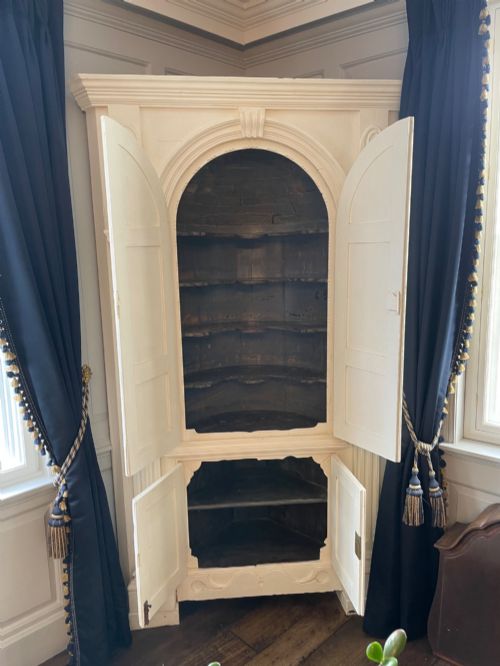
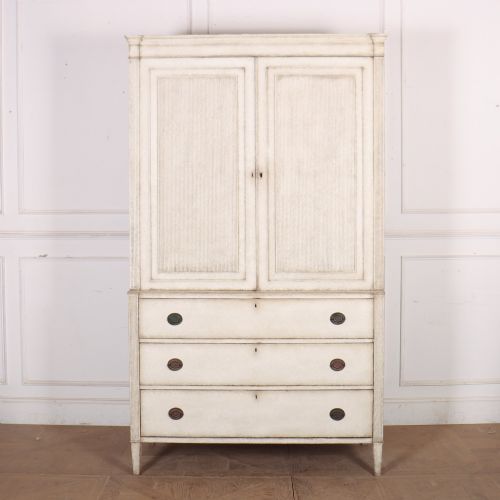
A cream housekeepers cupboard is a substantial storage piece designed for linens, provisions, and domestic dry goods, usually constructed in two vertical sections. These functional items originate from domestic settings where large capacity was essential for household administration.
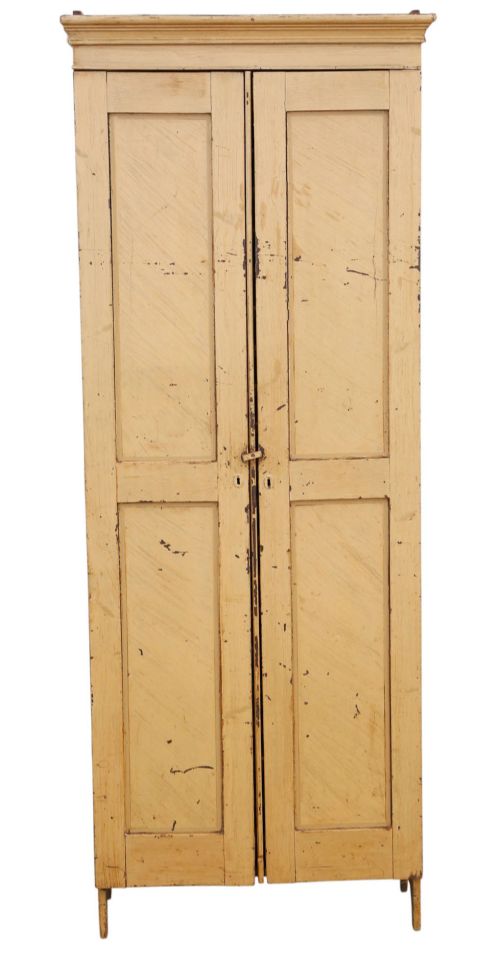
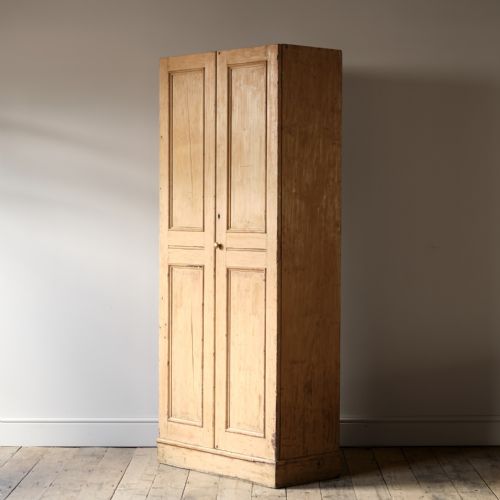
The versions most commonly met on this page belong to the nineteenth century and the Victorian era, alongside earlier eighteenth-century examples. They typically appear in painted pine, showing regional English and Scandinavian country characteristics.
Forms range from tall narrow cupboards to broader linen presses and chapel cupboards, all sharing a utilitarian heritage. Their surfaces often retain layers of historic cream paint that soften the heavy timber forms.
Materials and construction
Construction relies primarily on solid pine, chosen for its availability and workability in regional workshops. Carpenters built these carcasses to withstand heavy daily use, employing sturdy pegged joints and panelled doors.
Surface treatments involve layers of paint, often applied in cream or off-white shades that have aged over decades. Iron and brass hardware, such as hinges and latches, secure the large doors and drawers.
Regional cabinetmakers shaped these pieces by hand, leaving tool marks and subtle imperfections that evidence traditional woodworking methods. The paint finishes frequently show natural craquelure and weathering from generations of domestic wear.
Cream Housekeepers Cupboard Retail Price Guide 2026
Typical asking prices for cream housekeepers cupboard among the pieces listed under this phrase on Sellingantiques today, from the lower quarter to the upper quarter. They describe what is for sale here now, not the wider market.
Current listings feature pieces spanning the eighteenth and nineteenth centuries, constructed from pine and painted wood with brass and iron hardware.
Judgements of quality
Quality rests upon the integrity of the original timber frame and the survival of early painted surfaces. Pieces that retain their untouched original cream paint hold greater historical interest than later overpainted examples.
Proportions dictate visual success, separating well-balanced tall narrow cupboards from heavier, clumsy utilitarian boxes. Finer pieces display careful detailing in the mouldings and well-fitted internal shelving designed for domestic storage.
The Cream Housekeepers Cupboard Glossary
- Housekeepers cupboard
- A large storage piece traditionally used in grand homes for storing household linens and dry provisions. It usually combines upper shelving with lower drawers or cupboards.
- Linen press
- A tall cupboard specifically designed for pressing and storing table linens and bedding. The upper section typically houses sliding trays or shelves.
- Chapel cupboard
- A utilitarian storage cabinet originating from ecclesiastical or institutional settings. These share the robust plank construction seen in domestic country furniture.
- Original paint
- The initial decorative or protective paint layer applied to a piece of furniture during its period of manufacture. Surviving early paint adds considerable character and historical value.
- Victorian country
- A nineteenth-century style reflecting regional domestic vernacular design rather than metropolitan fashion. Furniture from this category prioritises practical utility over decorative ornament.
Cream Housekeepers Cupboard: Frequently Asked Questions
What were housekeepers cupboards used for?
Housekeepers cupboards served as the primary storage vaults for household linens, blankets, and dry provisions in large country houses. The senior housekeeper kept the keys, dispensing supplies as needed for daily domestic management.
Lower drawers often held smaller textiles or candles, while upper shelves accommodated folded sheets and tablecloths. This segregation kept textiles clean and organised before modern fitted closets existed.
How do I date a painted pine cupboard?
Dating relies on examining construction methods, timber thickness, and the characteristics of the paint surface. Hand-cut nails, pegged joints, and tongue-and-groove backboards point towards eighteenth and nineteenth-century craftsmanship.
Paint analysis reveals whether the cream finish is contemporary with the wood or applied later. Historic paint develops a distinct chalky texture and fine network of cracks over decades.
Where should I place a large cupboard?
These tall pieces suit spacious kitchens, boot rooms, or wide hallways where their architectural scale can anchor the room. Ensure adequate ceiling height before positioning, as eighteenth and nineteenth-century examples often reach over seven feet.
Keep them away from direct heat sources and strong sunlight to protect the aged pine and historic paint surfaces from drying out and cracking.
How do I clean an old painted surface?
Dust gently with a soft, dry cloth to remove surface particles without disturbing fragile paint layers. Avoid modern chemical sprays, abrasives, or excessive water, which can strip historic finishes from the pine.
Stubborn marks require mild soapy water on a well-wrung cloth, followed immediately by drying with a clean towel. Preserving the patina means accepting minor wear as part of the object's history.