




English Country House Cupboard
These english country house cupboard selections bring vernacular storage to everyday rooms, offering sturdy utility and time-worn character that collectors prize.
English Country House Cupboard
When you search for an english country house cupboard, you encounter a diverse selection of domestic storage furniture originating from large rural estates and smaller homesteads alike. The pieces you are most likely to meet on this page span the eighteenth, nineteenth, and early twentieth centuries, reflecting the evolving needs of historic domestic spaces.
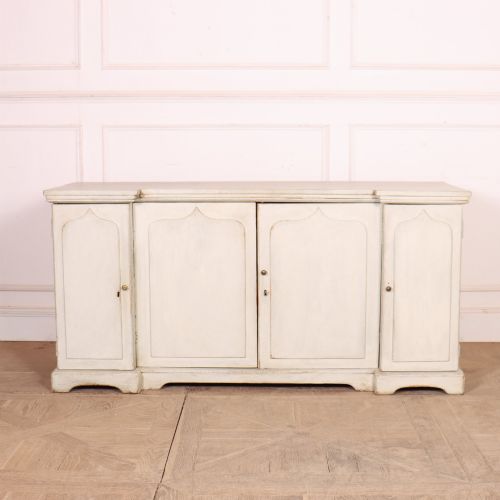
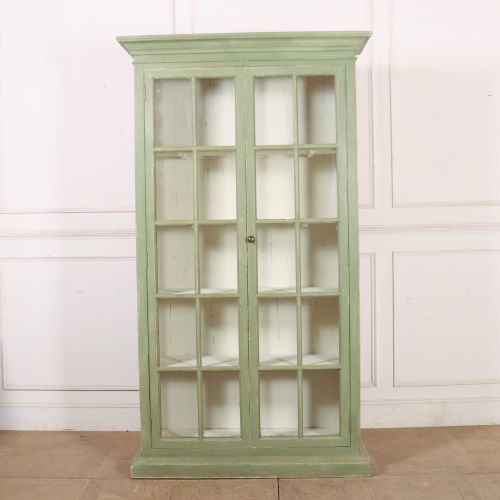
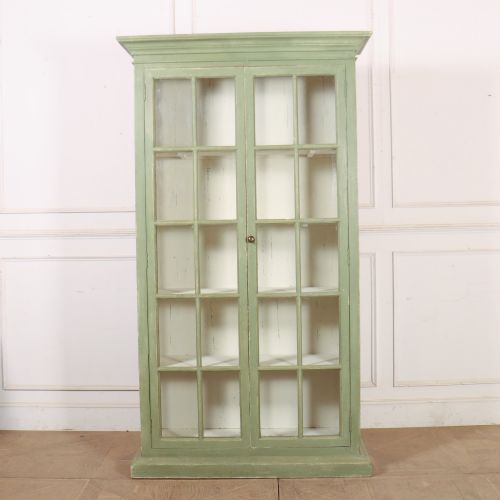
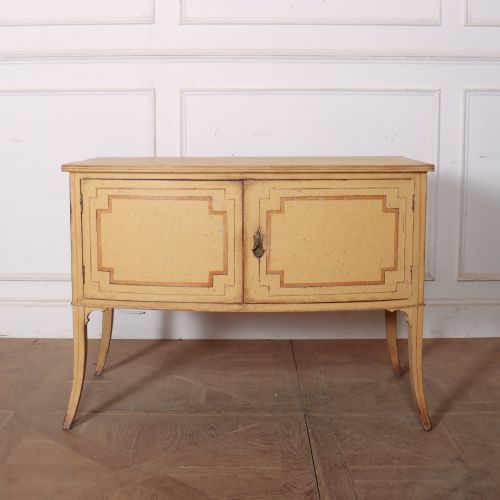
The forms range widely from substantial housekeepers cupboards and kitchen dressers to bedside cabinets, sideboards, and glazed bookcases. Oak, pine, and painted wood dominate the selection, often bearing the marks of active daily use in sculleries, halls, and morning rooms.
Regional variations appear too, including West Country kitchen dressers and pieces influenced by Georgian, Victorian, Gothic Revival, and Chinoiserie styles. Each item serves as a functional storage solution while displaying the distinct aesthetic of its period.
How they were made
Joiners and cabinetmakers utilised timbers such as oak, pine, mahogany, and elm, selecting each wood for its specific structural strength and grain pattern. Hardwoods like oak provided durable framing for heavy-use pieces like housekeepers cupboards and dresser bases, while softer pine served for internal shelving and painted surfaces.
Surface treatments varied from polished mahogany and waxed oak to applied layers of paint, sometimes in black or decorative Chinoiserie schemes. Brass hardware such as hinges, handles, and escutcheons secured doors and drawers, complementing the timber construction.
English Country House Cupboard Retail Price Guide 2026
Typical asking prices for english country house cupboard among the pieces listed under this phrase on Sellingantiques today, from the lower quarter to the upper quarter. They describe what is for sale here now, not the wider market.
Listings feature pieces spanning the eighteenth, nineteenth, and early twentieth centuries, constructed from oak, pine, mahogany, and painted wood.
What varies in quality
The standard of an english country house cupboard depends heavily on the integrity of its timber and the retention of its original surface finish, whether that is aged oak or historic paint. Pieces retaining their early brass hardware and unaltered internal shelving generally represent the upper tier of the range.
Construction methods also distinguish finer examples, such as traditional dovetail joinery in drawers and well-fitted panelled doors that operate smoothly. Simpler utilitarian items made for estate service occupy a different category from formal pieces styled in the Gothic Revival or Chinoiserie manners.
The English Country House Cupboard Glossary
- Housekeepers Cupboard
- A large storage piece traditionally used for storing linens, dry goods, and household provisions. These units typically combine upper shelving with lower drawers or cupboards.
- Dresser Base
- The lower section of a kitchen dresser, featuring a flat top surface above rows of drawers and cupboards. They served as primary work and storage surfaces in domestic kitchens.
- Breakfront
- A cabinet design where the central section projects forward from the flanking outer sections. This architectural arrangement adds depth and visual rhythm to bookcases and dresser bases.
- Chinoiserie
- A decorative style reflecting European interpretations of Chinese art and design. Pieces featuring this style often display painted motifs and lacquered surfaces.
English Country House Cupboard: Frequently Asked Questions
Where did housekeepers cupboards live?
These large storage units typically stood in the service areas, corridors, or large kitchens of country houses. They held household linens, dry goods, and daily provisions under the direct supervision of the housekeeper.
Over time, many of these utilitarian pieces moved into main living spaces as domestic routines shifted and collectors sought out their practical storage capacity and vernacular charm.
How do I distinguish oak from pine pieces?
Oak items display a dense, visible grain with characteristic medullary rays, and they generally feel heavier and harder to the touch. These pieces often date from earlier periods and were built for heavy domestic service.
Pine pieces tend to have a softer grain and are frequently found with painted surfaces, such as black or traditional country colours. Pine served as a practical, accessible timber for utilitarian furniture across the nineteenth century.
Can I use a kitchen dresser in a modern dining room?
Kitchen dressers provide versatile storage and display options that suit contemporary dining spaces just as well as historic ones. The lower cupboards and drawers conceal table linen and tableware, while upper shelves display ceramics and glassware.
Their substantial presence and mixed materials bring warmth and traditional character to modern interiors, functioning as both storage and decorative focal points.