
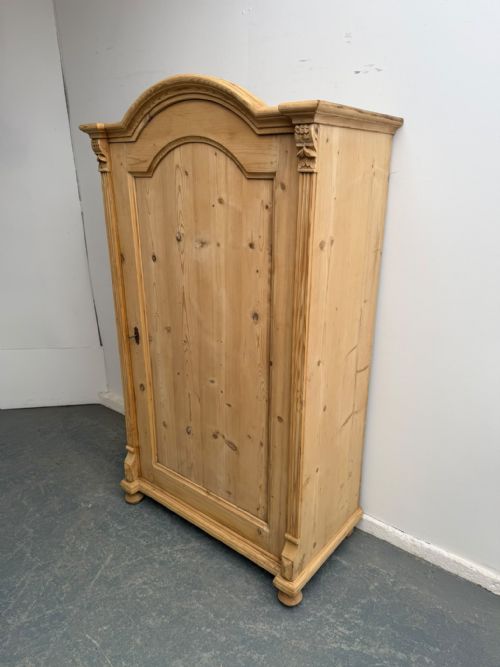
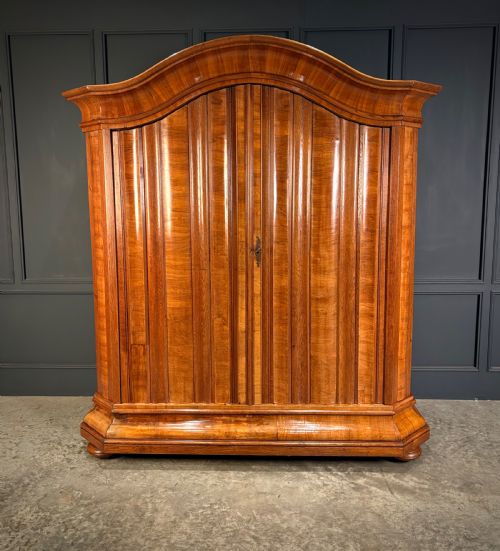


Arched Top Cabinet
An arched top cabinet brings architectural grace to a room, framing storage and display behind curved timber or glass.
Arched Top Cabinet
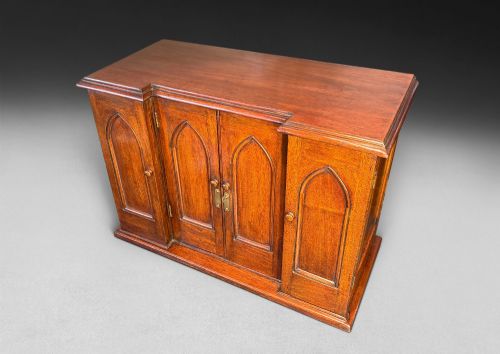
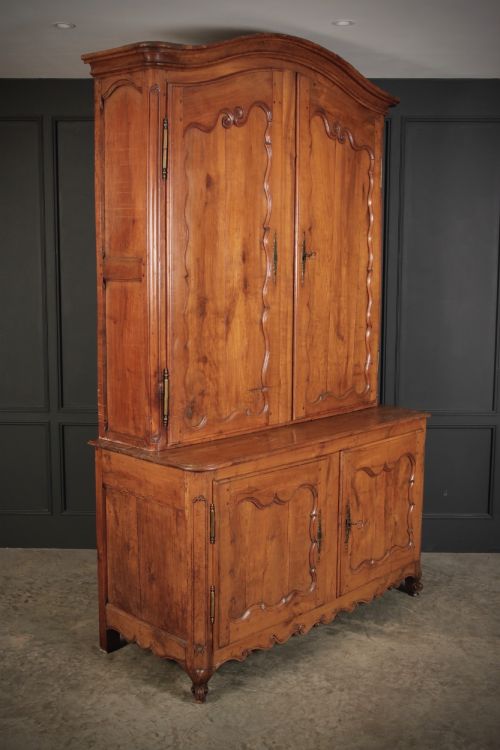
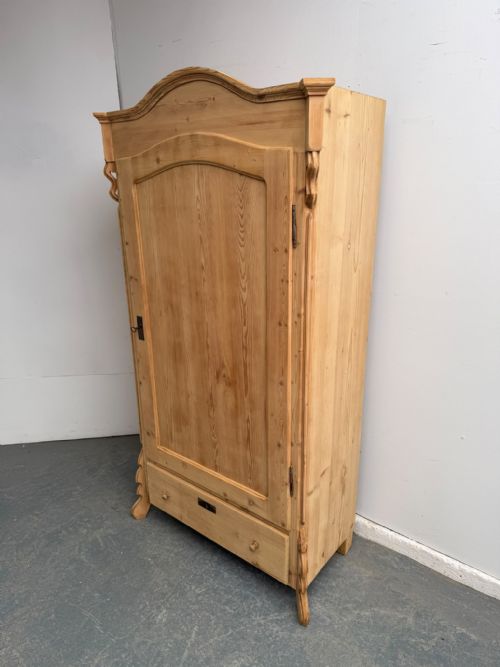
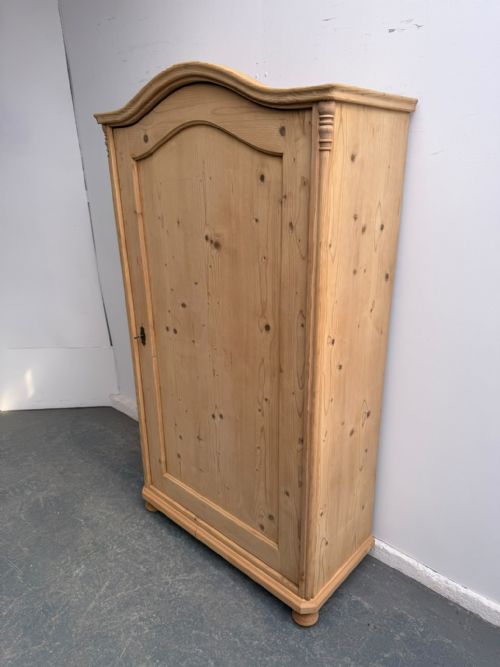
An arched top cabinet spans multiple periods, featuring prominently in 18th century and 19th century designs as well as early 20th century iterations. Buyers encounter various forms here, ranging from corner cabinets and display cases to larger armoires, bookcases, and pot cupboards.
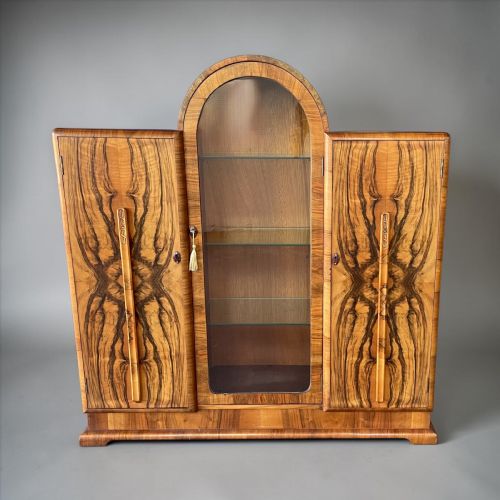
The materials used across these pieces include oak, walnut, burr walnut, mahogany, pine, and cherry wood, often complemented by glass doors and brass hardware. Styles stretch from Georgian and Queen Anne to Victorian, Gothic Revival, French Provincial, and Art Deco.
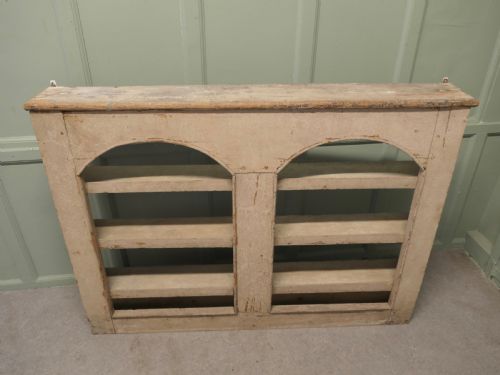
Many listings present specific configurations such as table-top collectors cabinets, alcove cupboards, and vitrines. This variety allows collectors to select pieces suited for compact spaces or grand architectural statements alike.
How they were made
Cabinet makers constructed these pieces using solid timbers like oak, mahogany, walnut, and pine, frequently applying burr walnut veneers for decorative enrichment on later 19th century and 1920s examples. Joinery relied on traditional methods suited to the period, accommodating the characteristic curved arches of the top frames.
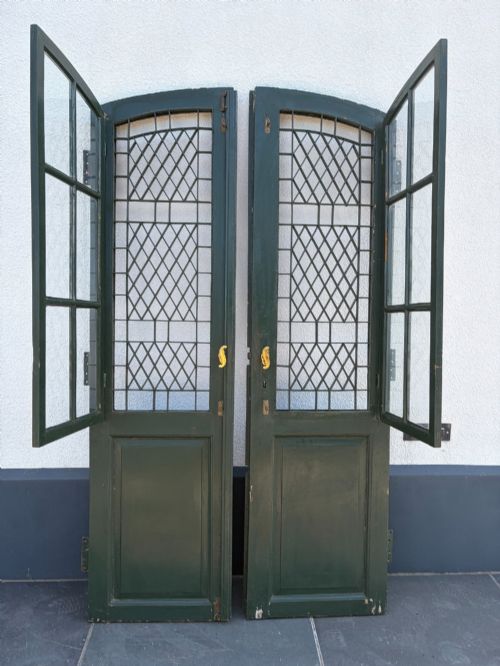
Glazing bars divided glass panels in display cabinets and bookcases, while iron and brass hinges secured doors on armoires and corner cupboards. Surfaces received varied treatments, from polished mahogany and waxed pine to painted finishes on continental vitrines and Dutch cupboards.
Materials represented across the selection include walnut, burr walnut, oak, mahogany, pine, cherry wood, glass, brass, and iron.
What varies in quality
Quality rests upon the selection of timber and the execution of the curved arch, which demands precision joinery to maintain structural harmony. Finer pieces display carefully matched veneers, such as burr walnut, and harmonious proportions between the arched upper section and the base.
Hardware execution and interior detailing further distinguish cabinet grades. Superior examples integrate original brass fittings, well-fitted shelving, and thoughtful interior layouts that reflect the specific regional traditions of English, French, or Dutch makers.
The Arched Top Cabinet Glossary
- Armoire
- A large wardrobe or cupboard used for hanging clothes or storing textiles. These tall storage pieces often feature prominent arched cornices.
- Vitrine
- A glass-fronted display cabinet designed for exhibiting porcelain, books, or curiosities. The term frequently applies to continental European display pieces.
- Burr walnut
- A veneer sliced from the knotty growths of walnut trees, prized for its swirling grain patterns. Cabinet makers utilised this material to create highly decorative surfaces on 19th century and 1920s furniture.
- Glazing bars
- The wooden strips that hold individual panes of glass within a cabinet door or bookcase front. They form geometric or arched patterns characteristic of specific design periods.
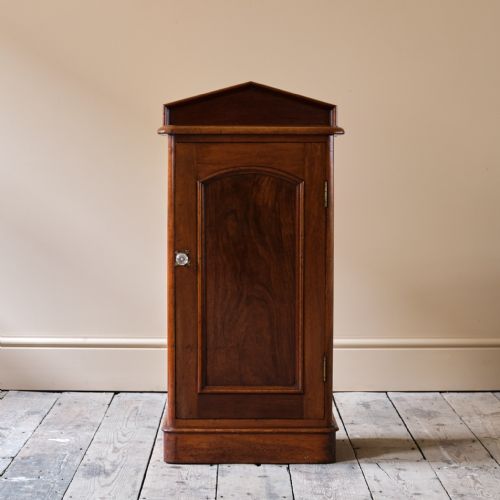
- Pot cupboard
- A small bedside or standalone cabinet originally designed to house a chamber pot. They typically feature a single door enclosing a compact shelved interior.
Arched Top Cabinet: Frequently Asked Questions
Where should I place an arched top cabinet?
These cabinets suit living rooms, dining spaces, or hallways where their distinctive curved lines soften angular walls. Corner versions fit neatly into unused angles, while glazed display models work well against plain walls.
Larger armoires and bookcases require sufficient wall space and ceiling clearance to let the arched pediment stand out visually without crowding surrounding furniture.
How do I care for timber cabinets?
Maintain polished wood surfaces using traditional beeswax or suitable furniture polish applied sparingly with a soft cloth. Keep pieces away from direct heat sources and strong sunlight to prevent timber splitting and veneer lifting.
Glass panels require gentle cleaning with standard glass cleaner applied to a cloth rather than sprayed directly, protecting the surrounding wooden frame from moisture damage.
How do I distinguish between periods?
Examine the timber selection, construction joints, and decorative motifs to gauge age. 18th century pieces often show hand-cut dovetails and native hardwoods like oak and walnut, whilst Victorian pieces frequently utilise heavier mahogany or pine.
Art Deco and 1920s items introduce streamlined symmetry and distinct veneer patterns such as burr walnut, differing markedly from earlier Georgian or Gothic Revival proportions.