



Glazed Book Case
A glazed book case keeps volumes protected behind glass while displaying fine timber and cabinet work across dining rooms and libraries.
Glazed Book Case
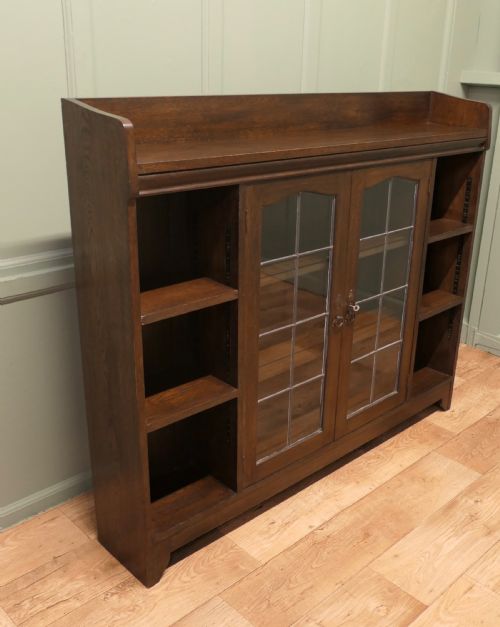
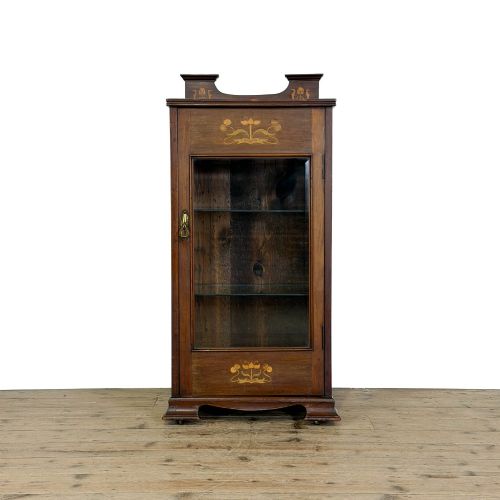
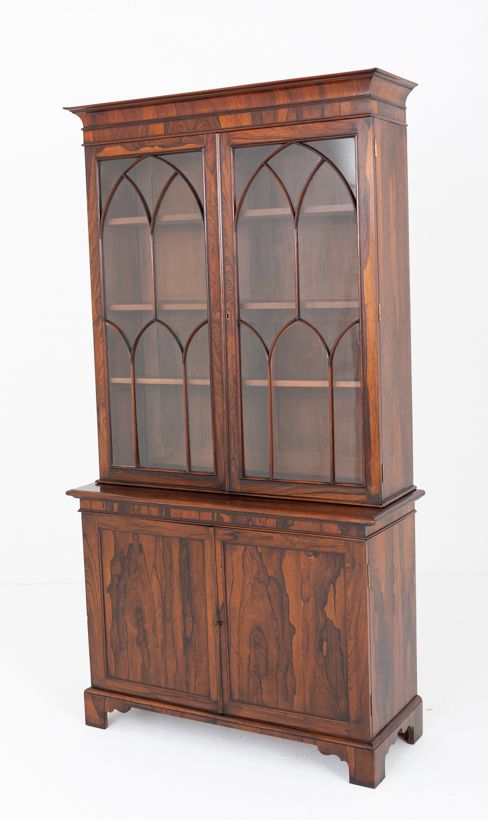
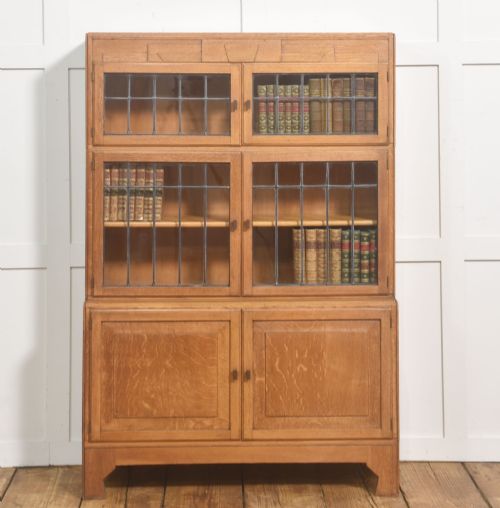
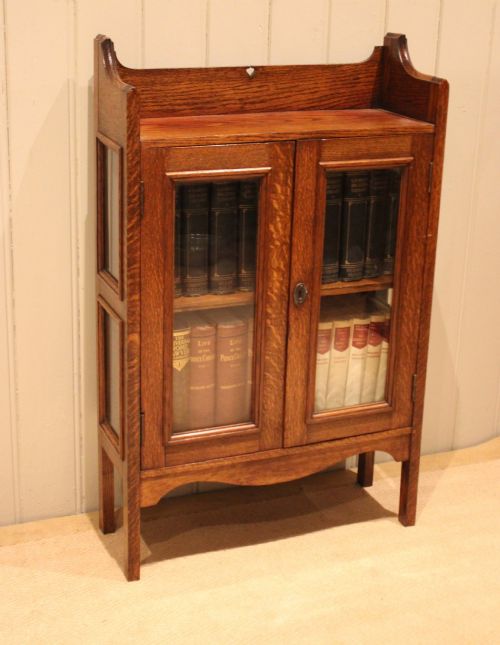
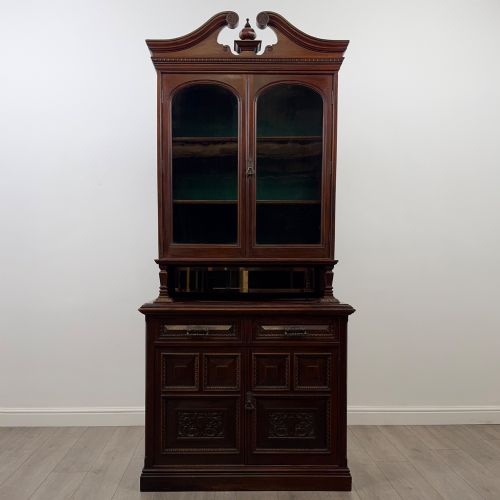
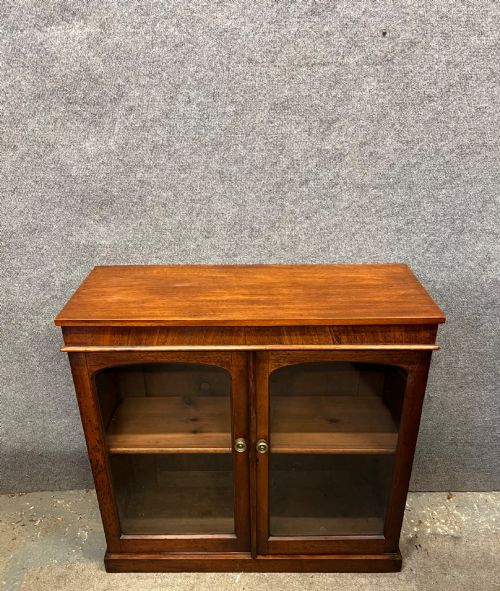
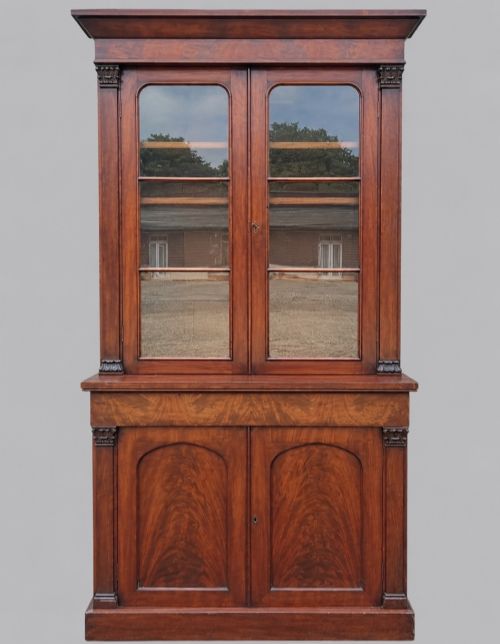
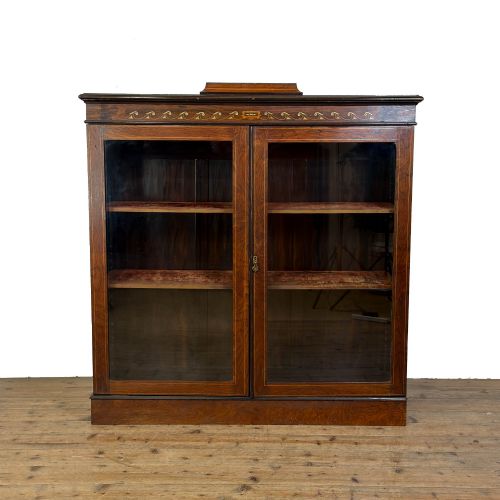
A glazed book case brings together functional library storage and display, appearing frequently in Victorian and Edwardian variations across the listings. These pieces range from tall breakfront library cabinets in rich mahogany to smaller Edwardian inlaid pieces and compact oak forms suited for modern rooms.
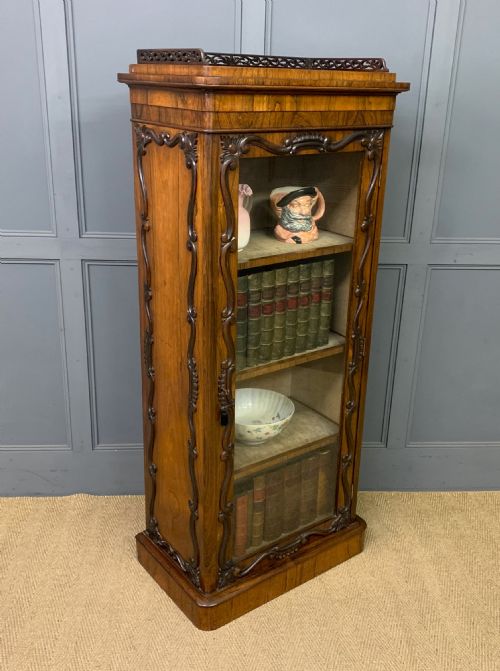
Makers and workshops of the nineteenth and early twentieth centuries produced these cabinets with adjustable shelving, lower storage cupboards, or bureau writing sections. Buyers encounter both substantial multi-section pieces and narrow domestic cabinets designed to house private collections.
Materials and Construction
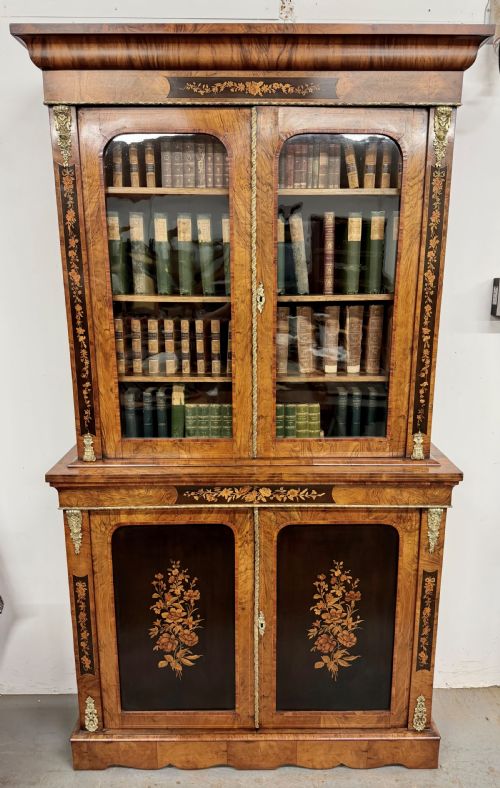
Cabinet makers relied heavily on solid and veneered timbers including mahogany, oak, walnut, and rosewood, often enhanced with marquetry inlay or satinwood details. Glass panes were secured with wooden glazing bars or lead came, while brass hardware fitted doors and drop-front writing desks.
Structural joinery supported heavy rows of books through sturdy internal framing and adjustable wooden shelves. Tighter grain selections and figured veneers marked the primary surfaces of the carcase while secondary timbers lined the interior drawers.
Listings feature oak, mahogany, walnut, and rosewood cabinets spanning the Victorian, Edwardian, and Art Deco periods.
Distinctions in Execution
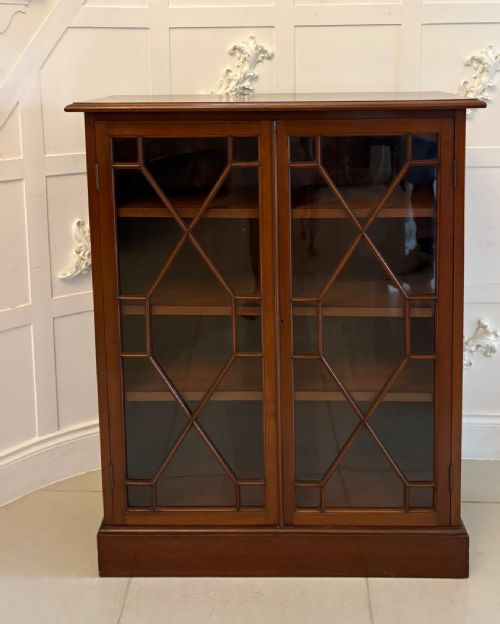
Quality rests in the selection of timbers, where figured mahogany, burr walnut, and quarter-sawn oak distinguish superior examples from standard utility pieces. The finesse of the glazing bars, whether delicate astragal work or simpler geometric frames, reflects the ambition of the original maker.
Interior refinements such as fitted bureau compartments, marquetry decoration, and well-executed carved mouldings separate standard production cabinets from exceptional workshop commissions.
James Winter·Minty Of Oxford·Heals
The Glazed Book Case Glossary
- Astragal glazed
- Glazing divided into small panes held together by wooden mouldings or bars. This traditional method creates a lighter framework for viewing library contents.
- Breakfront
- A cabinet design where the central section projects forward from the flanking wings. This architectural arrangement adds depth and presence to larger library pieces.
- Globe Wernicke
- A sectional or stacking bookcase system with upward-lifting glass doors. This modular design allowed libraries to expand vertically unit by unit.
- Vitrine
- A glass-fronted display cabinet intended for showing ornaments or special volumes. These pieces often feature glass on the sides as well as the doors.
- Secretaire
- A cabinet incorporating a pull-down writing drawer with internal pigeon holes and small drawers. It combines desk functionality with upper bookcase storage.
Glazed Book Case: Frequently Asked Questions
How do I adjust the shelves?
Most period examples feature traditional wooden support strips or metal ratchets inset into the interior sides. Shelves lift out easily to allow custom spacing for taller volumes.
Care should be taken when sliding shelves along older oak or mahogany uprights to avoid marking the timber linings.
Are the glass doors original?
Period cabinets often retain their early float or cylinder glass panes, which display slight surface ripples and minor bubbles. These characteristics confirm the age of the glazing.
Replacement panes usually present a completely flat and uniform modern reflection under direct light.
Where should I place a heavy bookcase?
Large mahogany and oak library pieces require stable, level flooring to ensure the heavy doors hang square and close properly. Positioning them away from direct heat sources protects the timber and veneers.
Securing tall two-section cabinets to a wall adds stability in busy rooms.
How do I maintain the wood finish?
Routine dusting with a soft, dry cloth preserves the polished surface of mahogany, walnut, and oak cabinets. Occasional applications of traditional beeswax nourish older timber.
Harsh chemical sprays should be avoided to prevent damage to shellac polishes and wax finishes.