

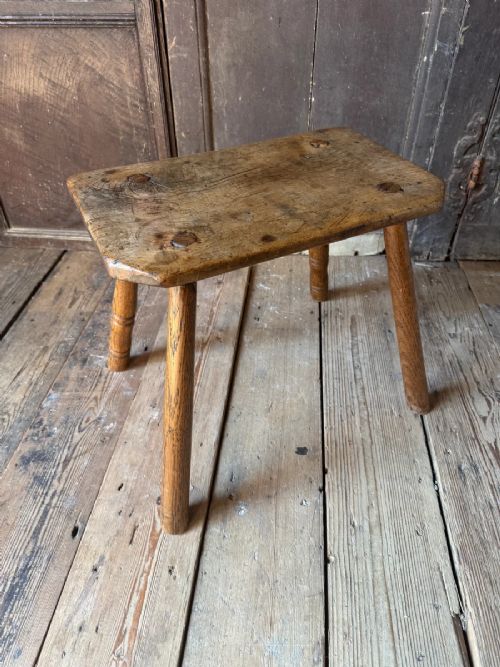
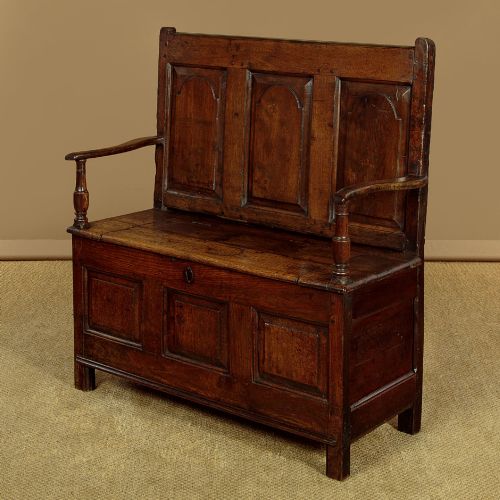
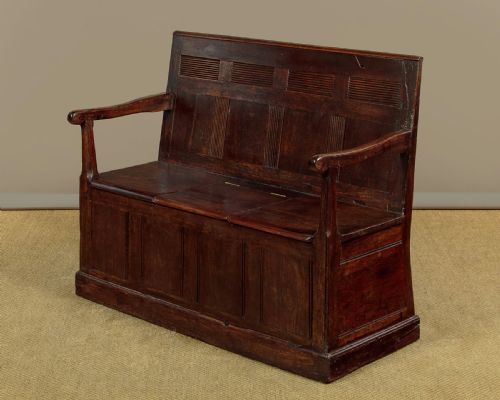


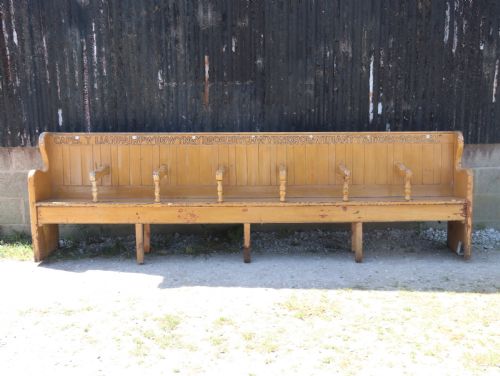


Welsh Wooden Bench
These welsh wooden bench examples are robust domestic seats shaped by centuries of country life and simple carpentry.
Welsh Wooden Bench
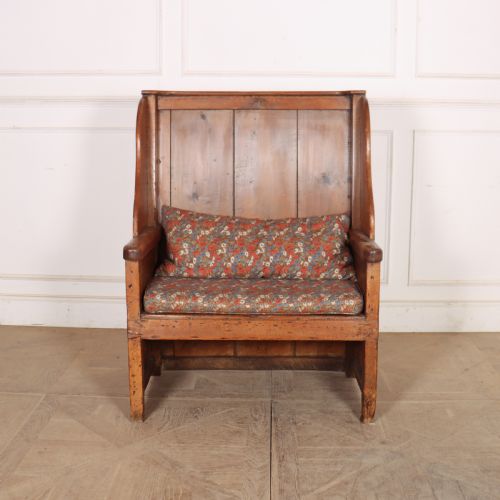
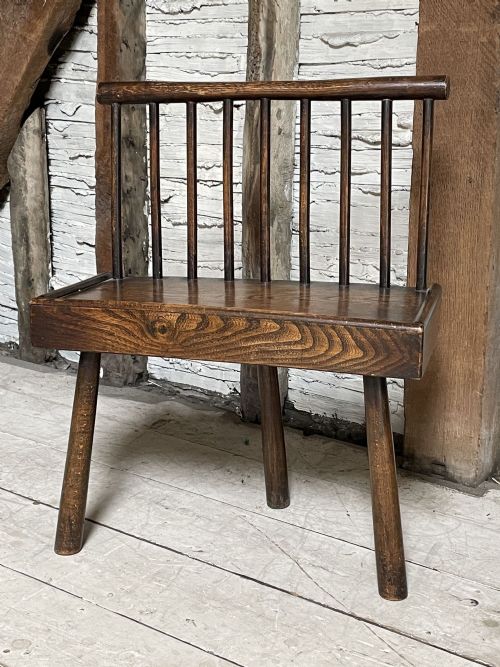
A welsh wooden bench encompasses sturdy domestic seating built to withstand daily use in domestic kitchens, farmhouses, and village taverns. Buyers seeking a welsh wooden bench typically encounter vernacular seating forms ranging from low stools to high-backed settles and long tavern benches.
The evidence shows these pieces span multiple centuries, touching the sixteenth century up to the Victorian era and early twentieth century. Oak and pine dominate the listings, frequently taking the form of box settles, trestle benches, and stickback chairs.
Materials and construction
Local timbers such as oak, pine, sycamore, and ash form the structural backbone of these country items. Joinery relies on traditional methods suited to domestic workshops, utilising plank construction and pegged joints rather than complex factory machinery.
Surface treatments vary from bare scrubbed wood to remnants of original painted finishes or tavern marks. Additional metal elements appear sparingly, utilising iron and brass primarily for functional reinforcement.
Welsh Wooden Bench Retail Price Guide 2026
Typical asking prices for welsh wooden bench among the pieces listed under this phrase on Sellingantiques today, from the lower quarter to the upper quarter. They describe what is for sale here now, not the wider market.
Listings feature regional materials including oak, pine, sycamore, and ash, spanning from the sixteenth century to the twentieth century.
Evaluating the pieces
Quality rests in the integrity of the timber and the directness of the regional carpentry. Pieces retaining their original surface patination and uncompromised structural proportions command greater attention from discerning collectors.
Simplicity of line often distinguishes superior vernacular items from ordinary utility furniture. The handling of the wood and the balance between functional strength and regional style dictate the standing of each piece.
The Welsh Wooden Bench Glossary
- Settle
- A wooden bench with a high back, solid arms, and often a closed base or box compartment underneath. This design blocked cold draughts in unheated rooms.
- Box settle
- A variant featuring a hinged seat lifting to reveal a storage chest beneath. It served a dual purpose for seating and household storage.
- Vernacular
- Everyday objects built by local craftspeople using regional traditions and readily available materials rather than high-style metropolitan designs.
- Stickback
- A chair or bench construction where turned spindles or plain sticks are inserted directly into a solid seat slab. This method provided lightweight strength.
- Refectory table bench
- A long, linear form designed to accompany a communal dining table. These long seats accommodated multiple diners in halls and taverns.
Welsh Wooden Bench: Frequently Asked Questions
How do I date a wooden settle?
Dating relies on observing construction methods, timber choice, and tool marks left by the maker. Earlier examples display pegged joints and hand-split boards, while later Victorian pieces show machine-sawn timber.
Secondary clues include the wear patterns on the seat and the presence of original painted finishes or early vernacular design traits.
Where were these benches used?
These seats belonged in farmhouses, cottages, rural chapels, and local taverns. Their sturdy builds suited heavy communal traffic and domestic chores.
High backs helped shield occupants from cold draughts near open hearths, while box versions stored household blankets or dry goods.
Are painted finishes original?
Some pieces retain early or original painted surfaces applied to protect the soft pine timber. Close inspection reveals pigment layering and wear consistent with age.
Later overpainting often obscures the primary wood or earlier decorative schemes applied during the nineteenth century.
How do I care for old oak?
Old timber benefits from stable indoor humidity and protection from direct heat sources. Regular dusting with a dry cloth prevents grime accumulation.
Occasional application of traditional beeswax feeds the dry grain without sealing the historic patinated surface.