




Antique Welsh Settle
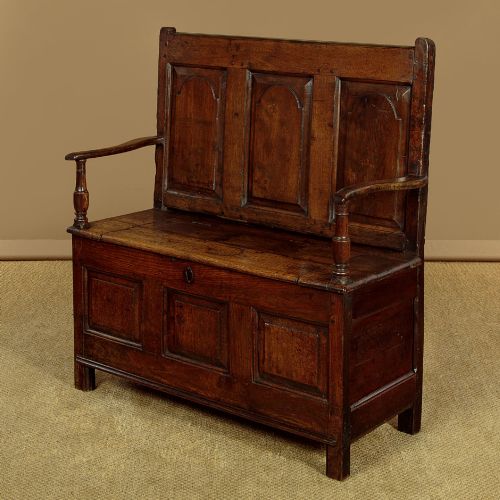
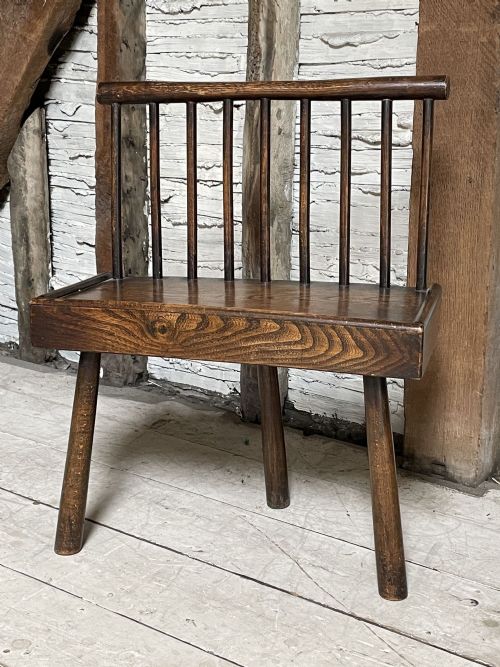
An antique welsh settle is a sturdy timber bench with a high back to keep out drafts, built by country makers for farmhouse kitchens.
Antique Welsh Settle
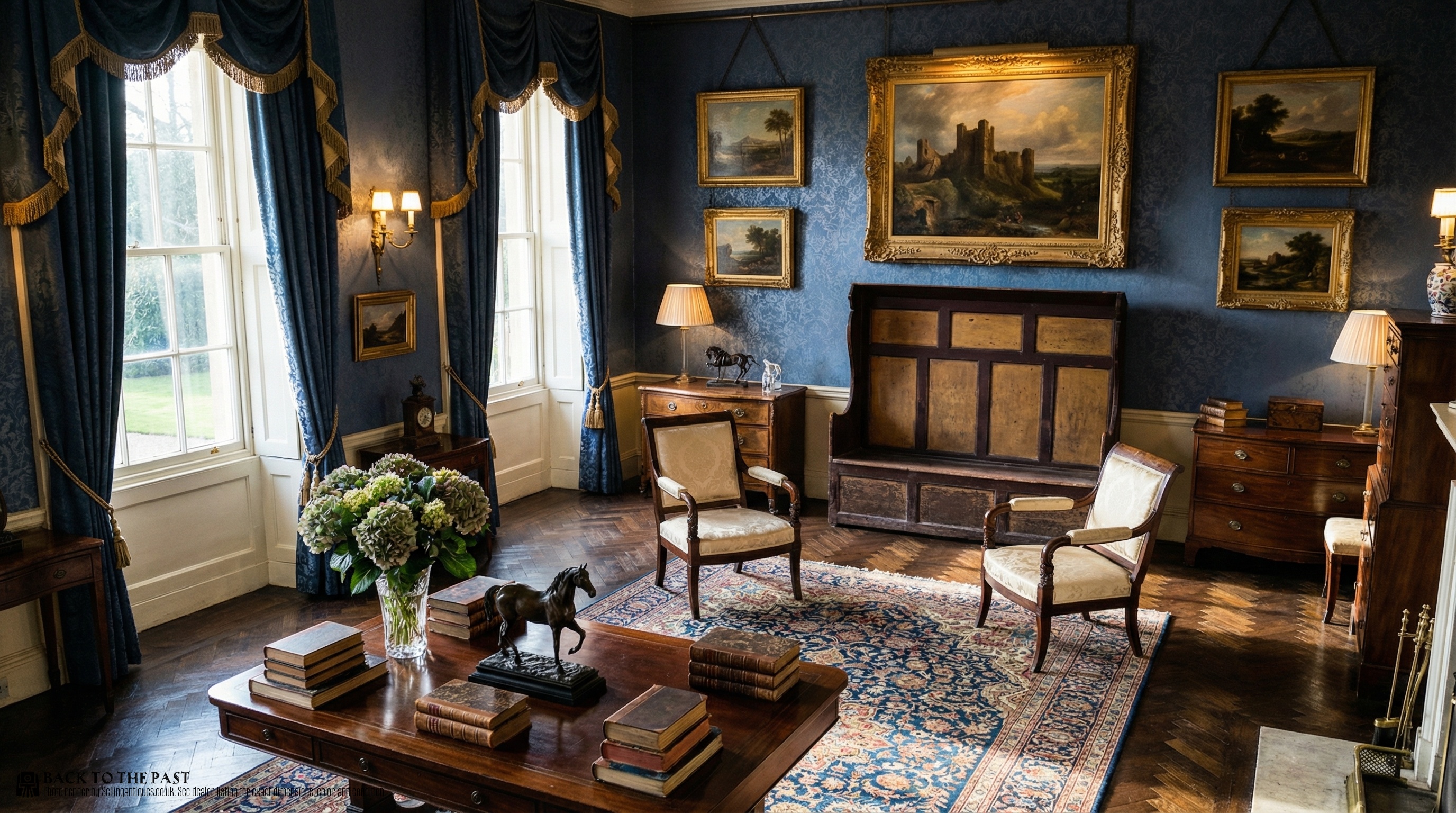
An antique welsh settle is a traditional high-backed wooden bench designed to block cold drafts in rural homes before central heating. When you search for this phrase, you find heavy seats built for daily use in farmhouses, cottages, and rural taverns.
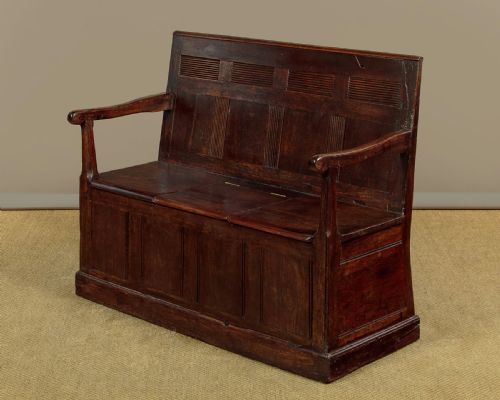
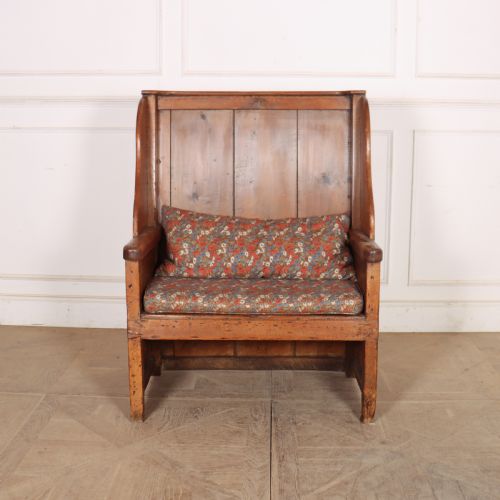
The pieces on this page appear in robust hardwoods like oak and elm, as well as softer painted pine. Many examples incorporate a box base with a lift-up lid for blanket storage, while others take the form of tall open-backed benches or stickback chair hybrids.
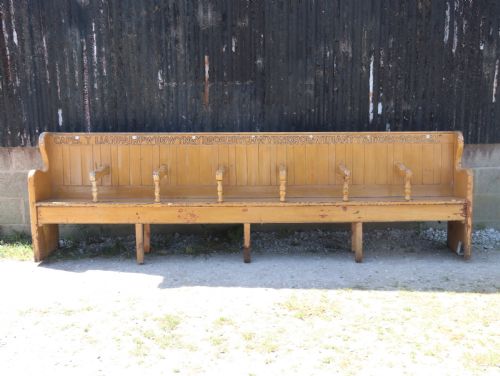
Origins trace across eighteenth-century Georgian eras and extend through the nineteenth century into later country vernacular pieces. You encounter everything from diminutive child-sized seats to substantial high-back chapter house and chapel benches.
Materials and construction
Carpenters relied principally on native oak, pine, and elm, selecting timber for strength and local availability. Oak frames provided durable longevity for earlier eighteenth-century examples, whereas pine gained widespread favour for nineteenth-century country pieces.
Surfaces frequently show the marks of original or early paint finishes, often surviving in tones applied decades or centuries ago. Iron and brass fittings occasionally secure hinges on box seats, while traditional pegged joints hold the structural framework together.
Antique Welsh Settle Retail Price Guide 2026
Typical asking prices for welsh settle among the pieces listed under this phrase on Sellingantiques today, from the lower quarter to the upper quarter. They describe what is for sale here now, not the wider market.
Listings feature eighteenth and nineteenth-century pieces constructed from oak, pine, and elm, including painted and box settle variants.
Judging quality and proportion
Quality rests on the integrity of the timber, the honesty of the construction, and the survival of an original surface finish. Pieces retaining their early paint or untouched patinated oak sit at the upper end of the scale.
Proportion and scale dictate desirability, with smaller proportions or high-backed boards commanding particular attention from collectors. Altered seat heights or heavily restored panels alter the character away from the original vernacular form.
The Antique Welsh Settle Glossary
- Box settle
- A bench featuring a compartment beneath the seat accessed by a hinged lid. This enclosed box helped store household textiles and kept lower legs warm from floor drafts.
- Vernacular
- A style of architecture and furniture built by local tradesmen using regional materials rather than following formal metropolitan design books. It represents practical, unpretentious domestic craftsmanship.
- Stickback
- A seating construction where turned spindles or shaved sticks are inserted directly into a solid seat slab. This method borrows techniques from Windsor chair manufacture.
- High back
- A tall timber backrest designed to shield occupants from cold air currents circulating through large rooms. These panels frequently comprise multiple fielded or plain vertical planks.
- Tavern bench
- A robust seating form intended for public houses and alehouses. These pieces endured heavy daily public use and often display simple, direct construction.
Antique Welsh Settle: Frequently Asked Questions
What is the difference between a settle and a bench?
A standard bench is an open seat for multiple people, whereas a settle incorporates a solid high back and often solid sides designed to block drafts.
Many settles also include a concealed box beneath the seat for storage, setting them apart from simpler domestic benches.
How do I care for an old wooden settle?
Keep timber furniture away from direct heat sources and dramatic humidity swings to prevent the wood from splitting or warping.
Apply a light microcrystalline wax occasionally to nourish dry surfaces without harming aged patinas or historic paint.
Where were settles used in the home?
Historically, settles stood near the hearth in farmhouse kitchens where the high back protected residents from cold drafts sweeping across flagstone floors.
They also appeared in hallways, chapels, and rural inns where sturdy seating was required for guests and travellers.
Are painted finishes on old settles original?
Many pine examples retain early or original painted surfaces that developed a soft chalky patina through generations of wear.
Inspect the surface texture and layer buildup under magnification to determine whether the paint application matches the age of the pine underneath.
How can I tell an eighteenth-century settle from a later copy?
Examine the construction joints, tool marks, and timber shrinkage patterns visible on the underside and back panels of the seat.
Eighteenth-century examples display hand-cut pegs, irregular board widths, and natural wear consistent with decades of rural use.