




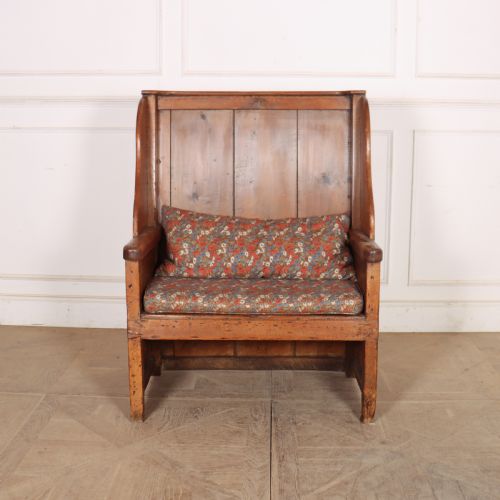


Vernacular Seating Bench
These vernacular seating bench examples bring honest, unpretentious craft into a room, offering sturdy utility shaped by local traditions.
Vernacular Seating Bench
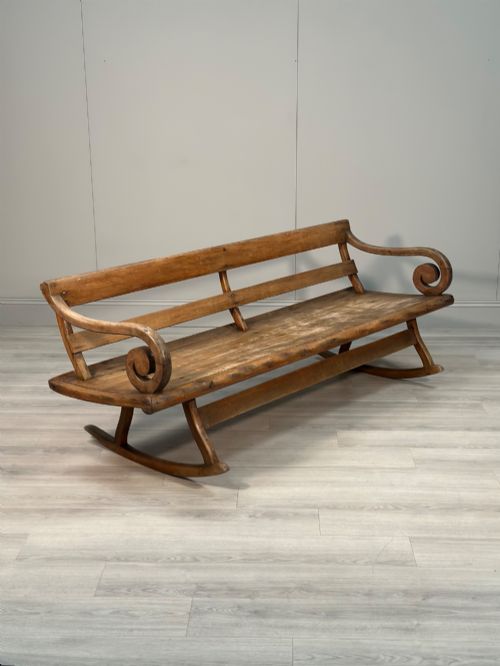
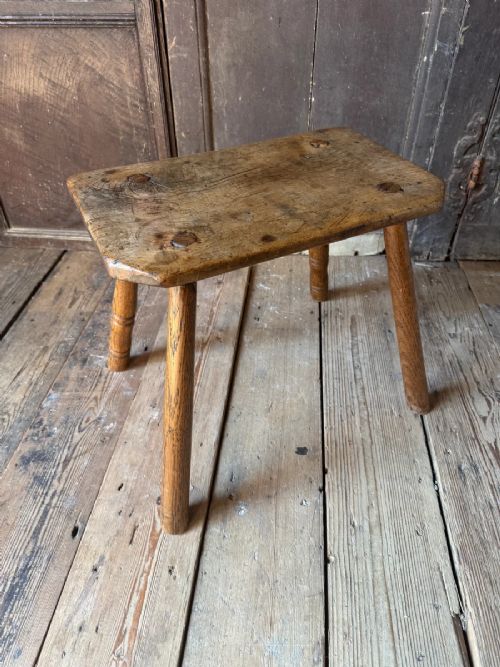
A vernacular seating bench represents functional domestic furniture made by local craftsmen using regional materials rather than following metropolitan design dictates. When you search for a vernacular seating bench, you encounter forms built for everyday utility in farmhouses, cottages, and taverns.
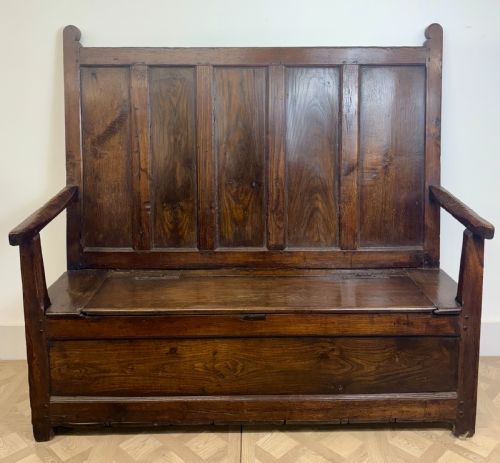
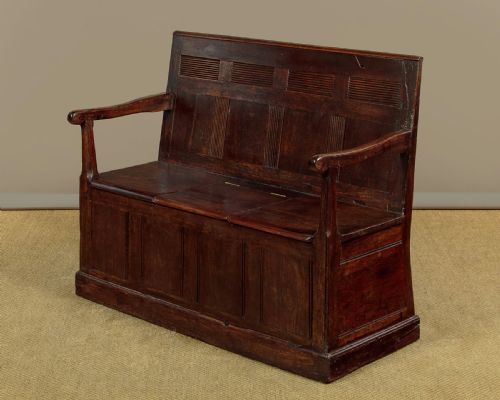
The most common examples on this page include box settles, tavern benches, and rustic stools spanning from the seventeenth century through the early twentieth century. These pieces often feature regional characteristics such as Welsh country styling or French provincial forms.
Settles and benches serve practical purposes, occasionally incorporating high backs to block drafts or storage compartments beneath the seat. Their forms range from simple pine boards to substantial oak and ash constructions built to withstand decades of heavy use.
Materials and Construction Methods
Makers utilised available local timbers, predominantly relying on sturdy woods like oak, pine, ash, and elm. Carpenters selected these materials for strength and local abundance, often combining timbers within a single piece such as an oak frame with ash spindles.
Construction techniques prioritised durability over refinement, employing pegged joints, board construction, and natural form shaping. Surfaces frequently show original paint finishes, scrubbed pine textures, or dark patinated hardwood surfaces developed through generations of handling.
Vernacular Seating Bench Retail Price Guide 2026
Typical asking prices for vernacular seating bench among the pieces listed under this phrase on Sellingantiques today, from the lower quarter to the upper quarter. They describe what is for sale here now, not the wider market.
The inventory records regional styles including Welsh vernacular, French provincial, and Catalan country designs.
Factors That Determine Quality
Quality in these pieces rests upon structural integrity, untouched surfaces, and the harmony of regional proportions. Original paint finishes or deep, unpolished timber patination elevate an example above later stripped or heavily restored counterparts.
Proportion and scale also dictate desirability, particularly in diminutive forms, child variants, or unusual box settles with integrated storage. The directness of the carpenter's hand and the survival of uncompromised joinery separate standard utility items from exceptional regional works.
The Vernacular Seating Bench Glossary
- Box settle
- A high-backed wooden bench featuring a closed storage compartment beneath the seat. This form provided draught protection in large, cold farmhouse kitchens.
- Tavern bench
- A long wooden seat designed for commercial hospitality spaces and public houses. These pieces often display robust legs and heavy timber construction to endure constant public use.
- Stickback
- A chair or bench construction method where turned spindles or shaved sticks are inserted directly into a solid wooden seat. This method creates a light yet strong frame.
- Vernacular
- Architecture and furniture created independently of formal academic styles, using local traditions and materials. These objects reflect the specific regional needs of their makers.
- Patina
- The surface sheen and colour acquired by wood and paint through age, wear, and cleaning. A good surface shows honest use without modern chemical intervention.
Vernacular Seating Bench: Frequently Asked Questions
What is a vernacular seating bench?
A vernacular seating bench is a piece of utilitarian furniture made by local craftsmen using regional styles and available timbers. These items were built for daily use in domestic or rural settings rather than high-style urban drawing rooms.
They encompass forms like settles, tavern benches, and simple stools originating from country workshops across Britain, Ireland, and continental Europe.
How were settle benches used?
Settle benches served as primary seating around farmhouse hearths, offering protection from cold draughts thanks to their high wooden backs and winged sides. The enclosed base often doubled as a storage box for blankets or household provisions.
In public houses, tavern settles provided communal seating that could be arranged to divide large rooms or direct heat from open fires toward patrons.
Where should I place one?
These benches suit hallways, kitchens, and boot rooms where their sturdy construction and narrow profiles function well in transitional spaces. Placing a bench against a plain wall allows the timber grain and historical surface character to stand out.
Pairing a rustic bench with a simple wooden dining table or using a smaller settle in a hallway creates practical seating with built-in character.
How do I date an old bench?
Dating relies on examining construction marks, tool traces, timber species, and overall wear patterns. Hand-sawn boards, pegged joints, and early fastener types indicate seventeenth or eighteenth-century origin.
Surface treatments provide further clues, as original layered paint or deep walnut and oak patination develop over centuries of use rather than short periods.