

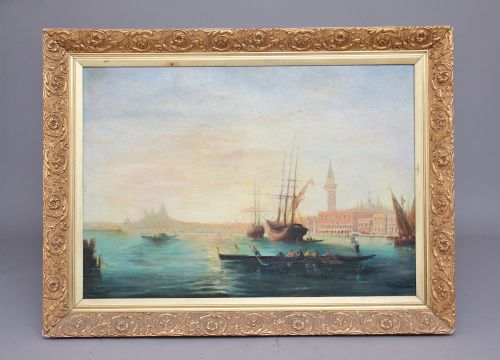


Water Gilded Frame
These water gilded frame pieces bring period luminance to a wall, combining traditional craftsmanship with centuries of fine art and mirror work.
Water Gilded Frame
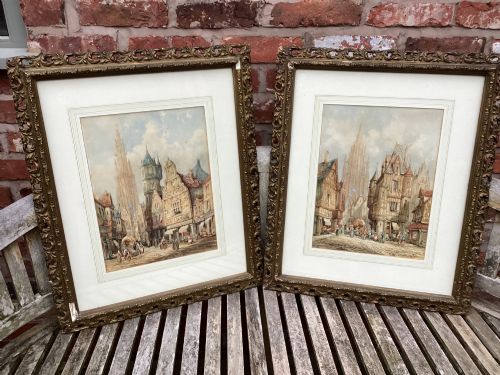
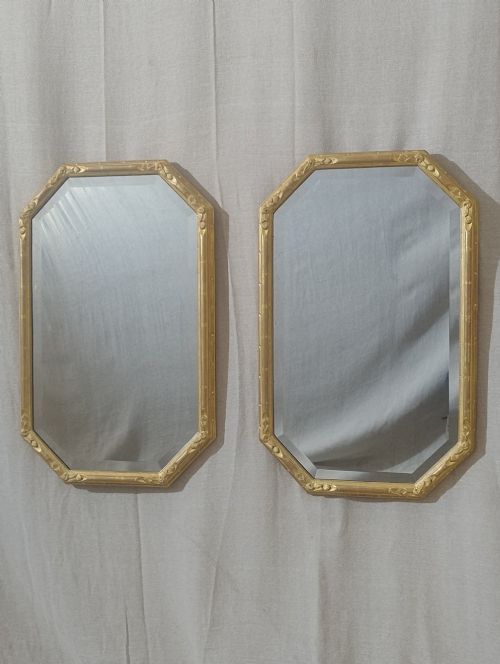
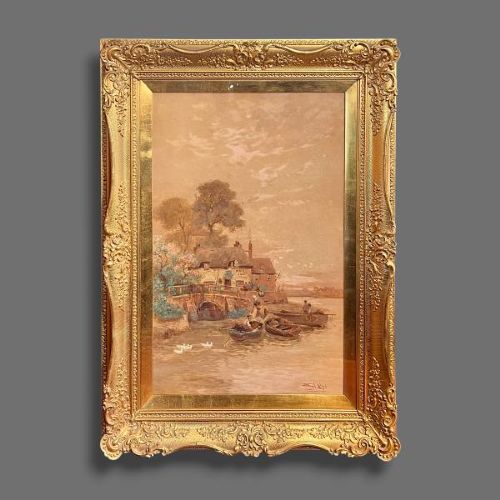
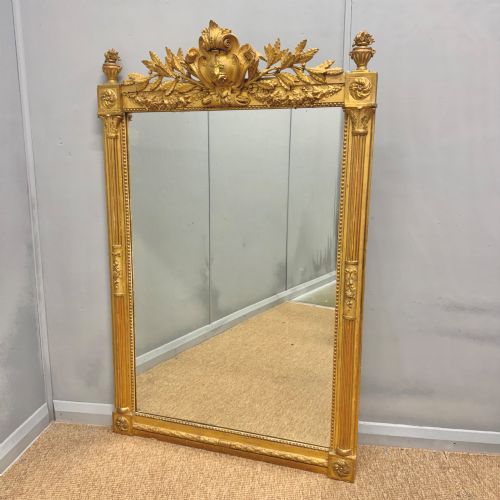
When you search for a water gilded frame, you encounter a curated selection of historical mirrors and fine art spanning the Victorian and Edwardian eras. These pieces encompass oil paintings, watercolours, needleworks, and wall mirrors, each housed within its original or period surround.
The selection on this page frequently draws from the nineteenth and early twentieth centuries, featuring British and European subjects such as Venetian lagoons, river landscapes, and coastal scenes. Buyers seeking authentic period framing will find that these works preserve the traditional aesthetic of their original makers.
Materials and construction
The construction of a water gilded frame relies upon a wooden base prepared with layers of gesso to create a smooth, responsive surface for the gold leaf. Artisans apply the gold leaf over a wet bole ground, utilising traditional water-based sizing techniques that allow the precious metal to be burnished to a high gloss or left matte.
Surrounding works on paper, canvas, and needlework, these frames integrate glass, paper, and oil paint within their overall composition. The combination of wood, gesso, and gold leaf defines the structural integrity and visual warmth characteristic of these period items.
Water Gilded Frame Retail Price Guide 2026
Typical asking prices for water gilded frame among the pieces listed under this phrase on Sellingantiques today, from the lower quarter to the upper quarter. They describe what is for sale here now, not the wider market.
Materials documented across the collection include wood, gesso, gold leaf, glass, paper, and oil on canvas.
Evaluating quality and condition
The distinction between standard examples and finer pieces lies in the crispness of the gesso moulding and the skill with which the gold leaf has been burnished. Superior frames retain their intricate decorative details without excessive smoothing from past cleaning or poor restoration.
Another measure of quality is the harmonious relationship between the art or mirror plate and its surround, where the original gilding shows an honest, undisturbed patina. The depth of the colour and the integrity of the underlying gesso layers reveal the original maker's hand.
Stuart Lloyd·Thomas Barker of Bath·Frederick Waters Watts·Armand Guillaumin·Edith E Caswall·Arthur Joseph Meadows·William Mellor·Helen Donald-Smith
The Water Gilded Frame Glossary
- Gesso
- A plaster mixture applied to a wooden frame to prepare the surface for gilding. It provides a smooth base that can be carved or moulded before the gold leaf is applied.
- Giltwood
- Wood that has been coated with gold leaf or gold paint. In these listings, it denotes frames finished with genuine gold rather than modern metallic substitutes.
- Overmantel mirror
- A large mirror designed to hang above a fireplace mantel. These pieces often feature extensive water gilded frames suitable for prominent interior placement.
- Watercolour painting
- A work executed with water-soluble pigments on paper. These delicate pieces require protective framing to preserve their surface over time.
Water Gilded Frame: Frequently Asked Questions
What is a water gilded frame?
A water gilded frame is a wooden structure prepared with gesso and covered in thin gold leaf applied using water as a sizing agent. This traditional technique allows portions of the gold to be highly burnished.
Such frames are commonly found housing nineteenth and early twentieth-century oil paintings, watercolours, and mirrors. Their reflective quality adds considerable warmth to the artwork they enclose.
How do I care for water gilded frames?
Water gilded surfaces are sensitive to moisture and harsh cleaning agents because the gold leaf rests on a water-soluble bole and gesso foundation. Dusting should be done gently with a soft, dry brush.
Keep these pieces away from direct sunlight and damp environments to protect the delicate gold leaf and the underlying wooden structure. Proper placement ensures the gilding remains stable for decades.
Are these frames period originals?
The pieces listed span the Victorian, Edwardian, and early twentieth-century periods, matching the creation dates of the artworks or mirrors they hold. Many retain their original gilding and construction methods.
Examining the backboards, fixings, and the wear on the gesso helps confirm the age of the framing. Period items often show consistent signs of ageing that distinguish them from modern reproductions.
What subjects appear in these framed works?
The artworks housed within these frames cover a diverse range of British and European subjects, including Venetian canals, lake landscapes, and coastal townscapes. You will also find botanical needleworks and architectural studies.
These visual themes reflect the artistic interests of the nineteenth and early twentieth centuries. Each subject is complemented by the specific proportions and decorative style of its frame.