
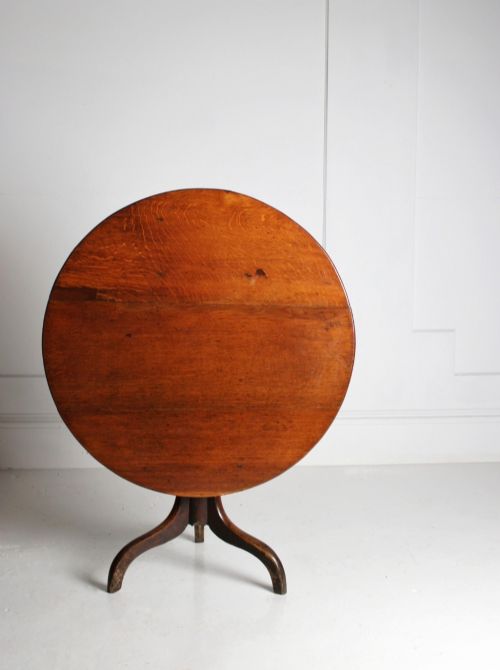
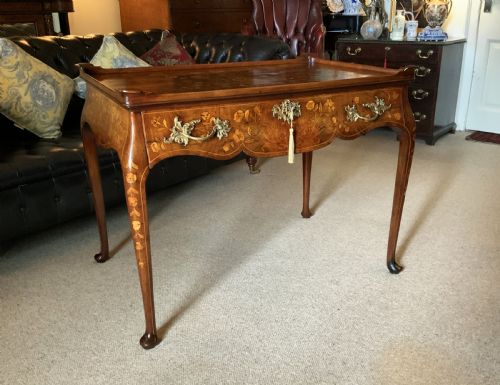


Warm Brown Tea Table
A warm brown tea table brings deep timber tones and folding tops into a sitting room.
Warm Brown Tea Table
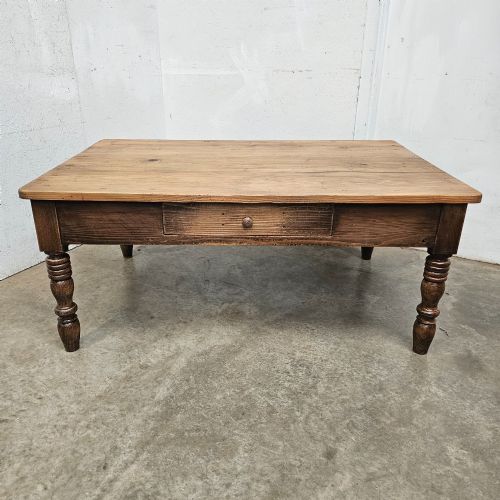
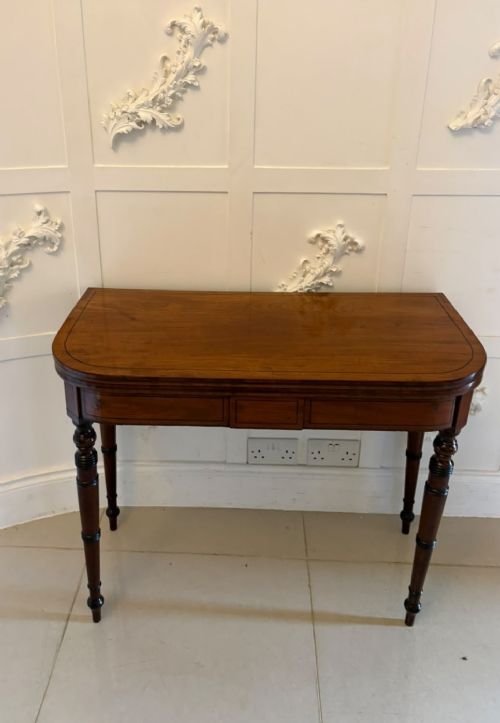
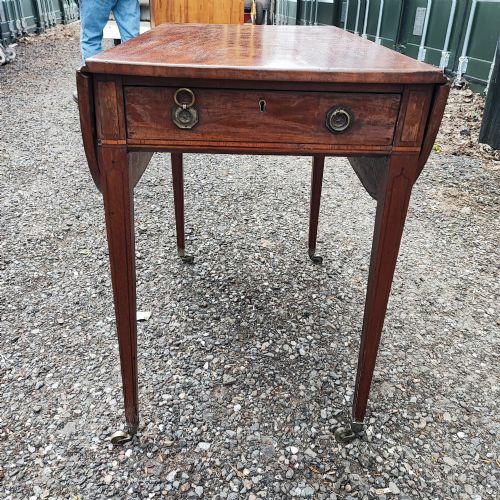
When searching for a warm brown tea table, buyers find a variety of timber surfaces designed for hospitality, including folding top designs and Pembroke forms. These items span periods from the eighteenth century through the Edwardian era and the nineteen-thirties.
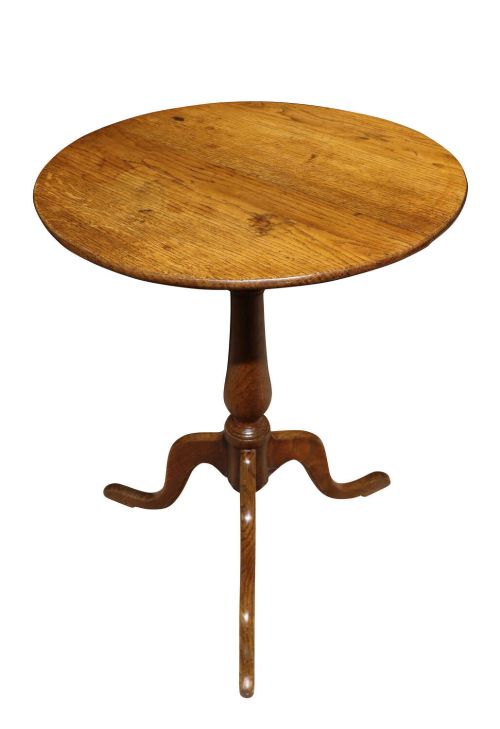
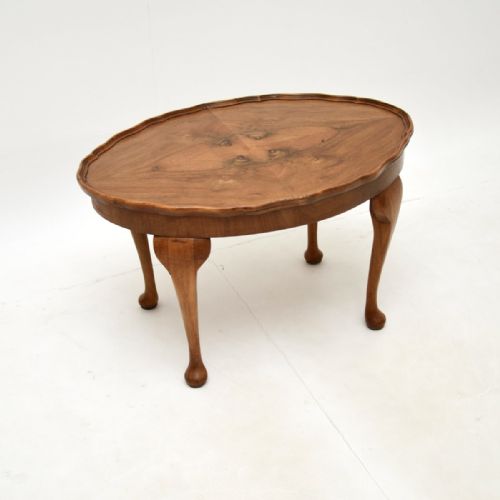
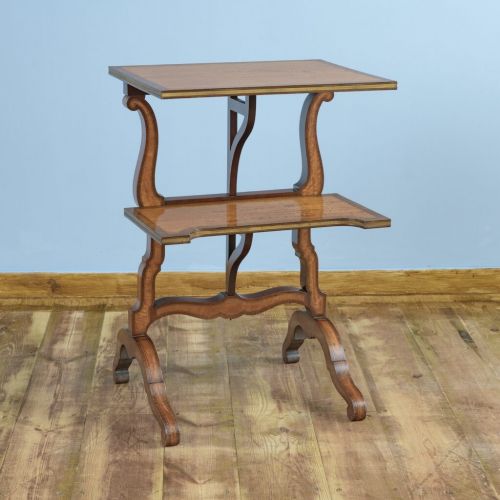
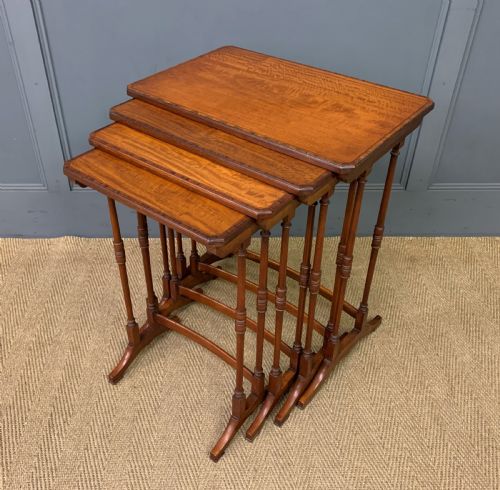
The pieces appearing on this page include mahogany, walnut, oak, and satinwood examples configured as occasional tables, card tables, and nests. Mahogany and walnut variants dominate the selection, often displaying rich grain patterns.
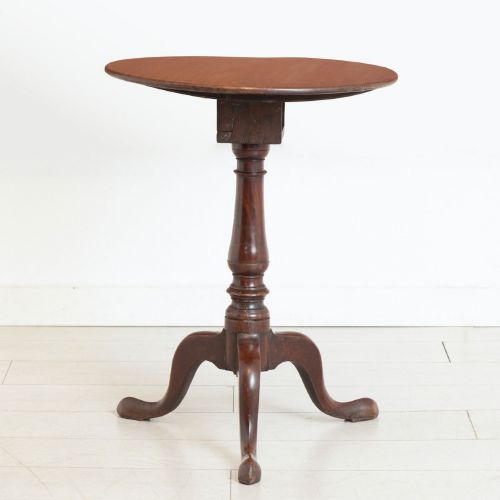
Makers utilised various formats such as tilt-top birdcage mechanisms and drop-leaf edges to save space when tea service concluded. Buyers encounter styles ranging from Georgian restraint to Victorian elaboration.
How they were made
Cabinetmakers worked primarily with hardwoods like mahogany, walnut, and oak, selecting boards for figured grain and rich colour. Secondary timbers provided internal framing for drawers and folding mechanisms.
Surface decoration frequently involved satinwood crossbanding, boxwood stringing, and floral marquetry inlays. Turned legs, tripod bases, and pie crust edges required skilled carpentry and lathe work.
Design styles represented include Georgian, Victorian, Edwardian, and Aesthetic Movement interpretations.
What varies in quality
The standard of timber selection largely dictates the quality of a table, with highly figured walnut and finely grained mahogany commanding attention. The crispness of carved details on tripod legs and pillar supports further separates standard work from finer output.
Construction methods also reveal distinction, particularly in the precision of folding top hinges, tilt-top birdcage pivots, and inlaid banding. Integration of brass fittings and stability in the frame structure indicate workshop competence.
Maison Giroux
The Warm Brown Tea Table Glossary
- Pembroke table
- A small rectangular table with hinged drop leaves on either side, often fitted with a drawer. It emerged during the eighteenth century.
- Tilt-top table
- A table with a mechanism allowing the surface to pivot to a vertical position when not in use. This conserved floor space in smaller rooms.
- Birdcage
- A timber framework beneath a tilt-top table that allows the top to rotate as well as tip. It represents a characteristic feature of better Georgian tripod tables.
- Marquetry
- Decorative veneer patterns applied to furniture surfaces using different coloured woods, ivories, or metals. Floral motifs appear frequently in Dutch and satinwood examples.
- Pie crust edge
- A raised, carved moulding along the perimeter of a circular table top, resembling the fluted edge of a pastry crust. It is typically found on tripod occasional tables.
Warm Brown Tea Table: Frequently Asked Questions
How were folding tea tables used?
These tables stood against walls until needed for afternoon tea service, card games, or social gatherings. Servants or hosts unfolded the leaves and moved them into the centre of the room.
Once the gathering ended, the tops folded back down or tipped vertically to clear the floor space. Their versatility made them central pieces in period drawing rooms.
What woods should I look for?
Mahogany and walnut appear most frequently, offering deep reddish and dark brown tones that suit traditional interiors. Satinwood and oak also feature prominently across different periods.
Figured grains and crossbanding indicate more ambitious commissions. Selection depends on the existing tones within a room.
Are these tables sturdy enough for daily use?
Most antique timber tables handle everyday placement of lamps and cups without issue. Tripod bases require level flooring to remain entirely stable during use.
Folding leaves and hinge mechanisms benefit from gentle handling to preserve original joints. Careful placement away from direct heat sources protects the polished finish.