


Warm Brown Oak Desk
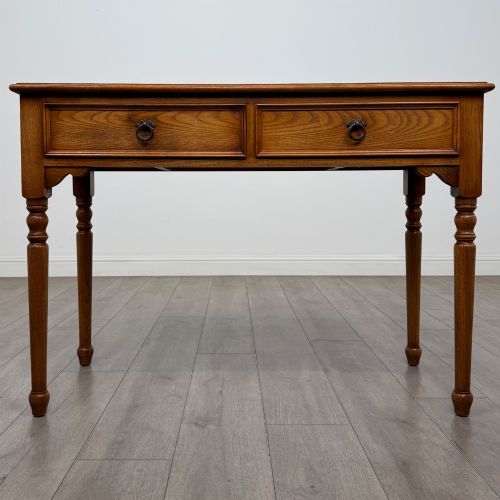
A warm brown oak desk brings centuries of honest English craftsmanship and rich timber tones into a working room.
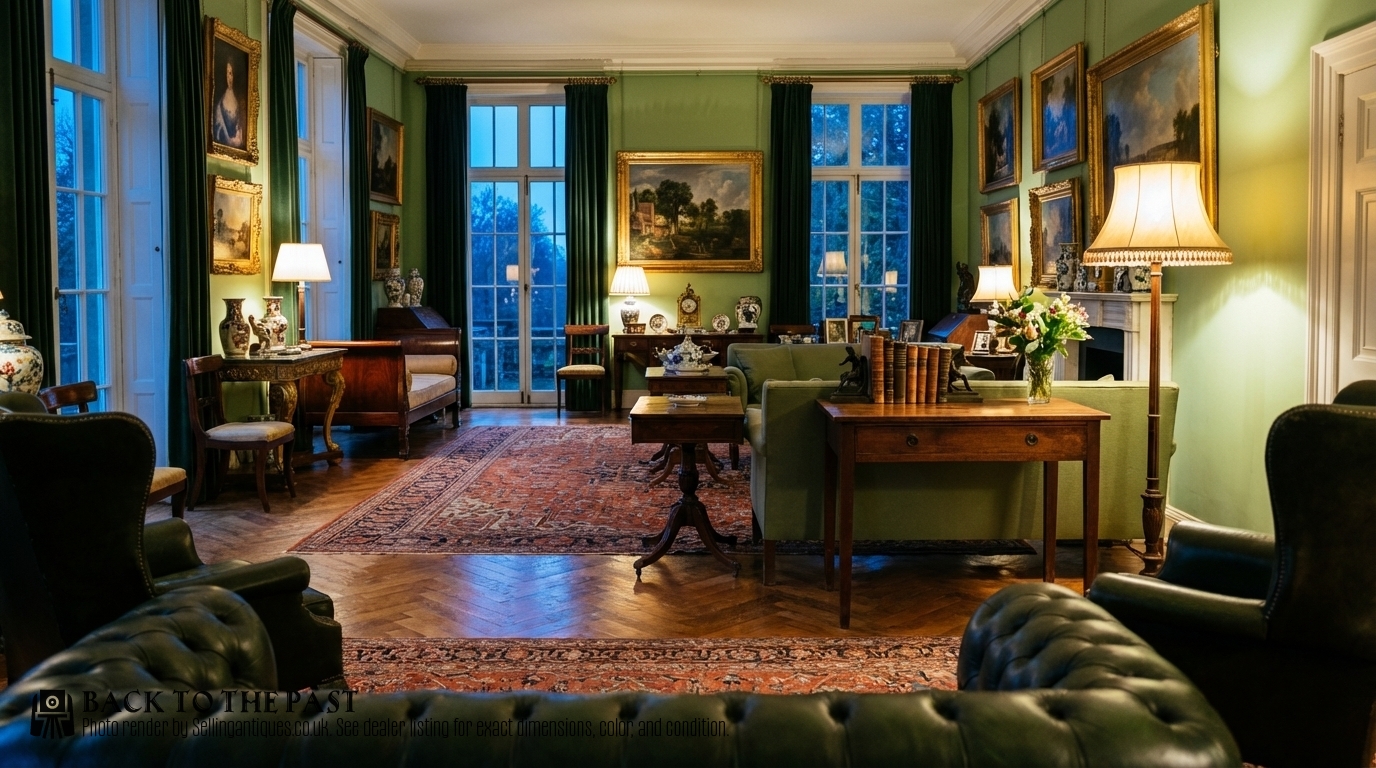
Warm Brown Oak Desk
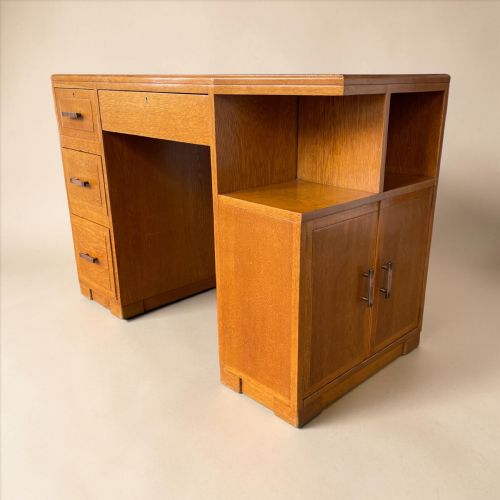
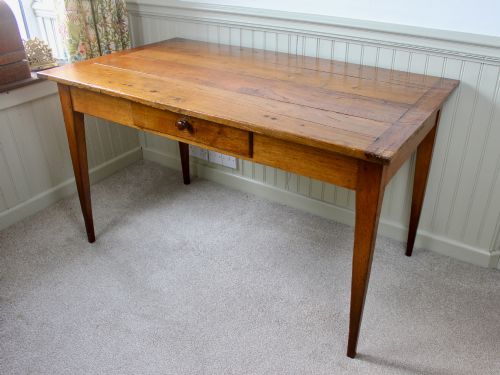
When you search for a warm brown oak desk, you encounter hardworking writing furniture spanning the eighteenth and nineteenth centuries, alongside early twentieth-century examples. The selection includes writing tables, bureaus, and side tables that served domestic or professional studies in earlier centuries.
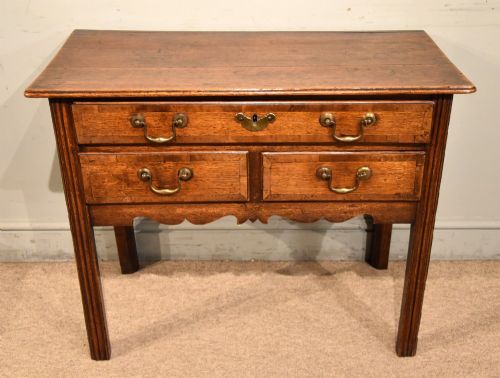
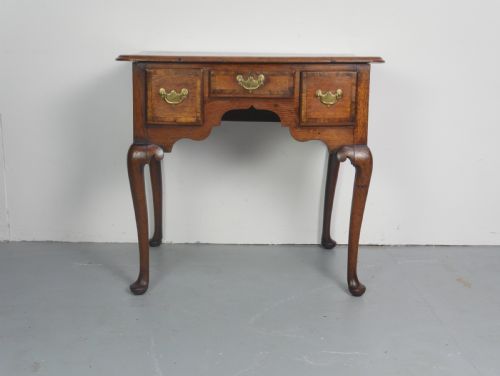
Georgian and Victorian pieces dominate the selection, often taking the form of lowboys, writing tables, or drop-front bureaus made from solid timber. These utilitarian surfaces carry the marks of daily use, showing deep patination that develops over generations of polishing and handling.
Country house and provincial workshops produced many of these surviving examples, utilising local hardwoods alongside primary oak boards. The resulting forms range from modest three-drawer side tables to substantial clerks' writing desks suited for modern studies.
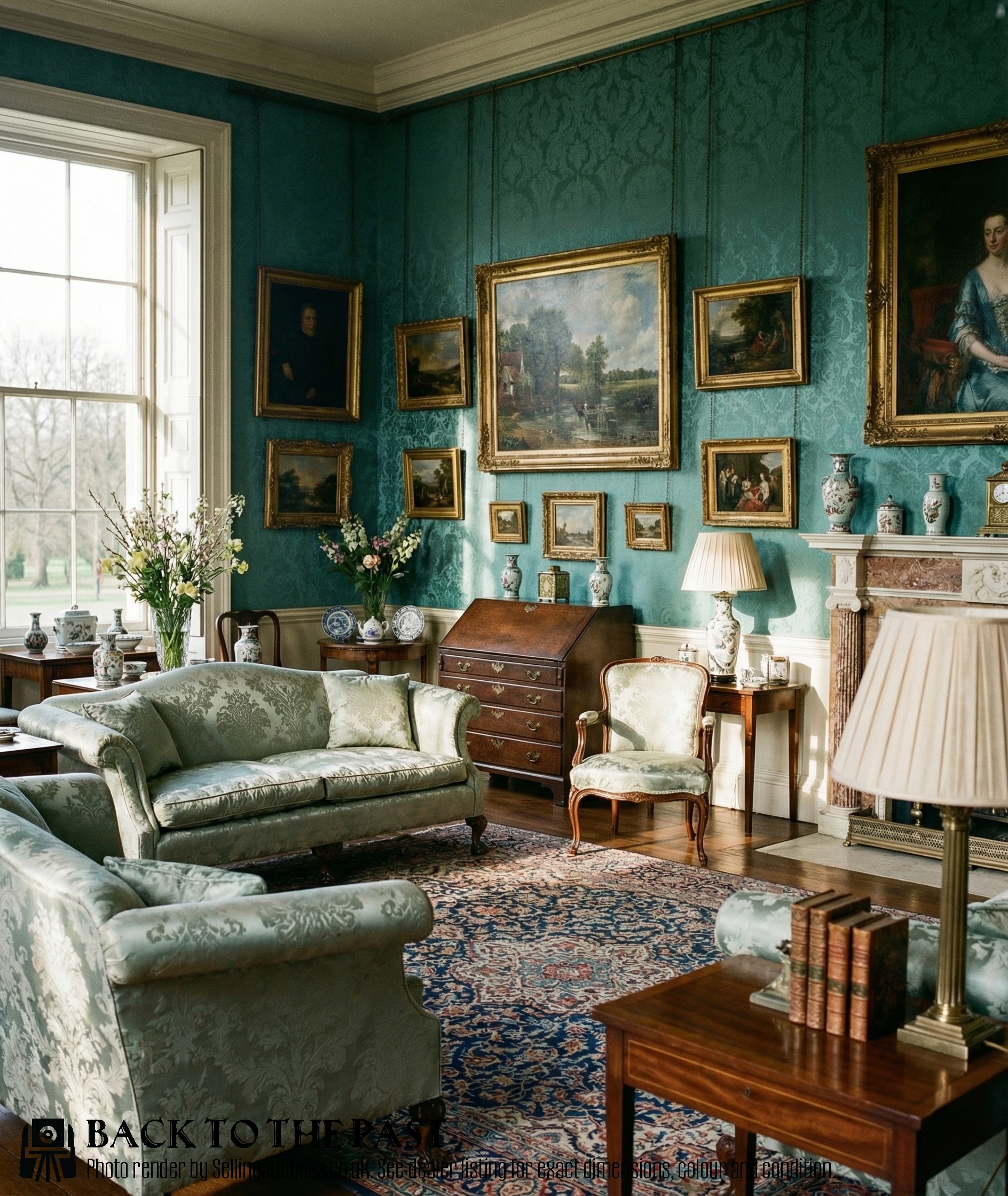
What separates the best from the rest
Quality rests in the depth of the timber's patination and the integrity of the original construction rather than decorative excess. Finer examples retain their original brass hardware, unwarped writing surfaces, and tightly fitted drawer interiors without modern timber replacements.
Proportion and restraint distinguish superior provincial pieces from utilitarian workbenches, where well-balanced leg turnings and subtle edge mouldings elevate the form. The handling of secondary woods and the precision of hand-cut dovetails further separate standard utility furniture from exceptional workshop output.
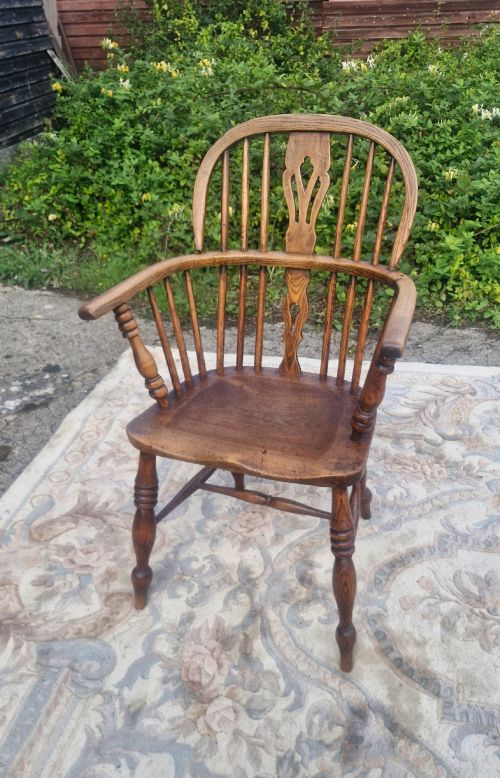
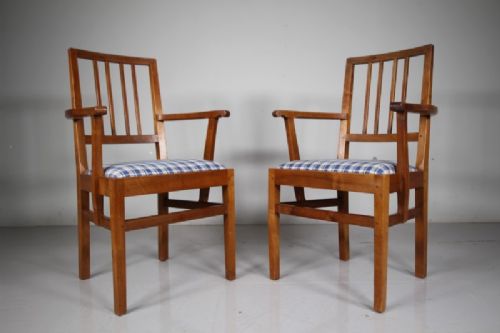
Smokers bows and captains' chairs provide surprisingly ergonomic seating for desk work after enduring over a century of provincial use.
Edward Barnsley·Pennington of Camberwell
The Warm Brown Oak Desk Glossary
- Lowboy
- A small table with drawers, typically standing on four legs, used as a writing table or dressing surface in eighteenth-century interiors.
- Bureau
- A desk featuring a hinged sloping flap that opens to reveal a fitted interior of small drawers and pigeonholes.
- Dovetail
- A joint formed by interlocking wedge-shaped fingers, commonly used in drawer construction for maximum tensile strength.
- Patina
- The surface sheen and warm colour acquired by timber over decades of exposure to light, air, and human touch.
- Escutcheon
- A flat plate of brass surrounding a keyhole, designed to protect the surrounding wood from damage.
Warm Brown Oak Desk: Frequently Asked Questions
How do I date an antique oak desk?
Dating relies on examining construction methods, timber preparation marks, and hardware styles across the piece. Hand-cut dovetails, pegged joinery, and the use of native secondary woods point toward eighteenth or nineteenth-century workshop origins.
Secondary indicators include the presence of hand-sawn board marks and the natural wear patterns around drawer pulls. Comparing the overall proportion against known Georgian or Victorian forms helps narrow the decade of manufacture.
Are these desks suitable for daily computer work?
Many antique writing tables and bureaus provide adequate surface area and sturdy construction for modern laptops and paperwork. Their shallow drawer depths require measuring knee clearance before daily use.
Placing a protective leather blotter or felt pad across the writing surface helps prevent ink stains or modern scratching on centuries-old timber.
How should I care for antique oak?
Maintain the timber by applying traditional beeswax sparingly and buffing with a soft cloth to preserve the natural lustre. Avoid placing antique furniture near direct heat sources or strong sunlight, which causes timber to dry out and split.
Promptly wipe away liquid spills using a dry cloth to prevent water marks from penetrating the historic wax finish.
What is the difference between a lowboy and a writing desk?
A lowboy is a compact side table featuring one or more rows of drawers beneath a flat top, historically utilised for various domestic tasks including writing. Dedicated writing desks often incorporate superstructure pigeonholes or sloping fall-front bureaus.
Lowboys generally offer greater versatility for placement in smaller rooms due to their shallow depth and open leg space.