


Warm Brown Oak Cupboard
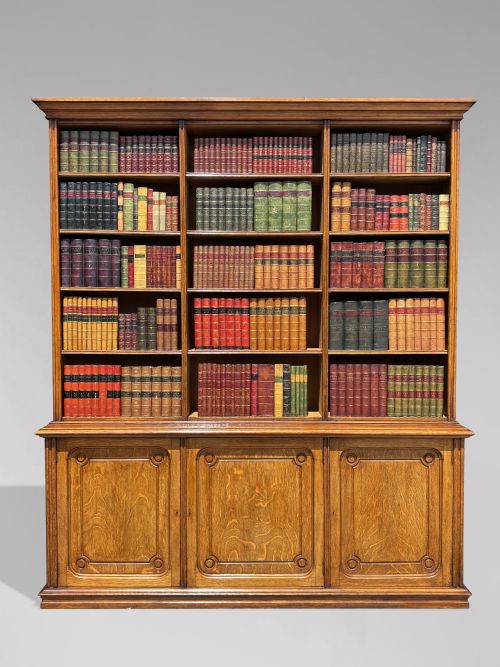
A warm brown oak cupboard brings honest timber and dependable storage into a room, spanning country workshops and formal Georgian parlours.
Warm Brown Oak Cupboard
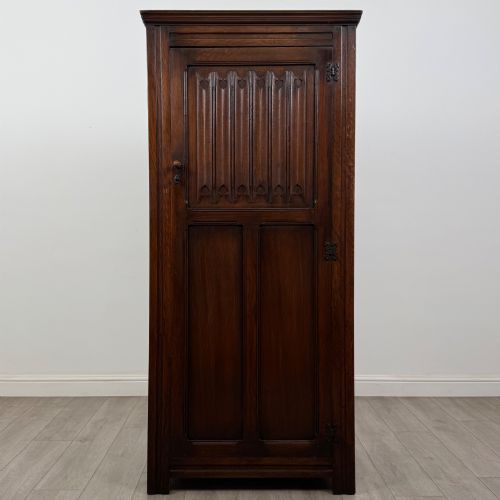
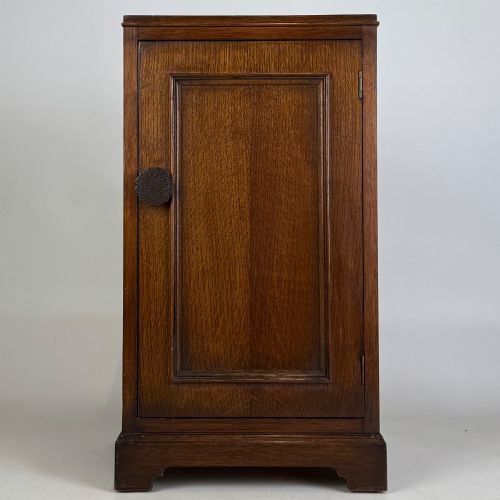
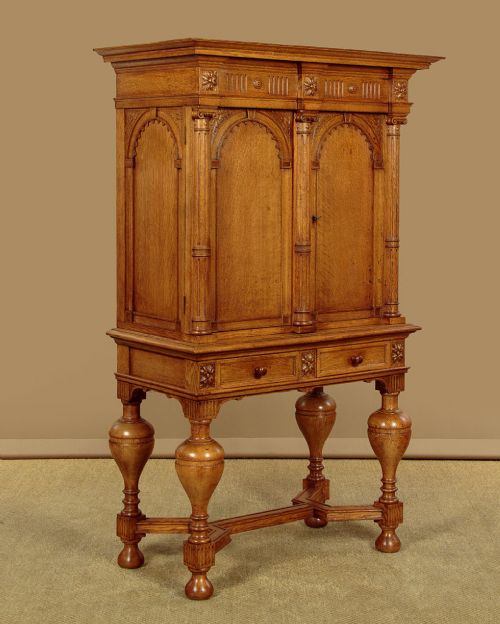
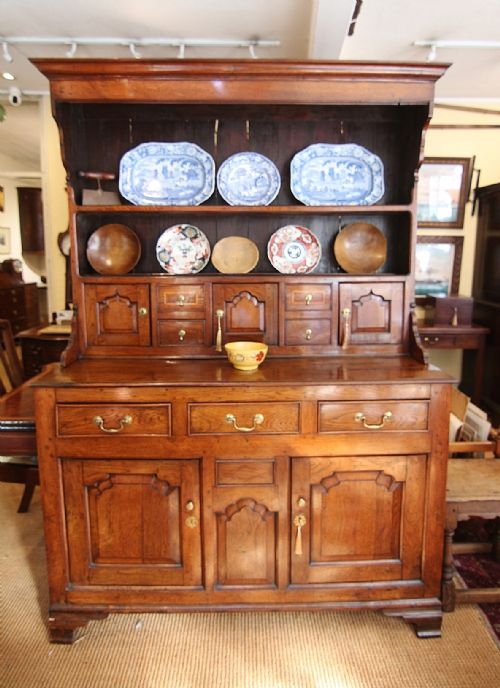
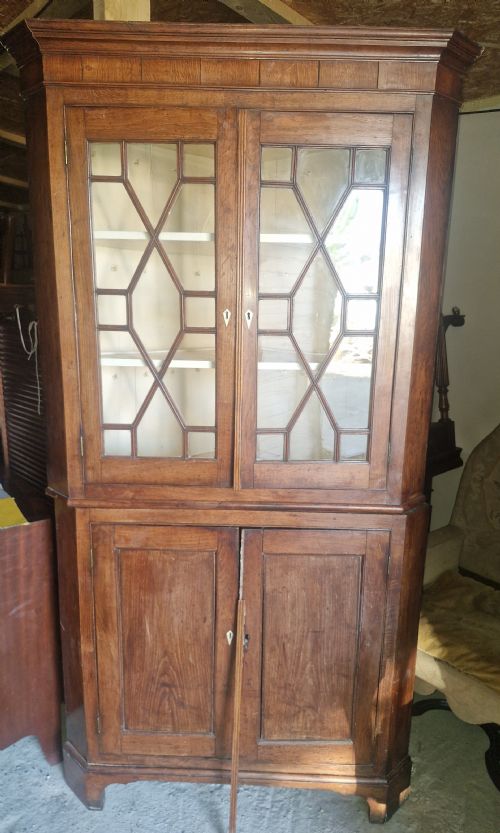
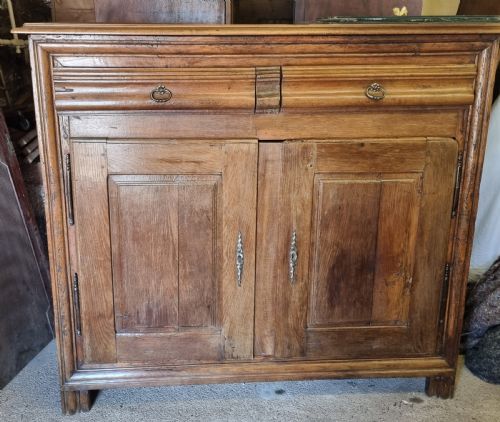
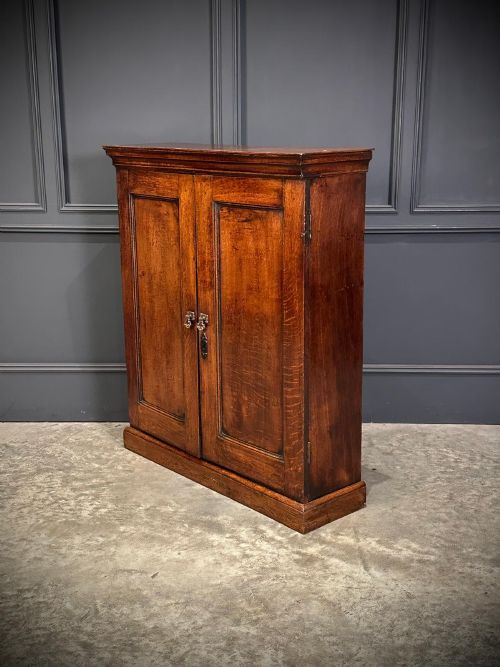
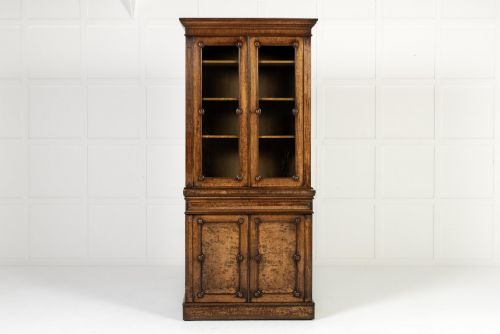
A warm brown oak cupboard covers a broad family of storage furniture built from timber showing rich natural grain and deep patination. When you search for a warm brown oak cupboard, you meet everything from small hanging wall cabinets and spice drawers to tall housekeepers cupboards, court cupboards, and grand dresser bases.
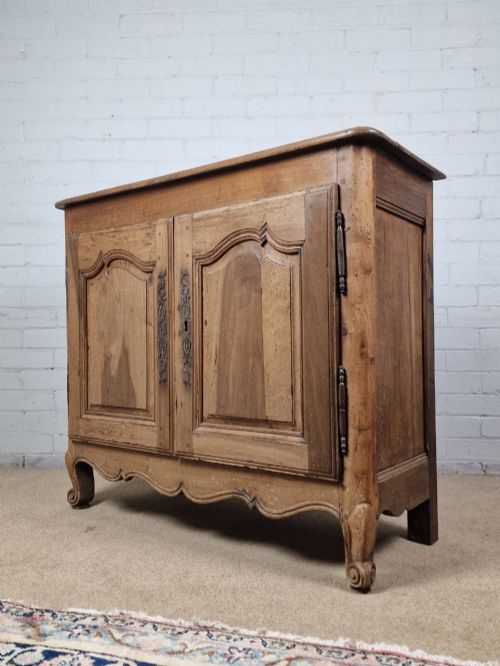
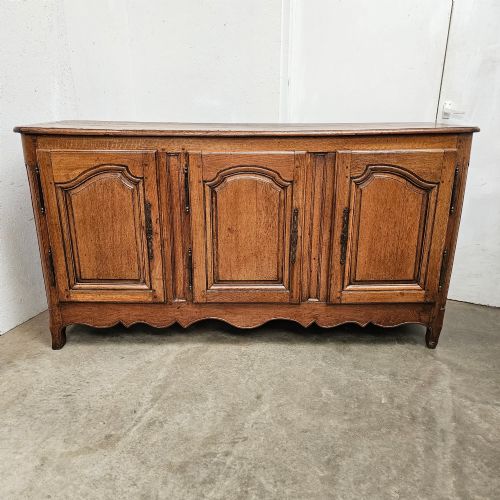
The pieces on this page stretch across centuries of cabinet making, drawing heavily on 18th century vernacular traditions and the Georgian period alongside later Victorian, Edwardian, and 1920s interpretations. You will find regional British vernacular works sitting alongside French provincial side cabinets, Dutch cabinets on stands, and Arts and Crafts designs.
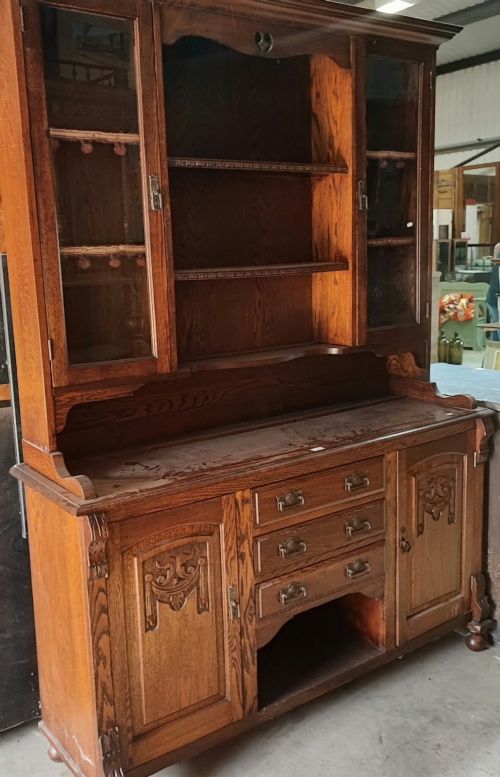
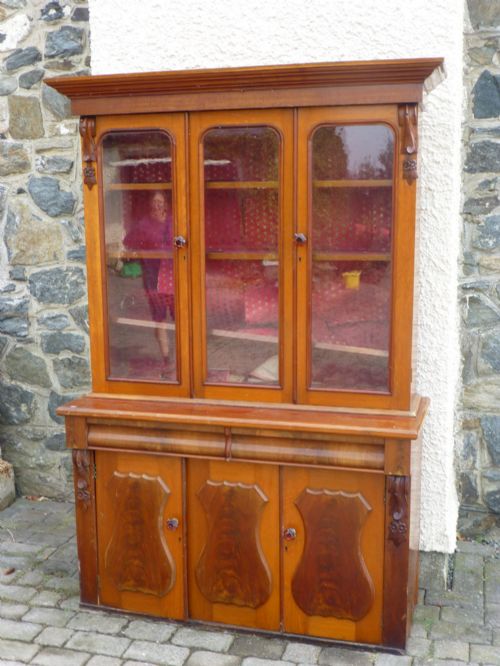
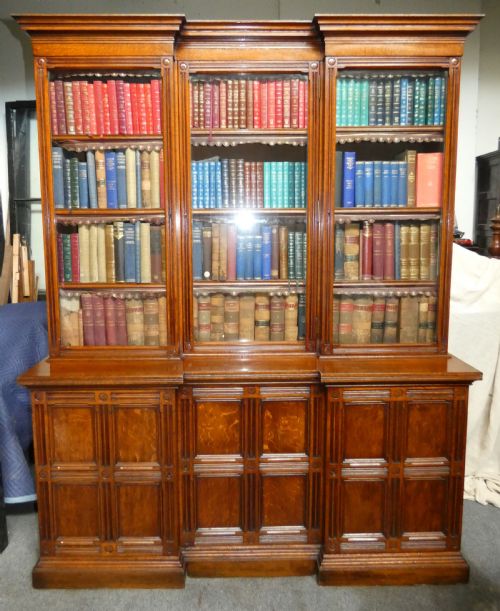
Forms vary from corner cupboards designed to utilise awkward angles to expansive kitchen dressers with open plate racks and glazed bookcase tops. The unifying thread is the primary use of oak, often complemented by brass hardware and secondary timbers such as fruitwood or walnut.
What varies in quality
Quality rests in the selection of the timber and the integrity of the structural joinery rather than surface ornamentation alone. Superior pieces display carefully matched grain across large panelled doors and drawer fronts, maintaining structural rigidity through pegged joints without relying on modern metal fasteners.
The distinction between ordinary utility items and finer regional pieces lies in the crispness of mouldings, hand-carved detailing, and original hardware like brass H-hinges or working locks. Finer examples retain their original backboards, unwarped doors, and deep, lustrous patination built up through generations of polishing.
Warm Brown Oak Cupboard Retail Price Guide 2026
Typical asking prices for warm brown oak cupboard among the pieces listed under this phrase on Sellingantiques today, from the lower quarter to the upper quarter. They describe what is for sale here now, not the wider market.
Listings feature oak cupboards spanning the 18th century, Georgian era, Victorian period, and 1920s.

Heals of London·Maple and Co
The Warm Brown Oak Cupboard Glossary
- Court cupboard
- An antique enclosed storage piece featuring a recessed upper section supported by pillars above a broader lower cupboard base. These heavy pieces typically date to the 18th century or earlier vernacular periods.
- Housekeepers cupboard
- A large tall storage unit traditionally utilised for housing household linens, dry goods, and kitchen provisions. They usually feature multiple panelled doors enclosing deep internal shelving.
- Enfilade
- A long low sideboard or buffet cabinet designed for storage and serving, frequently seen in French provincial furniture styles. They often incorporate two or three panelled doors across the front.
- Corner cabinet
- A space-saving storage unit constructed with a triangular footprint designed to fit snugly into the corner of a room. Versions appear as hanging wall cupboards or tall two-part floor standing units.
- Patina
- The surface sheen and deep colour developed by timber over decades and centuries of handling, exposure to light, and waxing. A rich patina indicates age and continuous domestic use.
Warm Brown Oak Cupboard: Frequently Asked Questions
How do I date an old oak cupboard?
Dating relies on examining construction methods, tool marks, timber preparation, and hardware styles. Hand-sawn boards, pegged joints, and original wrought iron hinges point toward earlier 18th century vernacular origins.
Later Victorian and Edwardian examples often feature machine-sawn timbers, standardised screw fixings, and factory-produced brass fittings. Comparing the secondary woods and panel construction against known period styles helps narrow the decade of manufacture.
How were these cupboards used originally?
These cupboards served as the primary storage units for household provisions, textiles, tableware, and valuables before fitted kitchens and wardrobes existed. Housekeepers cupboards held household linens, while spice cupboards protected valuable imported aromatics.
Larger dresser bases and court cupboards stored everyday ceramics and pewter in the main living quarters of the home. Their robust construction ensured they could withstand the daily demands of busy country houses and farmsteads.
Where should I place an oak cupboard in my home?
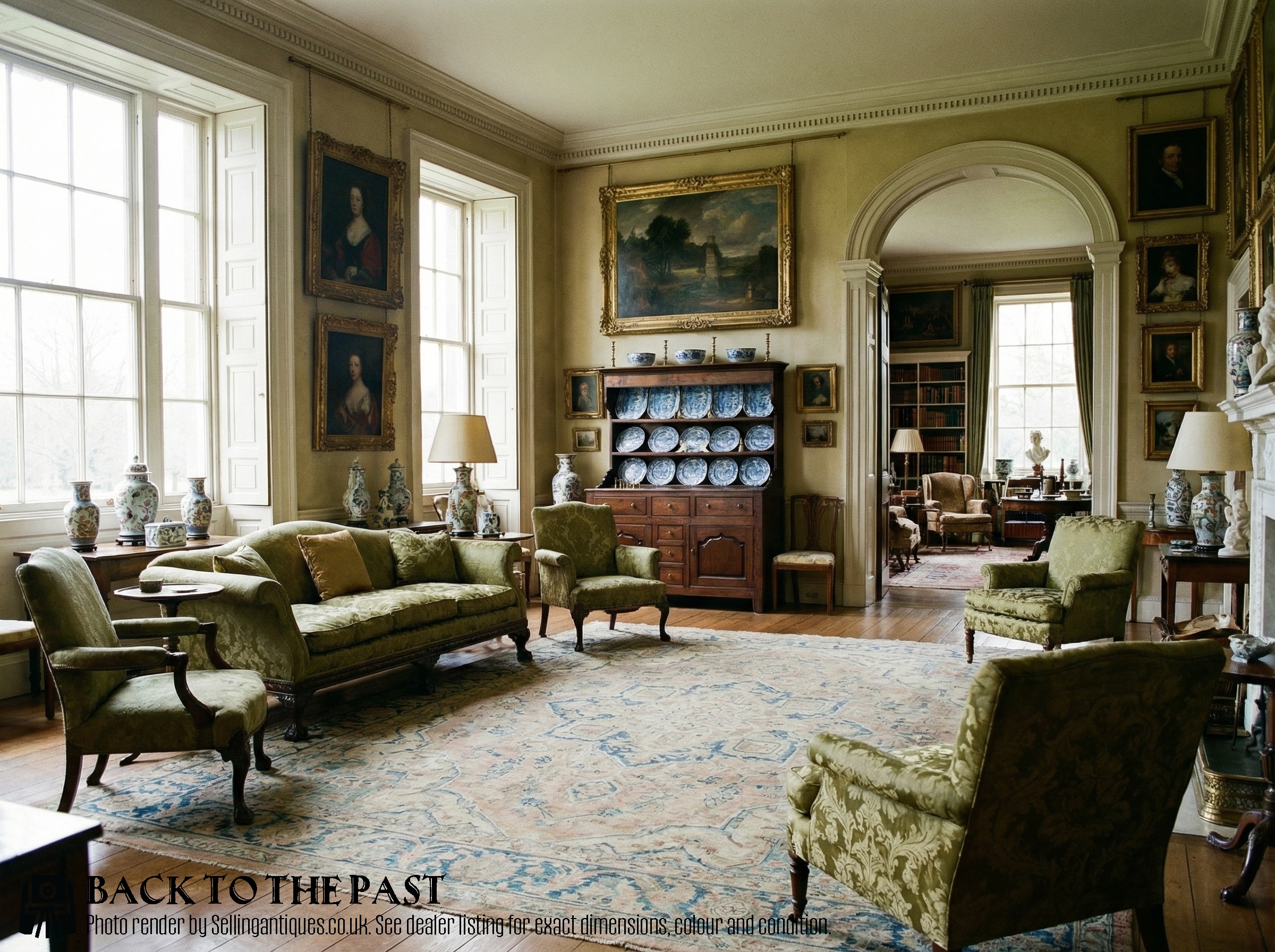
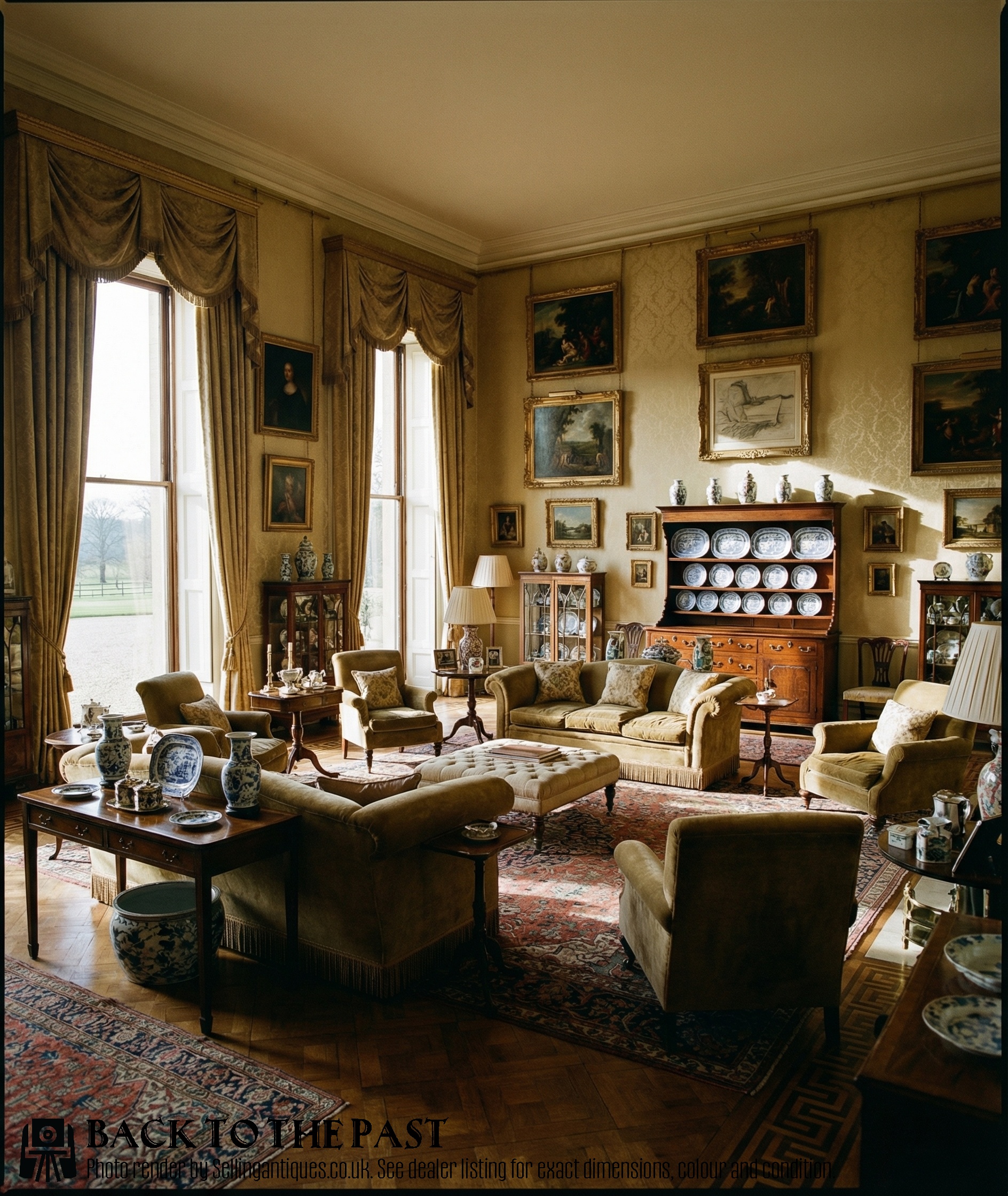
An oak cupboard anchors a room well when placed against a plain wall in a dining room, hallway, or living space where its rich timber tones can stand out. Corner cupboards effectively utilise dead architectural space while adding character to neglected room angles.
Ensure the piece sits away from direct heat sources and strong sunlight to prevent the solid oak panels from drying out or splitting over time. Positioning them in well-ventilated spaces keeps the historic timber stable.
How do I maintain the finish on antique oak?
Maintain the surface by dusting regularly with a soft, dry cloth and applying a traditional beeswax polish sparingly when the wood appears dry. Avoid modern silicone sprays or harsh chemical cleaners that can permanently damage the historic patination.
Keeping room humidity stable prevents the timber from expanding and contracting excessively, which helps doors swing true and drawers run smoothly within their frames.