
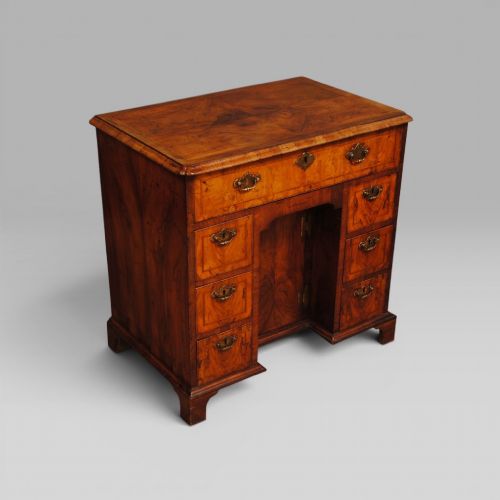


Warm Brown Bureau Desk
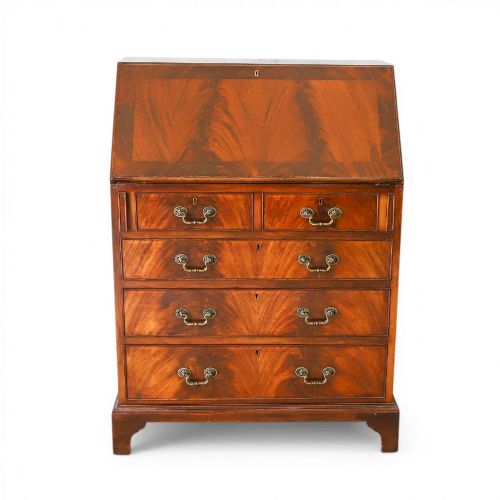
A warm brown bureau desk brings deep timber tones and a fitted writing compartment into a room, offering both a practical workspace and a handsome period centrepiece.
Warm Brown Bureau Desk
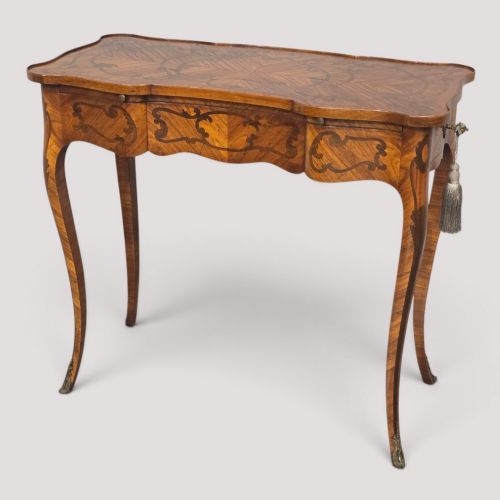
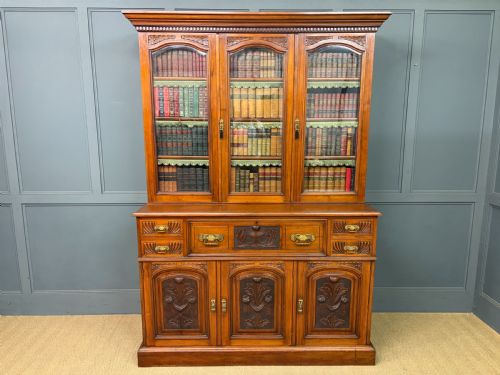
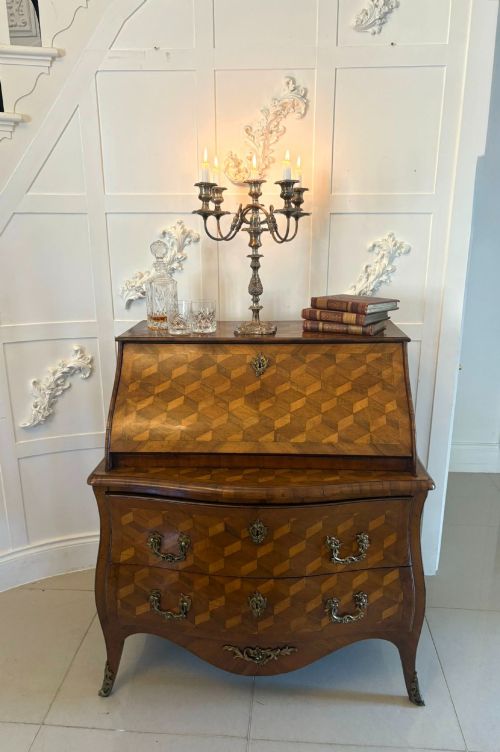
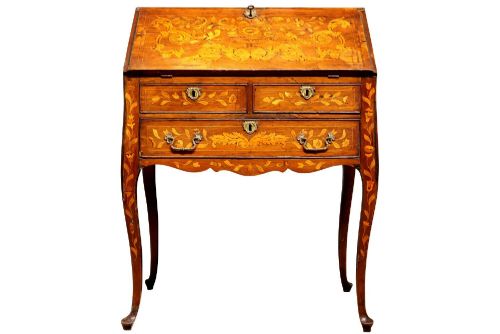
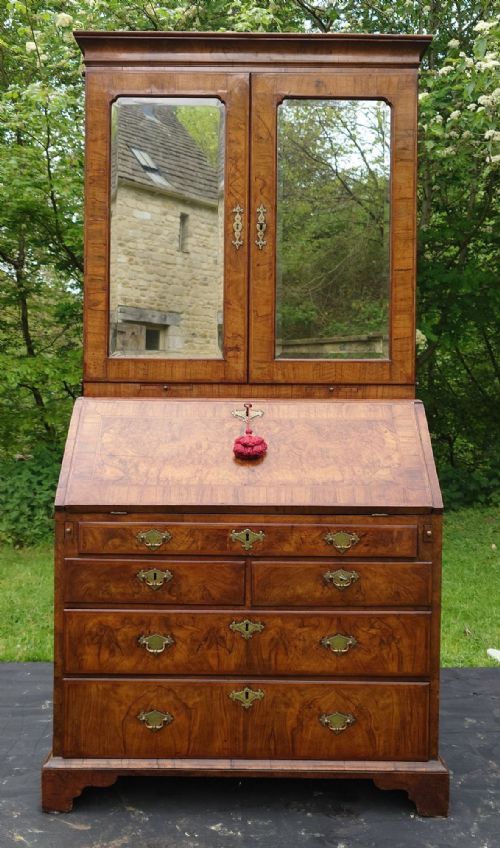
A warm brown bureau desk is a traditional writing furniture piece designed with a sloping lid that drops down to reveal a fitted interior of small drawers and pigeonholes. When searching for a warm brown bureau desk, buyers encounter forms ranging from compact fruitwood and elm examples to large walnut and mahogany bureau bookcases spanning the eighteenth to the twentieth centuries.
What varies in quality
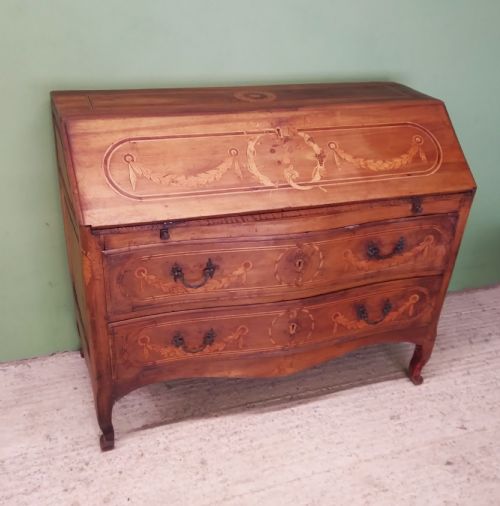
Quality rests in the choice and figure of the timber, such as burr walnut, flame mahogany, or figured fruitwood, alongside the crispness of any marquetry inlay. The sophistication of the internal pigeonholes and small drawers within the writing compartment distinguishes standard examples from superior pieces.
Original brass hardware and the integrity of the cabinet construction, including dovetailing and secondary woods, determine the standing of each desk.
Regional craftsmanship is represented through English, French, Dutch, and Maltese origins among the writing desks and bureau bookcases.
The Warm Brown Bureau Desk Glossary
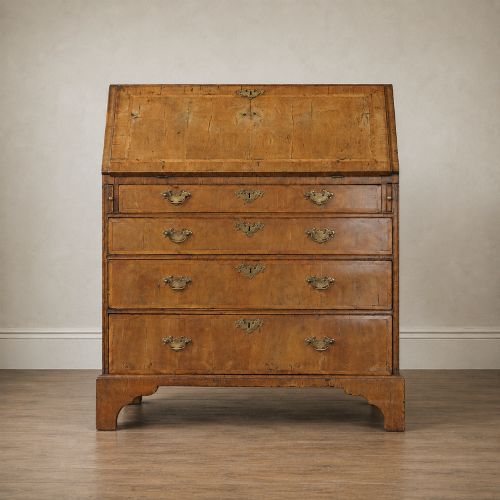
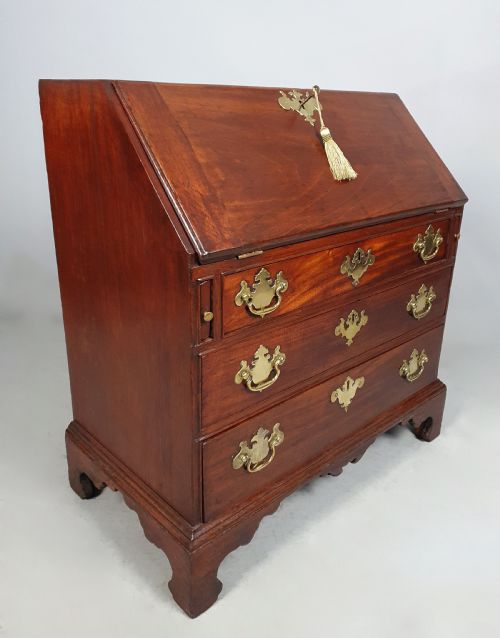
- Bureau
- A writing desk featuring a sloping fall-front that opens to disclose a fitted interior of drawers and pigeonholes. It sits either on bracket feet or upon a chest of drawers.
- Marquetry
- Decorative veneer work arranged in pictorial or floral patterns using various tinted woods. It requires considerable skill to cut and fit the individual pieces into the surface.
- Secretaire
- A piece of furniture containing a drawer or compartment that pulls down or out to form a writing surface. It often conceals pigeonholes and small letter drawers behind a drop front.
- Parquetry
- Geometric wood inlay forming repetitive patterns such as cubes or squares across a tabletop or fall-front. This technique creates a textured surface using contrasting timber grains.
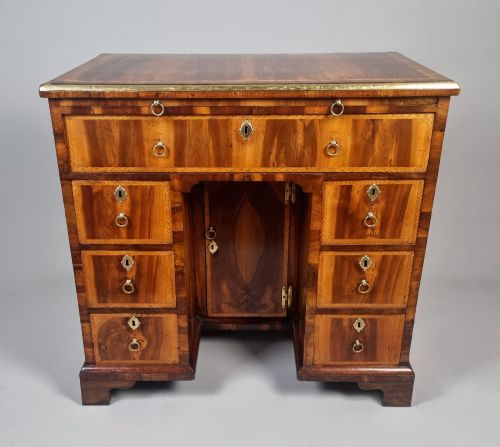
- Kneehole desk
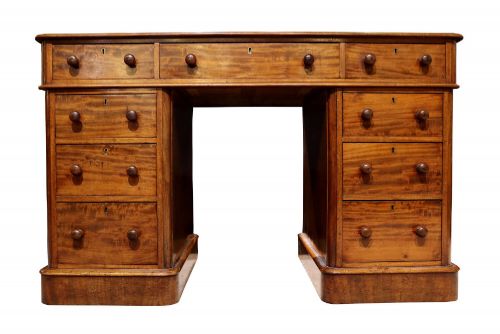
- A compact writing desk featuring a central recessed space for the user's legs, flanked by pedestals of small drawers. Georgian examples often include a concealed small cupboard behind the kneehole.
Warm Brown Bureau Desk: Frequently Asked Questions
What is the difference between a bureau and a secretaire bookcase?
A bureau uses a sloping fall-front lid that drops down to create a writing surface. A secretaire bookcase incorporates a drawer that pulls or drops forward to form a desk, usually surmounted by glazed shelving.
Both forms provide concealed compartments for writing materials, but the secretaire bookcase adds upper display storage for books.
How do I date an antique bureau desk?
Dating relies on timber choices, construction methods, and hardware styles. Early eighteenth-century pieces frequently employ walnut with featherbanding and bracket feet, while later Georgian and Victorian examples tend towards mahogany and satinwood.
Examining the drawer linings, dovetail cuts, and the style of the brass handles helps narrow down the period of manufacture.
Where were floral marquetry bureaux made?
Elaborate floral marquetry bureaux are strongly associated with Dutch and French workshops from the eighteenth and nineteenth centuries. Makers utilised stained and natural woods to depict floral bouquets and urns across the fall-front and sides.
English cabinet makers also adopted marquetry techniques, though often with simpler geometric or neoclassical motifs.
How do I care for a walnut or mahogany desk?
Keep wooden desks away from direct heat sources and strong sunlight to prevent the timber veneers from drying out and cracking. Regular dusting with a soft, dry cloth maintains the polished finish.
Applying a traditional beeswax polish occasionally helps nourish the wood and preserve the warm colour.