





Traditional Oak Writing Chest
A traditional oak writing chest provides a sturdy workspace with fitted interior compartments, combining practical storage with classic timber character.
Traditional Oak Writing Chest
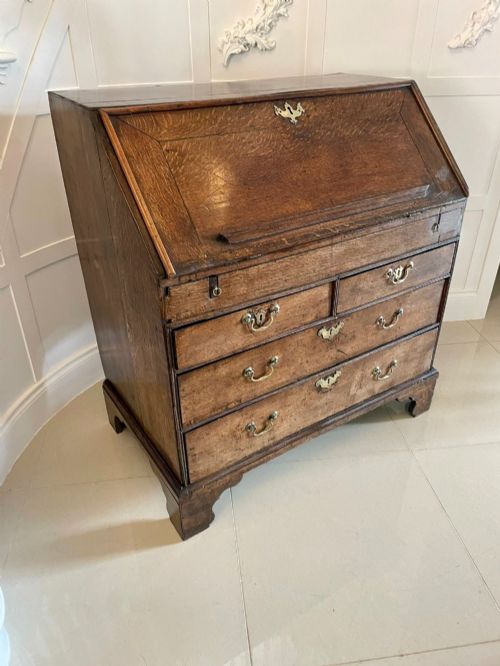
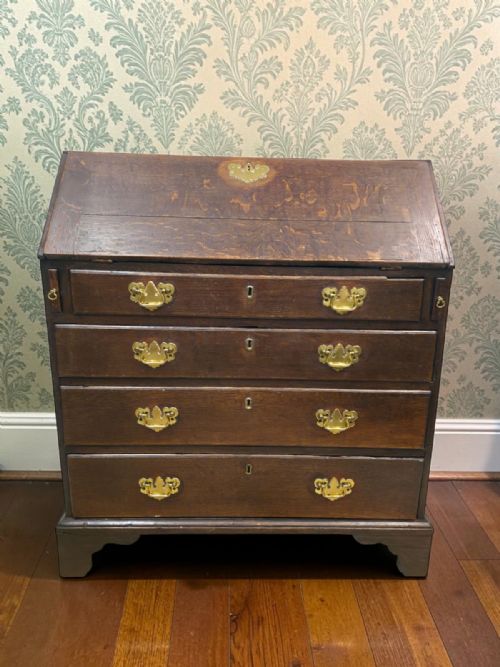
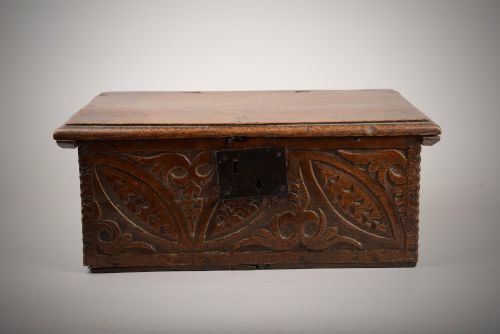
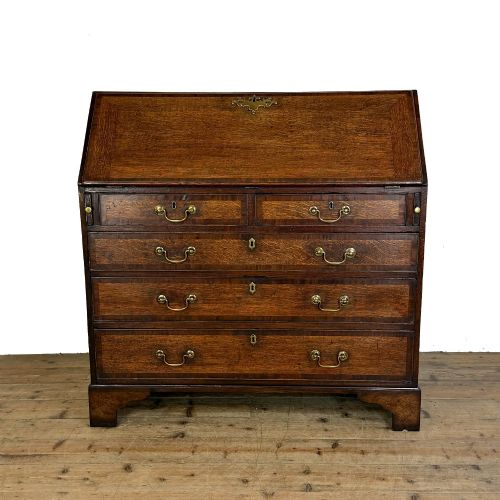
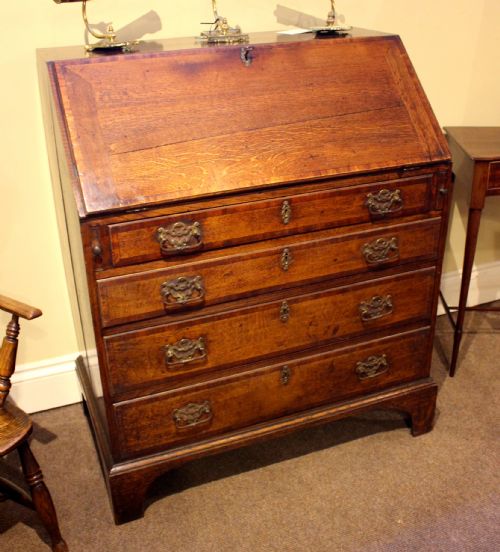
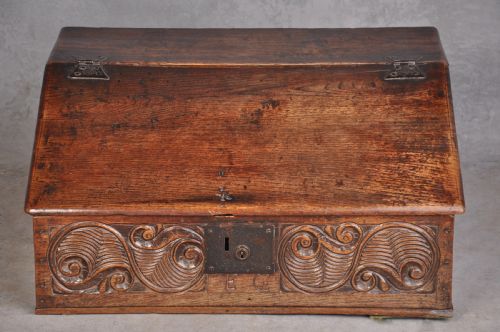
A traditional oak writing chest encompasses bureaux, desks, and smaller table or Bible boxes designed for correspondence and document storage.
Buyers meeting this search phrase encounter pieces ranging from seventeenth-century boxes to eighteenth-century fall-front bureaux and twentieth-century revival examples.
The form typically integrates a sloping writing surface or a hinged lid that opens to reveal small drawers and pigeonholes for stationery.
How they were made
Construction relies primarily on solid oak, frequently paired with brass and iron hardware such as hinges, escutcheons, and drop handles.
Joinery techniques span traditional panel construction found in seventeenth-century boxes to the dovetailing and fall-front mechanisms seen in Georgian bureaux.
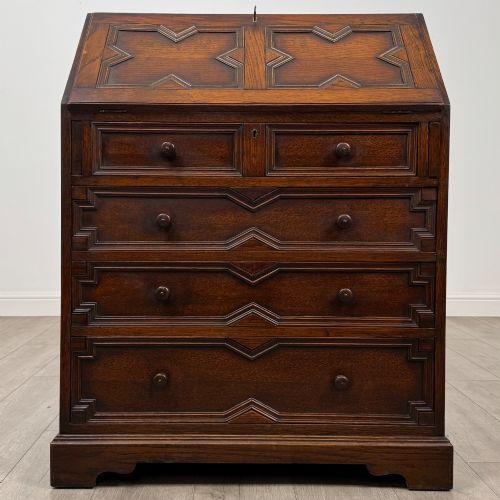
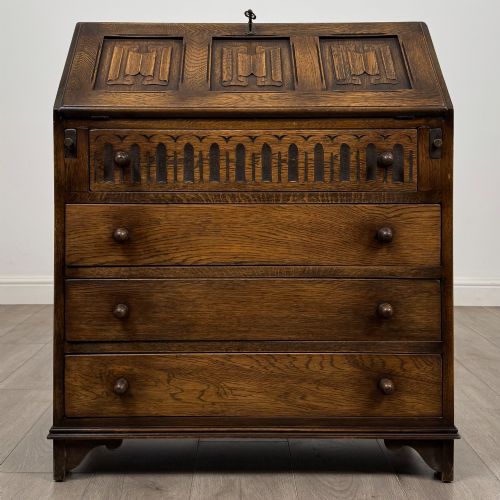
Surface decoration includes carved linenfold motifs, wood inlay, and revival styling that echoes earlier Jacobean and Tudor aesthetics.
Traditional Oak Writing Chest Retail Price Guide 2026
Typical asking prices for traditional oak writing chest among the pieces listed under this phrase on Sellingantiques today, from the lower quarter to the upper quarter. They describe what is for sale here now, not the wider market.
Materials across the selection consistently feature solid oak combined with brass and iron hardware.
What varies in quality
Quality rests on the integrity of the timber, the crispness of any carved details like linenfold panels, and the originality of the brass or iron hardware.
Earlier pieces from the seventeenth and eighteenth centuries derive distinction from age and untouched patina, whereas twentieth-century revival pieces depend on the fidelity of their construction to historical styles.
The Traditional Oak Writing Chest Glossary
- Bureau
- A desk with a sloping lid that folds down to provide a writing surface above a chest of drawers. It often contains internal compartments for papers.
- Bible box
- A small wooden box with a slanted lid, originally used to hold a family Bible or writing materials. These represent some of the earliest portable desk forms.
- Linenfold
- A style of relief carving used to decorate wooden panels, resembling folded parchment or linen. This ornament appears frequently on pieces from revival periods.
- Fall front
- A hinged writing flap that drops down into a horizontal position for writing. When closed, it conceals the inner drawers and pigeonholes.
- Jacobean style
- A heavy, geometric furniture style from the seventeenth century that was later revived in the Edwardian era and the twentieth century.
Traditional Oak Writing Chest: Frequently Asked Questions
What is a traditional oak writing chest?
A traditional oak writing chest is a desk or box built from oak, featuring a sloping lid or fall front designed for writing and storing papers.
These pieces span multiple eras, including seventeenth-century boxes, eighteenth-century Georgian bureaux, and twentieth-century revival designs.
How do I use a bureau desk?
You lower the sloping fall front to create a flat surface for writing letters or placing a laptop. Internal pigeonholes and small drawers hold stationery.
When you finish writing, the flap lifts up and locks shut, concealing the contents and keeping the room tidy.
What is the difference between a box and a bureau?
A box, such as a Bible box or table box, is a compact storage container with a sloping lid designed to sit on a table. It lacks the lower drawers of a full-size desk.
A bureau incorporates a fall-front writing flap positioned above a chest of drawers or a kneehole desk structure.
How do I identify the period of an oak desk?
You examine the construction methods, hardware materials, and stylistic details such as linenfold carving or wood inlay. Seventeenth-century boxes feature early panel joinery, while Georgian pieces often use dovetails.
Twentieth-century reproduction items borrow Jacobean or Georgian styles but display different timber maturity and modern internal construction.
Does oak furniture require special care?
Solid oak benefits from placement away from direct heat sources and strong sunlight to prevent the timber from drying out or splitting. Regular dusting with a soft cloth maintains the finish.
Occasional application of traditional wax helps nourish the wood and preserve the historic patina over decades of use.