


Walnut Tripod Stand
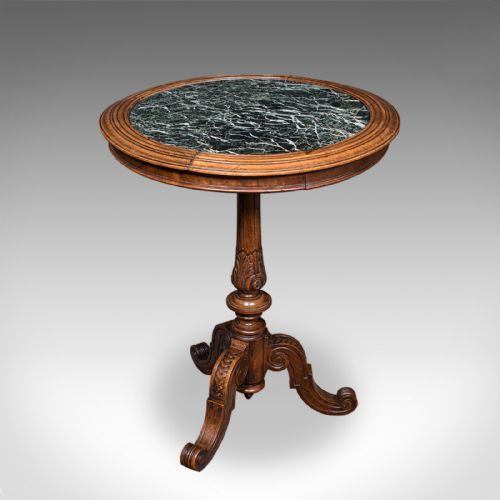
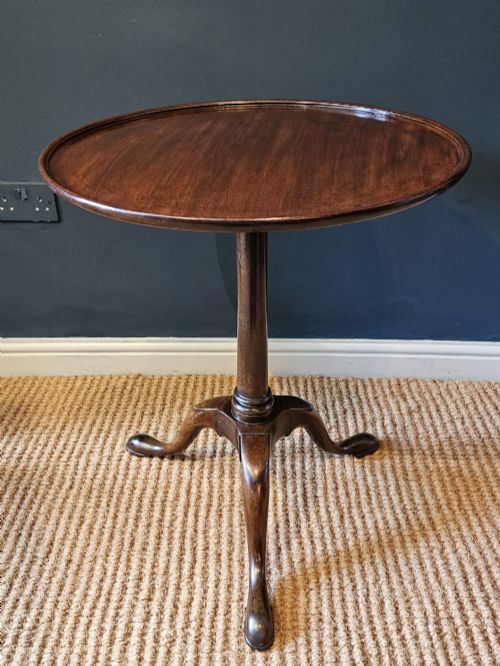
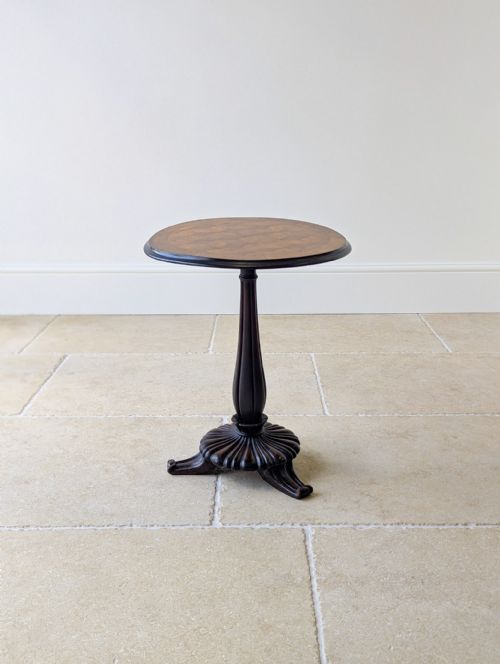
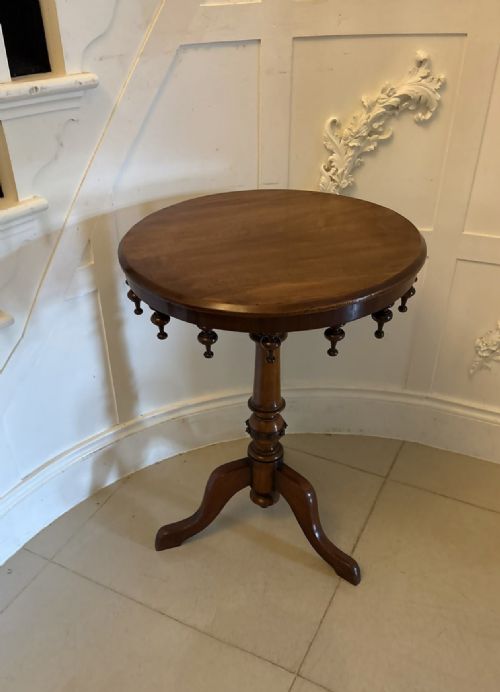
These walnut tripod stand pieces bring practical elegance to any room, offering versatile surfaces and pedestals suited for holding lamps, plants, or books.
Walnut Tripod Stand
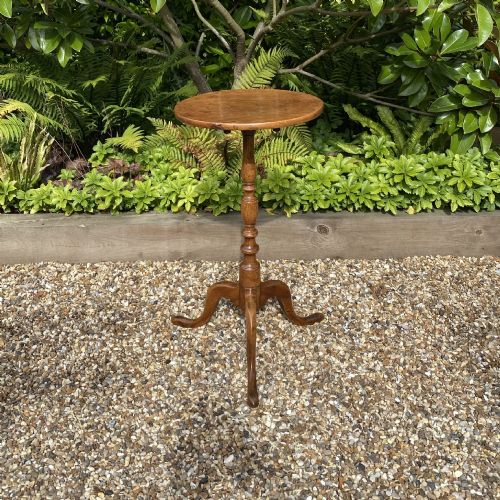
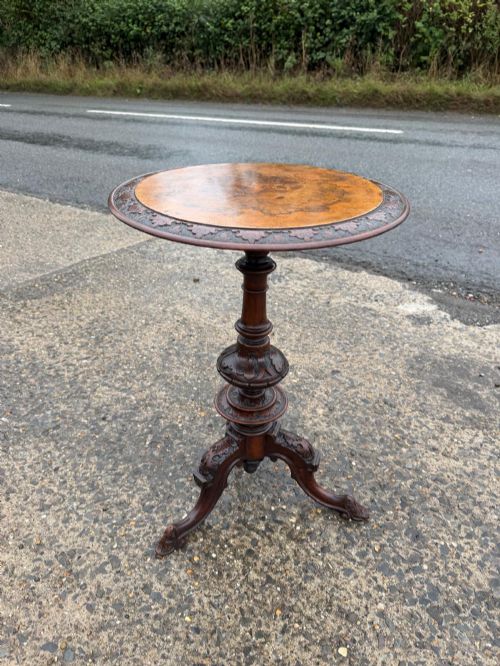
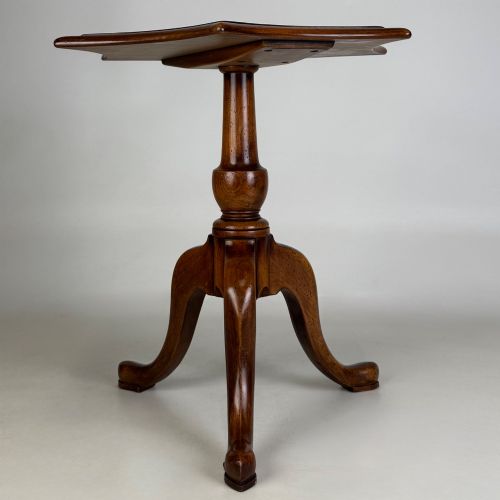
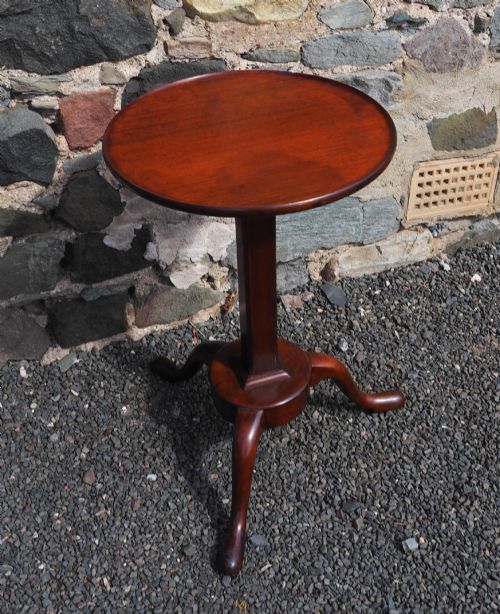
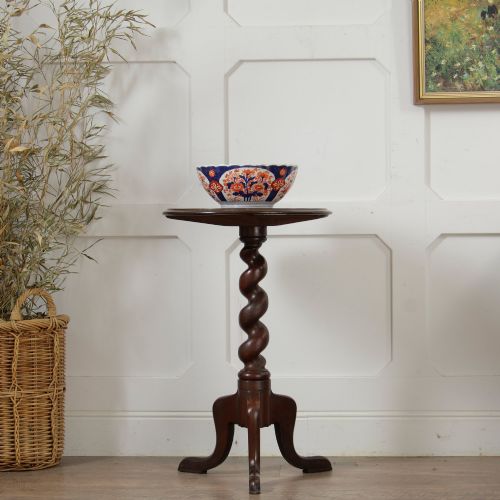
A walnut tripod stand functions as a compact occasional table, wine table, candle stand, plant pedestal, or music stand supported by three legs. You will regularly encounter Victorian interpretations alongside Georgian and 18th-century examples on this page.
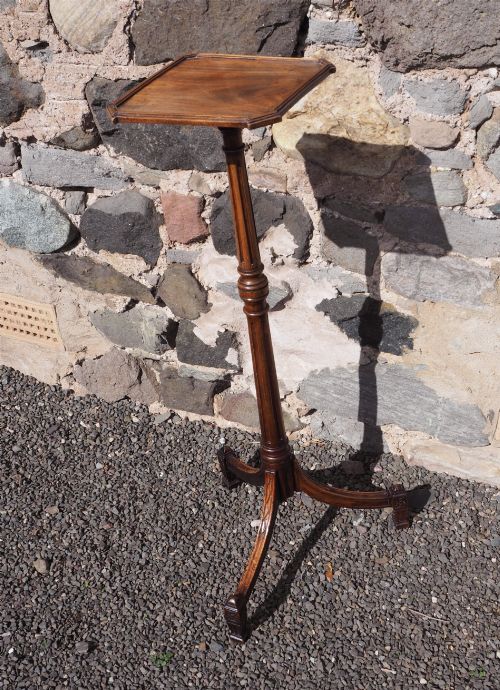
The forms vary widely from circular lamp tables and torchères to adjustable music stands and plant holders. Each piece shares the characteristic central pedestal and three-footed base configuration designed for stability on uneven floors.
Originating largely from British workshops, these tables also appear in Dutch, French, and Italian styles across periods spanning from the 17th century to the early 20th century.
Materials and construction
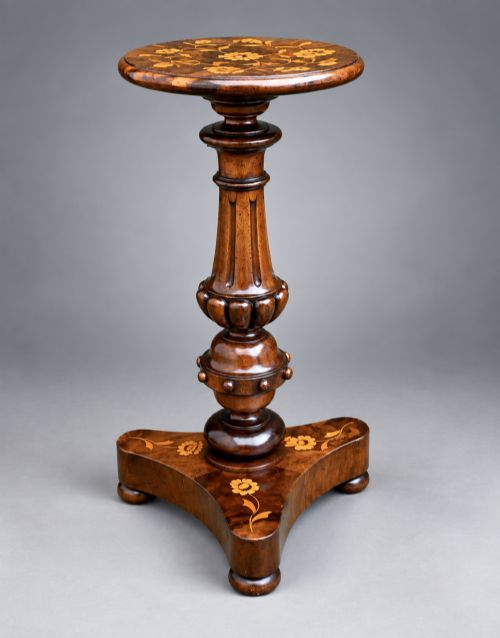
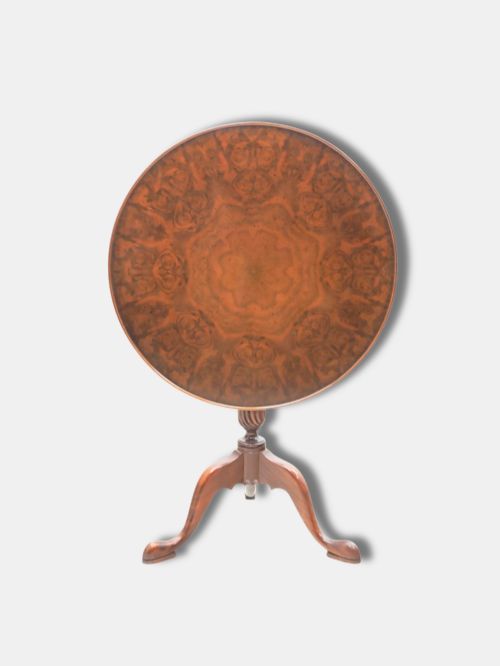
Walnut serves as the primary timber, often selected for its rich grain, while burr walnut and burr wood provide highly figured, decorative tops with complex patterns. Marquetry inlay, wood inlay, brass fittings, and occasional glass or marble inserts appear on finer examples.
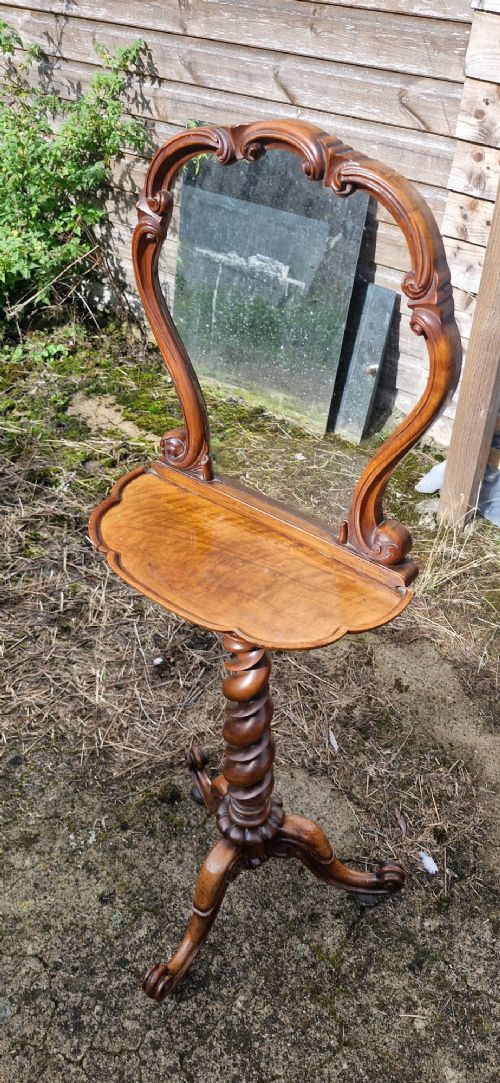
Makers utilised turned pedestals, barley twist columns, and carved tripod legs to support the tops. Many tables feature tilt-top mechanisms, snap tops, or adjustable height stems for functional versatility.
Some Victorian music stands include built-in candle arms so musicians could keep playing after the sun dipped below the parlour horizon.
Distinctions in quality
The choice of timber creates an immediate distinction, as highly figured burr walnut veneers and crisp floral marquetry inlay elevate a piece above plain timber. Finer examples display meticulous hand-carving on the tripod base and pedestal rather than mass-produced turning.
Proportion and stability dictate craftsmanship success, with superior pieces maintaining perfect balance across the three legs without relying on modern hardware. The integration of functional elements such as smooth tilt-top catches or brass adjustment screws marks the upper tier of execution.
The Walnut Tripod Stand Glossary
- Torchère
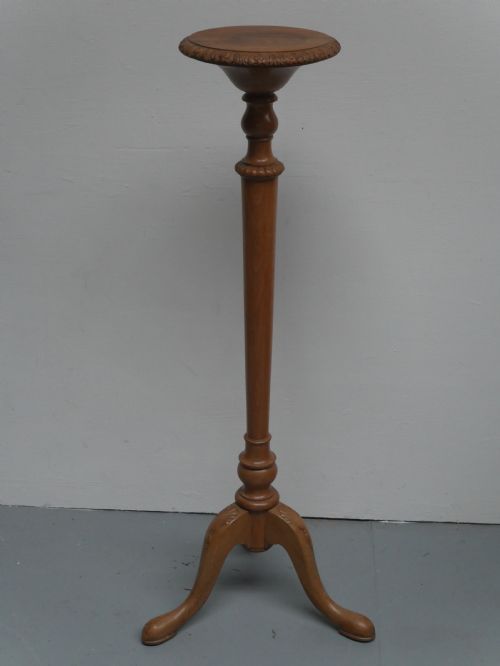
- A tall, slender stand designed to hold a candle or lamp. These pieces often feature ornate carving and elevated platforms.
- Snap top
- A table mechanism allowing the top to pivot vertically against the pedestal for convenient storage. This feature is common on Georgian and 18th-century wine tables.
- Burr walnut
- Wood taken from the warted excrescence of a walnut tree, yielding swirling, highly decorative grain patterns. Cabinet makers prized this veneer for table tops.
- Pie crust
- A carved, raised, undulating edge along the perimeter of a circular table top. This decorative moulding resembles pastry work found on baking.
Walnut Tripod Stand: Frequently Asked Questions
What is a tripod stand used for?
These pieces serve primarily as small accent furniture for holding lamps, drinks, books, or decorative plants in compact spaces.
Their sturdy three-legged design allows them to fit easily beside armchairs or in empty corners.
How do I identify a Georgian walnut stand?
Georgian examples often feature simpler, elegant proportions with plain walnut or subtle inlay, utilising snap-top mechanisms.
Look for honest patination and traditional joinery rather than the heavier carvings typical of later periods.
Can I use these tables for modern lamps?
Lamp tables and wine tables provide an ideal surface for modern lighting, adding warmth and character to contemporary rooms.
Ensure the weight of the lamp matches the stability and surface area of the specific stand.
What is the difference between a torchere and a wine table?
Torchères are taller, slender stands originally meant to elevate light sources or display figures and plants.
Wine tables stand lower to the floor, designed specifically to sit beside seating for holding glasses or cups.