


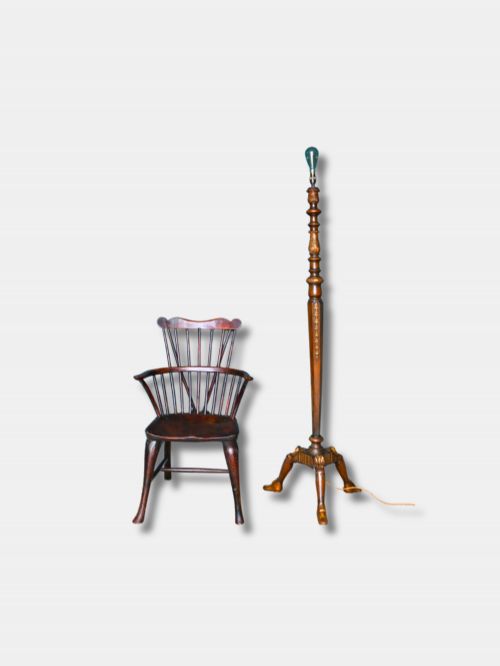


Tall Walnut Stand
When you search for a tall walnut stand, you are looking at vertical timber furniture that lifts plants, lights, and clocks into the room.
Tall Walnut Stand
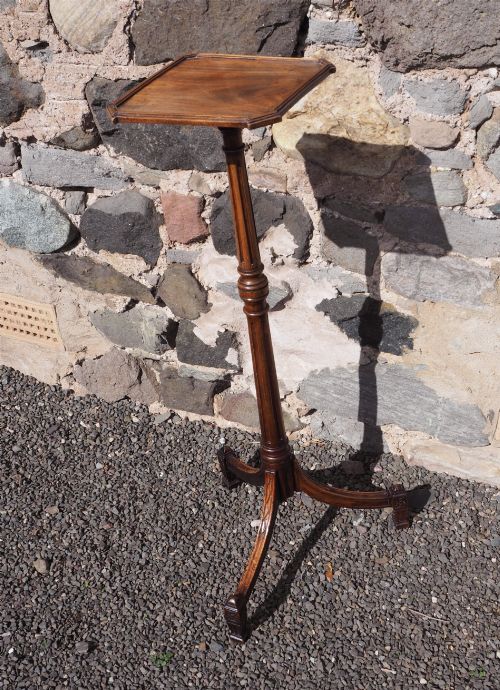
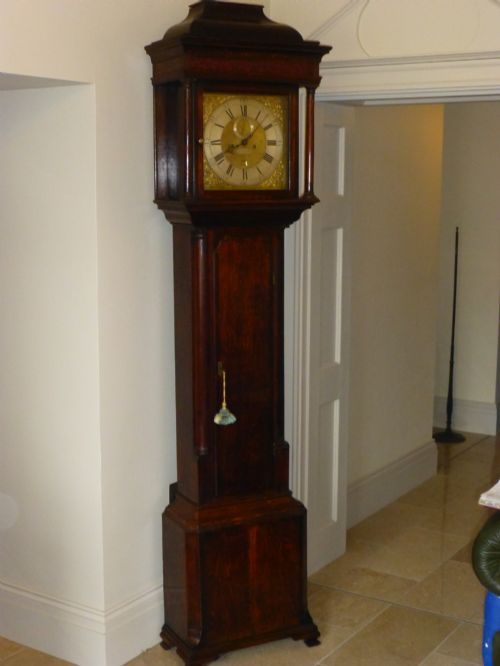
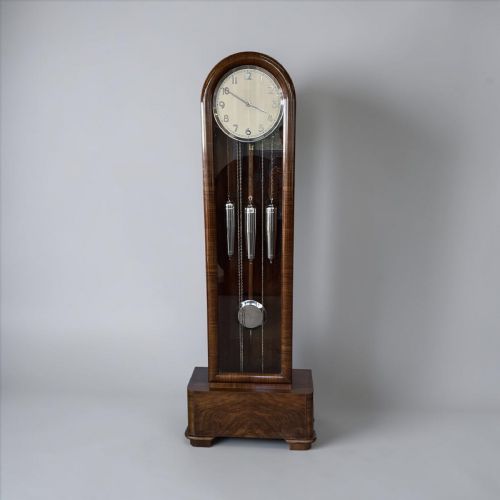
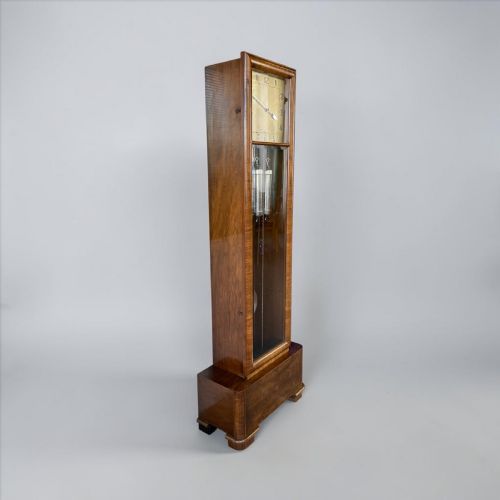
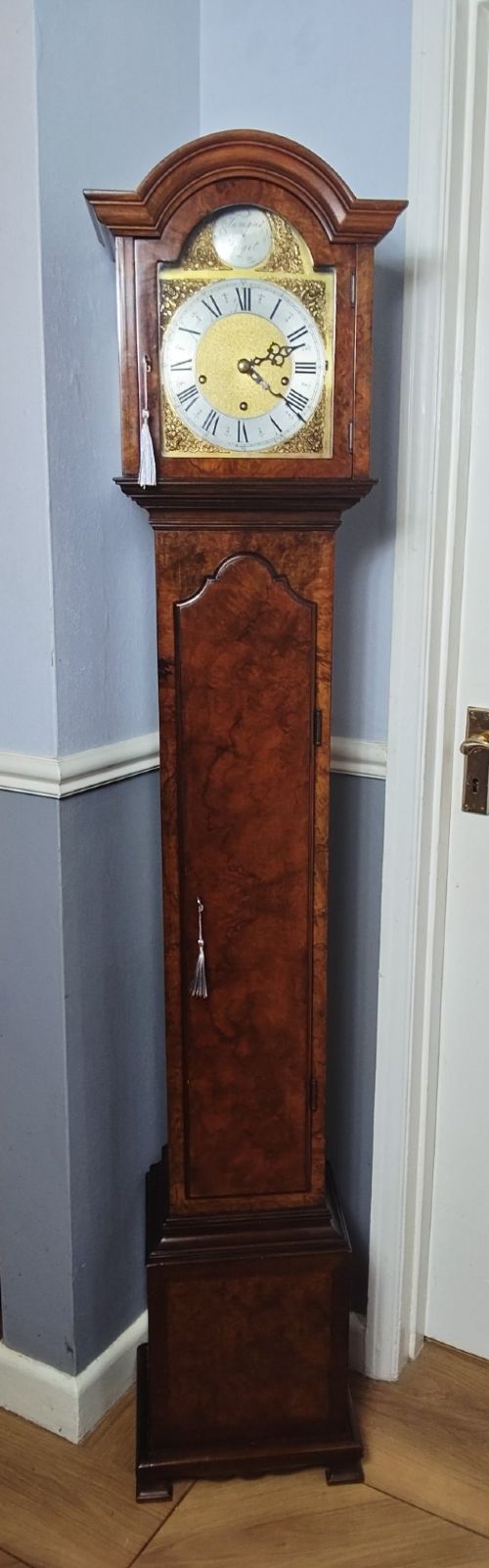
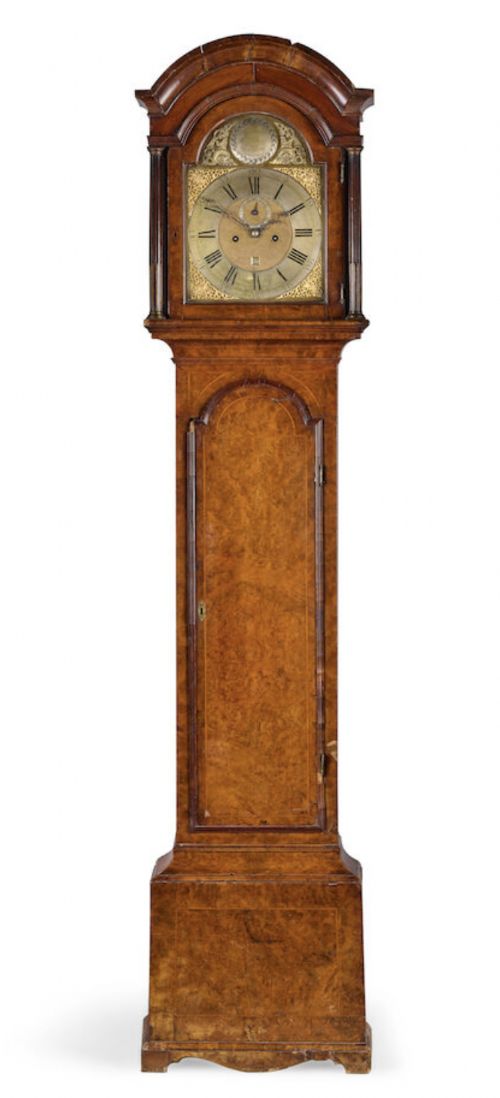
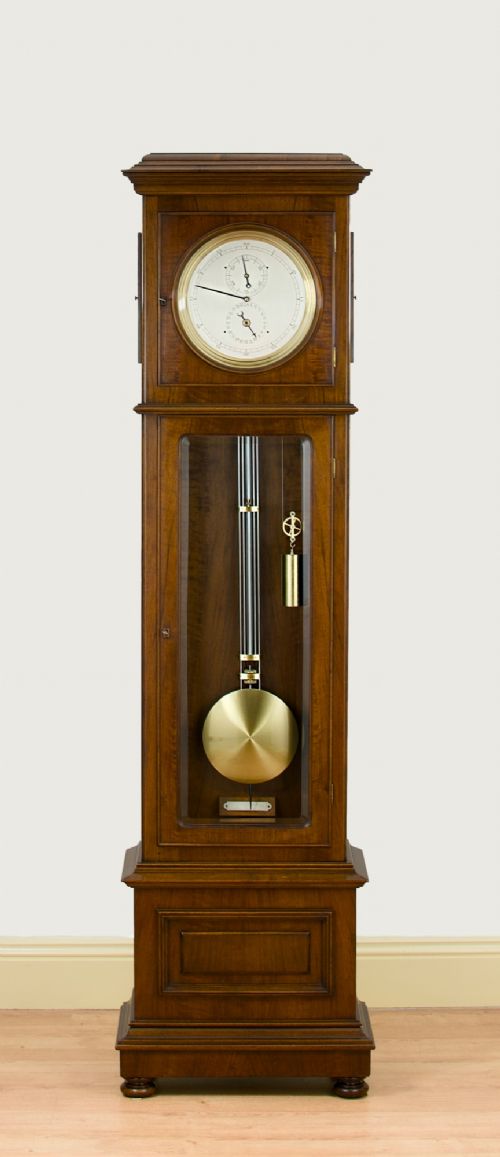
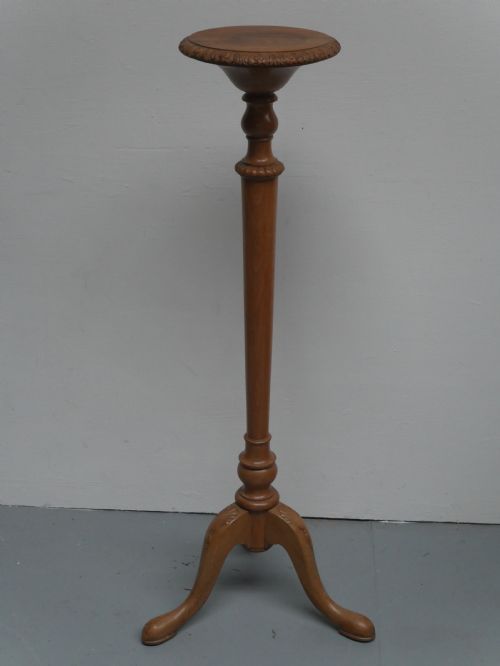
A tall walnut stand encompasses several distinct vertical forms designed to elevate objects or display stature within a room. When you examine this selection, you will encounter tallboy chests on stands, torchères, pedestals, plant stands, and standard lamps alongside longcase clocks.
The objects span from the seventeenth century through the Georgian and Victorian eras into the twentieth century, including Art Deco and revival pieces. Chests on stands combine drawer storage with elevated bases, while torchères and pedestals provide slender platforms for display.
Originating across English, French, and Dutch workshops, these tall items serve both decorative and functional purposes in domestic interiors. The variety reflects shifts in taste from elaborate marquetry and oyster veneers to clean Art Deco geometry.
How they were made
Makers utilised solid walnut and figured veneers such as burr walnut, applying them over secondary woods like oak and mahogany. Cabinetmakers exploited the natural grain patterns of the timber, creating symmetrical book-matched surfaces on drawer fronts and tabletops.
Construction techniques include dovetail joints for drawers and mortise and tenon joints for frames and stands. Details such as brass handles, glass doors, marble inserts, and carved elements complete the construction of these elevated pieces.
One dressing mirror on offer originally served in a gents' outfitters before finding a second life in a domestic interior.
What varies in quality
Quality in a tall walnut stand rests upon the choice of timber and the precision of the cabinetwork. Pieces featuring deeply figured burr walnut veneers or intricate floral marquetry display a higher level of artisanal skill than plain walnut surfaces.
The integrity of the construction, from the crispness of carved details to the retention of original brass hardware and proportional balance, determines the standing of an individual piece within its period.
Richard Corless·Windmills and Wightman·Lenzkirch·Harry and Lou Epstein·Edward East·Joseph Knibb·Samuel Young·Edward Stanton
The Tall Walnut Stand Glossary
- Torchère
- A tall, slender stand designed to hold a candle or lamp. These elevated pieces often feature circular tops supported by carved columns or tripod bases.
- Chest on stand
- A cabinet with drawers raised on a separate frame or base. This form lifts storage capacity off the floor, characteristic of seventeenth and eighteenth-century design.
- Burr walnut
- Timber taken from the gnarled growths of a walnut tree, yielding swirling grain patterns. Cabinetmakers sliced this wood into thin veneers for decorative surfaces.
- Marquetry
- Inlay work using various coloured woods to form decorative patterns. Artisans cut floral and geometric designs into the primary walnut surface.
- Oyster veneer
- Thin circular slices cut across small branches of walnut, resembling oyster shells. When arranged across a surface, these veneers create a distinctive repeating pattern.
Tall Walnut Stand: Frequently Asked Questions
What is a tall walnut stand used for?
These pieces serve various practical and decorative roles depending on their specific form. Chests on stand provide elevated drawer storage, while torchères and pedestals display lamps, plants, or decorative items at eye level.
Longcase clocks combine vertical presence with timekeeping functionality. Each variant brings height and timber warmth to interior spaces.
How can I tell a seventeenth-century piece from a revival one?
Early pieces display authentic construction methods, hand-cut dovetails, and period-specific timber usage like oyster veneers or marquetry. Revival items from later centuries often combine older styles with modern joinery techniques and standardised hardware.
Examining the secondary woods inside drawers and the wear patterns on the base helps clarify the age. Comparing the overall patina assists in distinguishing original period items from twentieth-century reproductions.
Where should I place a tall stand in a room?
Their vertical profile makes them suitable for corners, entrance halls, or flanking larger pieces of furniture. Plant stands and torchères perform well near windows or seating areas where they can support light sources.
Heavier items like chests on stands require stable wall placement to secure their height. Ensuring adequate clearance around the piece highlights its proportions.
What maintenance do walnut stands require?
Regular dusting with a soft cloth preserves the timber surface. Applying appropriate wax periodically nourishes the walnut and maintains the sheen of the veneer.
Keeping pieces away from direct sunlight and excessive heat sources prevents the wood from drying out or warping. Gentle care protects the polish and structural integrity over time.