


Antique Walnut Stand
When you search for an antique walnut stand, you are looking at timber furniture made to elevate objects, books, or hats.
Antique Walnut Stand
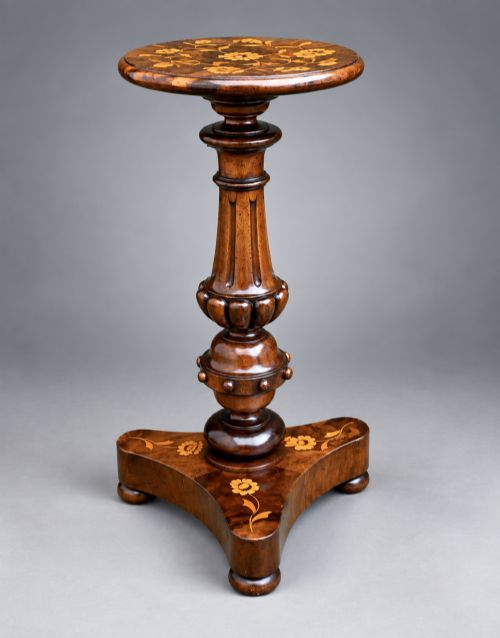
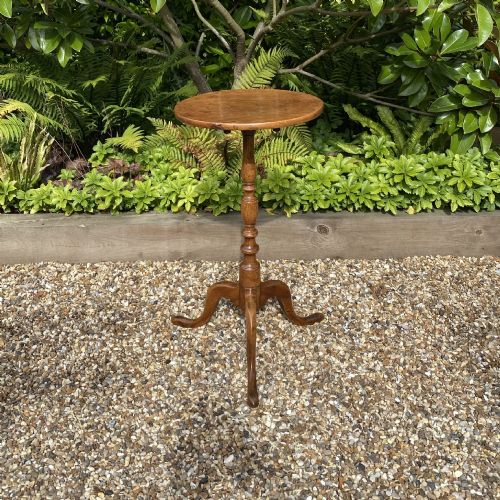
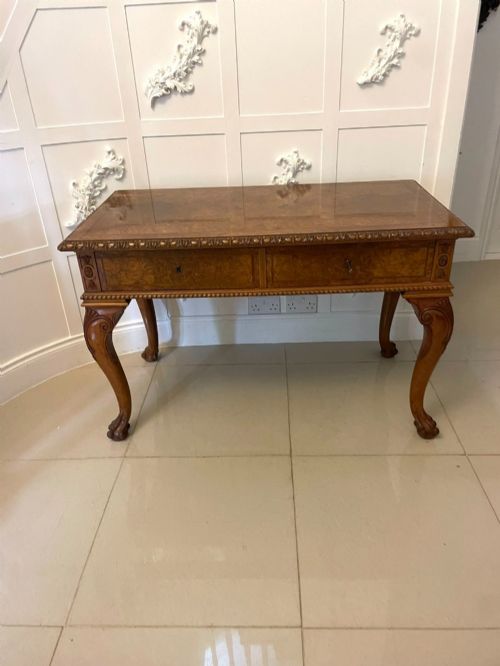
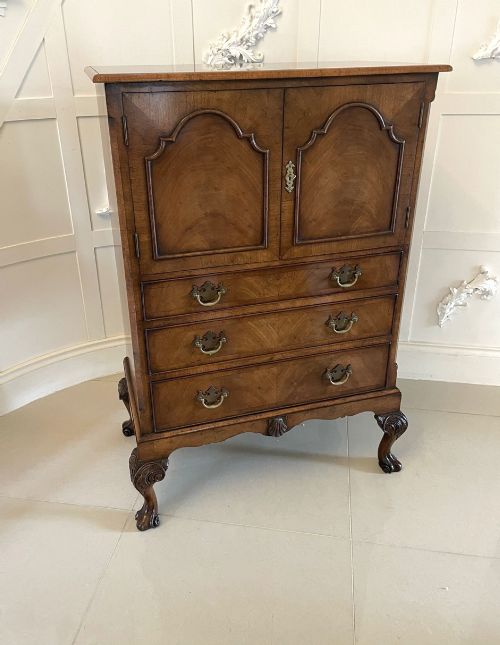
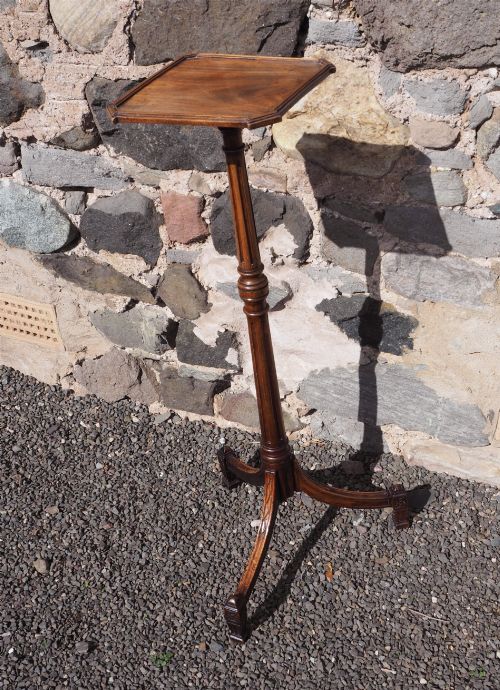
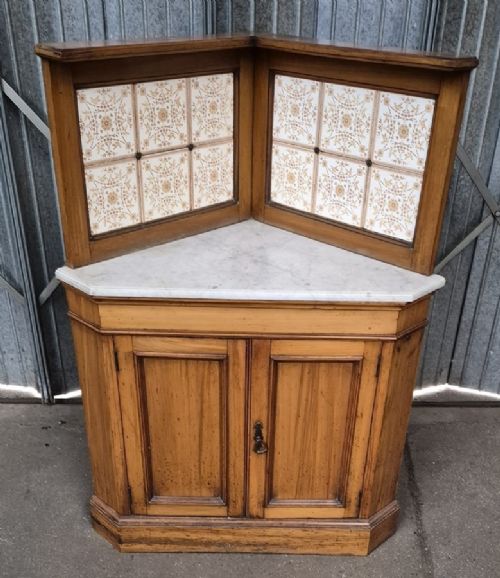
An antique walnut stand encompasses a varied group of functional household items designed to hold or display specific objects above the floor. You will encounter forms ranging from plant stands and torcheres to hall stands equipped with brass hooks, alongside occasional tables and small chests raised on frames.
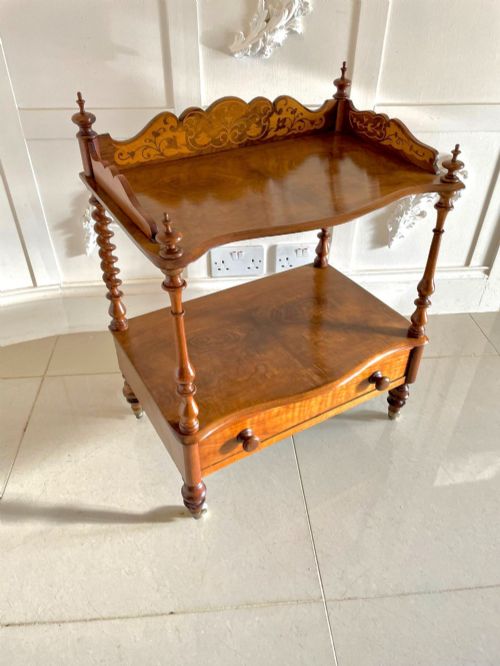
The pieces appearing on this page span several centuries and design movements, with a heavy representation of Victorian and Edwardian examples alongside 18th-century and 1920s interpretations. Many make use of figured timbers or marquetry inlay to add decorative presence to a practical room accessory.
While some items serve as simple surfaces for a lamp or a candle, others are built for specific tasks such as holding sheet music, hanging coats, or supporting a basin. This diversity means that selecting a stand depends entirely on the domestic purpose it needs to fulfil in a modern interior.
How they were made
Cabinet makers utilised solid walnut as well as walnut veneers, frequently selecting burr walnut to create highly figured, patterned surfaces on tabletops and drawer fronts. Secondary woods such as oak, mahogany, or pine often form the internal carcases and structural supports hidden beneath the visible exterior.
Decoration was achieved through a variety of traditional techniques including marquetry inlay, ormolu mounts, brass fittings, and carved detailing. These methods required precise hand-craftsmanship, particularly when applying delicate veneers or shaping serpentine table edges.
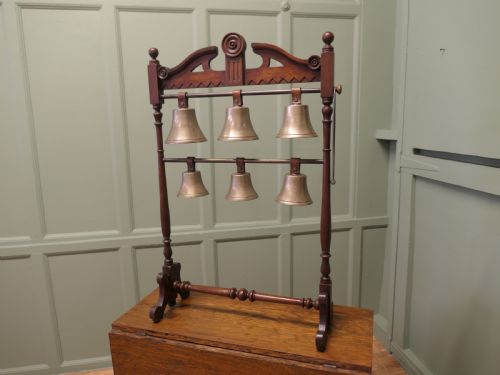
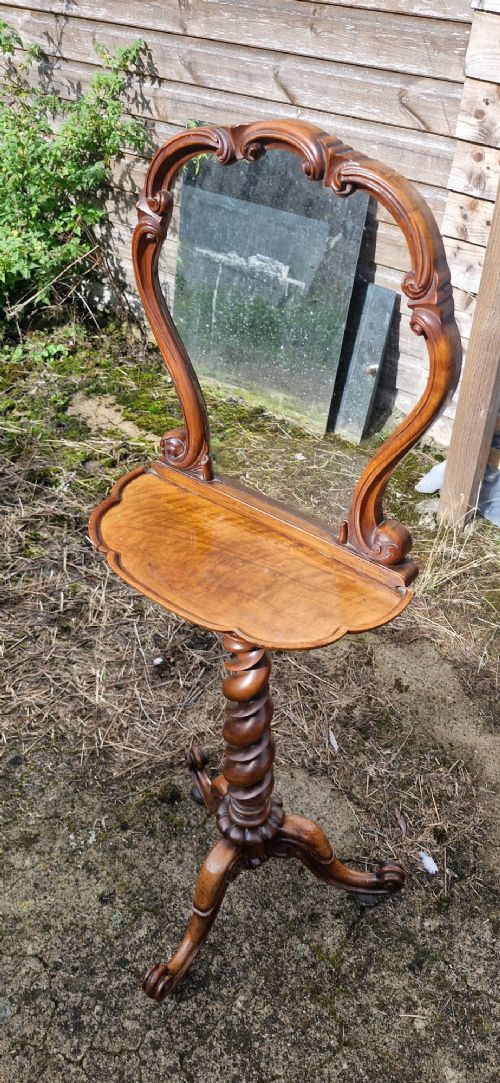
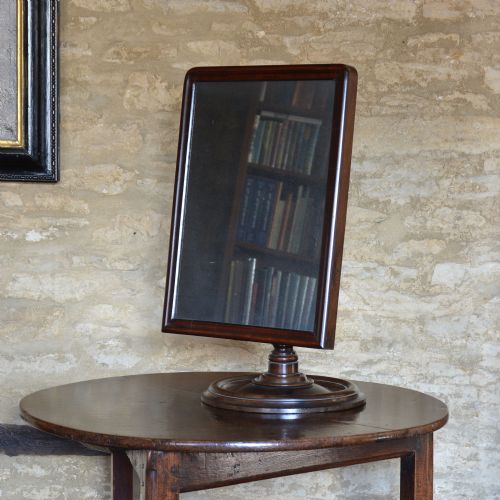
Several stands double as musical storage or shaving mirrors, proving ancestors had very specific hobbies.
What varies in quality
The division between standard workshop production and superior cabinet making rests in the selection of the timber and the depth of the carving. Exemplary pieces display intensely figured burr walnut matched symmetrically across panels, whereas lesser examples rely on plain, unadorned surfaces.
Construction methods also dictate grade, with finer items demonstrating meticulous joinery, substantial brass or ormolu hardware, and crisp, hand-cut details rather than mass-produced ornamentation.
Gabriel Viardot·Shoolbred and Co·Richard Corless·Maple and Co
The Antique Walnut Stand Glossary
- Burr walnut
- A type of timber taken from the gnarled growths on walnut trees, prized for its swirling, highly decorative grain patterns.
- Torchiere
- A tall, slender stand originally designed to hold a candle or torch, frequently seen in carved walnut.
- Marquetry
- The art of applying decorative pieces of veneer to a structure to form intricate floral or geometric patterns.
- Canterbury
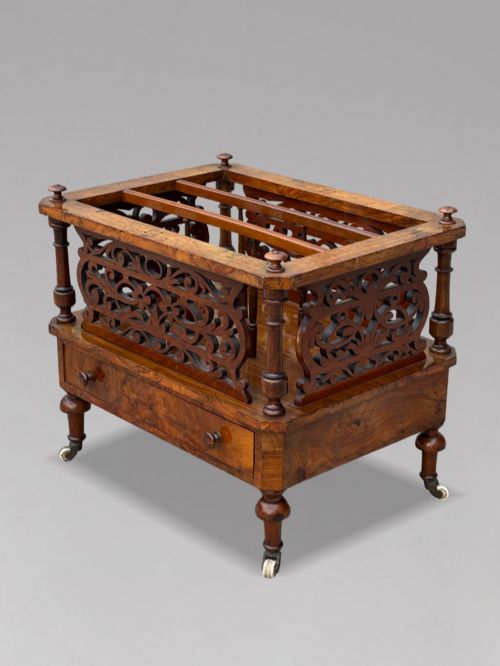
- A low, partitioned stand used originally for holding sheet music, magazines, or folios.
- Ormolu
- Gilded bronze mountings applied to furniture for decorative enrichment.
Antique Walnut Stand: Frequently Asked Questions
What is a hall stand used for?
A hall stand provides an organised station near an entrance for hanging coats and hats on integrated brass hooks, while often incorporating a surface or tray for small personal items.
They were essential pieces in period hallways, keeping everyday outerwear tidy and accessible before guests entered the main rooms.
How do I care for antique walnut?
Antique walnut surfaces benefit from minimal intervention, requiring only a soft, dry cloth for dusting and protection from direct sunlight and sudden humidity changes.
Applying a traditional beeswax polish occasionally helps nourish the timber and maintain its natural lustre without building up heavy chemical residues.
How can I tell a Victorian stand from an 18th-century one?
Victorian stands often feature dense burr walnut veneers, elaborate marquetry, and heavier proportions influenced by historic revival styles, whereas 18th-century examples tend to display simpler, more structural lines using figured walnut.
Examining the secondary woods inside the construction and the style of the carving generally clarifies the period of manufacture.
Can I use a plant stand for a lamp?
A sturdy plant stand or torchiere provides a suitable platform for a small table lamp, provided the top surface diameter matches the base of the lighting fixture.
Their narrow footprints make them useful for lighting dark corners where a standard square side table would take up too much floor space.