





Walnut Slant Top Desk
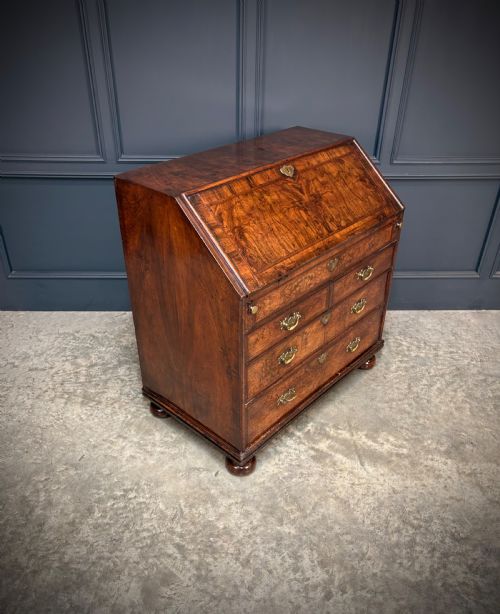
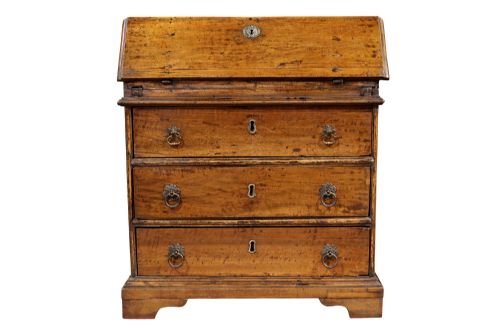
A walnut slant top desk offers a sloping writing flap that opens to reveal fitted drawers and pigeonholes.

Walnut Slant Top Desk
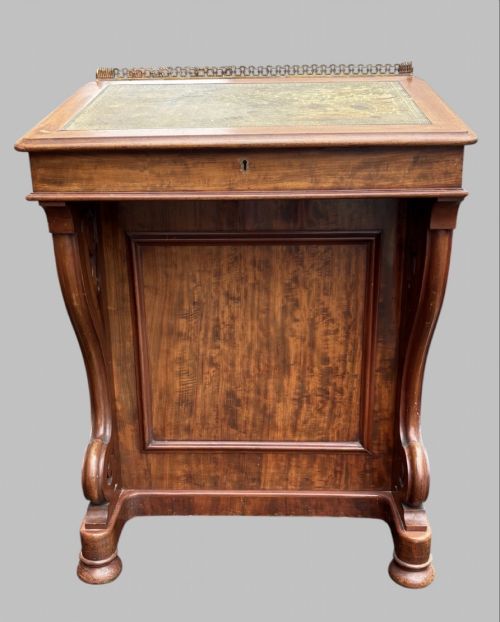
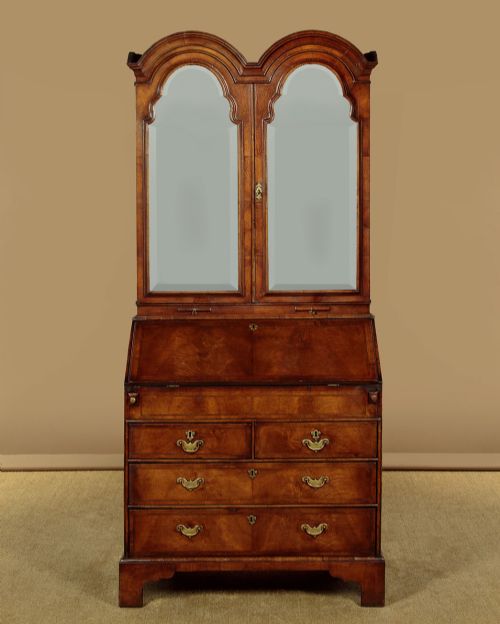
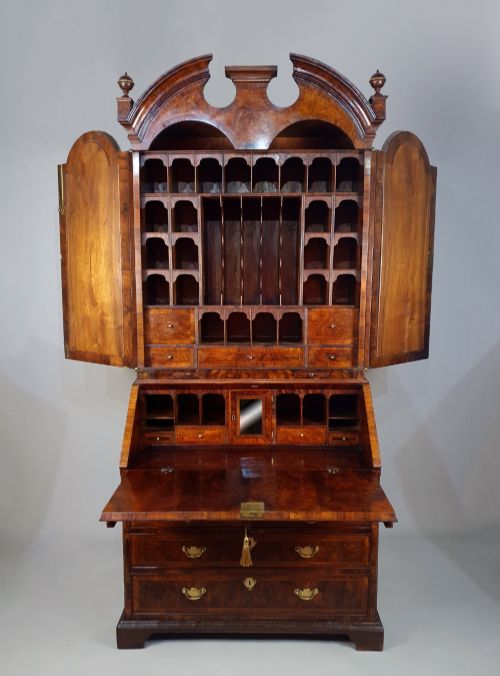
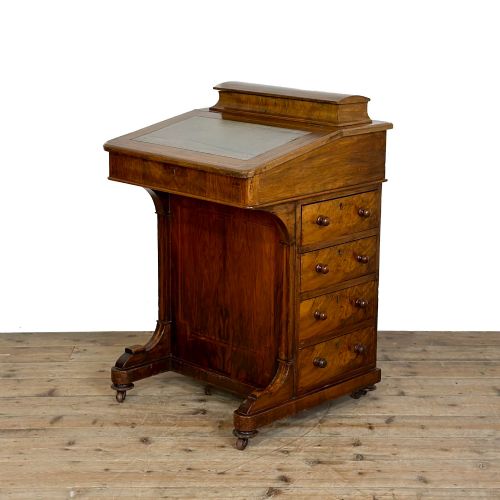
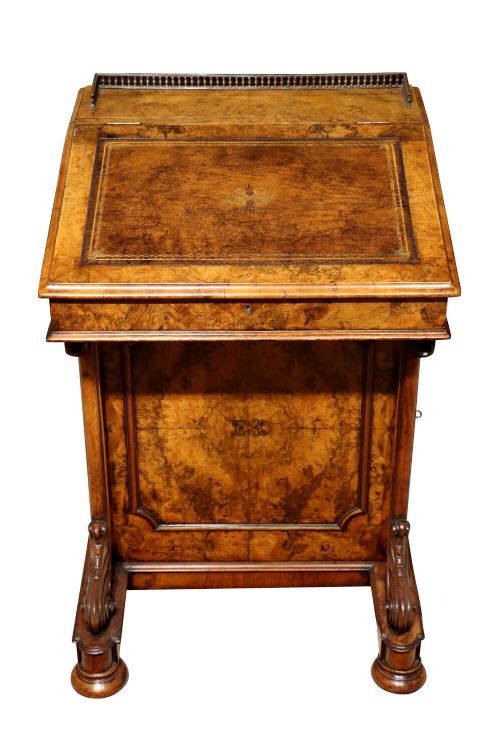
A walnut slant top desk combines a writing surface with concealed storage, appearing frequently as compact Davenport writing tables or taller bureau forms. The pieces span periods from the seventeenth century through the Victorian era, utilising George I, Queen Anne, and William and Mary design influences.
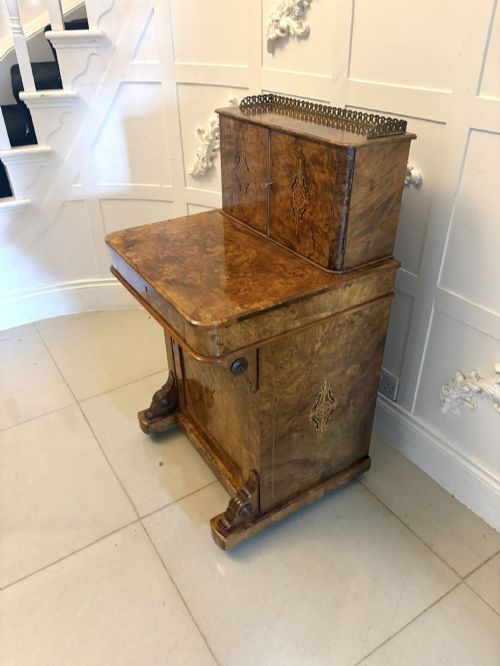
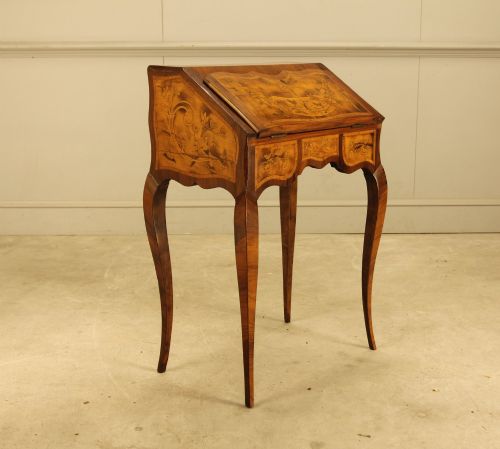
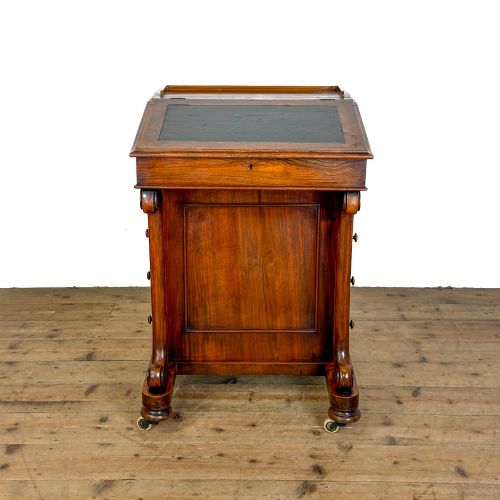
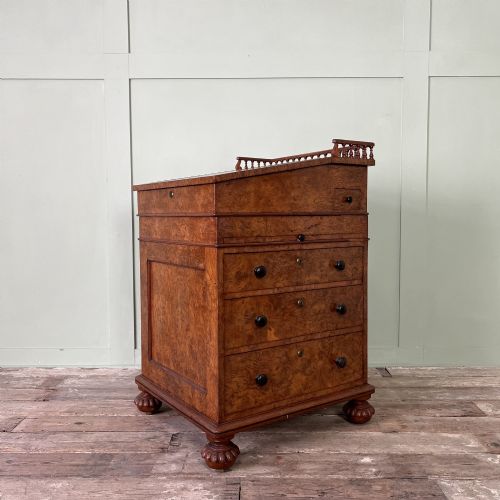
Buyers encounter substantial bureau bookcases with glazed upper sections alongside smaller nineteenth-century Davenport desks fitted with side drawers and interior satinwood. Solid and burr walnut veneers define the primary forms, accompanied by regional variations including Dutch marquetry details.
Materials and construction
Cabinetmakers utilised walnut and highly figured burr walnut veneers laid over secondary timbers such as oak and elm, often incorporating decorative herringbone banding and floral marquetry. Brass handles, escutcheons, and original ironwork secure the drawers and drop fronts.
Interiors contain small drawers and pigeonholes constructed from secondary woods like satinwood, while specialised variants integrate glass panels into upper bookcases and leather writing inserts onto sloped surfaces.
Walnut Slant Top Desk Retail Price Guide 2026
Typical asking prices for walnut slant top desk among the pieces listed under this phrase on Sellingantiques today, from the lower quarter to the upper quarter. They describe what is for sale here now, not the wider market.
The listings show walnut slant top desks spanning the seventeenth through the nineteenth centuries, incorporating oak, elm, brass, and iron.
Gradations in quality
The sophistication of the timber figure and the complexity of the internal configuration separate simpler desks from exceptional examples. Finely matched burr walnut veneers and intricate marquetry inlay indicate higher workshop standards.
The integrity of original brass or iron hardware and the retention of fitted internal compartments without later alterations dictate the standing of a piece within its period.
Gillow and Co·Maple and Co
The Walnut Slant Top Desk Glossary
- Bureau
- A writing desk with a sloping hinged lid that covers a compartment of drawers and pigeonholes. This form serves as the primary antecedent to the modern writing desk.
- Davenport
- A compact writing desk featuring a sloping top and drawers opening to the side. The form gained widespread popularity during the Victorian period.
- Burr Walnut
- Wood taken from a walnut tree growth that produces intricate, swirling grain patterns. Cabinetmakers prize this veneer for decorative exterior surfaces.
- Marquetry
- The art of applying pieces of veneer to a structure to form decorative patterns and pictures. Floral designs frequently appear on nineteenth-century pieces.
- Crossbanding
- A strip of veneer applied around the border of a panel with the grain running at right angles to the centre. This technique frames the primary wood surface.
Walnut Slant Top Desk: Frequently Asked Questions
How do I use a slant top desk?
The hinged flap drops forward to create a writing surface while keeping the interior compartments accessible. Papers and writing implements store directly beneath the slope.
Inside the desk, small drawers and pigeonholes organise correspondence and stationery. The main body drawers sit below the writing section for larger items.
What is a Davenport desk?
A Davenport is a compact writing desk with a sloped top, typically featuring drawers opening along the side rather than the front. Many examples date from the Victorian era.
The top section often includes a stationery box or pen tray. Their smaller footprint makes them suitable for residential placement where space is limited.
How do I date a walnut bureau?
Dating relies on construction methods, hardware types, and stylistic details such as bracket feet or cabriole legs. Early eighteenth-century pieces often feature herring-bone inlay and candle slides.
Victorian and later nineteenth-century iterations incorporate different interior woods like satinwood and heavier crossbanding. Comparing internal drawer construction helps verify the period.
What is a bureau bookcase?
A bureau bookcase combines a lower writing desk with an upper glazed cabinet for displaying books or ceramics. These architectural pieces often separate into two sections for transport.
They appear in walnut from the seventeenth and eighteenth centuries, frequently featuring fitted interiors and candle slides beneath the upper cabinet.