
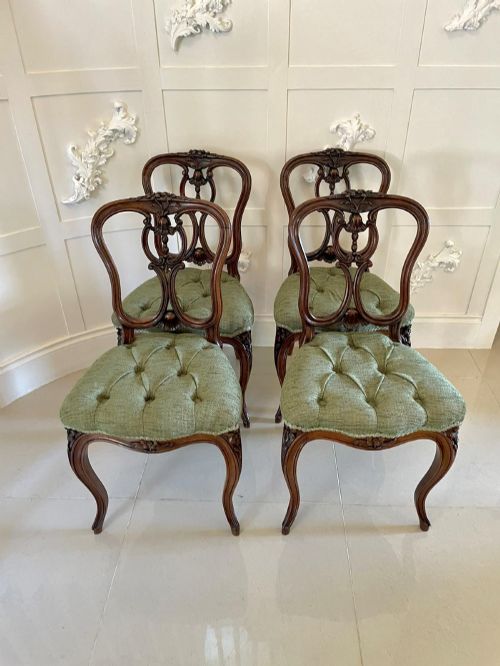


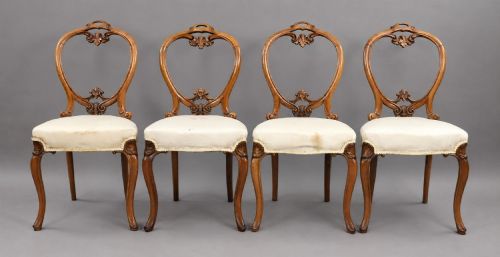
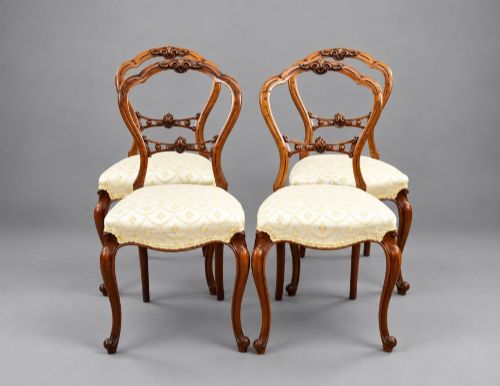
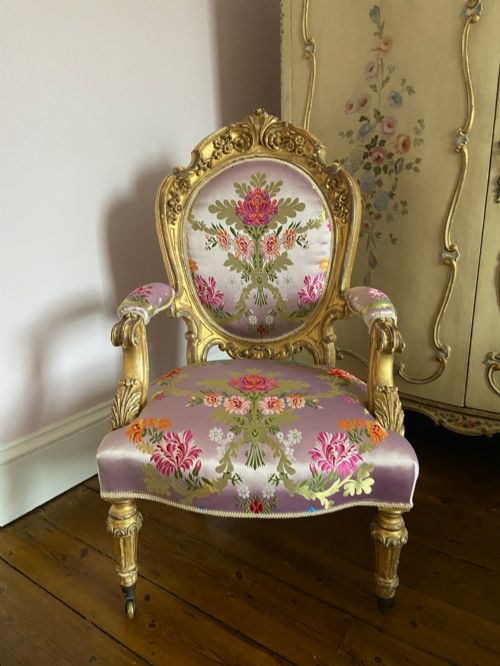
Walnut Salon Chair
A walnut salon chair combines rich, figured timber frames with refined upholstery, offering an elegant seat designed for formal reception rooms.
Walnut Salon Chair
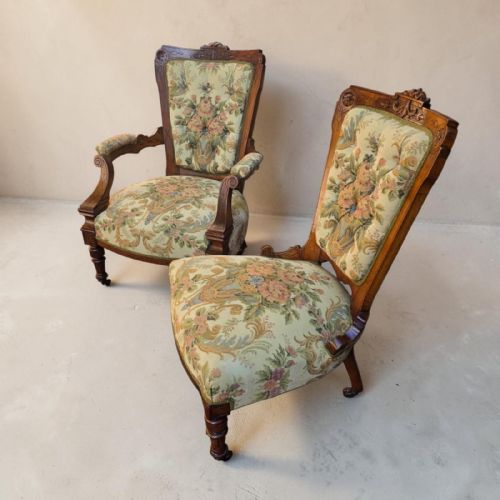
A walnut salon chair is a light, decorative seating form originating from formal reception and drawing rooms, spanning periods from the mid-nineteenth century onwards. These pieces typically present open wooden frames, curved supports, and upholstered seats or backs designed for display and polite conversation rather than heavy daily lounging.
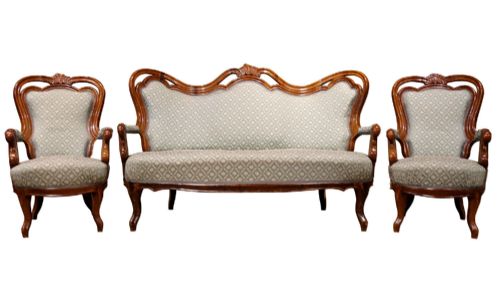
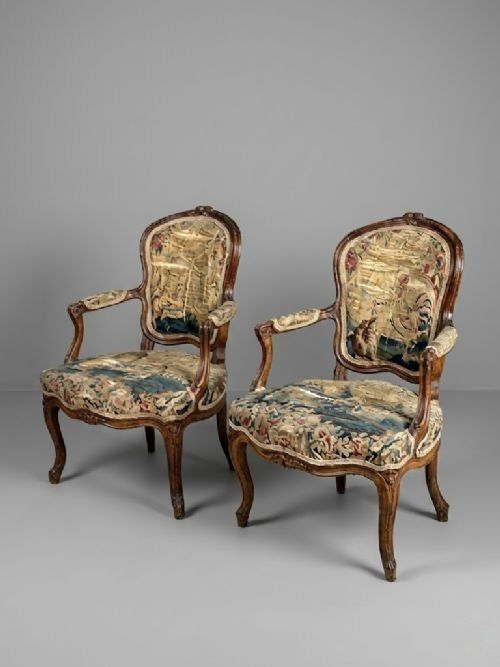
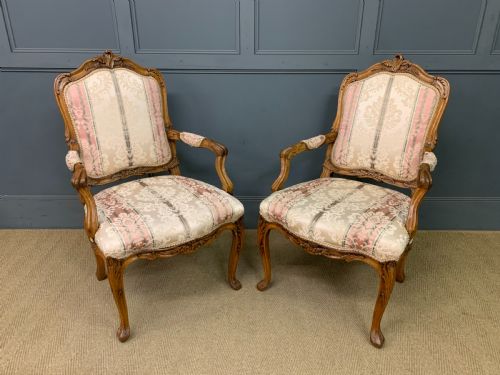
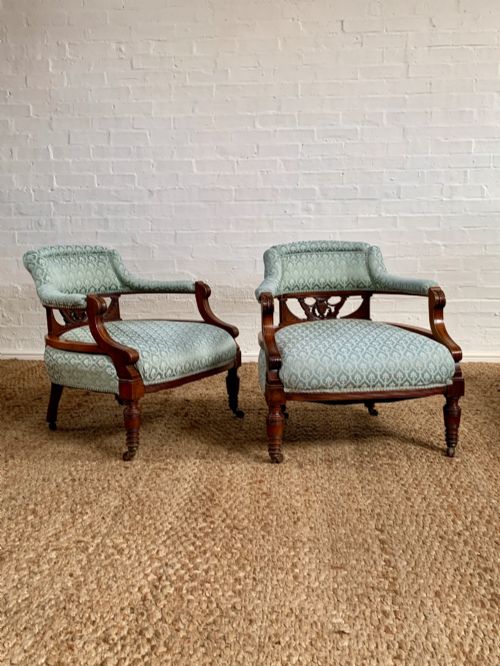
The versions most frequently encountered on this page belong to the Victorian and Edwardian eras, alongside continental French pieces bearing Louis XV and Rococo Revival styling. Forms range from single open armchairs and tub seats to matched pairs and larger multi-piece drawing room suites.
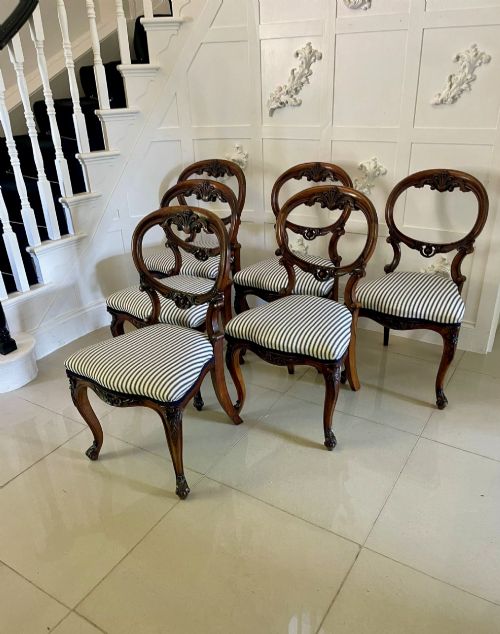
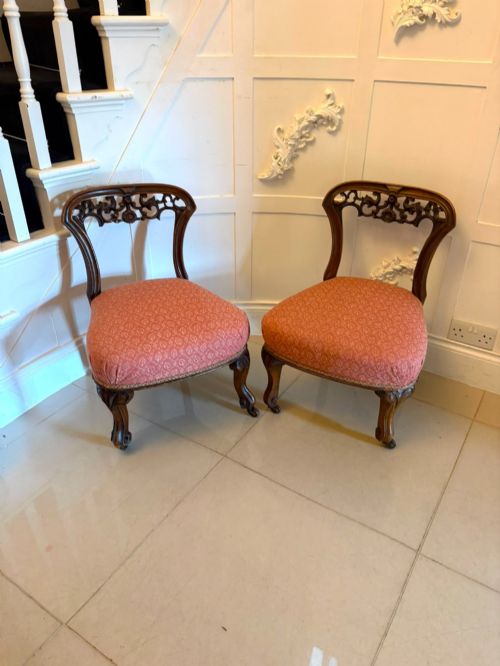
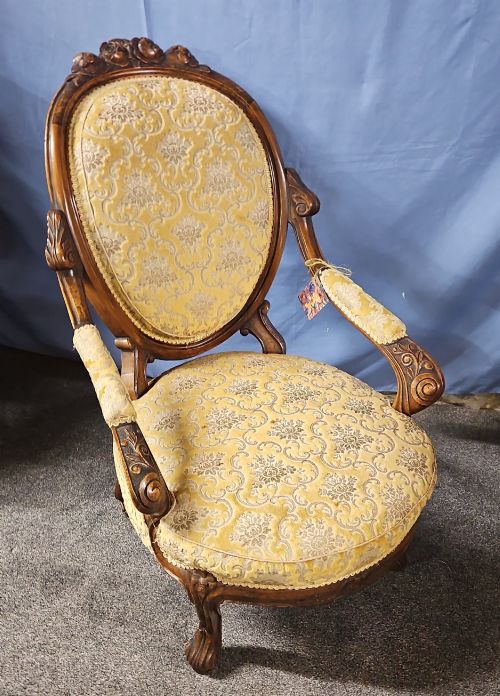
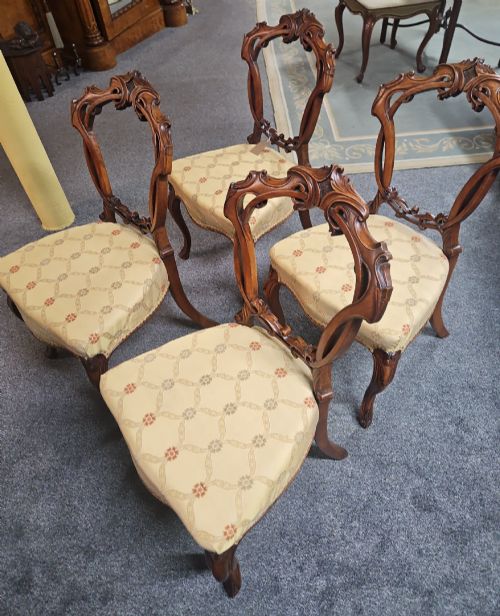
Makers utilised resilient walnut timber to carve intricate balloon backs, spoon backs, and serpentine frames, often pairing the exposed wood with silk, velvet, or needlepoint textiles. Side chairs and armchairs share these graceful proportions, functioning equally well as accent pieces in modern interiors.
Materials and Construction
Cabinetmakers constructed these frames primarily from solid walnut and burr walnut veneers, prized for deep grain patterns and a warm natural patina. Skilled hands shaped the timber using traditional joinery before applying hand-carved decorative motifs such as scrolling foliage and floral crests.
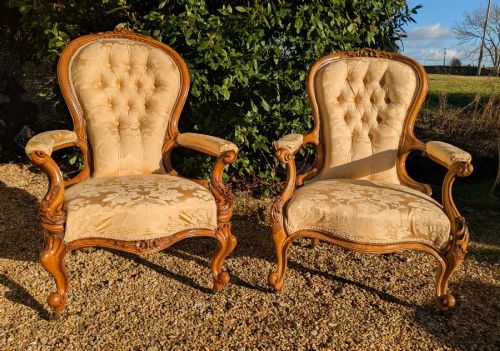
Upholstery techniques varied from traditional stuffed horsehair padding held with webbing and springs to button-backed tension. The resulting seats were finished with textile coverings including damask, velvet, silk, and Aubusson tapestry, secured with decorative brass tacking.
Walnut Salon Chair Retail Price Guide 2026
Typical asking prices for walnut salon chair among the pieces listed under this phrase on Sellingantiques today, from the lower quarter to the upper quarter. They describe what is for sale here now, not the wider market.
His and hers matching salon chairs offered nineteenth-century couples a coordinated spot to sit whilst judging their visitors.
Assessing Quality and Design
The standard of a walnut salon chair rests upon the depth and crispness of the carving across the show frame. Superior examples display fluid, hand-carved details integrated smoothly into the structural wood rather than shallow or mechanical machine milling.
Proportion and structural integrity define the higher tiers of craftsmanship. Finer pieces maintain rigid joints despite slender cabriole legs or delicate open arms, utilising dense timber selections like burr walnut that offer both visual richness and enduring strength.
The Walnut Salon Chair Glossary
- Balloon back
- A rounded, oval-shaped wooden chair back resembling a balloon, commonly found on mid-nineteenth-century seating. This profile offers comfortable lumbar support while showcasing the grain of the walnut frame.
- Spoon back
- An upholstered chair back shaped with a concave dip that mirrors the bowl of a spoon. This ergonomic Victorian design cradles the sitter.
- Show frame
- The exposed wooden structure of an upholstered chair that remains visible around the padded sections. Carved walnut show frames define the aesthetic character of revival-style seating.
- Aubusson
- A traditional tapestry weave originating from French workshops, utilised for luxury chair coverings. These woven panels depict floral or pictorial scenes.
Walnut Salon Chair: Frequently Asked Questions
How do I date a salon chair?
Dating relies on observing structural forms, wood types, and decorative styles. Mid-nineteenth-century examples often exhibit balloon backs and elaborate Victorian carvings, whereas later Edwardian pieces tend toward lighter tub shapes.
Matching the upholstery style with known period revivals helps narrow the decade of production. Examining the construction methods inside the seat frame also reveals the era of manufacture.
Were these chairs meant for daily use?
These chairs were originally built for formal drawing rooms and sitting rooms where guests gathered for conversation. Their lighter frames and delicate carving made them less suited for rugged, everyday lounging.
In modern homes, they perform admirably as occasional or accent chairs. Placing them in low-traffic areas preserves the historic woodwork and delicate upholstery.
How do I care for antique walnut frames?
Maintaining walnut frames requires keeping them away from direct sunlight and dramatic temperature fluctuations. Gentle dusting with a dry microfibre cloth prevents particle buildup without harming the polished finish.
Applying specialised wax sparingly helps nourish the timber and preserve its natural sheen. Avoid liquid polishes containing silicones that can degrade historic wood surfaces over time.