
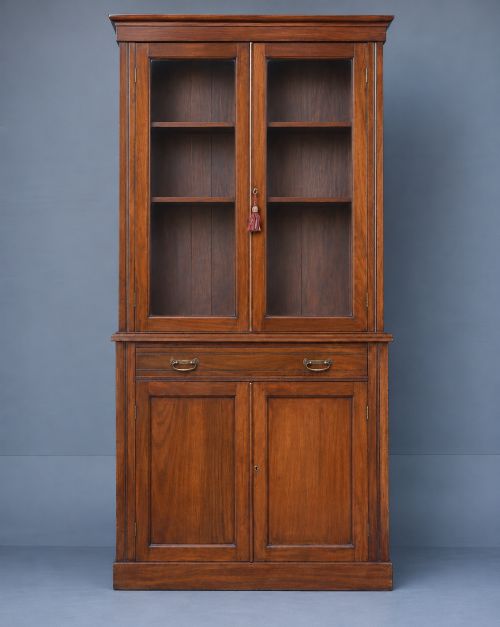
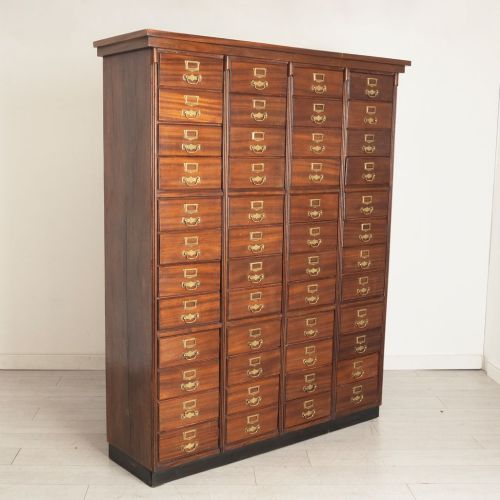
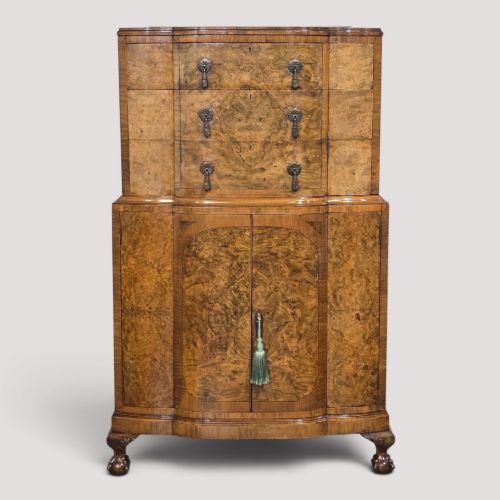
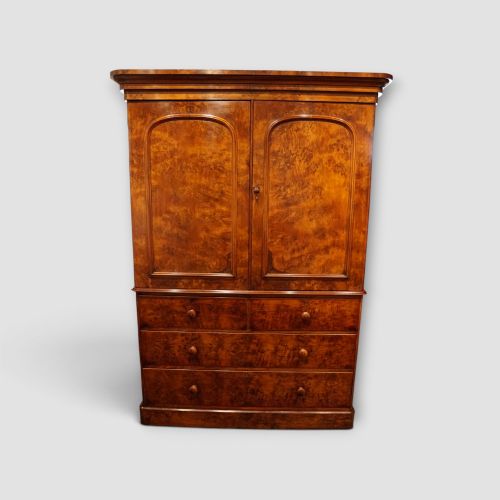

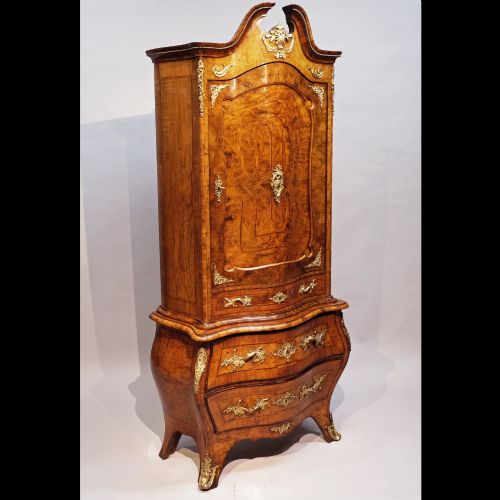
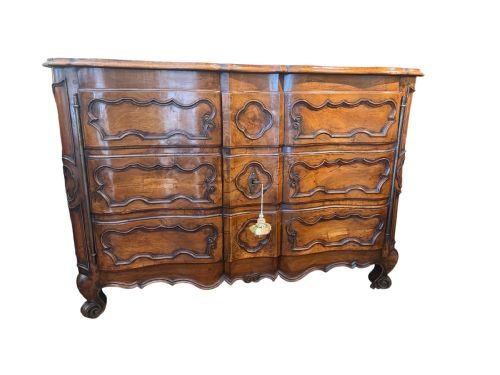
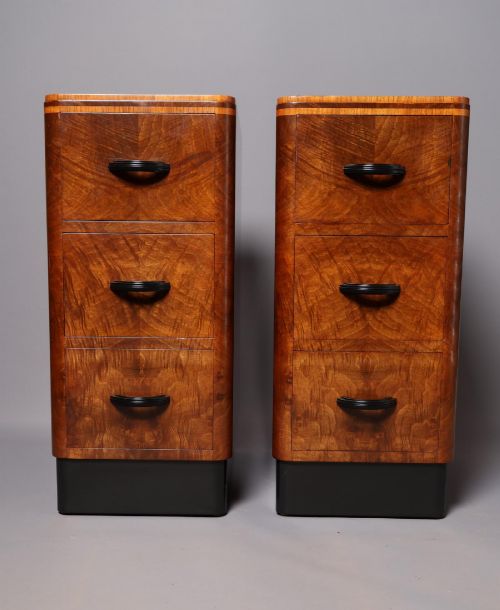
Walnut Cupboard on Drawers
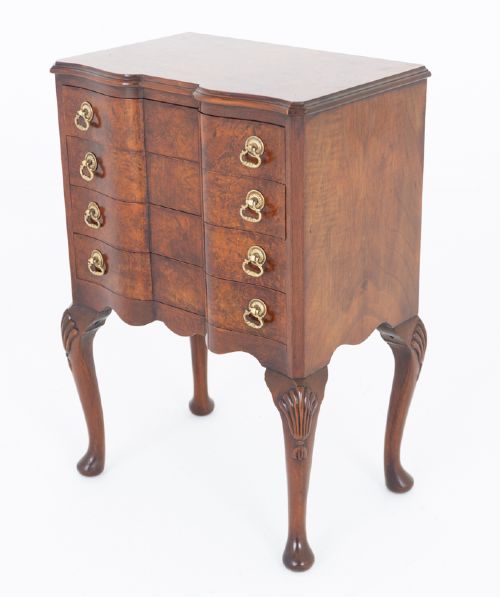
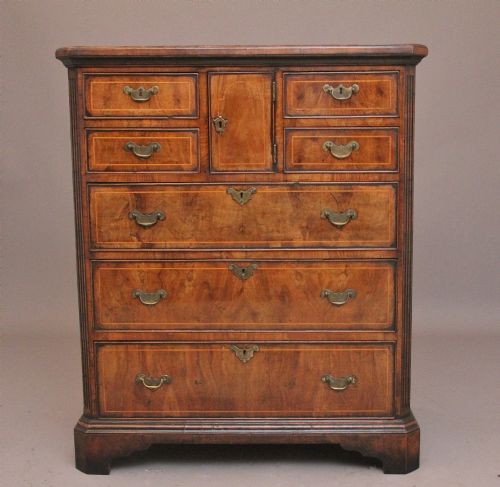
Walnut cupboard on drawers pieces combine generous upper storage with lower chest sections, bringing rich timber figure and practical utility to period interiors.
Walnut Cupboard on Drawers
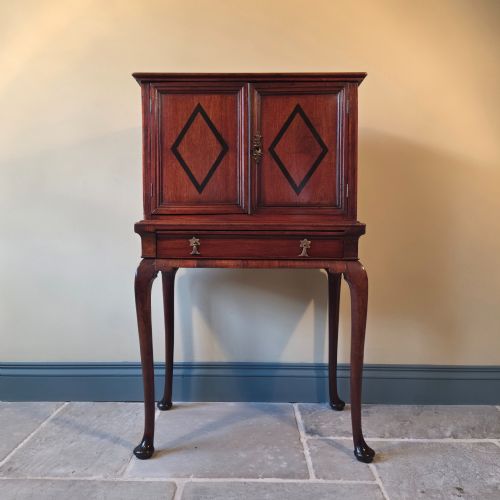
When searching for a walnut cupboard on drawers, buyers encounter a diverse selection of furniture spanning multiple centuries, from 17th century origins to Art Deco interpretations. The forms include tallboys, linen presses, cabinets on chest, and combination wardrobes that merge enclosed upper shelving with sliding drawer storage below.
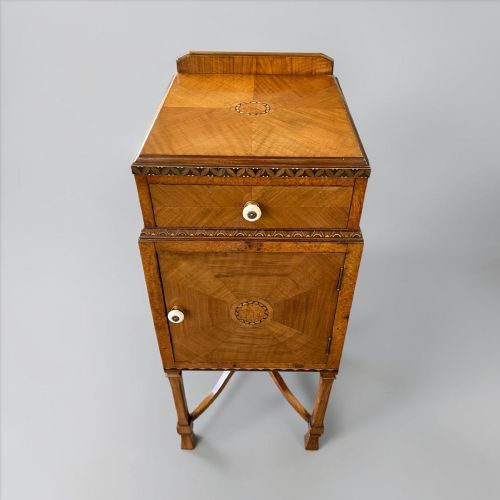
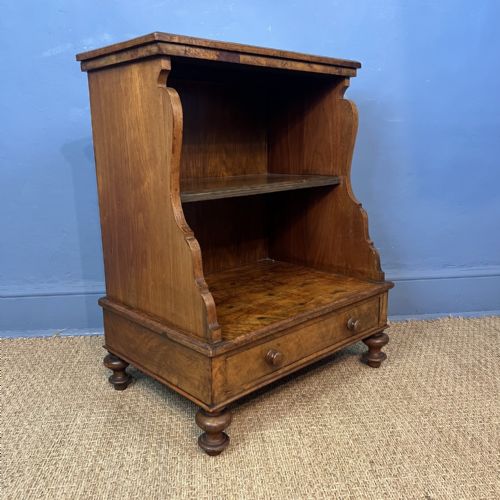
The pieces appearing on this page stretch across the Victorian era, the 18th century, and early 20th century revivals, showing how cabinetmakers repeatedly returned to this stacked architectural format. Alongside traditional cabinet on chest designs, buyers regularly meet smaller bedside versions and commode cupboards utilising the same stacked configuration on a domestic scale.
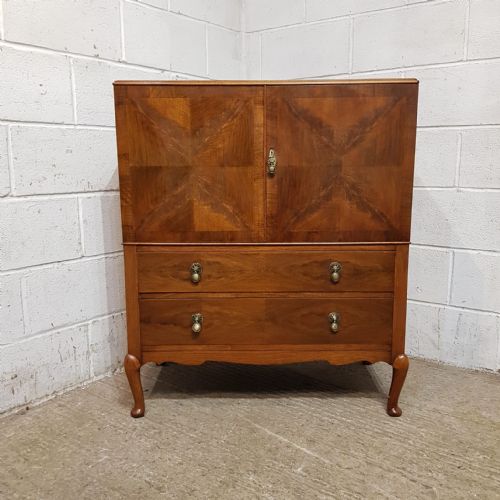
Origin and period dictate the character of each piece, ranging from formal early Georgian walnut grain to decorative French provincial marquetry and streamlined 1930s forms. This mix of periods ensures that whether a room calls for austere early proportions or figured burr veneers, the fundamental form remains consistently functional.
How they were made
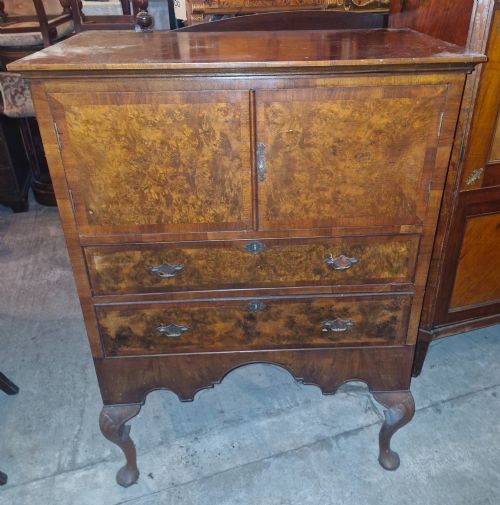
Cabinetmakers constructed these pieces using solid timber carcases faced with figured walnut and burr walnut veneers, carefully selected to create symmetrical grain patterns across the front drawers and cupboard doors. Secondary timbers such as oak and ash formed the internal drawer linings and structural framing, providing stability for the heavy stacked carcases.
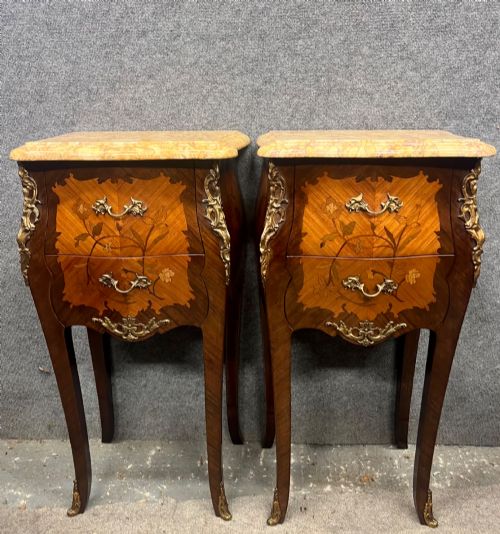
Surface ornament relied upon marquetry, parquetry, and crossbanding, alongside cast brass drop handles and escutcheons that punctuated the dark figured wood. Later pieces incorporated contrasting materials like marble tops and ormolu mounts, reflecting the shifting tastes of the Victorian and Art Deco periods.
Construction techniques evolved from early dovetailed solid wood framing to sophisticated veneering methods over softwood and hardwood cores, allowing makers to achieve dramatic curved serpentine fronts and bombe profiles without warping.
Listings feature walnut cupboard on drawers pieces spanning the 17th century through to Art Deco periods, utilising burr walnut, brass, and marble.
What varies in quality
Quality in these stacked cabinet pieces rests primarily upon the choice and matching of the walnut veneer, where continuous grain patterns across multiple drawers distinguish superior workshop output from utilitarian production. The depth of figure in burr walnut and the crispness of inlaid marquetry define the visual hierarchy between standard domestic furniture and high-end cabinet work.
Structural integrity of the stacked joint between the upper cupboard and the lower chest section separates fine cabinetmaking from basic assembly. Well-made examples maintain flush drawer alignment and smooth running drawers despite the heavy downward pressure exerted by tall upper cupboards.
Holland and Sons·Waring and Gillows·Betty Joel·Bowman Brothers
The Walnut Cupboard on Drawers Glossary
- Burr walnut
- A figured veneer harvested from the growth excrescences on walnut trees, prized for its swirling, mottled grain patterns. It was frequently utilised on primary display surfaces during the 18th century and later revival periods.
- Cabinet on chest
- A two-part furniture form featuring an enclosed upper cupboard resting upon a lower base of drawers. This architectural arrangement maximised vertical storage floor space.
- Tallboy
- A tall chest of drawers topped by a further shallow drawer or cupboard section. These pieces offered substantial vertical storage capacity in modest bedroom footprints.
- Marquetry
- The art of applying decorative pieces of veneer to a structural structure to form pictorial or geometric designs. Craftsmen used contrasting timbers to achieve tonal shading.
- Linen press
- An upright wardrobe or cupboard traditionally used for storing folded textiles and household linen on internal sliding trays. Lower drawer sections accommodated smaller garments.
Walnut Cupboard on Drawers: Frequently Asked Questions
What is a walnut cupboard on drawers?
A walnut cupboard on drawers is a composite furniture form featuring an enclosed upper cabinet resting directly upon a lower chest of drawers. This stacked configuration provides both shelved storage and drawer space within a single vertical footprint.
Historically constructed across the 18th, 19th, and early 20th centuries, these pieces utilise figured walnut and burr walnut veneers over robust timber carcases. They serve as prominent statement storage items in bedrooms, hallways, and living spaces.
How do I date a walnut cupboard on drawers?
Dating requires examining construction methods, timber choice, hardware, and stylistic details such as bracket feet or plinth bases. Early pieces from the 18th century feature hand-cut dovetails and solid timber carcase construction.
Revival pieces from the Victorian and Edwardian eras often display machine-sawn elements, standardised drawer linings, and specific revival styling cues like Queen Anne legs or Art Deco geometric veneering.
Where should I place one in my home?
These pieces suit rooms requiring substantial vertical storage combined with display presence, such as large bedrooms, studies, or spacious hallways. Their dual nature allows the upper cupboard to conceal everyday items while lower drawers organise smaller belongings.
Ensure adequate ceiling height and floor clearance, particularly for tallboy and cabinet on chest variants that dominate vertical wall space.
How do I care for walnut veneer surfaces?
Maintain walnut surfaces by dusting regularly with a soft, dry cloth and avoiding direct sunlight that can fade figured burr veneers. Keep furniture away from direct heat sources to prevent the underlying wood from drying and causing veneer lifting.
Apply high-quality beeswax sparingly to nourish the timber and preserve the natural sheen without building up heavy chemical residues.