


Walnut Commode Chest
When you search for a walnut commode chest, you meet substantial storage pieces built across centuries with rich, figured grain surfaces.
Walnut Commode Chest
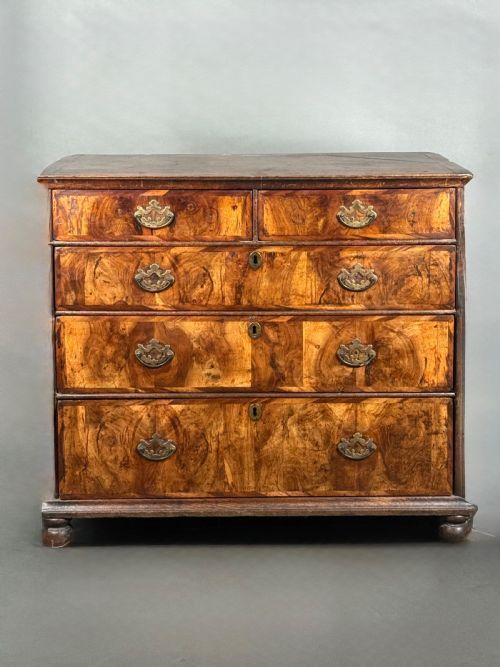
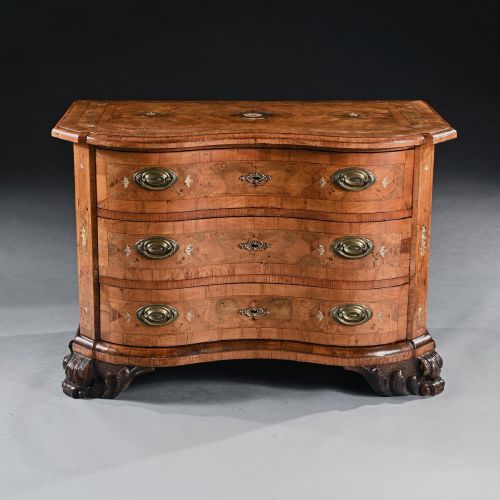
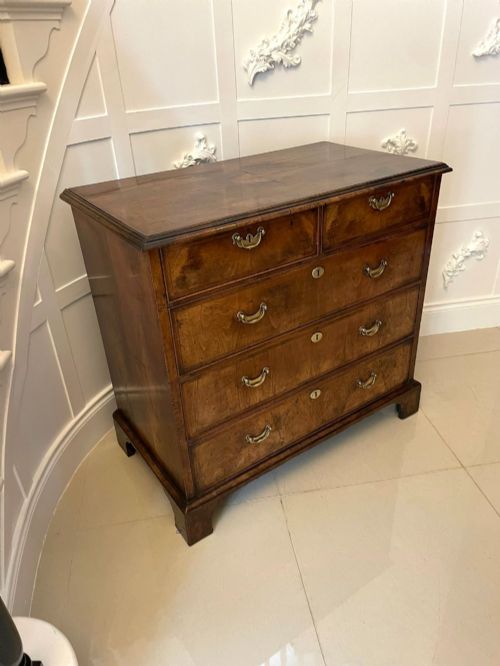
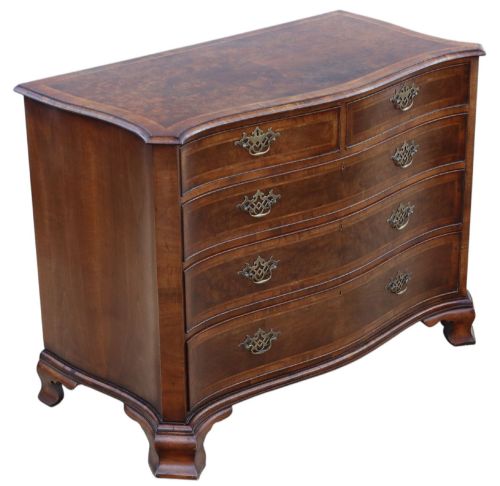
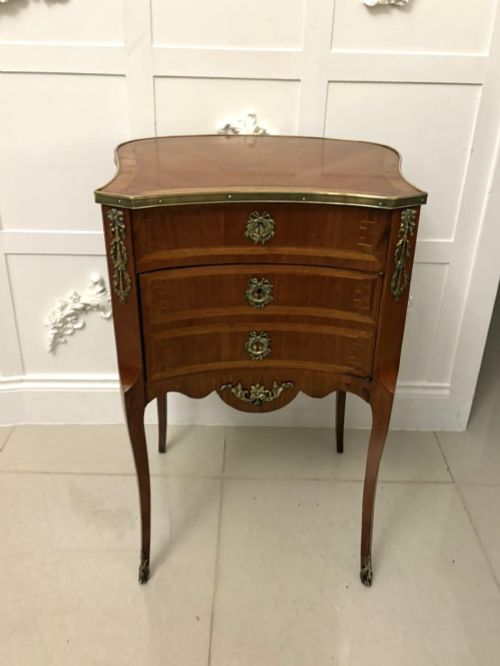
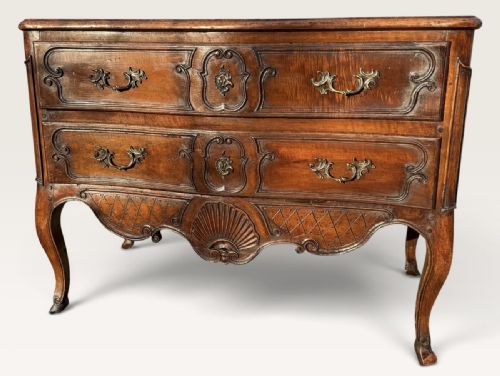
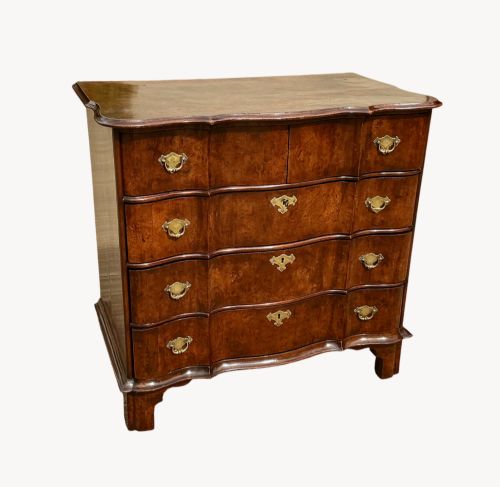
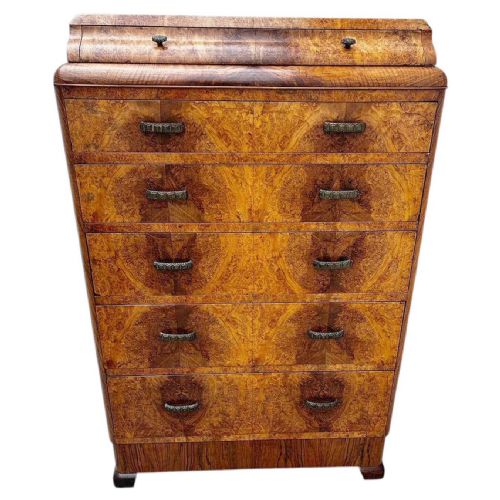
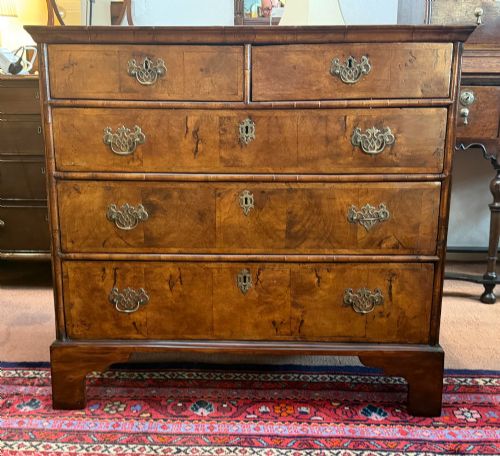
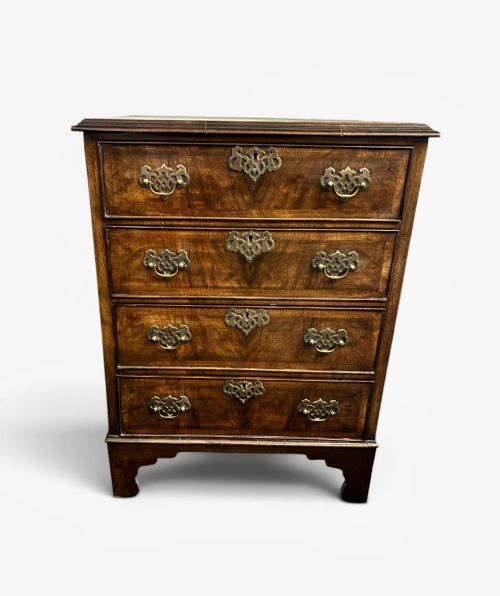
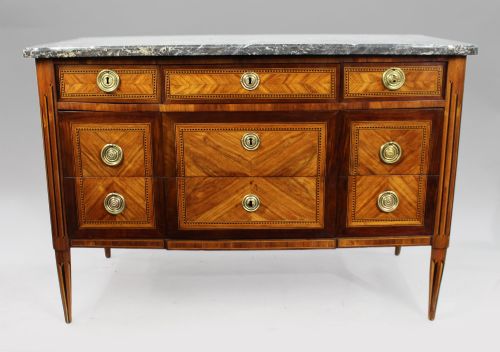
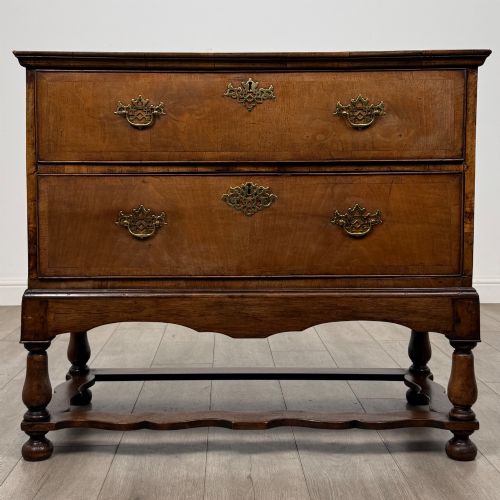
A walnut commode chest combines the functional drawer storage of a traditional chest with the decorative presence of a continental commode or English cabinet. Pieces range from seventeenth-century oyster veneered designs and eighteenth-century Queen Anne or George I drawers to later continental serpentine and bombe models.
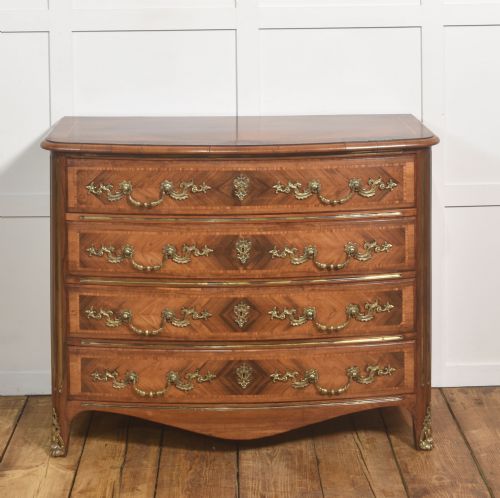
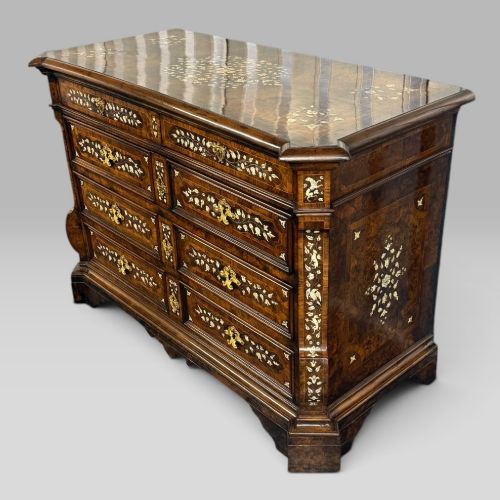
Early examples present clean rectangular proportions with featherbanded or herringbone inlay, while continental versions often incorporate sweeping serpentine fronts and shaped aprons. Buyers also encounter nineteenth-century French Louis Philippe and Biedermeier interpretations alongside twentieth-century revival pieces.
Origins span English workshops, Dutch makers, German centres, and French studios, resulting in diverse regional interpretations of the form. Many incorporate secondary timbers such as oak alongside the primary walnut exteriors.

Materials and cabinetmaking techniques
Construction relies heavily on figured timber selections, utilising plain walnut, burl figures, and contrasting veneers applied to sturdy carcases. Cabinetmakers frequently employed crossbanding, marquetry, and parquetry to create geometric or floral patterns across the drawer fronts and top surfaces.
Many continental and later nineteenth-century pieces integrate heavy marble tops in grey, white, or rouge varieties, occasionally accented by cast or chased ormolu mounts and brass hardware. Drawer construction typically utilises traditional dovetailing alongside oak linings.
Walnut Commode Chest Retail Price Guide 2026
Typical asking prices for walnut commode chest among the pieces listed under this phrase on Sellingantiques today, from the lower quarter to the upper quarter. They describe what is for sale here now, not the wider market.
The inventory records walnut commode chests spanning the seventeenth century through the 1930s, incorporating brass, marble, and ormolu details.
Judging construction and surface quality
Quality depends largely on the choice of timber and the precision of the veneer work. Finer examples display symmetrical burr figures and meticulous grain matching across multiple drawers, whereas standard pieces rely on plainer sawn timber.
The integrity of the original hardware, the tightness of the dovetail joints, and the survival of early polish or patination distinguish standard production from exceptional cabinetmaking.
The Walnut Commode Chest Glossary
- Oyster veneering
- Cutting small branches or shoots transversely to produce circular or oval patterns resembling oyster shells. This technique appears predominantly on seventeenth-century English and continental furniture.
- Serpentine
- A front shape curving outward in the centre and inward at the sides. This contour requires skilled carpentry to shape the drawer fronts and corresponding frame.
- Bombe
- A swollen or bulging convex shape found on continental commodes. The curved sides demand advanced veneer manipulation.
- Ormolu
- Gilded bronze mounts applied as decorative handles, feet, or escutcheons. It appears frequently on French commodes from the eighteenth and nineteenth centuries.
- Featherbanding
- Narrow strips of veneer laid diagonally in opposing directions to form a chevron pattern around drawer borders. It frames the central grain of high-grade walnut furniture.
Walnut Commode Chest: Frequently Asked Questions
How do I date a walnut commode?
Dating relies on carcass construction, handle types, and veneer styles. Seventeenth-century examples often feature oyster veneers, while eighteenth-century pieces display herringbone banding and bracket feet.
Later nineteenth and twentieth-century interpretations adopt revival styles, machine-cut dovetails, and standardised hardware that differ from earlier hand-cut methods.
What is the difference between a chest and a commode?
The term chest generally refers to traditional English drawer units, whereas commode historically denotes low continental cabinets with doors or drawers. In practice, the names often overlap in marketplace descriptions.
Continental versions more frequently incorporate marble tops, ormolu mounts, and bombe profiles compared to standard British drawer chests.
How do I care for walnut veneer?
Walnut veneer requires stable humidity levels to prevent the thin surface timber from lifting or cracking. Keep pieces away from direct heat sources and strong sunlight.
Apply traditional wax polish sparingly to maintain the finish without building up excessive residue that attracts dust.
Are marble tops original to these pieces?
Marble tops are entirely characteristic of French, Italian, and continental commodes from the eighteenth century onward. They served as durable surfaces for washing or display.
English pieces rarely feature marble, relying instead on solid or veneered timber tops finished with moulded edges.