

Walnut Center Table
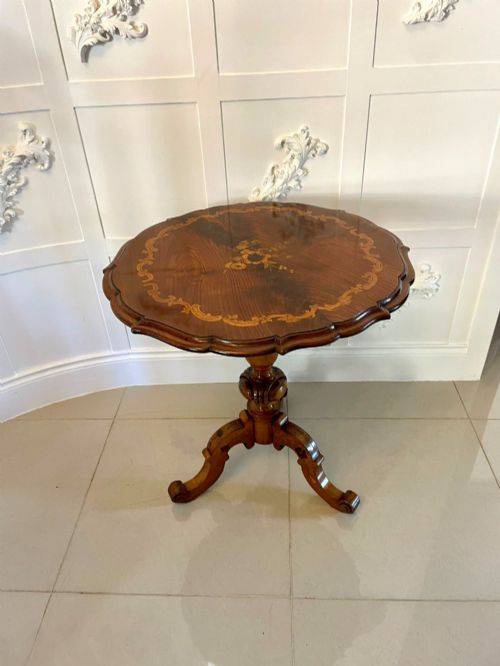
A walnut centre table commands a room with figured grain and substantial presence, offering a functional focal point built for grand interiors.
Walnut Center Table
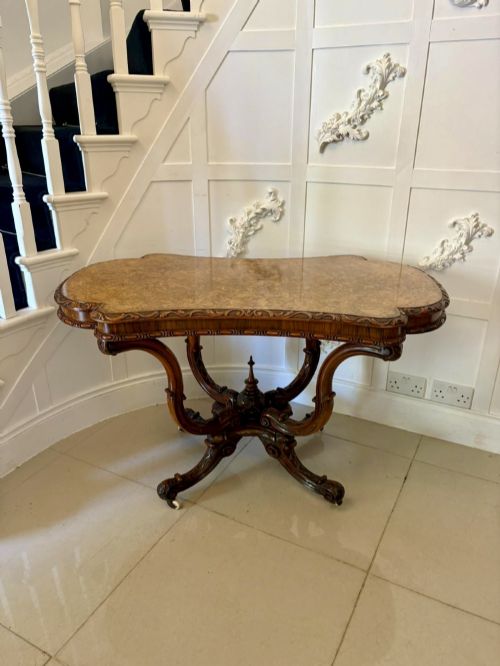
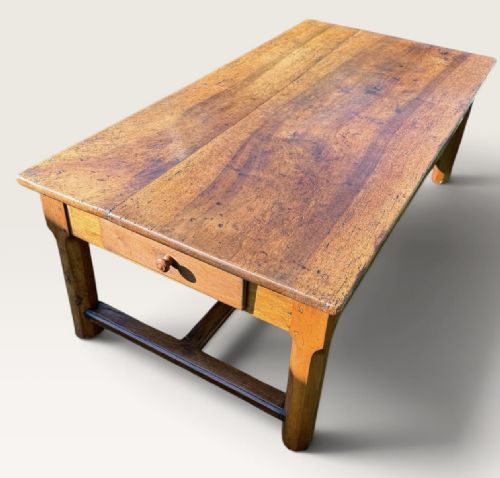
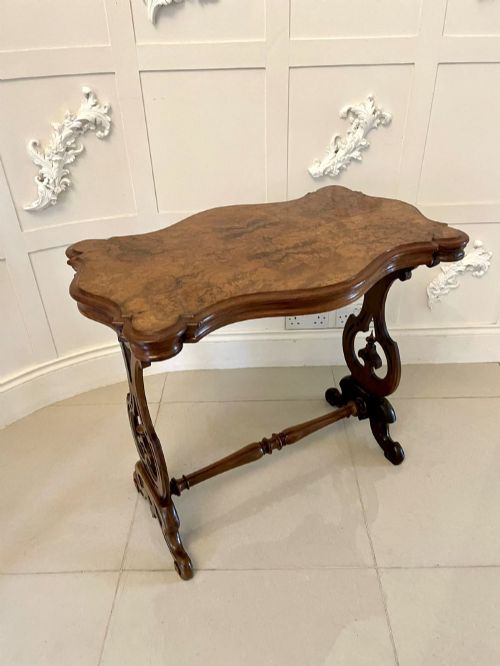
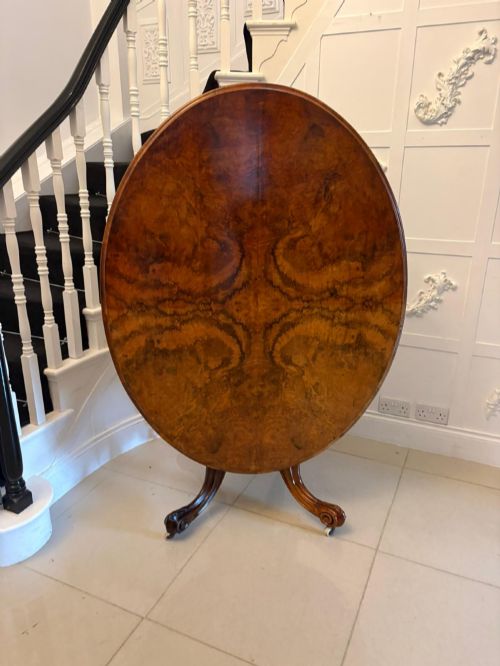
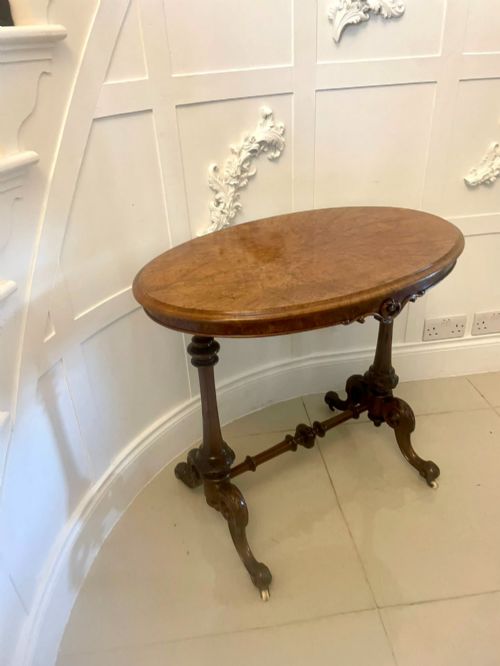
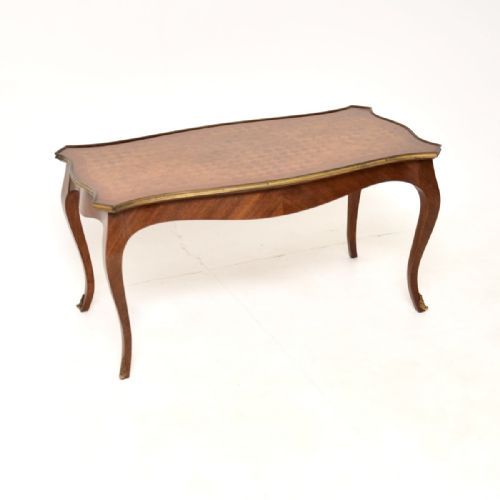
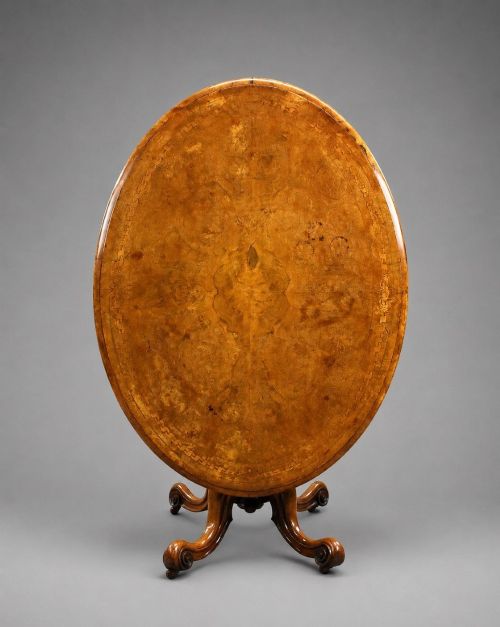
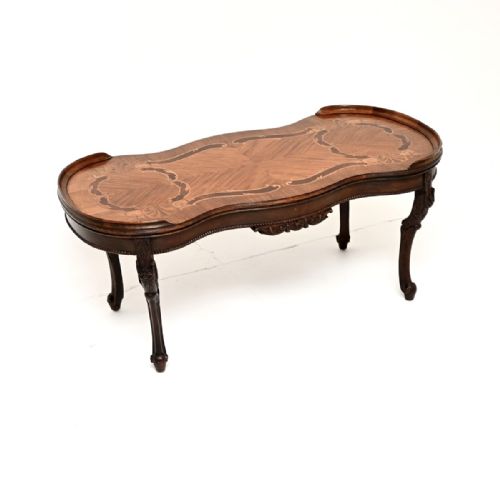
A walnut centre table appears most frequently in Victorian guises, dominated by mid-nineteenth-century examples from the 1850s to the 1870s. These pieces encompass diverse forms, from oval tilt-top loo tables and lamp tables to occasional tables and low coffee table adaptations.
Originating largely from British and French workshops, the selection spans centuries from the eighteenth century through to Art Deco designs of the 1930s. Buyers will encounter varied pedestal bases, quadrapod supports, and occasional drop-leaf configurations designed to sit centrally within a principal room.
Materials and Technique
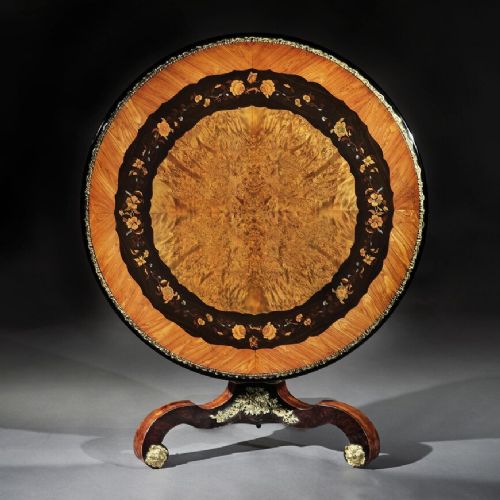
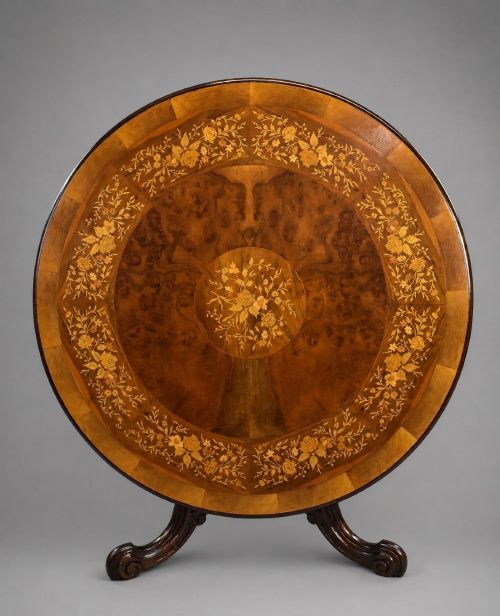
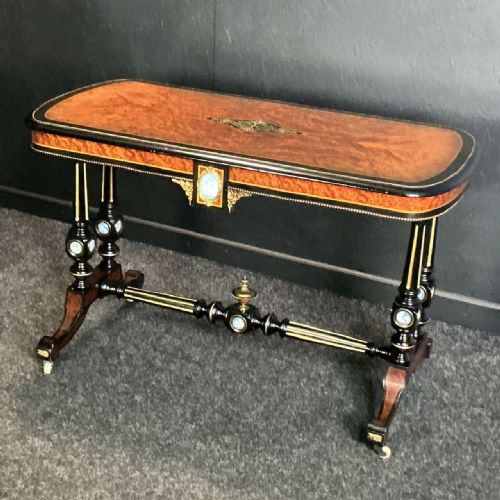
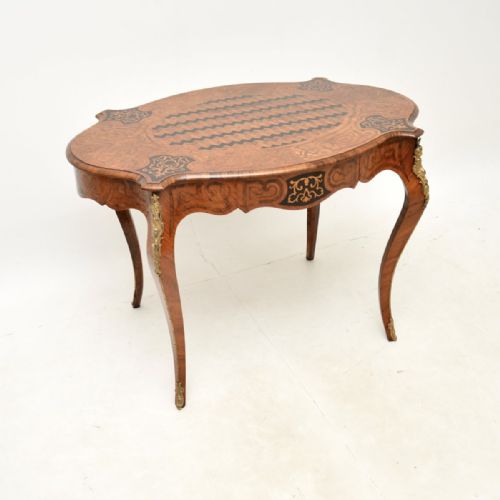
Cabinetmakers utilised solid walnut and decorative walnut veneer, frequently selecting burr walnut to create highly figured, swirling top surfaces with intense visual depth. This timber was often paired with contrasting boxwood inlay, ebonised wood highlights, and fine marquetry or parquetry detailing.
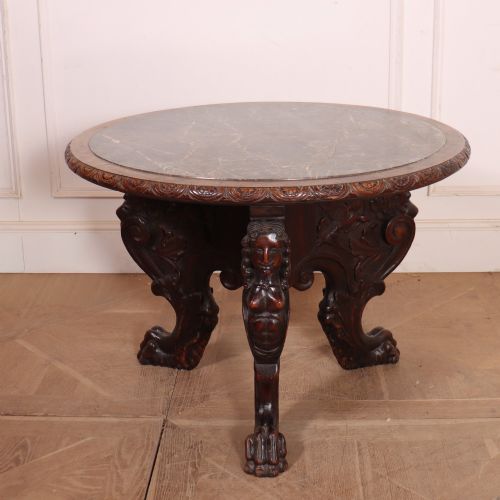
Structural embellishments relied on skilled carving, cast brass mounts, ormolu, and inset elements such as rouge marble tops or tooled leather writing surfaces. Bases incorporated sturdy pedestals, carved legs, and occasional casters for mobility.
Materials recorded across the inventory include solid walnut, burr walnut veneer, boxwood inlay, marble, ormolu, and ebonised wood.
Craftsmanship and Proportion
Quality rests heavily upon the selection of the timber veneer, where dense, symmetrical burr patterns and intricate marquetry delineate superior workshop output. The crispness of hand-carved details on pedestals and aprons further separates standard productions from exceptional pieces.
Structural integrity and refined proportions dictate the upper tier of the range. Master makers ensured that tilt-top mechanisms, stretcher joints, and inlay work remained tightly fitted and balanced over decades of use.
Edward Holmes Baldock·Edward and Roberts·Holland and Sons·Heals
The Walnut Center Table Glossary
- Burr Walnut
- A timber harvested from the gnarled growths on walnut trees, prized for its swirling, highly decorative grain patterns. It is typically sliced into thin veneers for table tops.
- Marquetry
- The art of applying decorative pieces of veneer to a structure to form intricate pictorial designs. Craftsmen used various woods alongside boxwood to create geometric or floral motifs.
- Loo Table
- A large round or oval nineteenth-century table featuring a tilting top mechanism. Originally designed for the card game loo, it sat flat against a wall when not in use.
- Gueridon
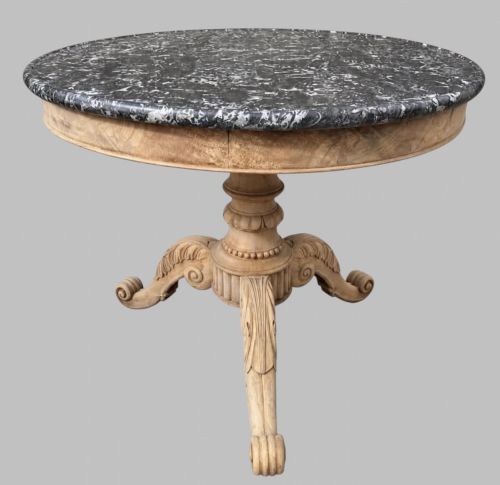
- A small French occasional table supported by one or more columns. These often feature marble tops and gilt bronze mounts.
- Parquetry
- A geometric mosaic of wood pieces used for decorative floors and table tops. It relies on regular angular patterns rather than the curved pictorial designs of marquetry.
Walnut Center Table: Frequently Asked Questions
What is a walnut centre table?
A walnut centre table is a freestanding piece designed to be viewed from all sides, traditionally placed in the middle of a room rather than against a wall.
These tables served various domestic purposes throughout the nineteenth and early twentieth centuries, functioning as display surfaces for lamps, writing desks, or dining furniture.
How were loo tables used?
Loo tables were manufactured primarily for the popular card game of loo during the Victorian era. Their tilting mechanisms allowed the top to fold vertically.
This clever design meant the bulky tables could be stored out of the way against the perimeter of a drawing room when the card games concluded.
How do I identify a Victorian walnut table?
Victorian examples typically display rich burr walnut veneers, dark patination, and robust pedestal bases carved from solid timber. Details such as boxwood inlay and ceramic casters often accompany these mid-nineteenth-century forms.
Earlier eighteenth-century variants feature simpler stretcher bases and richer patinas, while Art Deco pieces from the 1930s embrace clean lines and geometric figured veneers.
Can these tables be used as coffee tables?
Many nineteenth-century occasional and low tables function naturally as coffee tables in modern settings. Their generous surface area and sturdy construction suit contemporary living spaces.
Care should be taken with marble or polished wood tops to ensure daily use does not compromise the historic french polish or delicate marquetry.