

Mahogany Center Table
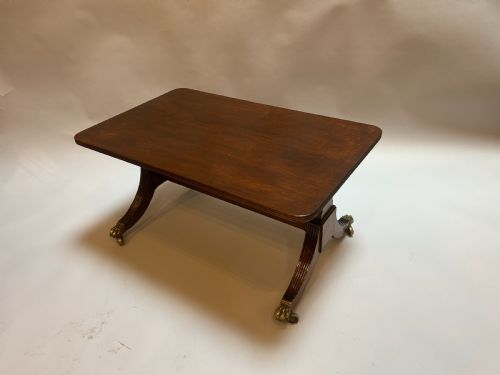
When you search for a mahogany centre table, you are looking at freestanding pieces designed to anchor a room from every angle.
Mahogany Center Table
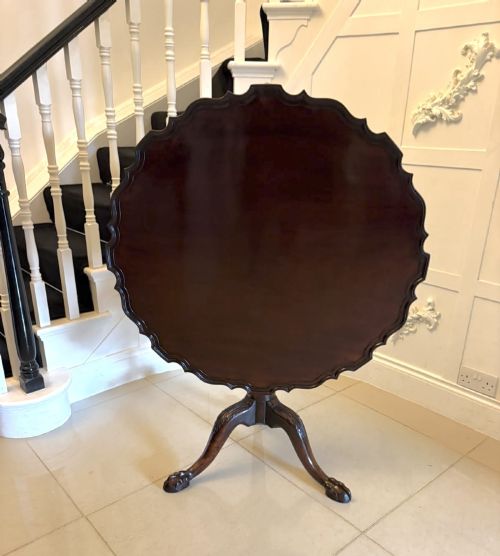
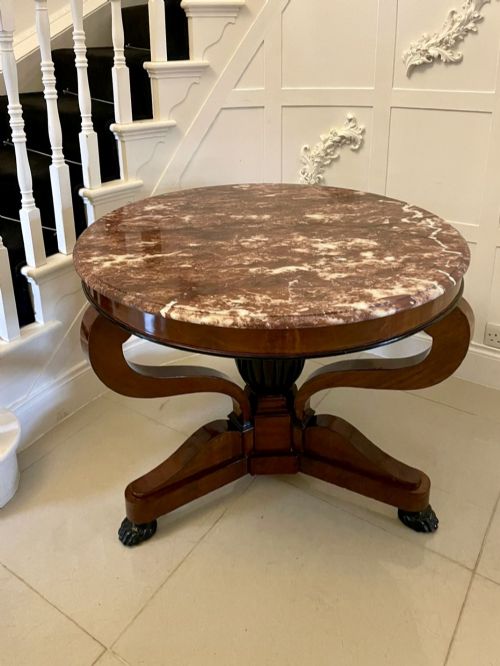
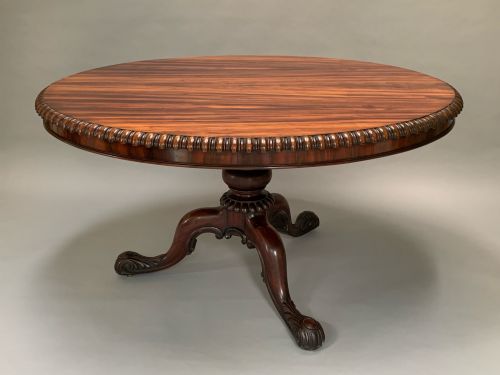
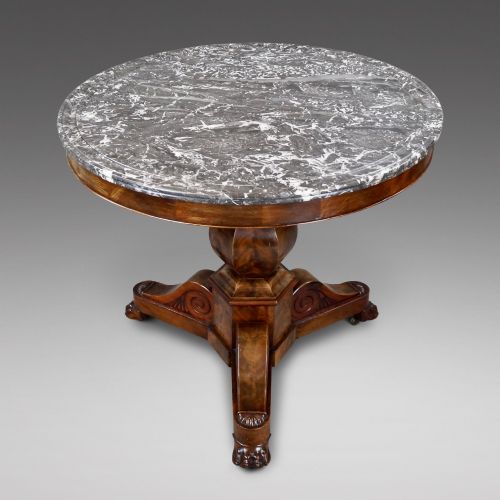
A mahogany centre table is a freestanding piece designed to sit in the middle of a room rather than against a wall, finished carefully on all sides. When you search for this phrase, you will encounter circular breakfast tables, pedestal dining formats, and French gueridons dating from the nineteenth century onward. These forms served various social functions in period interiors, from holding lamps to supporting library volumes.
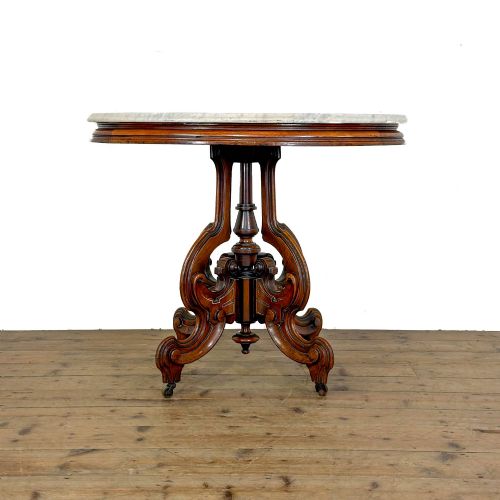
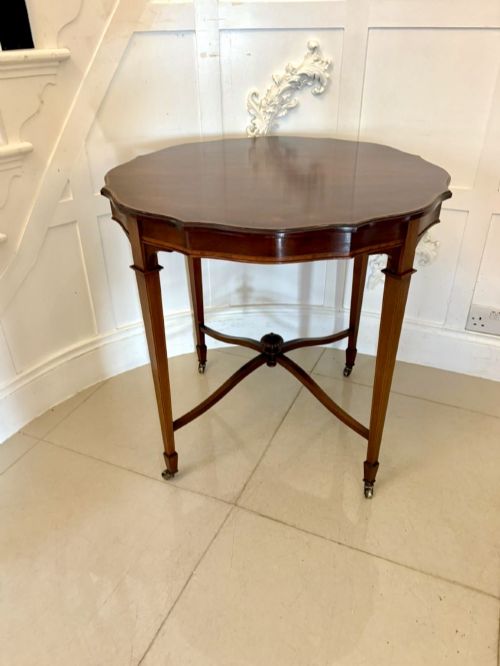
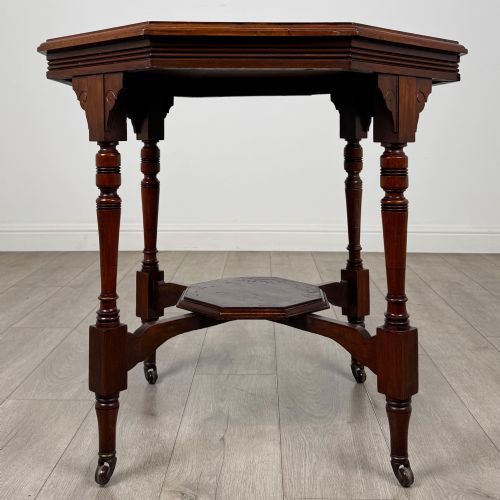
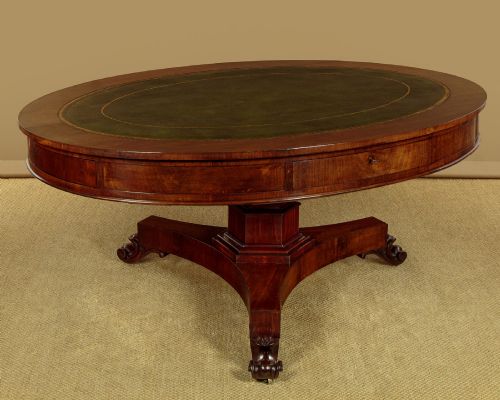
The selections available span multiple stylistic eras including Regency, William IV, Victorian, and Edwardian periods. Pieces range from grand circular dining formats with triform bases to smaller occasional lamp tables featuring inlaid satinwood or marble tops. English and French variations dominate the selection, bringing distinct regional proportions to the form.
How they were made
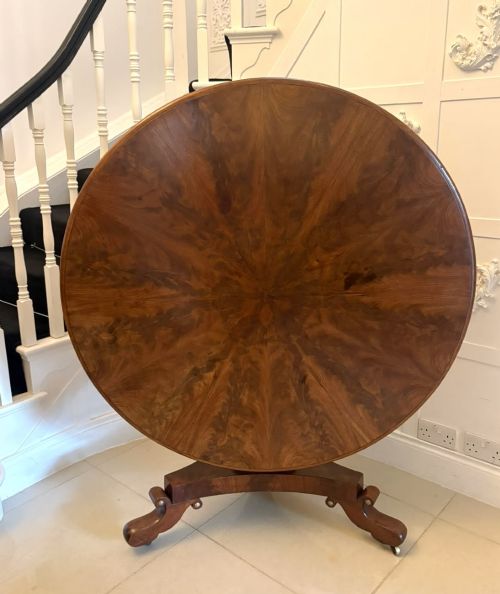
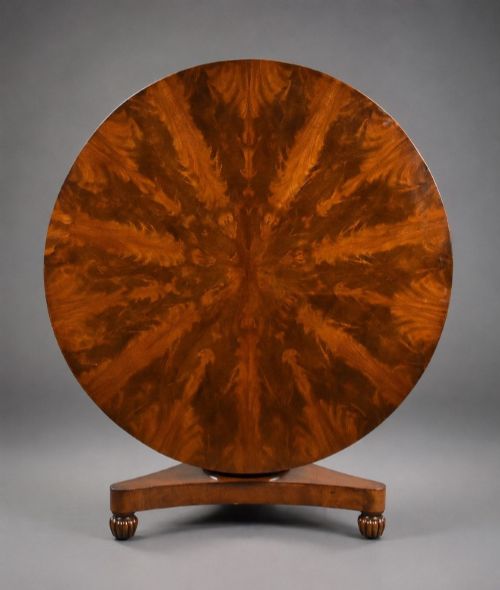
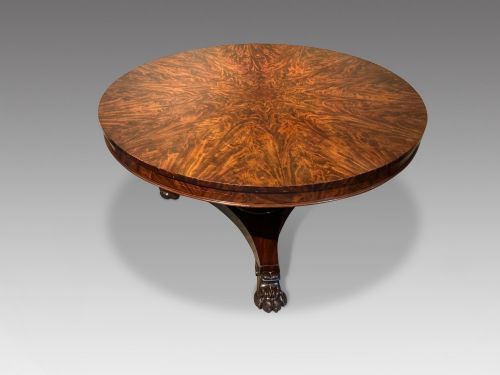
Cabinet makers utilised solid mahogany and applied veneers such as flame mahogany and rosewood crossbanding to achieve rich grain patterns across wide tabletops. Structural stability in these pedestal designs relies on heavy timber framing concealed beneath the show wood and robust central columns.
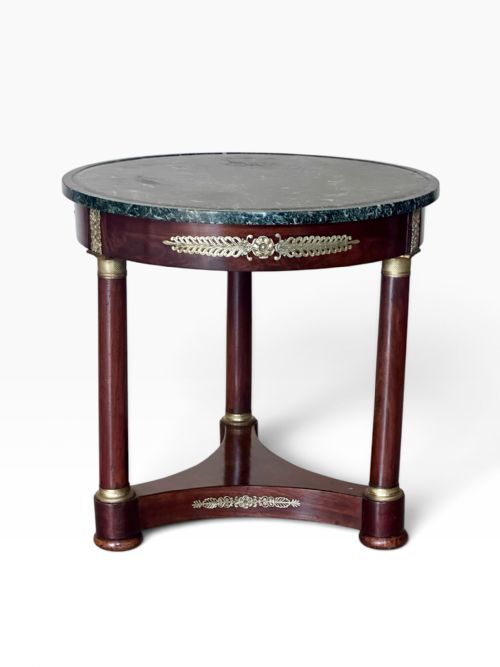
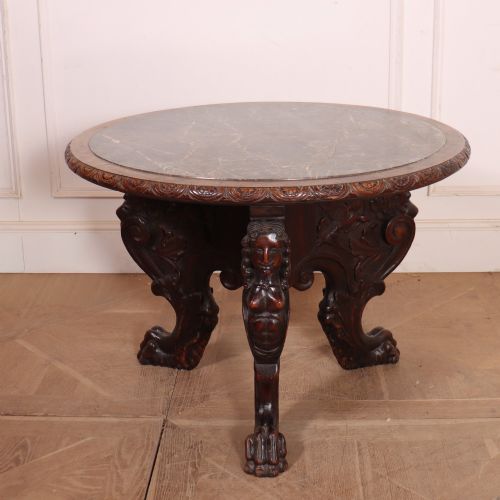
Decorative detailing incorporates brass mounts, ormolu, carved woodwork, and marble inserts fitted directly into the wooden framework. Marquetry and satinwood inlay provide contrasting tones, particularly in Edwardian and late Victorian examples.
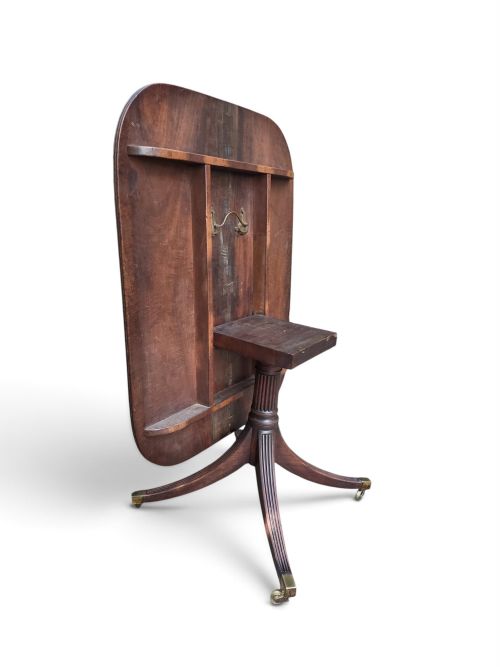
Several tables include tilt mechanisms originally intended to fold the top flat against the pedestal so the piece could vanish against a wall when the room was needed for dancing.
What varies in quality
The distinction between standard and superior pieces rests on the choice of timber and the complexity of the veneer work. Figured grains like flame mahogany require expert book-matching, where the natural symmetry of the wood creates a balanced visual pattern across the surface.
Execution of secondary materials such as ormolu mounts, cast brass detailing, and inset marble slabs dictates the refinement of the piece. Tables featuring integrated tilt mechanisms or stable triform and pedestal bases demonstrate superior mechanical joinery and structural forethought.
Gillows·Williams and Gibton·Maples and Co
The Mahogany Center Table Glossary
- Gueridon
- A small French freestanding table, frequently circular with a central pedestal column. These pieces often feature marble tops and ormolu mounts.
- Triform base
- A three-sided pedestal support structure common on Regency and William IV circular tables. This configuration provides stability while allowing ample legroom.
- Crossbanding
- A decorative border technique where veneer strips are laid perpendicularly to the grain of the main tabletop. This frames the primary timber with a contrasting visual margin.
- Tilt-top
- A tabletop mechanism allowing the surface to pivot vertically against the pedestal for storage or movement. This engineering solution was popular in breakfast and dining formats.
- Ormolu
- Gilded bronze ornamentation applied to furniture frames, particularly on French nineteenth-century pieces. The metallic finish adds reflective contrast to dark mahogany surfaces.
Mahogany Center Table: Frequently Asked Questions
What is a mahogany centre table used for?
These tables were designed to stand in the middle of a room rather than against a wall, serving as a focal point for social gatherings or display. Historically they functioned as breakfast tables, library tables, or general display surfaces for lamps and books.
Because they are finished on all sides, they allow movement around the piece and help divide large interior spaces effectively.
How do I identify a Regency centre table?
Regency pieces often feature architectural lines inspired by classical antiquity, utilising dark mahogany with contrasting brass inlay or rosewood crossbanding. Look for robust central pedestals resting on platform bases with carved paw feet.
Proportions during this period tend to be clean and balanced, sometimes incorporating tilt-top mechanisms for versatile use in smaller apartments.
Are marble top tables French or English?
Marble top centre tables are predominantly French gueridons dating from the nineteenth century, often associated with the Empire and Louis Philippe periods. English makers preferred timber surfaces, though marble inserts do appear on select Victorian library and occasional tables.
The inclusion of a heavy grey or veined white marble slab usually points towards continental workshop practices.
How do I care for a polished mahogany surface?
Maintain the timber by dusting regularly with a soft dry cloth and applying natural beeswax periodically to nourish the grain. Avoid placing antique tables in direct sunlight or near heat sources to prevent the wood from drying out.
Using coasters and placemats protects the polished finish from moisture and heat rings without altering the historic patina.