
Marble Top Center Table
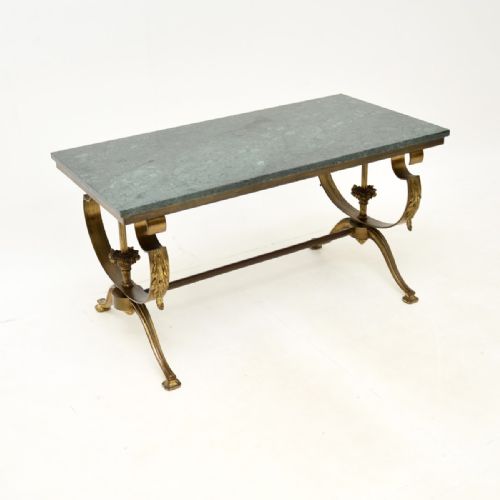
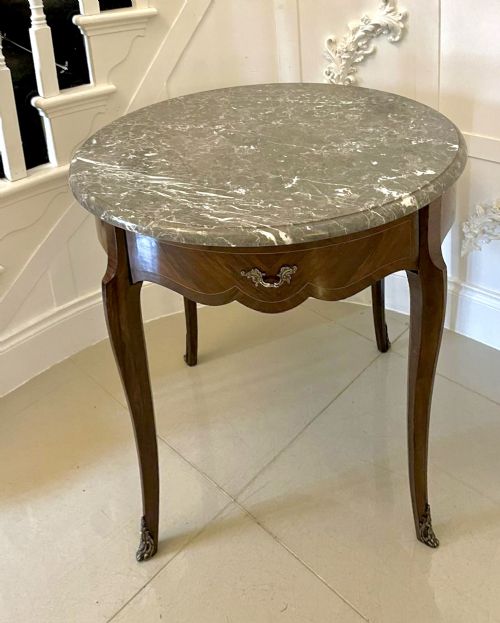
A marble top centre table combines heavy stone surfaces with timber bases to anchor a room.
Marble Top Center Table
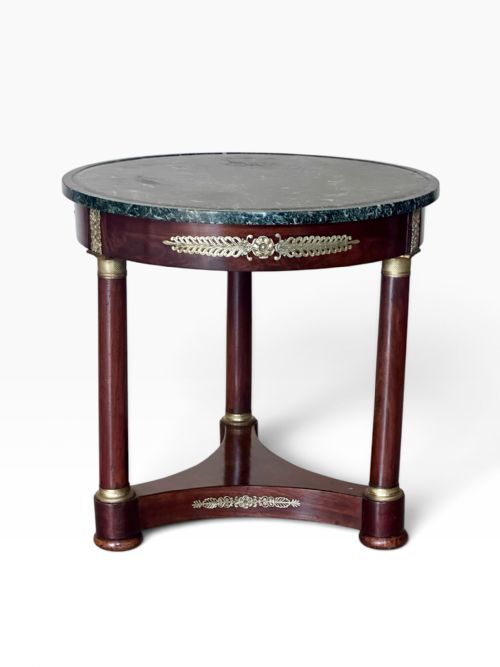
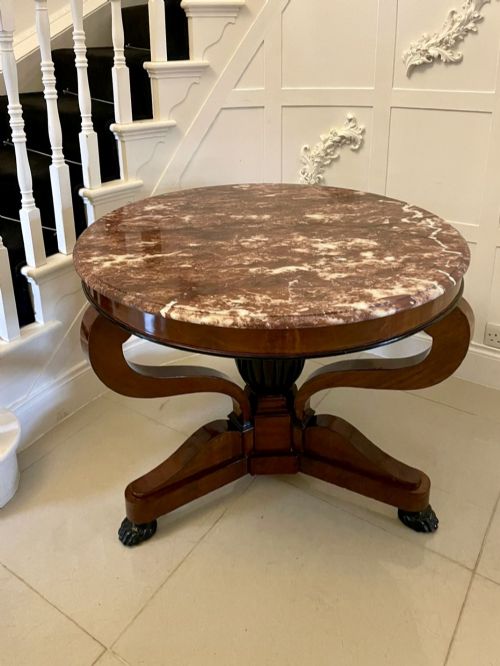
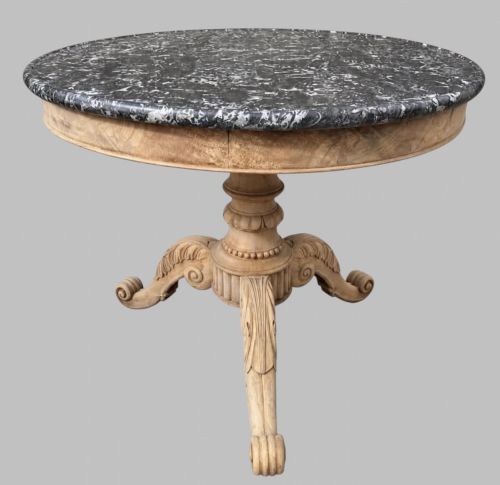
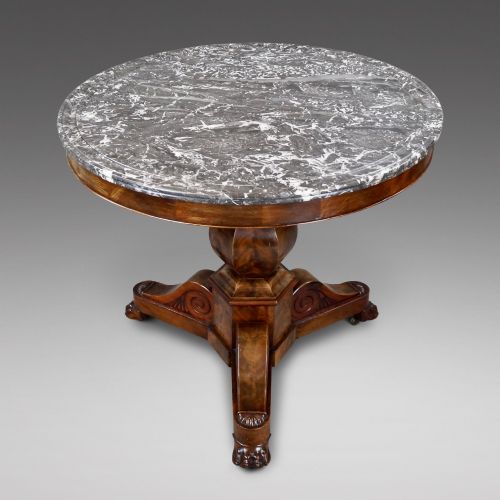
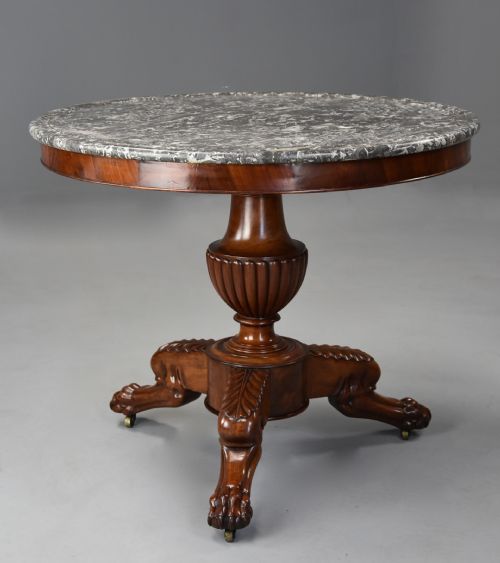
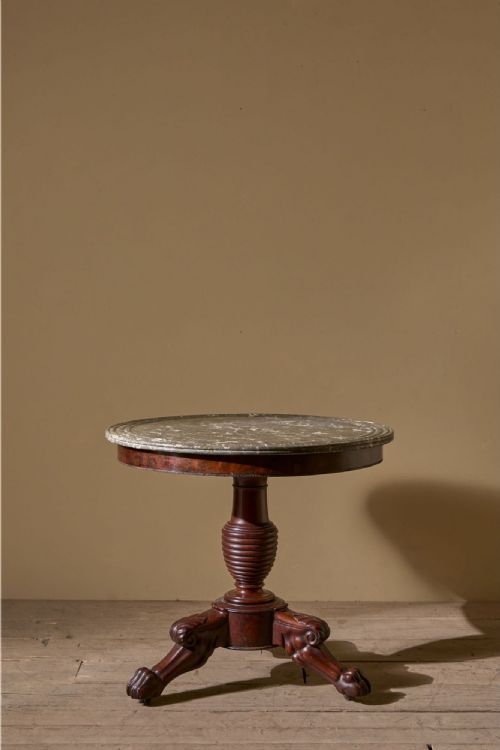
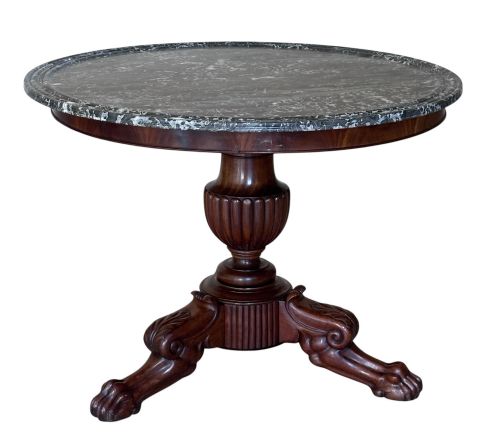
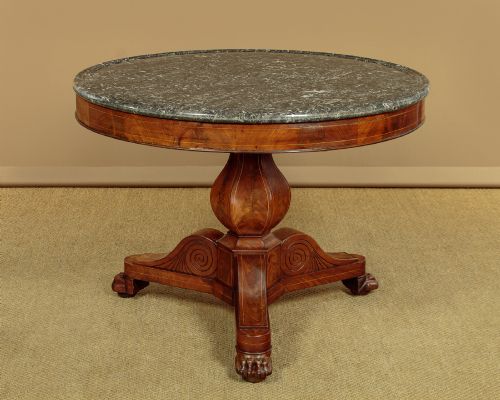
A marble top centre table serves as a prominent freestanding surface, often taking the form of a round gueridon designed to sit in the middle of a room rather than against a wall. The selections span from nineteenth century French Empire and Louis Philippe designs to Victorian and Edwardian examples.
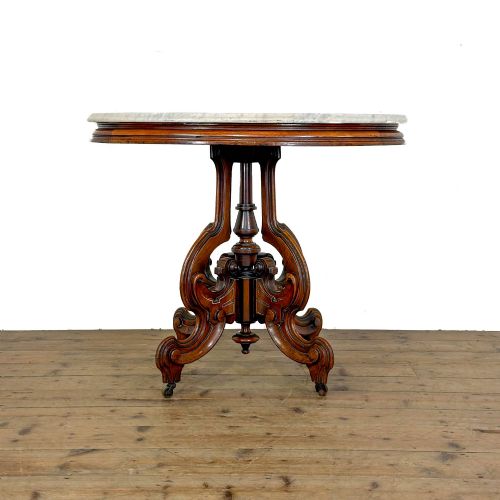
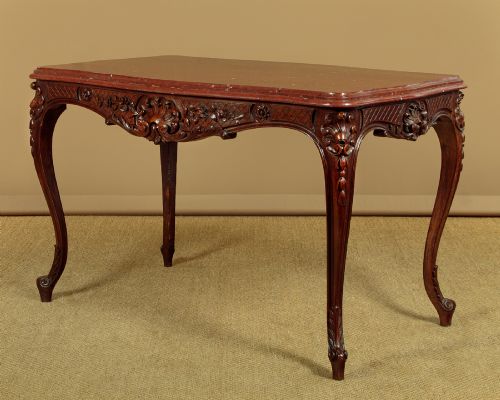
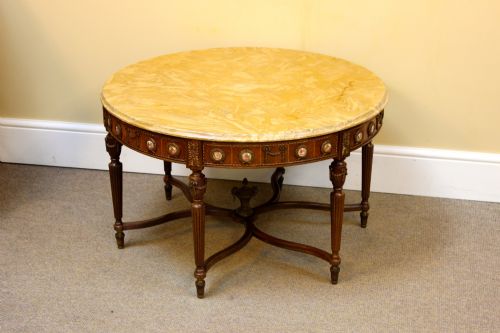
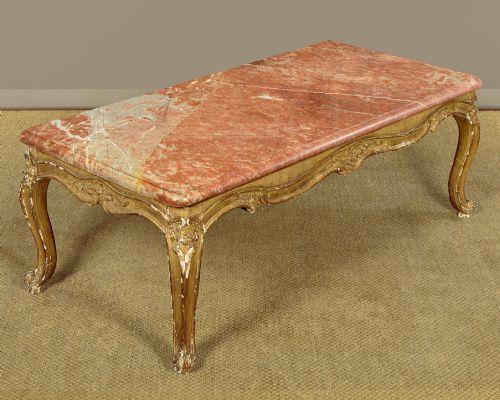
Most entries follow traditional European forms, primarily French and English, utilising mahogany, walnut, and giltwood frames beneath inset stone. Alongside formal centre tables, the records include occasional tables, lamp tables, and coffee table adaptations.
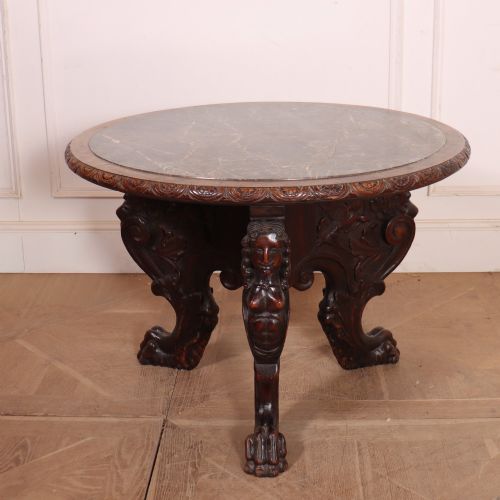
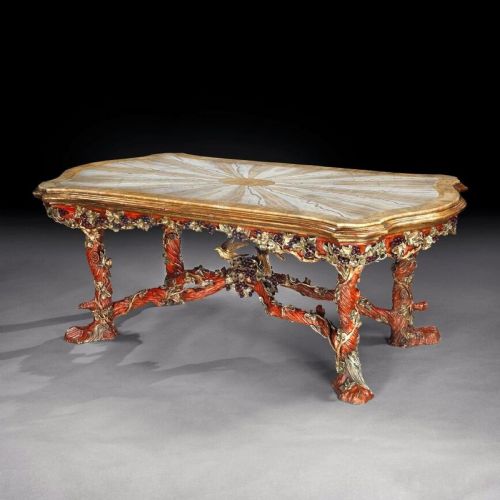
Makers and origins range widely across the nineteenth and early twentieth centuries, incorporating regional styles such as Italian carved wood and Chinese Qing Dynasty hardwood alongside standard European cabinetmaking.
What varies in quality
Quality depends upon the choice of timber and the depth of carving on the base, where solid mahogany or figured walnut outrank simpler secondary woods. The precision of joinery and the presence of fine ormolu mounts or giltwood enrichments distinguish superior cabinetwork.
The stone itself dictates value through its mineral variation, such as rich veining in rouge, grey, or specimen marble varieties, paired with meticulous polishing. Originality of the paired stone and timber top remains essential to the standing of each piece.
Listings feature mahogany, walnut, and giltwood structures paired with white, grey, rouge, and specimen marble tops.
Amleto Bertoni·JACOB
The Marble Top Center Table Glossary
- Gueridon
- A small French table, typically round and supported by a central pillar or multiple legs. These frequently feature marble tops and date from the nineteenth century.
- Ormolu
- Gilded bronze cast and applied as decorative mounts onto furniture frames. This technique appears widely on French Empire and revival pieces.
- Specimen marble
- A tabletop composed of various coloured marbles arranged in geometric or pictorial patterns. This lapidary work demands high skill from stonemasons.
- Rouge marble
- A deep red limestone variety with contrasting white or grey veins. It is frequently seen on nineteenth century French and Italian tables.
Marble Top Center Table: Frequently Asked Questions
Where should a centre table go?
A marble top centre table belongs in the middle of a room where it can be viewed from all sides. These pieces act as focal points beneath chandeliers or in large hallways.
Because they are finished on every side, they do not need to rest against a wall. Ensure there is enough walking space around the perimeter of the room before placing one.
How do I clean the marble?
Wipe the stone surface with a soft, damp cloth using mild soap if necessary. Avoid acidic cleaners, vinegar, or citrus solutions that etch polished marble.
Dry the surface thoroughly after cleaning to maintain the polish and prevent water marks from settling into the stone.
How do I identify French styles?
French tables from the nineteenth century often display Empire, Louis Philippe, or Rococo Revival characteristics. Look for architectural mahogany columns, gueridon pedestals, and cast ormolu mounts.
Cabinetmakers of this era frequently combined figured walnut or flame mahogany with veined marble inserts to achieve a formal aesthetic.