

Walnut Armoire Wardrobe
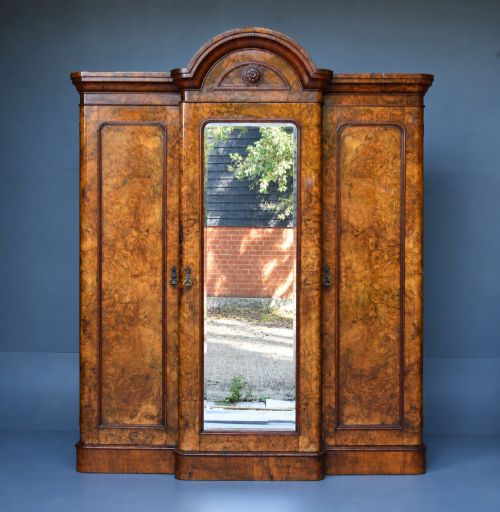
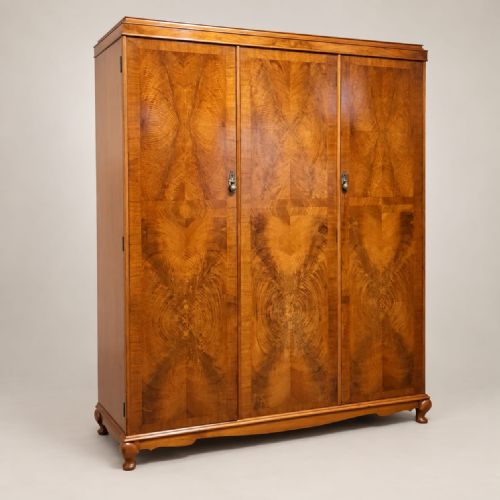
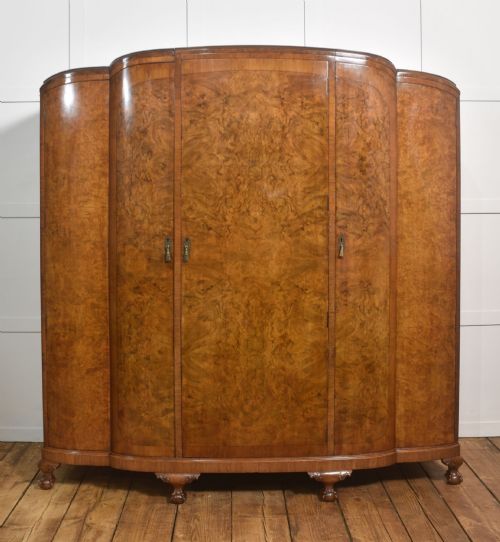
A walnut armoire wardrobe brings rich grain and substantial storage into a bedroom, spanning compact Art Deco pieces and expansive Victorian triple designs.
Walnut Armoire Wardrobe
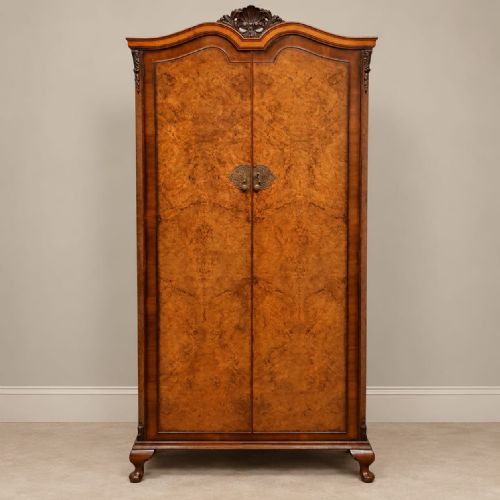
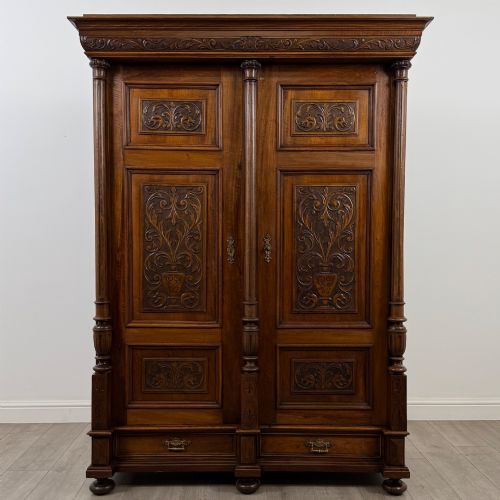
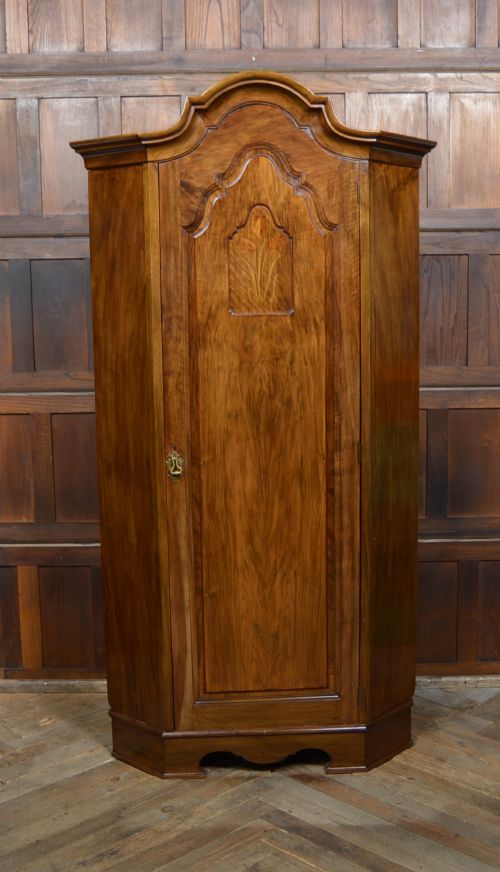
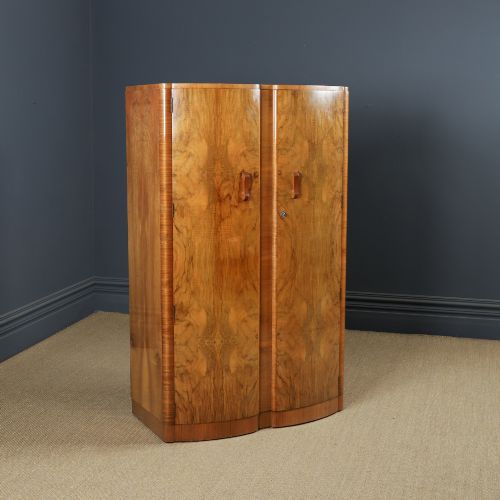
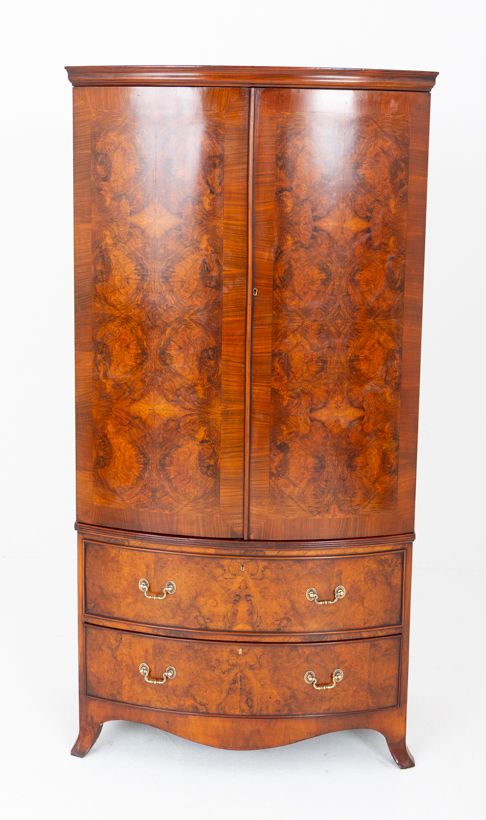
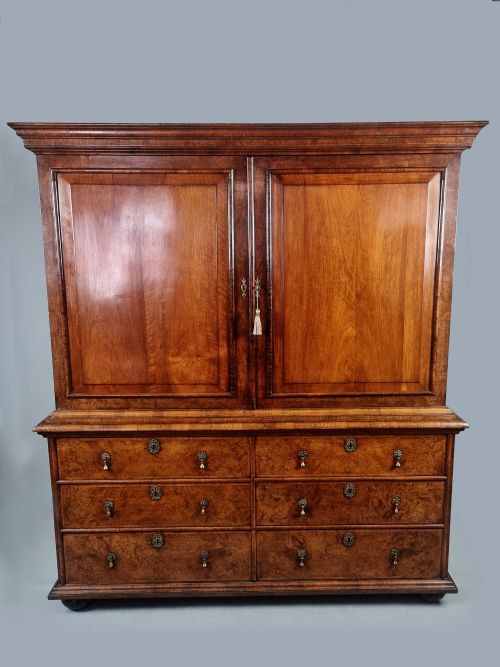
When searching for a walnut armoire wardrobe, collectors encounter large storage pieces ranging from eighteenth-century continental cabinets to twentieth-century Art Deco compactums. These items serve as functional bedroom furniture while displaying complex timber figures across large doors and panels.
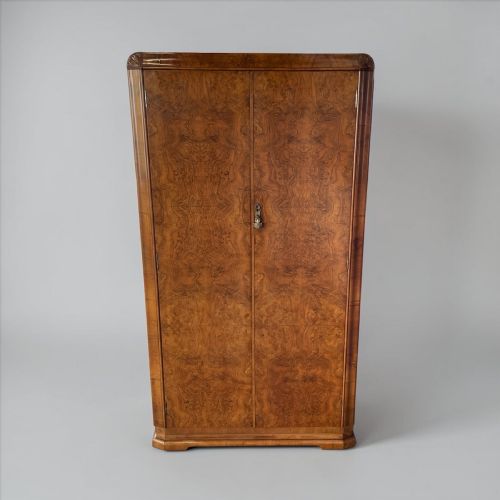
The pieces on this page heavily feature Victorian and Edwardian examples alongside 1920s and 1930s Art Deco designs. Buyers frequently meet French armoires, English compactums, and Italian serpentine cupboards in this category.
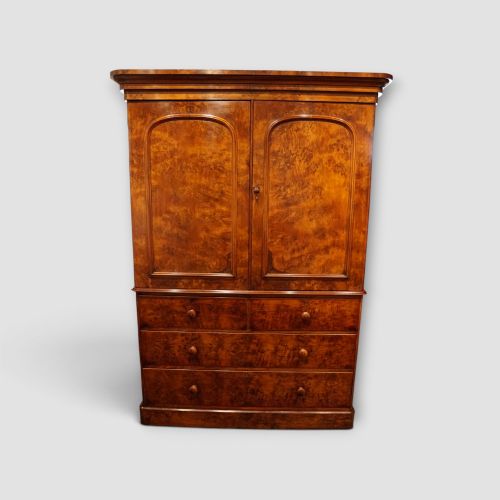
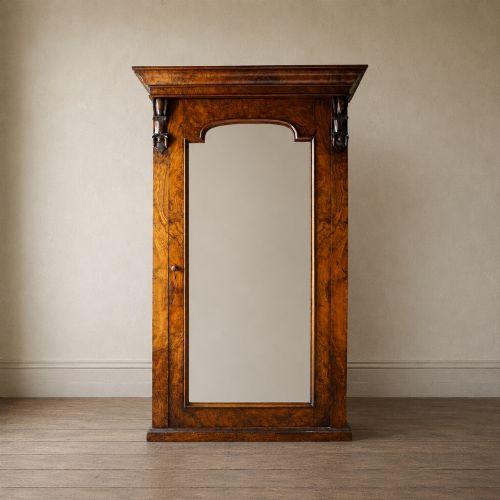
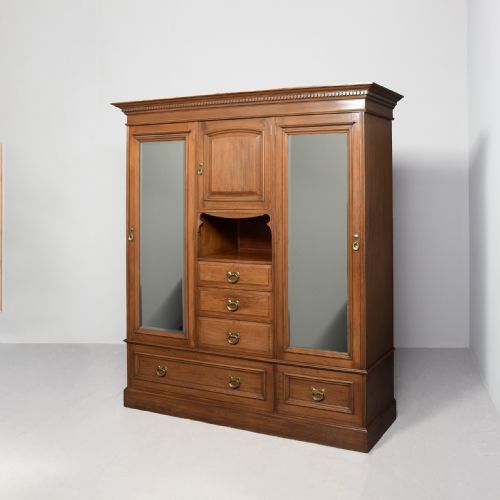
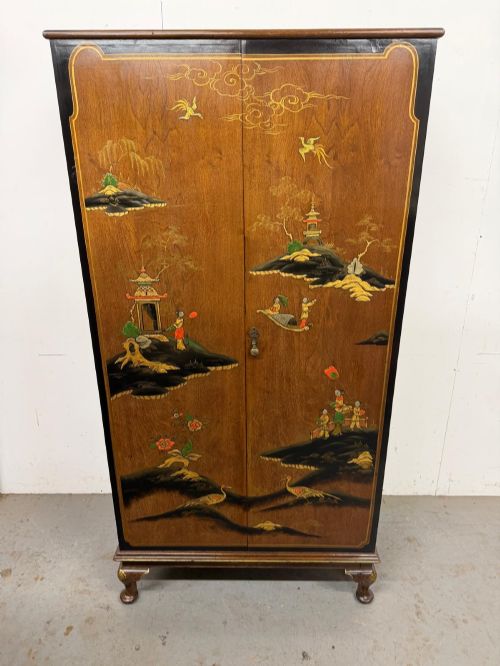
Forms include single-door wardrobes, large triple-door combinations with mirrored sections, and specialised linen presses with internal drawers. Each variant provides distinct organizational layouts behind timber paneling or glass doors.
Materials and Construction
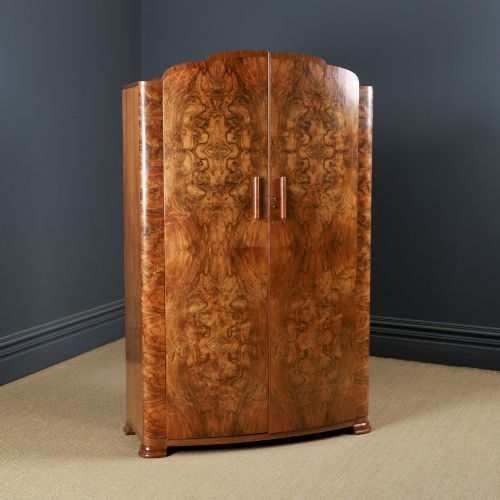
Construction relies heavily on solid walnut and decorative walnut veneer, often utilising highly figured burr walnut for primary visual surfaces. Secondary timbers such as oak and ash appear in structural frames and drawer linings.
Cabinetmakers applied traditional joinery techniques combined with complex book-matching for veneers to create symmetrical grain patterns across large wardrobe doors. Brass handles, escutcheons, and occasional glass panels complete the fabrication of these storage pieces.
Materials documented across the inventory include solid walnut, burr walnut veneer, oak, brass hardware, and occasional bakelite details.
Factors That Determine Quality
Quality rests upon the selection and application of the timber veneer, where dense burr patterns and balanced grain alignment elevate a piece above plain-grained alternatives. The complexity of the cabinetwork, such as serpentine fronts, bombe shaping, and carved detailing, also separates standard items from exceptional ones.
Makers known for high-grade domestic furniture utilised superior internal fittings, sliding trays, and robust framing that maintained structural integrity over decades of daily use.
Holland and Sons·Lamb of Manchester·Ray and Miles of Liverpool
The Walnut Armoire Wardrobe Glossary
- Armoire
- A tall wardrobe or cupboard, traditionally of continental European origin, used primarily for hanging garments and storing clothing.
- Burr walnut
- Timber taken from a tree growth or burl, yielding highly decorative, swirling grain patterns prized by cabinetmakers.
- Compactum
- A fitted wardrobe that combines hanging space with internal drawers, shelves, and compartments in a single footprint.
- Linen press
- A tall storage cabinet featuring upper shelving or cupboard space above a base section fitted with multiple drawers.
- Marquetry
- Decorative inlay work using various woods and materials to create pictorial or geometric patterns on furniture surfaces.
Walnut Armoire Wardrobe: Frequently Asked Questions
How do I distinguish an armoire from a standard wardrobe?
An armoire traditionally denotes a continental European cabinet with deep proportions and decorative detailing, whereas standard wardrobes often follow strict British architectural styles of the Victorian and Edwardian eras.
Both serve identical clothing storage functions, but armoires frequently display more pronounced cornices and single or double door configurations.
What is a compactum wardrobe?
A compactum integrates multiple storage formats into one unit, combining hanging sections with internal linen slides, shoe racks, and small drawers.
This design became popular during the Victorian and Edwardian periods to maximise bedroom storage efficiency.
How should I care for walnut veneer surfaces?
Walnut veneer requires stable indoor humidity levels and protection from direct sunlight to prevent timber drying and veneer lifting.
Applying occasional appropriate wax polish maintains the moisture and lustre of the historic grain.
Are these wardrobes easy to dismantle for moving?
Many larger Victorian and continental wardrobes were constructed with knockdown bolts to allow transport between rooms.
Checking the internal assembly reveals whether a piece breaks down into a cornice, base, and side panels for relocation.