
French Linen Press
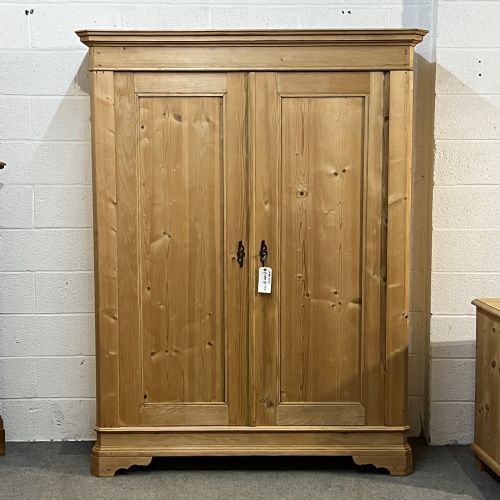
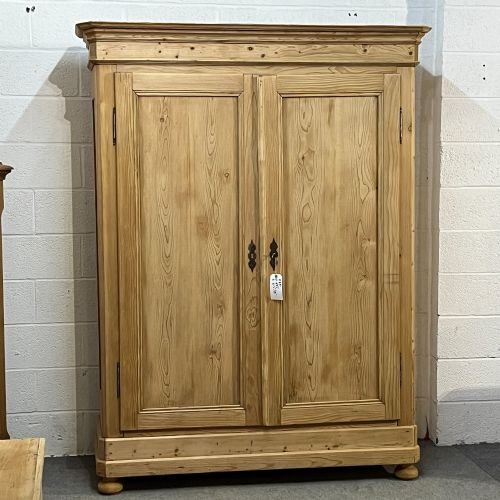
A french linen press brings robust provincial utility and grand architectural presence into a modern home.
French Linen Press
When searching for a french linen press, buyers encounter large timber storage pieces originating from regional workshops and provincial chateaux across France, spanning multiple centuries from the seventeenth onwards.
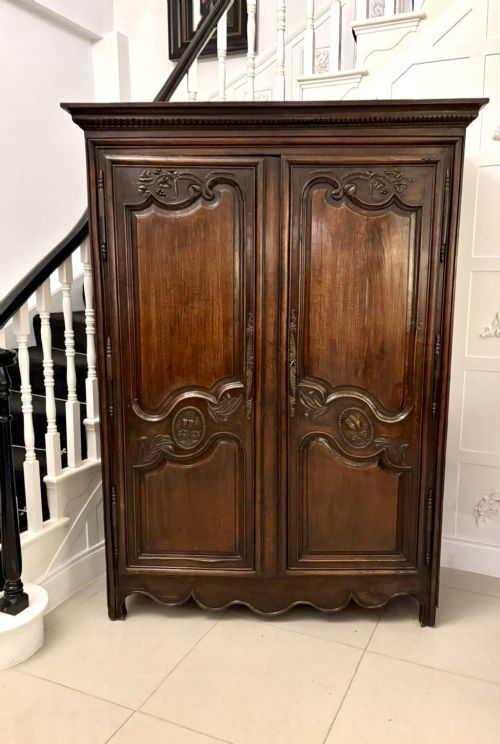
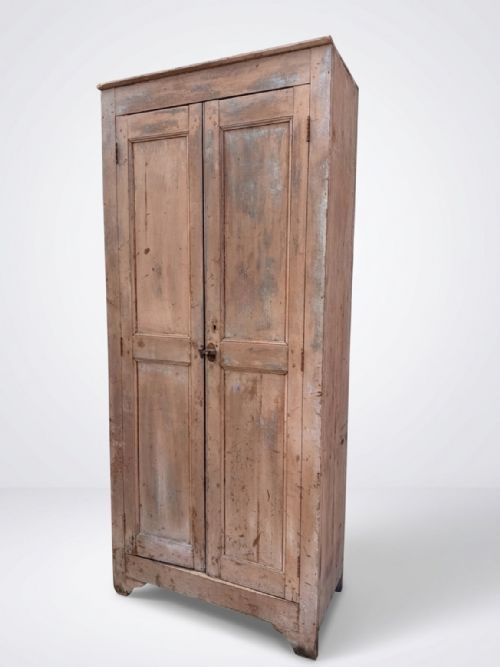
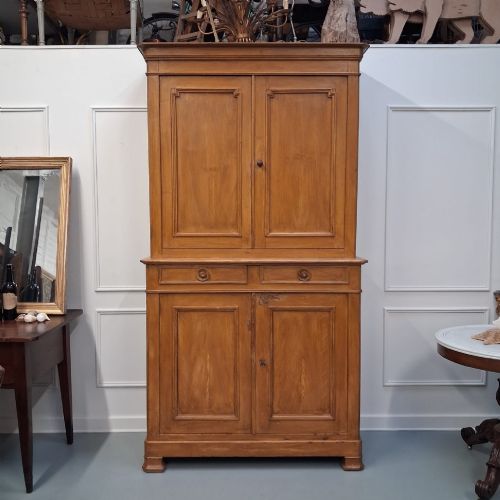
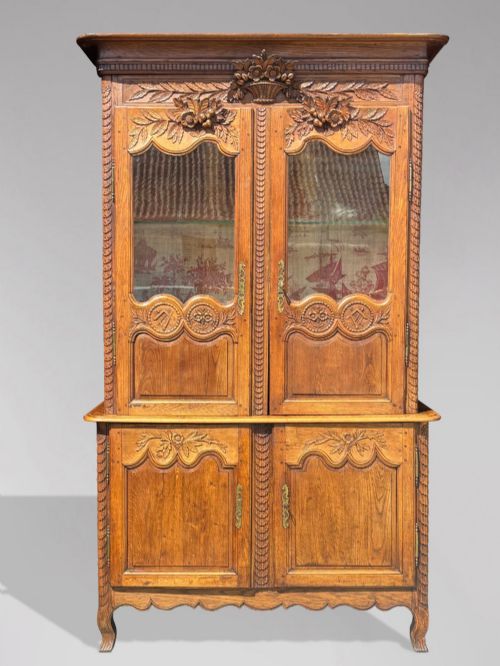
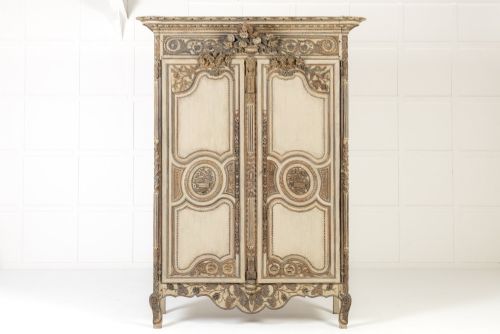
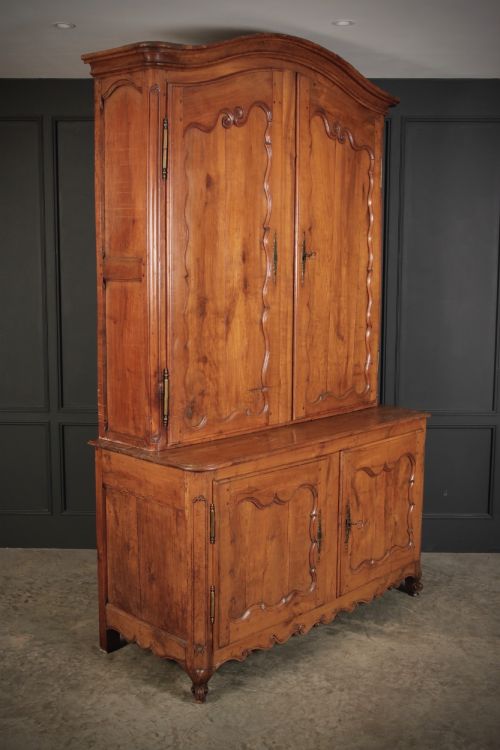
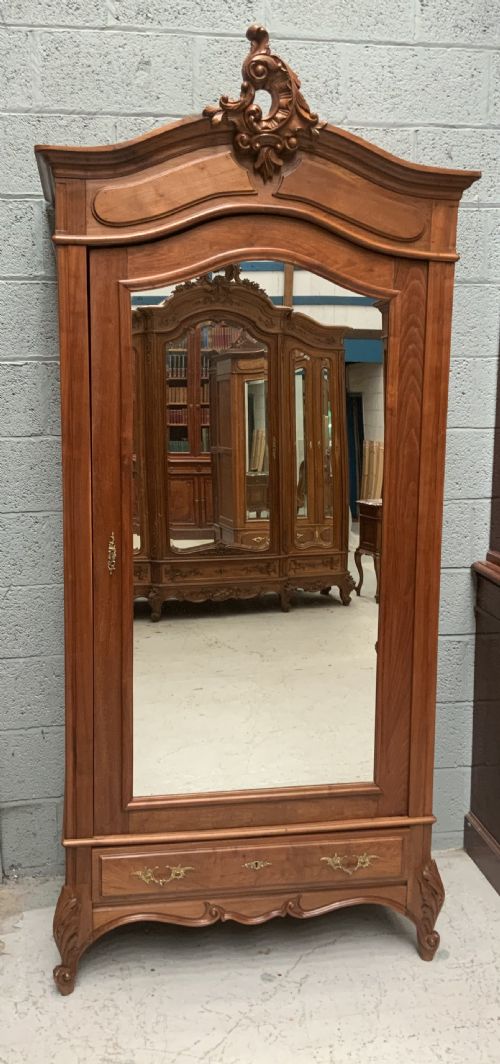
The version most commonly met on this page is the substantial oak or pine armoire and housekeeper's cupboard, often configured with double doors or a two-part body designed originally for household textiles.
These pieces bridge the gap between freestanding wardrobes and traditional display cabinets, utilising deep internal shelving and hanging space suited for contemporary bedrooms and living spaces.
Materials and Construction
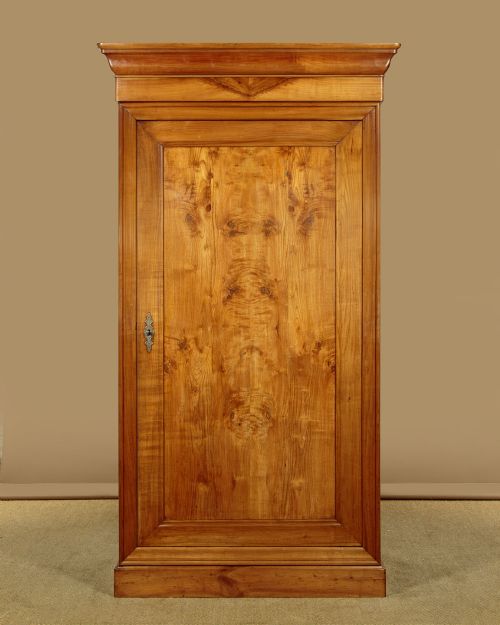
Cabinet makers built these presses predominantly using regional hardwoods like solid oak, walnut, cherry, and chestnut, alongside softer pine and painted finishes for provincial examples.
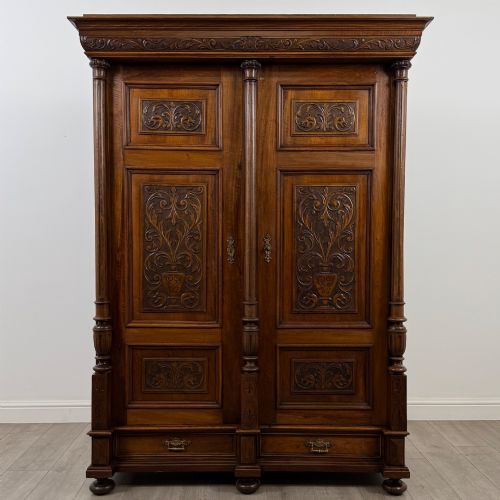
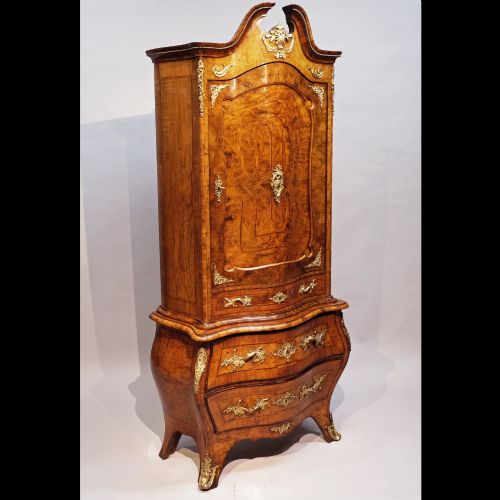
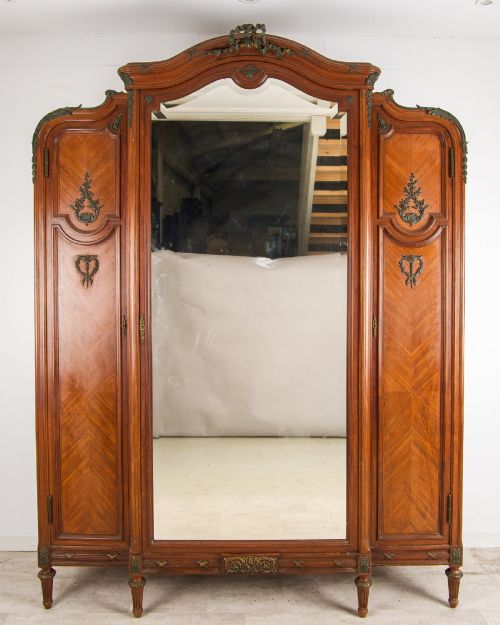
Joinery relied on pegged mortise and tenon frames, heavy panelled doors, and architectural cornices, sometimes embellished with brass hardware, iron hinges, or gilt bronze ormolu mounts on finer urban pieces.
French Linen Press Retail Price Guide 2026
Typical asking prices for french linen press among the pieces listed under this phrase on Sellingantiques today, from the lower quarter to the upper quarter. They describe what is for sale here now, not the wider market.
Assessing Quality and Craftsmanship
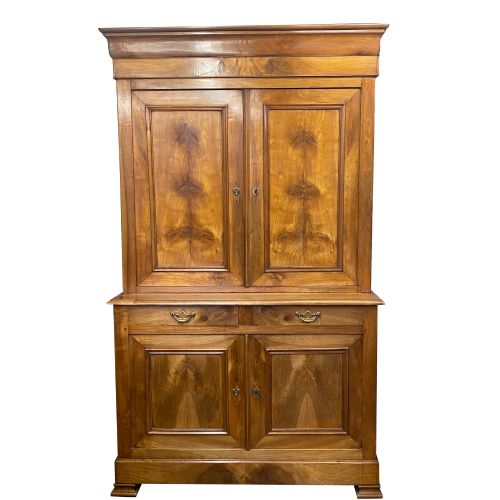
Quality reveals itself in the selection of timber grain, such as figured walnut or flame mahogany, and the crispness of hand-carved panels rather than shallow surface moulding.
Superior examples maintain structural integrity through original pegged joinery, well-hung heavy doors that close true, and proportionate cornicing that commands the room.
The French Linen Press Glossary
- Armoire
- A tall wardrobe or cupboard with doors enclosing shelving or hanging space. Originating in France, these pieces served as primary storage before fitted closets existed.
- Buffet deux corps
- A large two-part cabinet featuring a lower sideboard section beneath an upper display or storage cabinet. This imposing form dates back to provincial seventeenth and eighteenth-century dining rooms.
- Ormolu
- Gilt bronze mounts applied to furniture edges and corners. Craftsmen utilised this decorative technique primarily on high-status nineteenth-century pieces.
- Housekeeper's cupboard
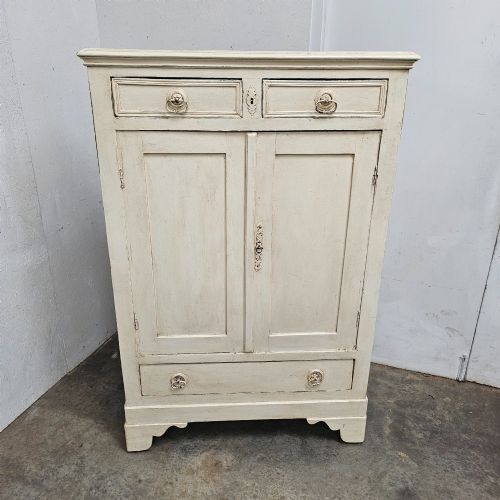
- A tall utility cupboard traditionally used for storing household linen and dry goods. These practical pieces feature deep internal cavities and sturdy shelving.
- Louis Philippe
- A mid-nineteenth-century French style characterised by restrained curves and minimal ornament. It prioritises clean architectural lines over excessive carving.
French Linen Press: Frequently Asked Questions
What is a french linen press used for today?
These large cabinets provide exceptional volume for modern storage needs, functioning as wardrobe space, linen organisation, or general shelving in bedrooms and living rooms.
Their deep shelves and tall compartments easily accommodate bulky blankets, clothing, or household items while adding distinct architectural character to a room.
How do I tell an 18th-century piece from a 19th-century one?
Eighteenth-century examples typically display hand-cut joinery, pegged framing, and deeper regional carving styles unique to provinces like Normandy or Provence. Walnut and oak dominate this earlier period.
Nineteenth-century pieces often incorporate machine-sawn timber elements, softer pine carcases, or exotic veneers like mahogany and rosewood alongside machine-made hardware.
Are these cupboards easy to dismantle for moving?
Many traditional French cupboards, particularly large armoires and two-part buffets, were constructed to be knocked down into panels and cornices for transport between rooms or houses.
Checking the construction reveals whether original pegged joints allow for straightforward dismantling during relocation.
What is the difference between an armoire and a housekeeper's cupboard?
An armoire generally serves as a grand wardrobe with deep hanging space or adjustable internal shelving enclosed by tall doors, often built with decorative crests.
A housekeeper's cupboard leans towards utilitarian storage, frequently featuring multiple internal tiers specifically designed for flat linens and provisions.