


19th Century French Armoire
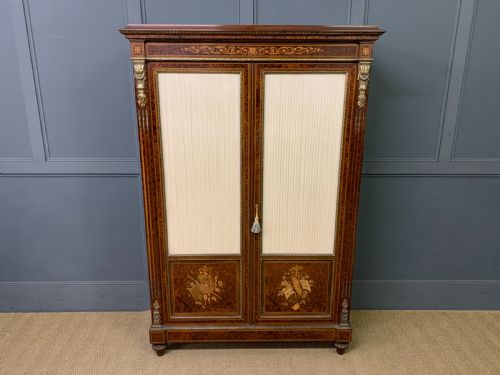
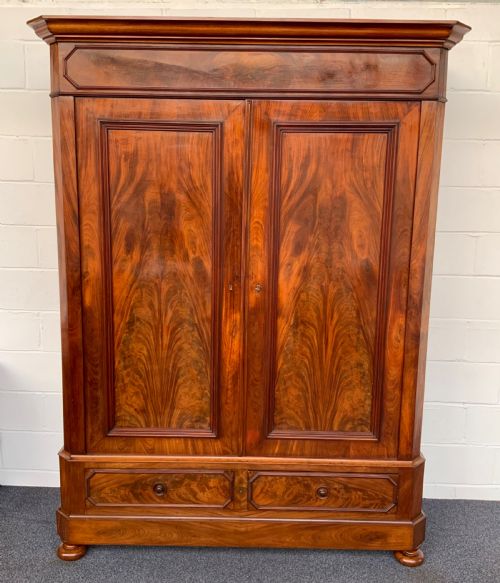
When you explore a 19th century french armoire, you encounter substantial timber storage designed for grand European interiors.
19th Century French Armoire
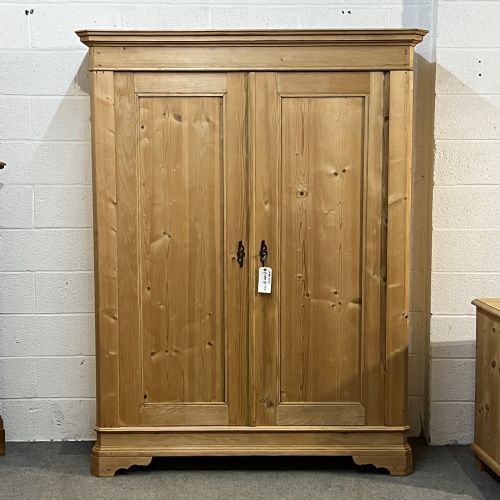
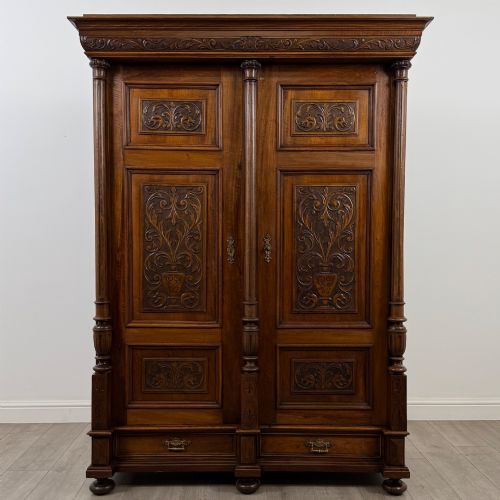
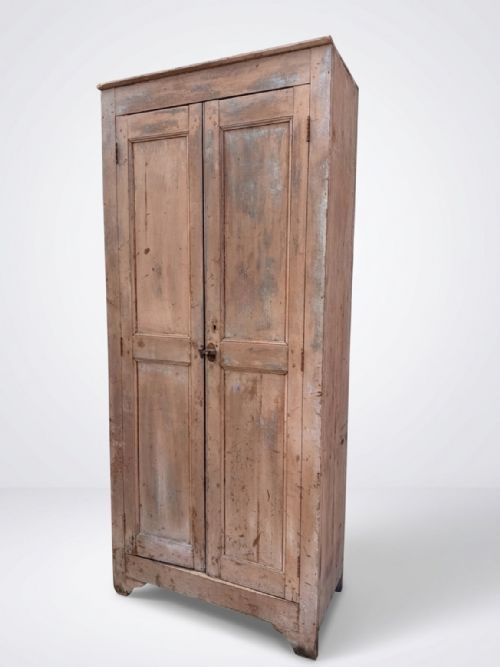
A 19th century french armoire represents the large-scale storage furniture produced across France during the eighteen-hundreds, serving primarily to house clothing, linen, and household goods. These pieces range from robust provincial storage cupboards to formal city furniture displaying distinct regional characteristics.
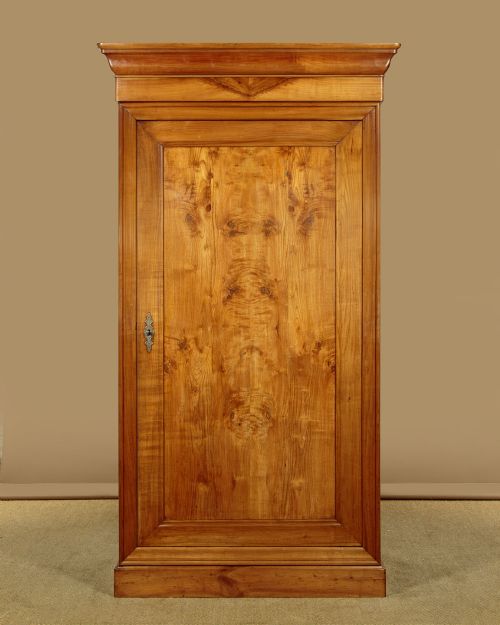
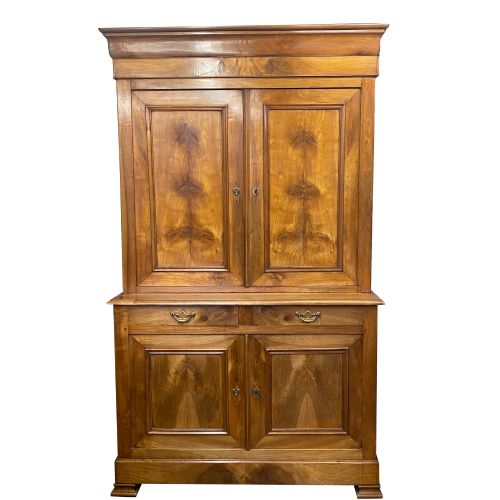
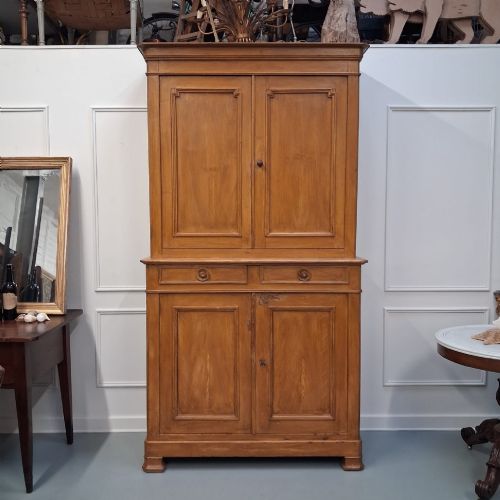
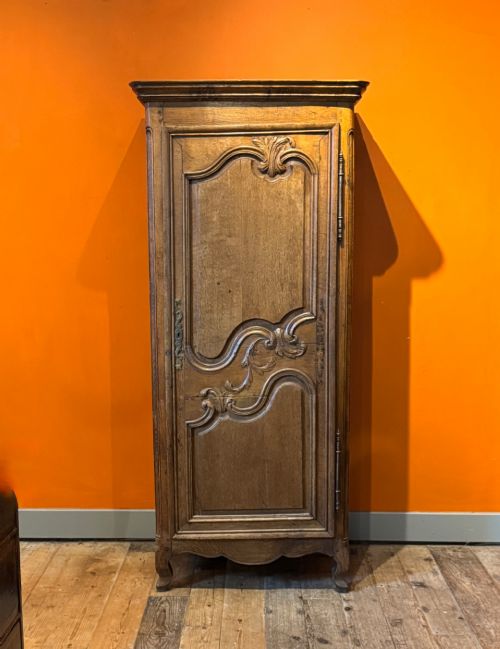
The varieties encountered most frequently on this page span solid oak, walnut, mahogany, and painted pine examples. Forms include single-door bonnetieres, imposing two-door wardrobes, and specialised marriage armoires built to celebrate domestic unions.
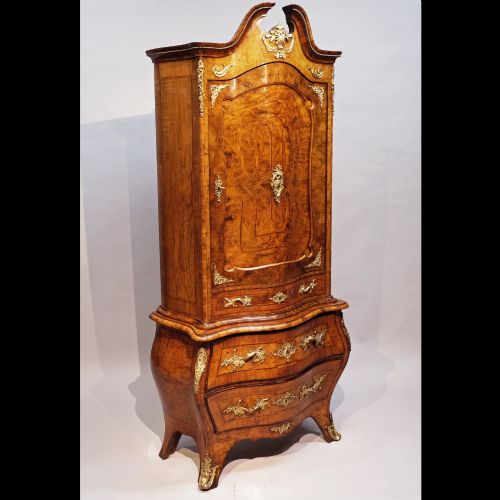
Makers often drew upon established regional vocabularies, producing works styled in Louis Philippe, Louis XVI, or Rococo Revival tastes. Many pieces dismantle into sections for transport, reflecting practical design considerations alongside decorative ambition.
Judging Quality and Execution
Excellence in these wardrobes rests on the selection of timber grain, such as flame mahogany or burr walnut, matched symmetrically across large door panels. Superior examples exhibit crisp, deep hand-carving rather than shallow machine profiling.
Internal architecture, original hardware like brass escutcheons, and the integrity of structural joints distinguish exceptional commissions from utilitarian workshop output. The weight of the timber and the precision of the panel assembly dictate overall durability.
Design influences recorded include Louis XVI, Louis Philippe, Rococo Revival, and French Empire styles.
The 19th Century French Armoire Glossary
- Armoire
- A large wardrobe or cupboard, traditionally featuring doors enclosing shelving or hanging space for garments. These pieces formed the primary clothes storage in European homes before fitted closets.
- Bonnetiere
- A narrow single-door cupboard originally designed for storing bonnets and hats. These slender cabinets suit smaller rooms while retaining regional decorative carving.
- Buffet Deux Corps
- A substantial two-part storage cabinet comprising a lower cupboard base surmounted by a matching upper section. This form offers extensive display and utility space.
- Ormolu
- Gilt bronze mounts and decorative trimmings applied to furniture surfaces. This technique added metallic lustre and formal elegance to high-status cabinets.
- Lit-clos
- An enclosed box bed built into wooden cabinetry, occasionally repurposed into standalone cabinets. This regional specialty originates from Brittany.
19th Century French Armoire: Frequently Asked Questions
How do I assemble a large armoire?
Many period wardrobes utilise knockdown construction with pegged joints or wedge systems designed for dismantling during transport.
Careful alignment of the frame and doors ensures proper closure once the piece rests on an even floor.
Can I adjust the internal shelving for modern clothes?
Most interiors can be adapted by inserting hanging rails or adjustable timber shelves into existing side supports.
Original cabinet configurations often favoured deep linen shelves rather than modern coat hanging depths.
How should I care for antique wood surfaces?
Maintain stable room humidity and temperature to prevent timber splitting or veneer lifting over seasonal cycles.
Apply occasional microcrystalline wax to nourish the polished grain without building up heavy chemical residue.