
Double Door Armoire
A double door armoire offers substantial storage through hinged panels, bringing architectural presence and period timber into a bedroom or hallway.
Double Door Armoire
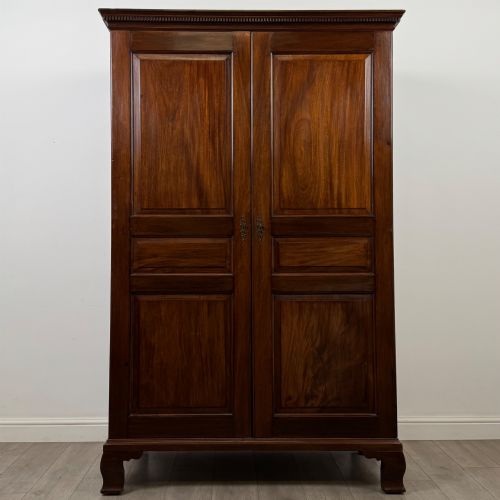
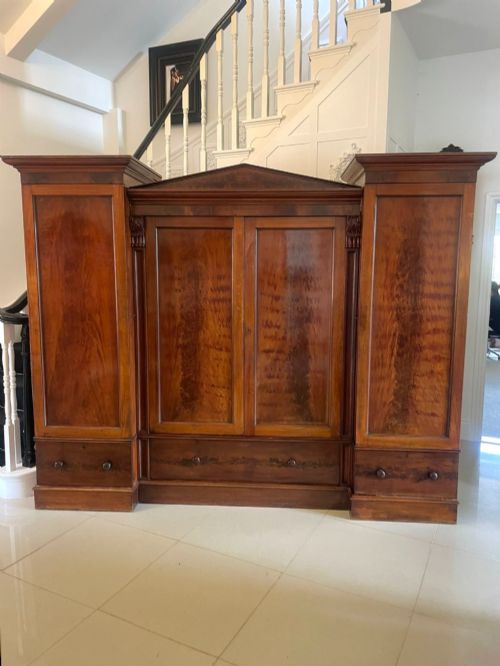
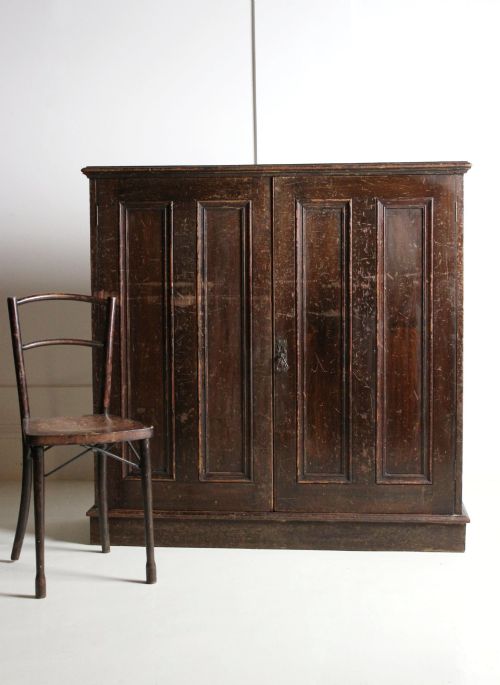
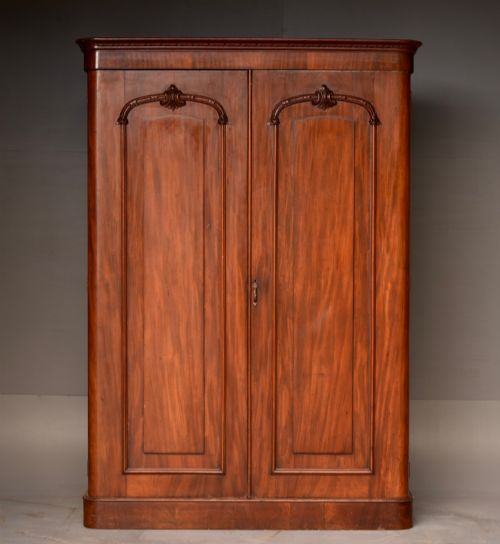
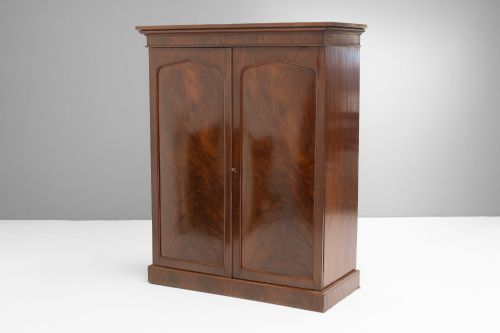
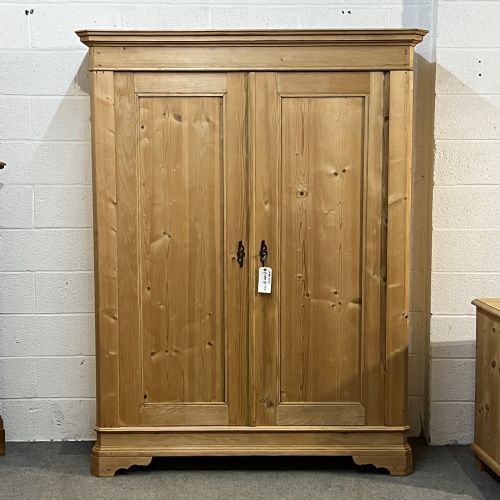
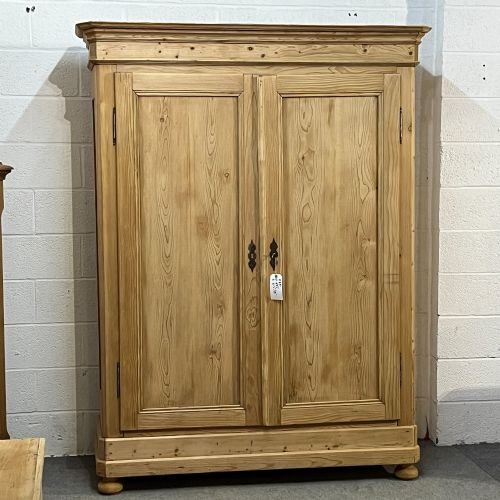
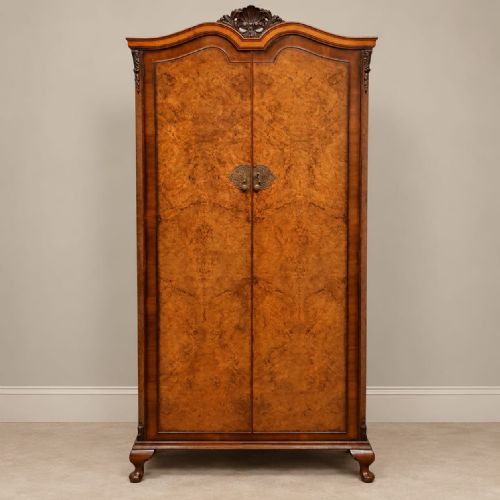
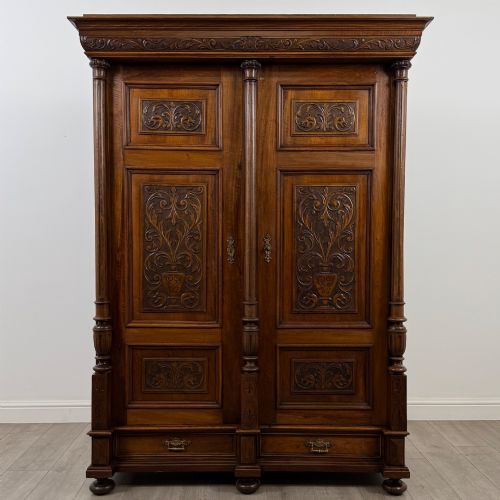
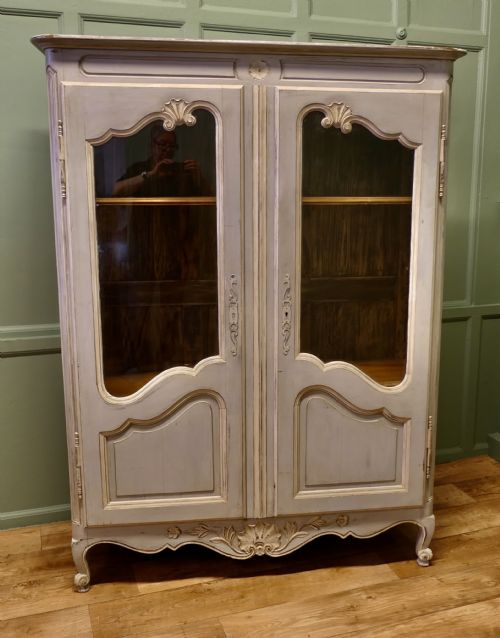
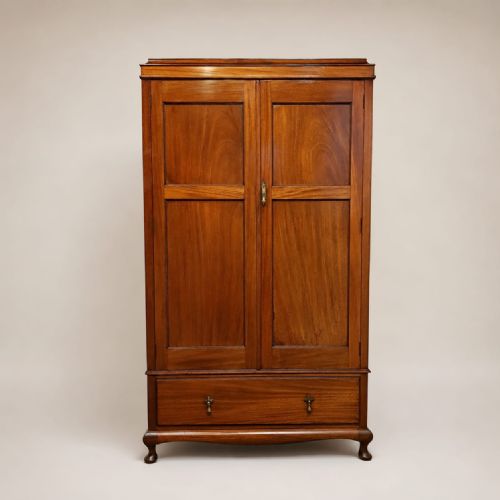
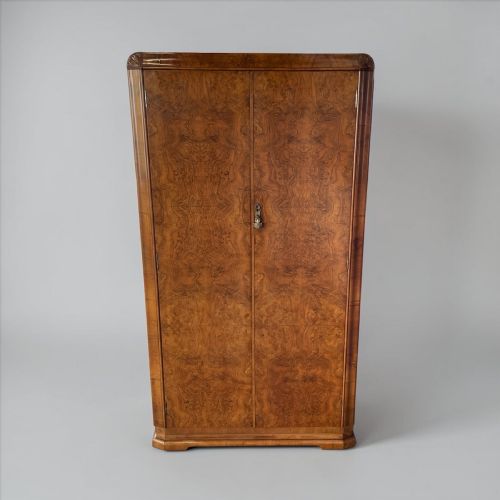
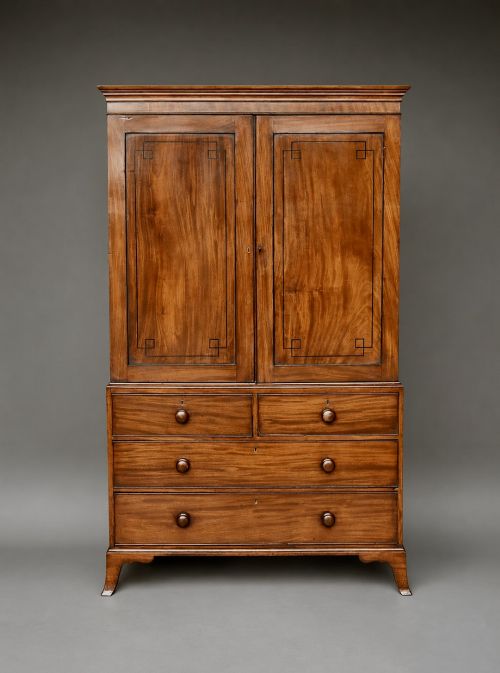
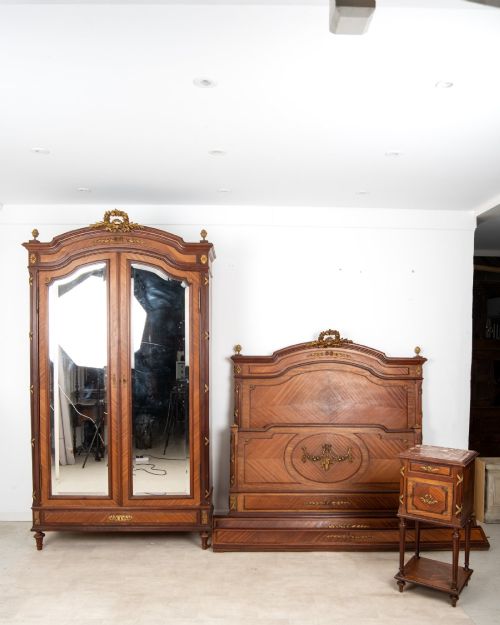
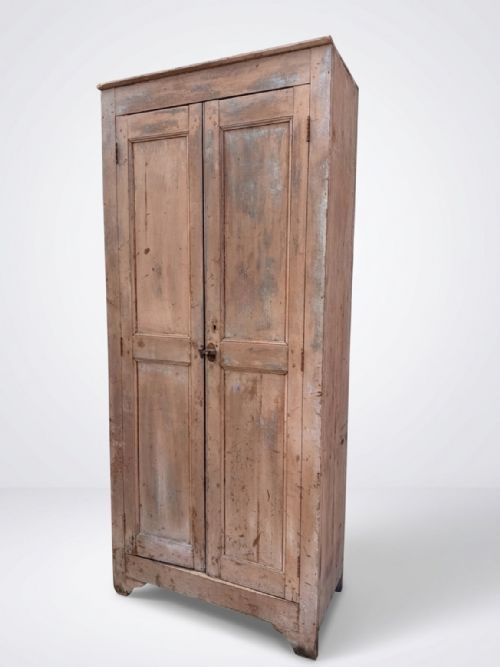
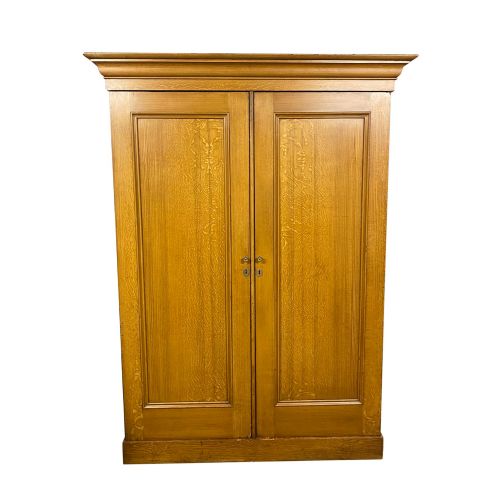
A double door armoire stands as a large storage cabinet designed to house garments, linen, or household goods behind a pair of primary hinged doors. Buyers seeking a double door armoire encounter varied expressions ranging from Georgian mahogany presses and Victorian pine knockdown wardrobes to Art Deco walnut closets and French painted armoires.
The material palette spans native hardwoods and softwoods alongside imported veneers, encompassing mahogany, oak, walnut, pine, and flame mahogany veneer. These pieces appear across 18th century, 19th century, and early 20th century periods, reflecting regional cabinet-making traditions from English country workshops to French provincial ateliers.
Materials and Construction
Cabinet-makers constructed these pieces primarily using solid timbers like mahogany, oak, and pine, frequently applying decorative veneers such as burr walnut or flame mahogany to primary surfaces. Structural integrity relied on traditional joinery, while knockdown systems allowed large pine and hardwood wardrobes to be dismantled for transport.
Surface finishes include wax polish, original scumble faux oak paintwork, and painted or lacquered schemes featuring Chinoiserie outdoor scenes. Brass hardware, iron fittings, and glass panels complete the construction of fitted interiors and hanging spaces.
Double Door Armoire Retail Price Guide 2026
Typical asking prices for double door armoire among the pieces listed under this phrase on Sellingantiques today, from the lower quarter to the upper quarter. They describe what is for sale here now, not the wider market.
Listings feature pine, mahogany, oak, and walnut across Victorian, Georgian, and 20th-century periods.
Judging Quality
Quality rests in the selection of timber figures, such as figured mahogany or burr walnut, and the crispness of mouldings and decorative carving. Superior examples maintain original surface treatments, hardware, and fitted internal configurations without modern alterations.
Structural stability in large wardrobes depends on sound joints and properly hung doors that close squarely within their frames. Pieces retaining original paintwork, scumble finishes, or maker details command distinct attention from collectors.
S & H Jewell·Harris Lebus
The Double Door Armoire Glossary
- Compactum
- A multi-compartment wardrobe incorporating hanging space, drawers, and shelving within a single cabinet. It provides diverse internal organisation for clothing and linen.
- Knockdown wardrobe
- A large piece constructed to be dismantled into sections for ease of transport and assembly. This technique was common in Victorian pine furniture.
- Linen press
- A tall cupboard featuring upper sliding trays or shelves for linen storage and lower drawers. Early examples often date to the Georgian period.
- Scumble paintwork
- A decorative paint technique applied over a base coat to imitate the grain of more costly timbers like oak. It appears on 19th century utility furniture.
- Vitrine
- A glass-fronted display cabinet used for books or decorative objects. Some antique examples share architectural proportions with double door armoires.
Double Door Armoire: Frequently Asked Questions
How do I assemble a knockdown wardrobe?
Knockdown wardrobes utilise interlocking timber components, bolts, or tongue-and-groove systems designed for assembly without permanent fixings. Keeping original numbered parts aligned ensures the frame squares correctly during setup.
Securing the cornice and base correctly distributes the weight of the heavy doors. Checking plumb lines prevents the double doors from binding against the frame.
What is a compactum wardrobe?
A compactum combines hanging space, sliding trays, and drawers inside one multi-purpose storage unit. These configurations emerged to maximise storage in Victorian and Edwardian bedrooms.
Internal partitions divide the cabinet into dedicated sections for garments and folded items. This design offers greater internal division than a standard hanging wardrobe.
How do I care for antique pine?
Antique pine responds best to natural beeswax applied sparingly to nourish the timber and protect the surface. Avoid placing softwood pieces in direct sunlight or near heat sources to prevent shrinkage.
Unwaxed or painted pine surfaces require gentle dusting with a dry cloth. Moisture should be kept away from historic painted finishes to prevent lifting.
Are these wardrobes deep enough for modern hangers?
Older wardrobes often feature shallower internal depths than contemporary closets because historical clothing was cut differently. Early pieces may require front-facing hanging rails or modified hooks.
Measuring the internal clearance before purchase ensures standard coat hangers fit inside the closed doors. Some period pieces were designed for shelves rather than hanging space.