
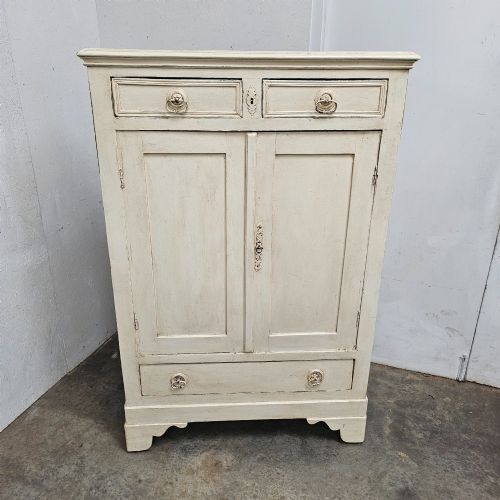


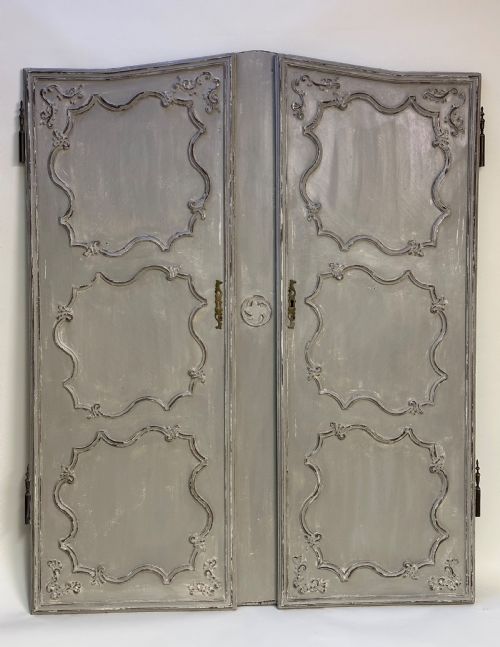
French Painted Armoire
A french painted armoire brings storage and character to a room, offering large timber doors and layers of historic paint.
French Painted Armoire
A french painted armoire is a tall storage cabinet designed for clothes, linen, or books, often featuring double doors and generous interior depth. These large pieces serve as focal points in a bedroom or hallway, combining practical capacity with decorative presence.
The selections span centuries of craftsmanship, ranging from simple country pine cupboards to grander pieces in oak and walnut. Regional variations bring different proportions and mouldings, while the applied painted finishes give each wardrobe its distinct visual character.
How They Were Made
Makers constructed these large cupboards using solid timbers such as pine, oak, walnut, and cherrywood, joined with traditional methods to withstand seasonal movement. Iron or brass hardware, including hinges, locks, and decorative detailing, secured the heavy doors and added functional contrast to the wood.
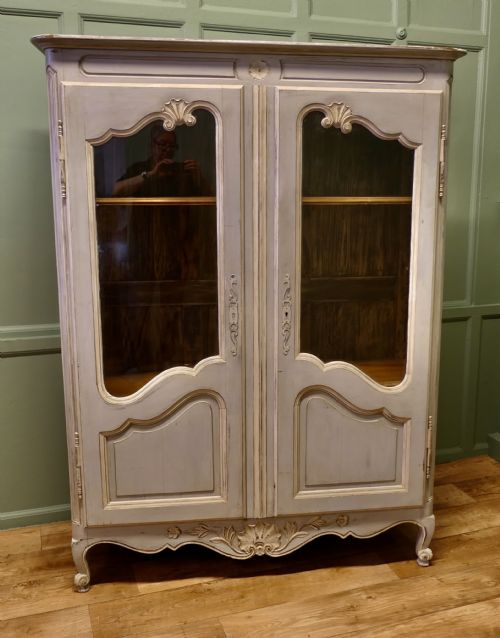
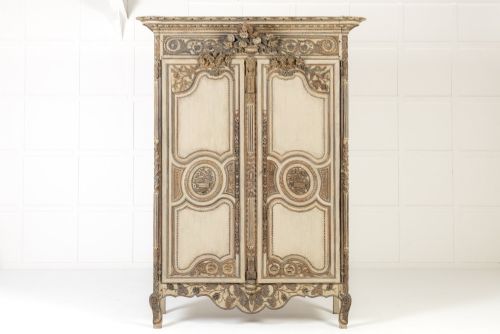
Surfaces received multiple coats of paint, which weathered over generations to create authentic patinas and remnants of earlier colours. Some examples include carved cartouches or glass panels, showing hand-worked details alongside the primary timber construction.
An industrial engineer's cabinet appears among the domestic wardrobes, bringing unexpected ironwork to the collection.
What Varies in Quality
The standard of an armoire rests on the integrity of its timber frame and the originality of its surface finish. Pieces retaining their early or original paint layers command greater interest than those stripped and repainted in modern times.
Proportion and scale also dictate distinction, with balanced double or triple door formats offering more presence than utility cabinets. The delicacy of hand-carved elements, such as crests and mouldings, separates standard provincial work from finer pieces.
The French Painted Armoire Glossary
- Armoire
- A large wardrobe or cupboard used primarily for hanging clothes or storing linen. These tall pieces often feature double doors enclosing shelves or hanging rails.
- Buffet à deux corps
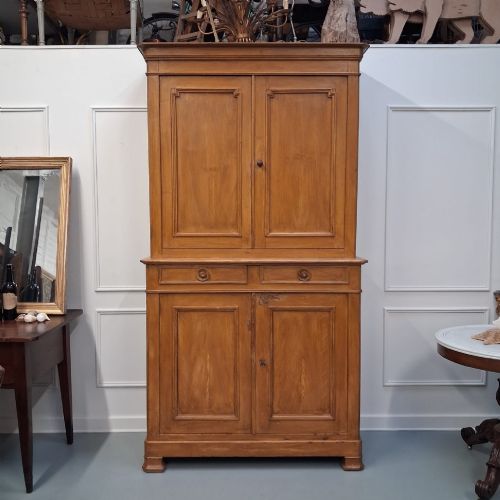
- A large two-part cupboard or sideboard consisting of an upper and lower section. This architectural form provides extensive storage and display space.
- Vitrine
- A glass-fronted cabinet designed for displaying books or valued objects. The glazed doors protect the contents while keeping them visible.
- Cartouche
- An ornamental carved panel, often shaped like a scroll or shield, placed at the crest of an armoire. It provides a focal point for the upper moulding.
French Painted Armoire: Frequently Asked Questions
How do I fit a large armoire?
Many traditional French armoires dismantle into sections, including the cornice, base, and side panels, allowing them to pass through standard doorways. Check the assembly method with the specific piece before delivery.
Ensure you measure both the ceiling height and floor space of your room, accounting for the swing of wide double doors.
Can I use an armoire for modern clothes?
Most pieces can accommodate modern hanging rails or internal shelving depending on whether their original interior was configured as a linen press or wardrobe. Deeper cabinets easily hold standard coat hangers.
Adjustable shelf supports or custom rails can be fitted carefully without altering the historic timber structure.
How do I care for original painted finishes?
Historic paint surfaces require gentle dusting with a dry cloth and protection from direct sunlight and excessive humidity. Avoid chemical cleaners that can strip or soften aged layers.
Wax is occasionally applied to sealed painted surfaces to nourish the timber underneath and protect against minor scuffs.
How do I date an antique armoire?
Dating relies on examining the timber species, hand-cut joinery, iron or brass hardware styles, and the composition of the paint layers. Regional French provincial characteristics also shift across the eighteenth and nineteenth centuries.
Interior construction marks, such as pit-sawn boards or hand-forged hinges, often point to earlier periods of production.