



Rustic French Painted Cabinet
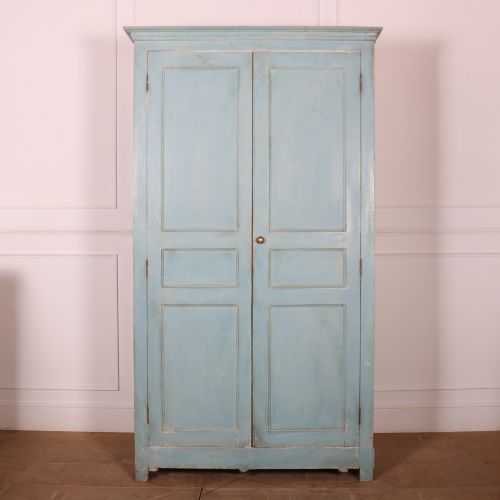
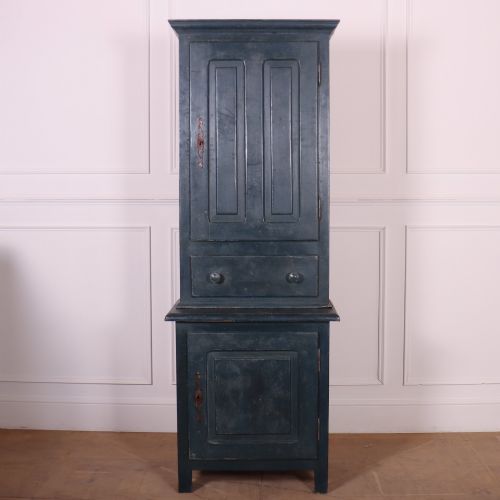
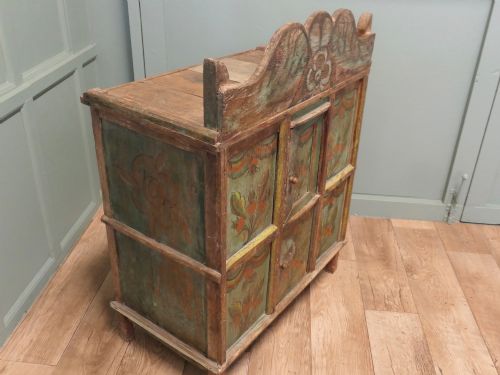
A rustic french painted cabinet brings honest provincial character and practical storage to a room through time-softened pigment and sturdy pine construction.
Rustic French Painted Cabinet
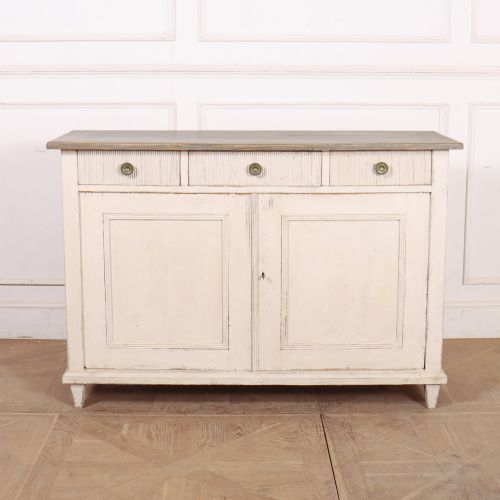
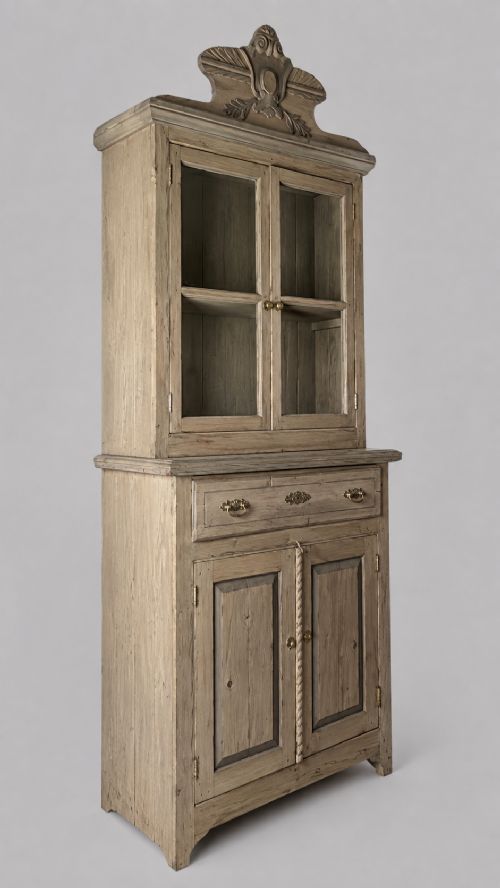
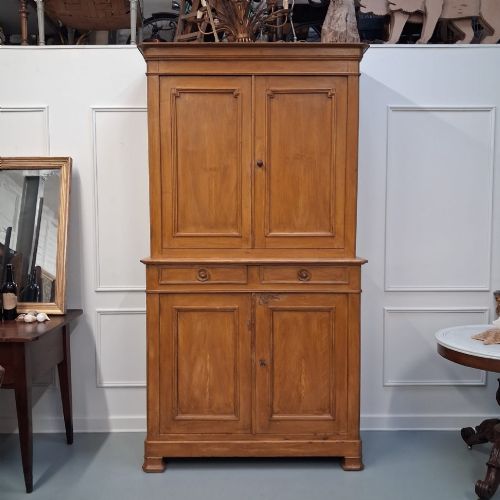
A rustic french painted cabinet encompasses utility storage pieces originating from provincial France and the wider continental tradition, spanning the mid-nineteenth century through the Edwardian period. Buyers encounter forms such as narrow cupboards, housekeeping cupboards, linen presses, glazed display cabinets, and jam cupboards known as confituriers.
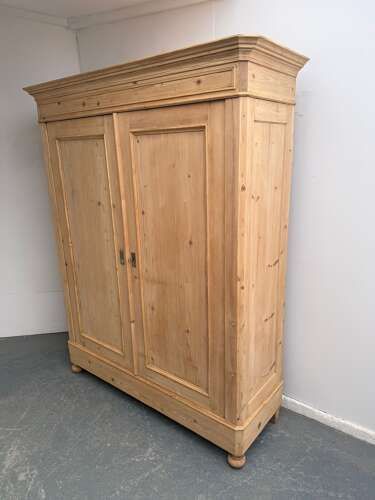
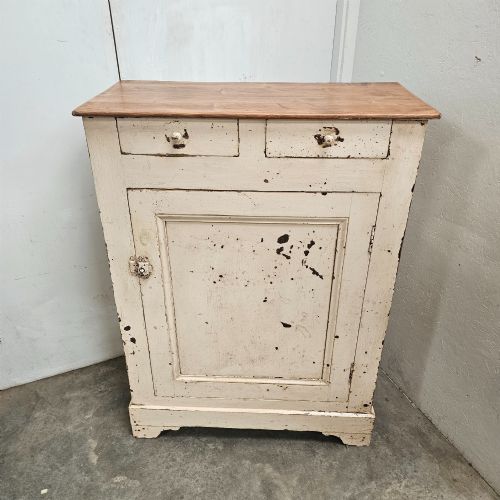
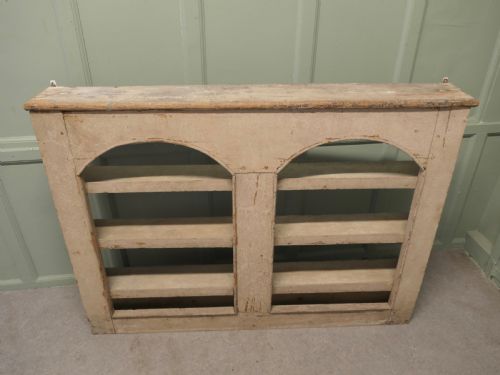
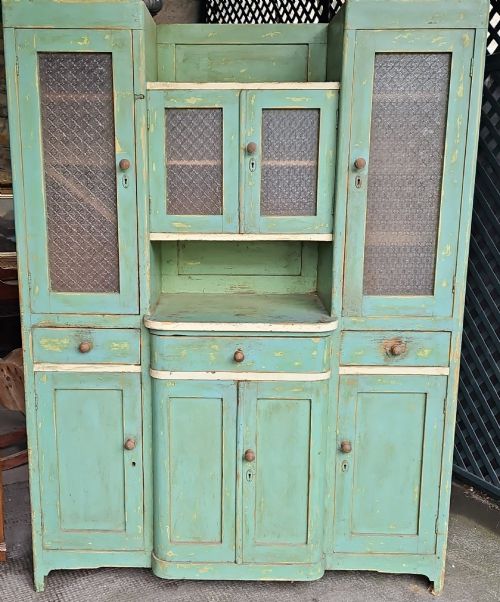
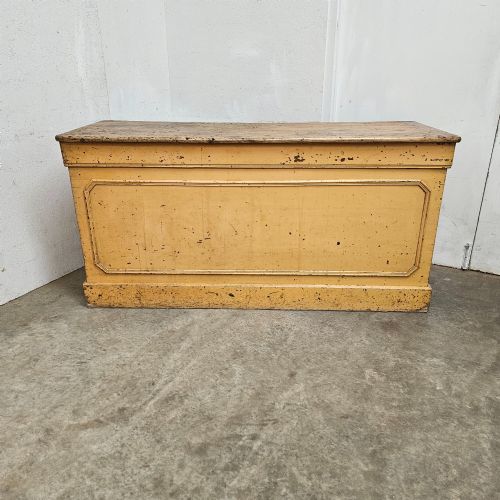
The version most commonly met on this page is constructed from pine or softwood, carrying layers of original or historic paint that show the knocks of daily domestic or rural use. These items range from tall armoires and shelved storage units down to lower shop counters and fitted alcove cupboards.
The design vocabulary draws on French provincial, folk art, and rustic country styles, prioritizing straightforward timber utility over ornate joinery. Each piece reflects the functional needs of rural households, farmhouses, and regional shops where durable storage was essential.
How they were made
Construction relies primarily on solid pine and softwood planks joined to form carcass frames, shelves, and doors, occasionally supplemented by knockdown fixings for easier transport. Metal fittings such as brass or iron hinges, handles, and latches provide the mechanical operation for doors and drawers.
Surfaces are finished with pigment and paint applied directly to the timber, sometimes showing multiple historic coats that wear down gradually to reveal the wood beneath. This layered application creates the characteristic textured skin seen on pieces ranging from housekeeping cupboards to shop counters.
Rustic French Painted Cabinet Retail Price Guide 2026
Typical asking prices for rustic french painted cabinet among the pieces listed under this phrase on Sellingantiques today, from the lower quarter to the upper quarter. They describe what is for sale here now, not the wider market.
Object forms range widely from tall linen cupboards and glazed armoires down to compact jam cupboards and shop counters with banks of drawers.
What varies in quality
The distinction between tiers rests upon the integrity of the original construction and the preservation of authentic surface pigment. Pieces retaining their initial painted finish without heavy modern intervention display a superior material honesty that elevates their standing.
Proportion and structural balance also separate standard examples from finer specimens, particularly in regional items like wedding cupboards or glazed armoires where timber thickness and hardware quality remain consistent throughout.
The Rustic French Painted Cabinet Glossary
- Confiturier
- A small jam cupboard designed in French provincial kitchens to store preserves and dry goods. These low storage pieces often feature a single door above a small drawer.
- Armoire
- A large freestanding wardrobe or tall cupboard used primarily for hanging or shelving garments. In rural contexts, these substantial timber pieces served as the main household storage.
- Softwood
- Timber derived from conifer trees, predominantly pine in these listings, which formed the accessible material for regional cabinetmakers. It takes paint readily and adapts well to everyday domestic demands.
- Pigment
- The raw colouring matter mixed into binders to create the historic paints found on these surfaces. Original pigment layers provide the authentic visual depth collectors value.
Rustic French Painted Cabinet: Frequently Asked Questions
What is a confiturier?
A confiturier is a compact provincial cabinet traditionally used in French kitchens to store jars of jam and preserves. These low, single-door cupboards fit easily into modern living spaces while offering useful surface area.
They represent the smaller scale of regional French storage furniture, often sitting comfortably beside larger sideboards and dressers.
How do I care for painted pine?
Painted pine requires gentle cleaning with a dry or slightly damp cloth to preserve fragile historic pigment layers. Avoid harsh chemical cleaners that can strip or soften the aged surface.
Maintaining stable indoor humidity prevents the softwood from shrinking or expanding, protecting both the timber joints and the painted finish.
Where were these cabinets used?
These pieces served practical roles in French farmhouses, provincial kitchens, country shops, and rural homesteads. Housekeepers stored linens, foodstuffs, and crockery within their shelved interiors.
Commercial variants like shop counters and bank drawers also functioned in trade environments before entering domestic collections.
How can I tell the period?
Dating relies on construction methods, timber thickness, and the characteristics of the paint layers applied over the softwood carcass. Mid-nineteenth-century examples often display hand-planed boards and forged iron hardware.
Later Victorian and Edwardian pieces shift slightly in proportion and employ more standardised fixings while maintaining the rustic country aesthetic.