

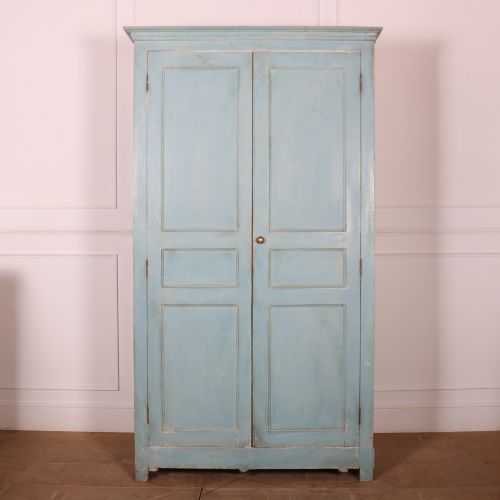
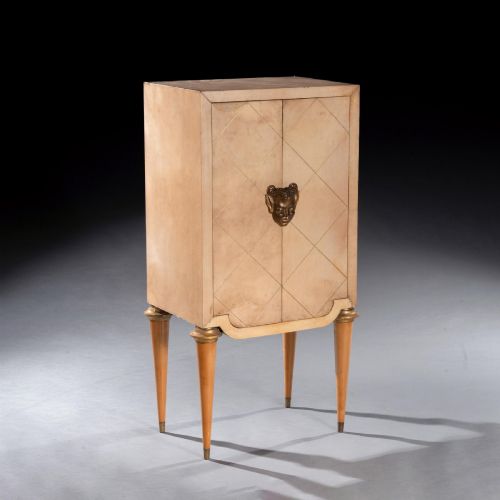
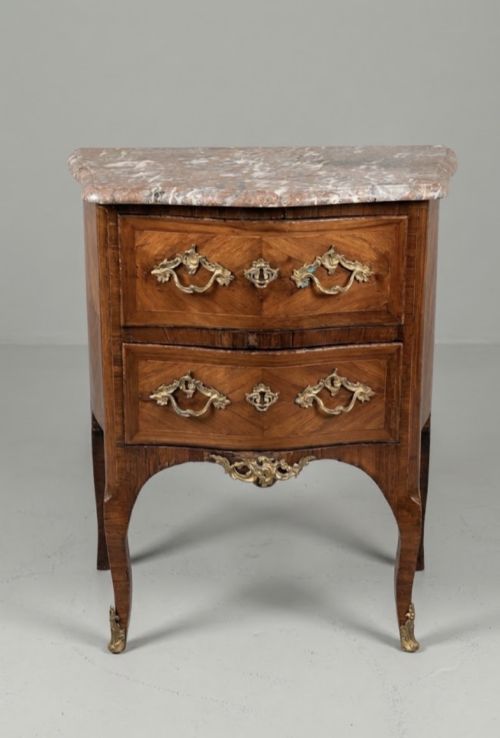
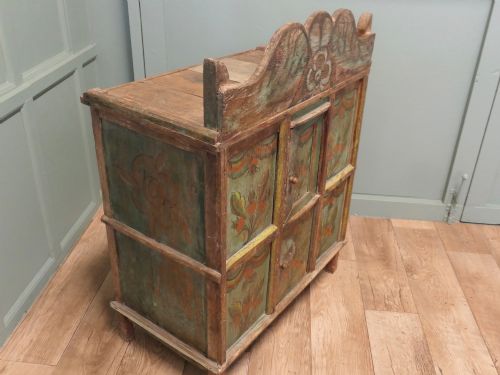
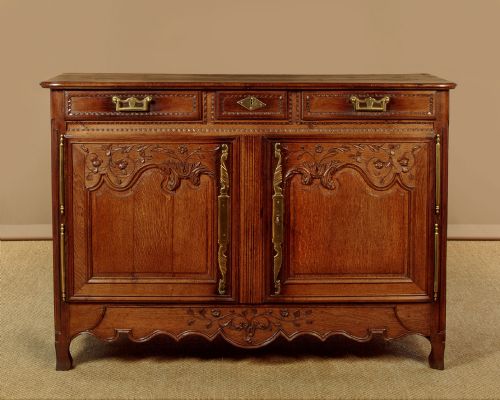
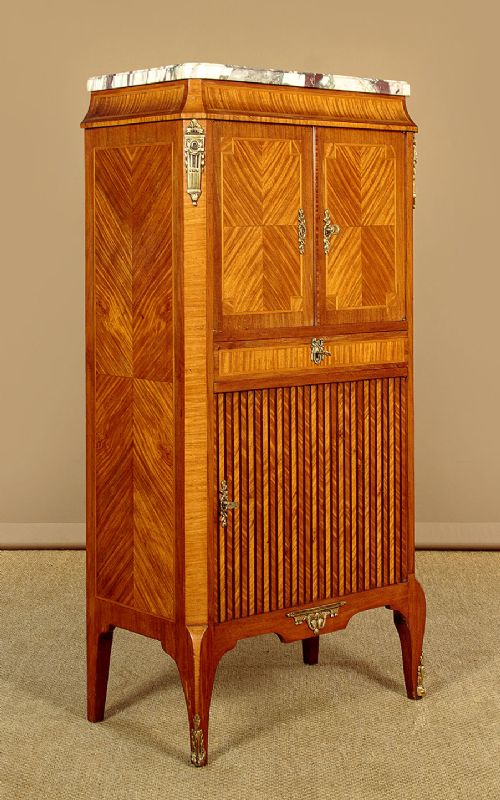
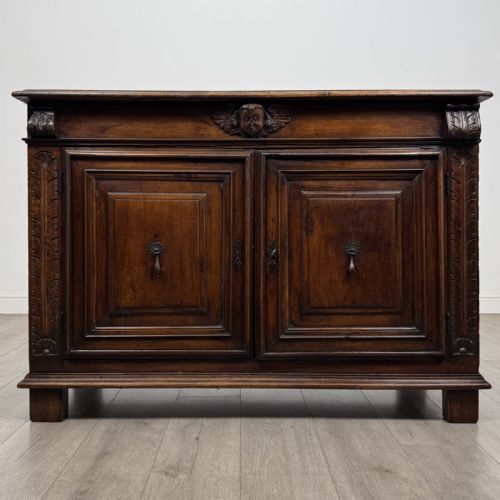

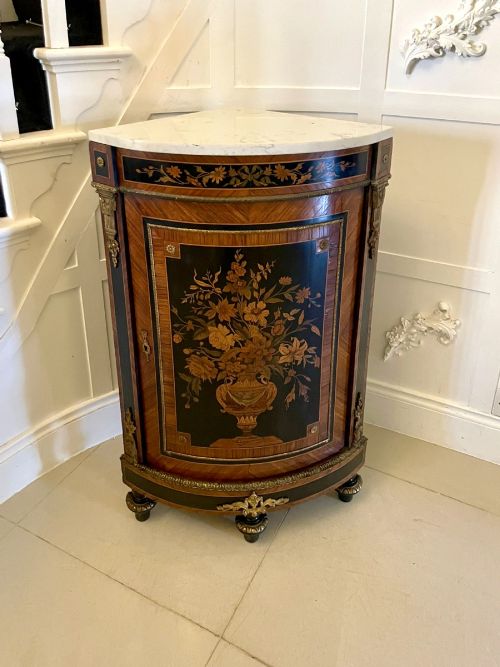
Vintage French Storage Cupboard
A vintage french storage cupboard brings continental character to a room, offering practical concealment for household belongings within handsome period timber.
Vintage French Storage Cupboard
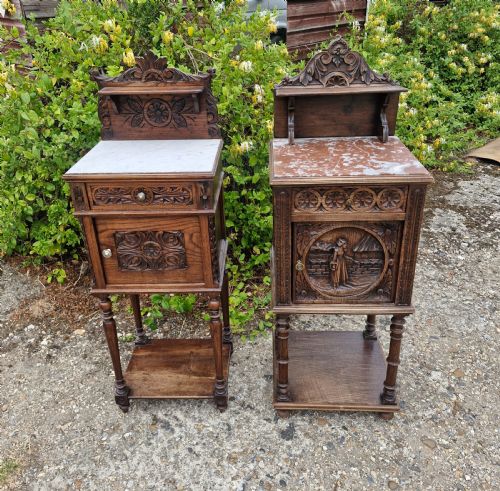
A vintage french storage cupboard encompasses a diverse group of practical wooden furniture designed to house household items, linens, and provisions. When searching for a vintage french storage cupboard, buyers encounter varied regional forms ranging from rustic farmhouse cupboards to refined salon cabinets.
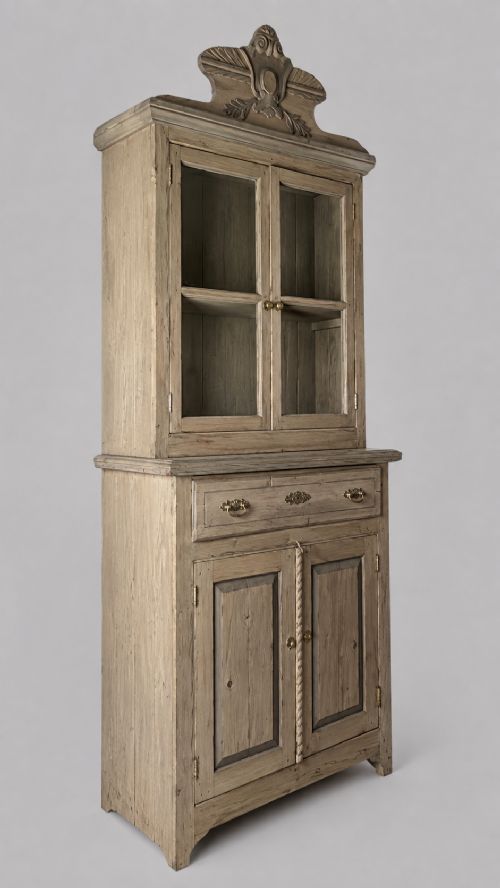
The selections span distinct historical periods, prominently featuring pieces originating across the nineteenth and eighteenth centuries alongside early twentieth-century interpretations. Common structural formats include tall linen cupboards, low sideboards, bedside cabinets, and specialised pieces like jam cupboards.
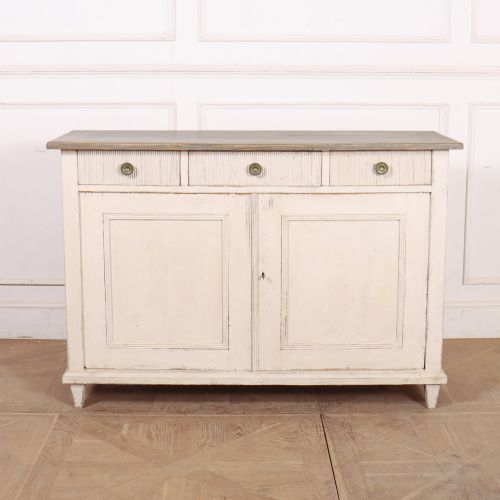
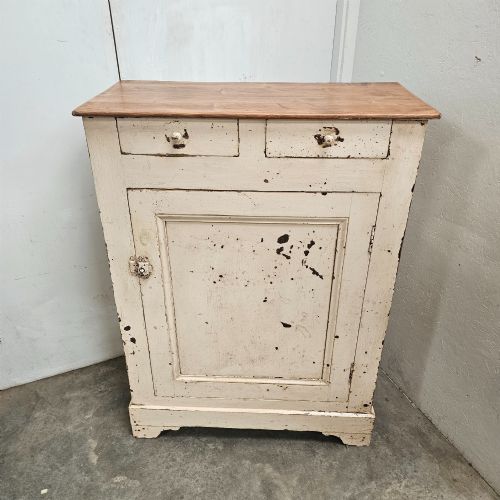
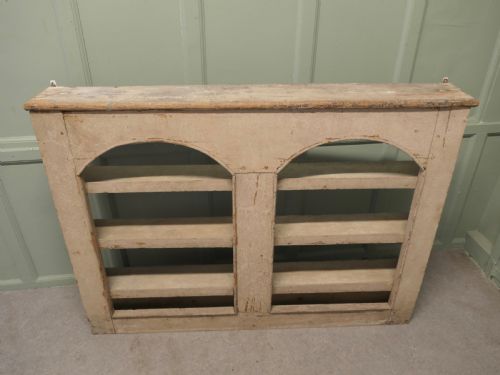
Regional diversity shapes these objects, incorporating French provincial, country, and chateau styles alongside select Art Deco and Renaissance Revival expressions. Oak and pine dominate the simpler rural variants, while walnut, kingwood, and mahogany define the more urbane examples.
How they were made
Cabinet makers utilised solid native timbers such as oak, pine, and cherrywood for structural integrity, often employing hand-planed boards and traditional joinery methods. Finer urban pieces incorporate exotic veneers like walnut and kingwood applied over secondary carcassing.
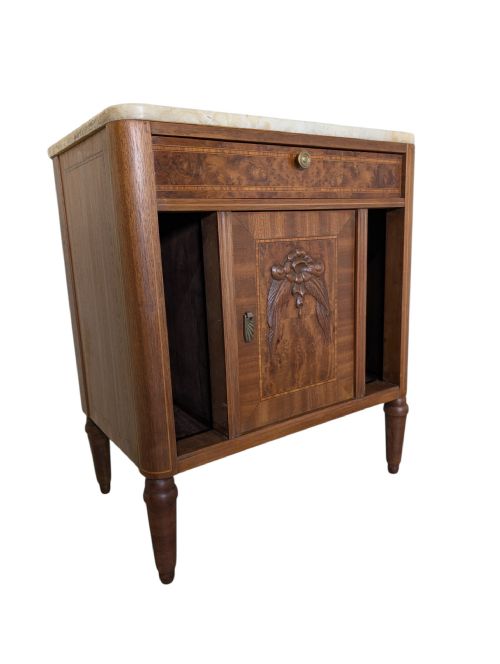
Decorative embellishments combine carved wooden motifs, marquetry, and parquetry with cast brass or ormolu mounts. Surfaces frequently feature historic painted finishes, clear wax, or polished marble tops.
Specialised hardware, including brass hinges, working locks, and iron keys, secures doors and drawers while marking the period of manufacture.
Vintage French Storage Cupboard Retail Price Guide 2026
Typical asking prices for vintage french storage cupboard among the pieces listed under this phrase on Sellingantiques today, from the lower quarter to the upper quarter. They describe what is for sale here now, not the wider market.
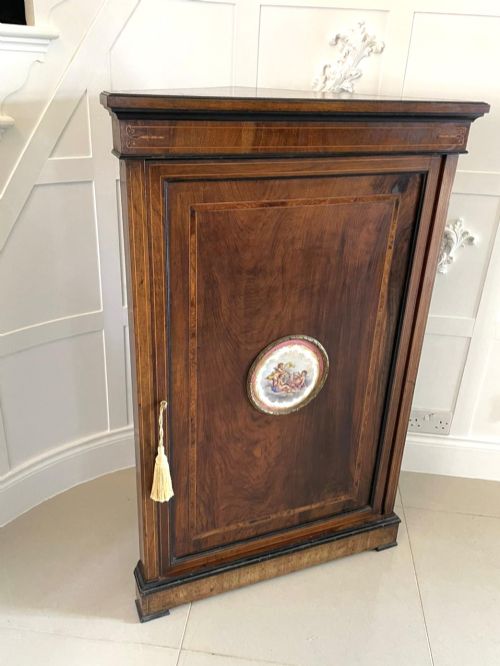
Carved cherubs peer out from nineteenth-century walnut sideboards alongside utilitarian double tambour filing cabinets.
What varies in quality
The calibre of timber selection and complexity of surface ornamentation distinguish standard utility pieces from exceptional workshop creations. Dense hardwoods and intricate hand-carved details signal superior craftsmanship.
The integrity of original construction, including pegged joints and uncompromised internal shelving, separates well-preserved examples from heavily altered pieces. Original hardware and matching keys add significantly to a piece's integrity.
The refinement of decorative elements such as inlaid parquetry veneers, vernis martin panels, and fitted marble slabs dictates the upper echelon of the range.
Maurice Jallot·Galle
The Vintage French Storage Cupboard Glossary
- Confiturier
- A small regional cupboard, also known as a jam cupboard, traditionally used in France for storing preserves and household provisions.
- Enfilade
- A long sideboard or buffet featuring a continuous line of multiple doors and drawers, designed for dining room storage.
- Ormolu
- Gilded bronze mounts and decorative trimmings applied to the exterior angles and doors of high-status cabinets.
- Parquetry
- Geometric patterns formed by small pieces of wood veneer fitted together on the surface of doors or tabletops.
- Vernis Martin
- A decorative lacquer technique imitating Asian japanning, developed in France during the eighteenth century.
Vintage French Storage Cupboard: Frequently Asked Questions
What rooms suit a vintage french storage cupboard?
These cupboards adapt well to kitchens, living rooms, and bedrooms, providing substantial concealed storage for tableware, linens, or books.
Their varied footprints allow compact bedside versions to fit small guest rooms while large enfilades anchor spacious dining areas.
How do I distinguish eighteenth-century pieces from later copies?
Examination of internal construction timber, hand-cut joinery, and the natural oxidation of the wood help determine true period age.
Earlier provincial pieces display tool marks and hand-pegged joints distinct from mass-produced twentieth-century revivals.
Are painted finishes original on these cupboards?
Many rural and provincial cupboards retain historic layers of paint applied during their working life in French farmhouses.
Layered patination and wear patterns distinguish genuine historic paint from modern decorative applications.
How should I care for marble-topped cabinets?
Marble surfaces require gentle cleaning with neutral soap and water to avoid staining from acidic liquids or oils.
Applying a specialised stone wax helps protect the polished finish from moisture rings and daily wear.