


Vintage French Armoire
A vintage french armoire brings generous storage and unmistakable continental character to a room, offering grand proportion alongside practical utility.

Vintage French Armoire
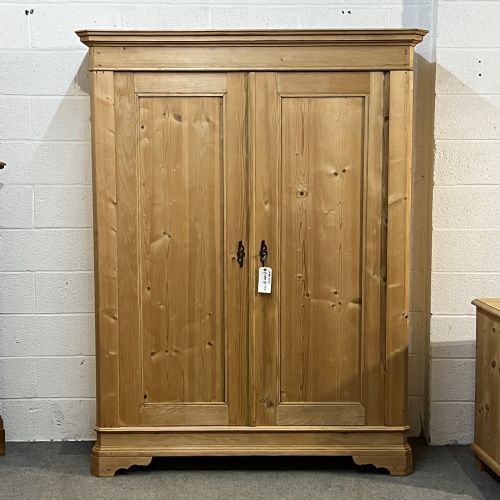
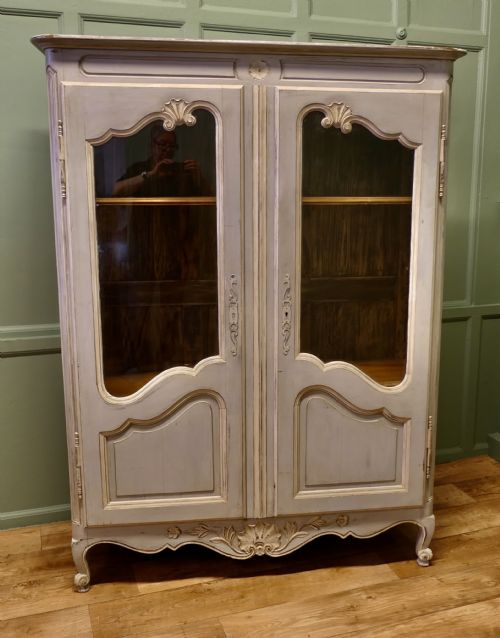
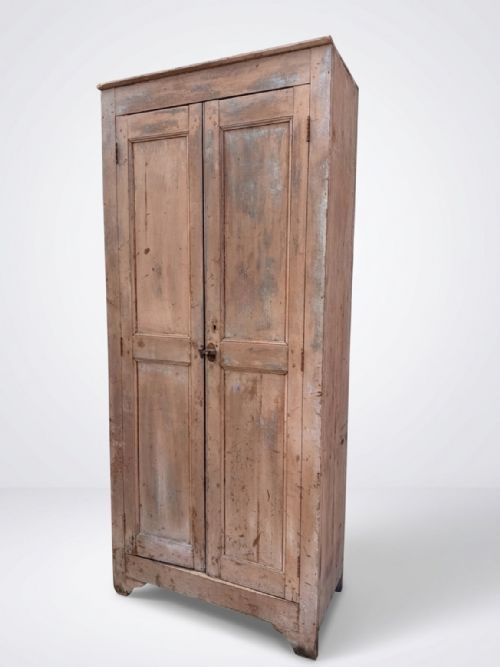
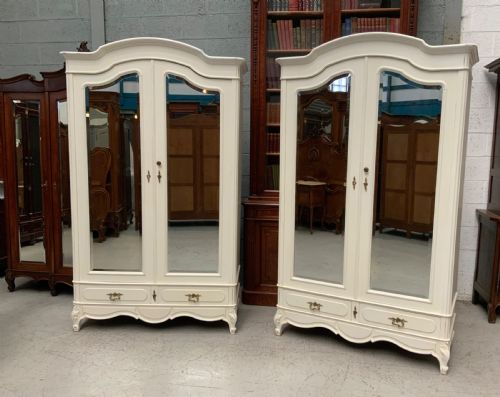
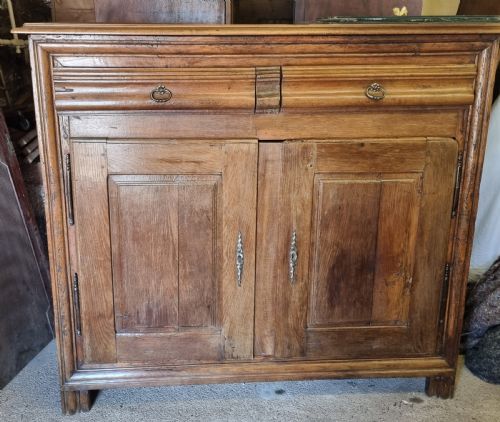
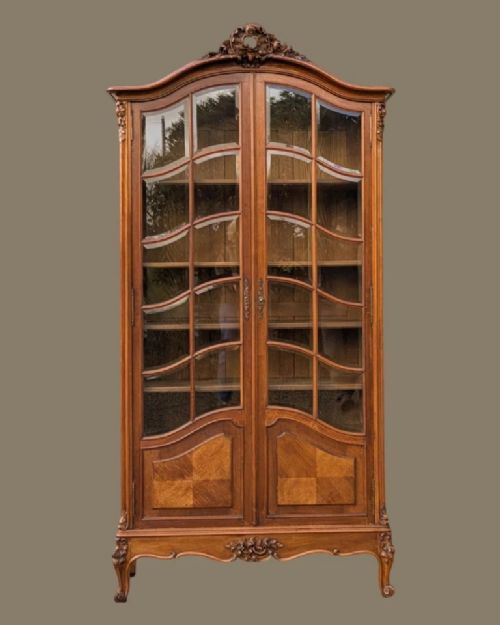
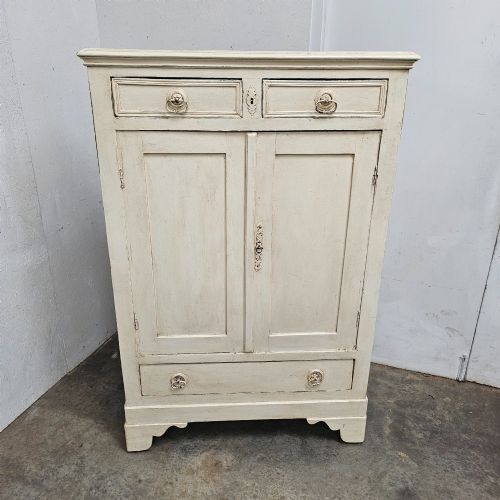
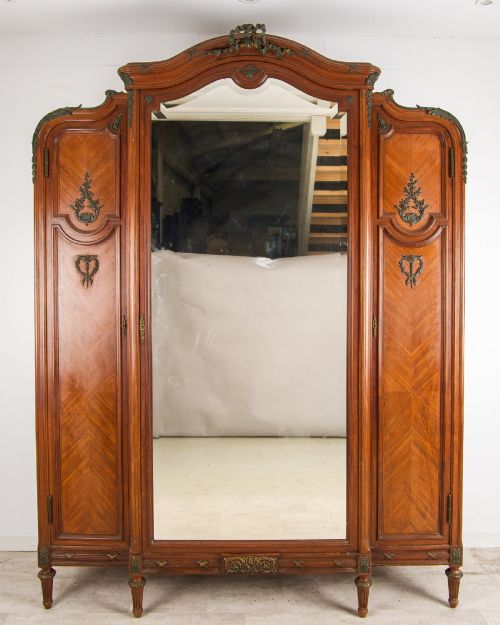
When you search for a vintage french armoire, you encounter substantial storage pieces designed for bedrooms, dressing rooms and living spaces. These items encompass tall wardrobes, double door cupboards, linen presses and bookcase cabinets originating from continental workshops.
The selections available here range from rustic provincial pine and fruitwood to stately walnut, mahogany and bleached oak examples. Pieces span several centuries, with nineteenth century creations and revival styles appearing alongside earlier provincial models.
What varies in quality
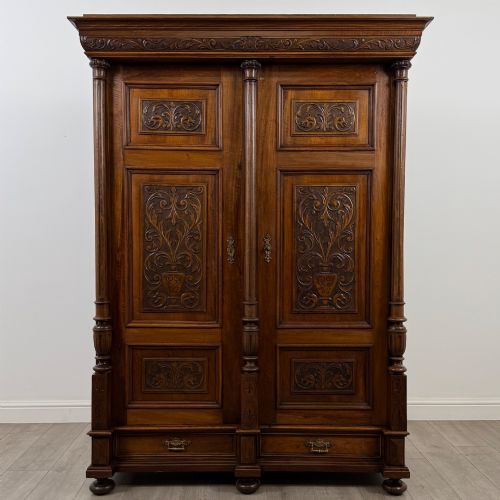
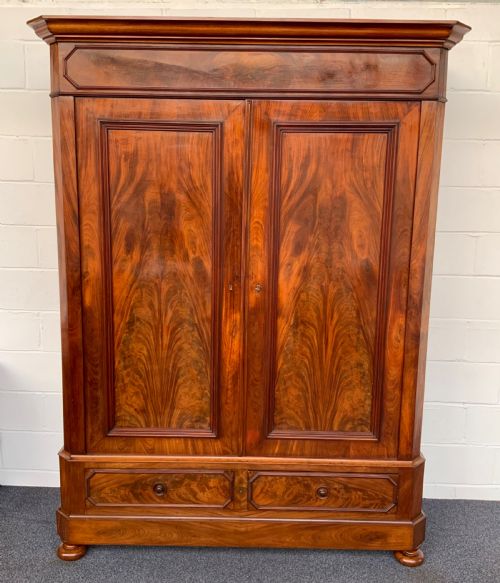
Quality rests upon the selection of timbers, the crispness of hand carving and the integrity of the original construction. Finer examples display carefully matched wood grains, such as flame mahogany or figured walnut, rather than plain surfaces.
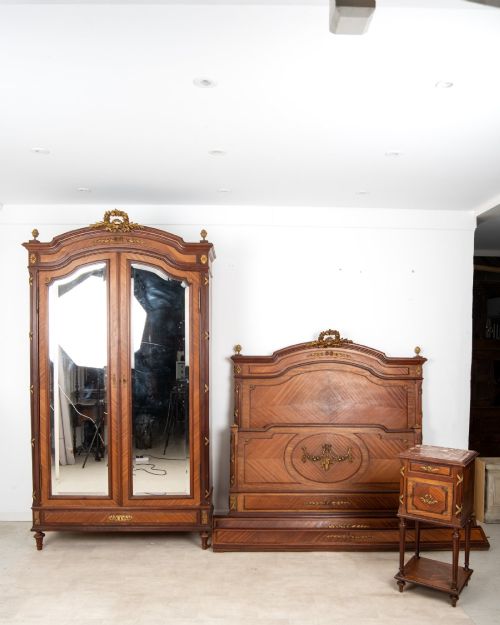
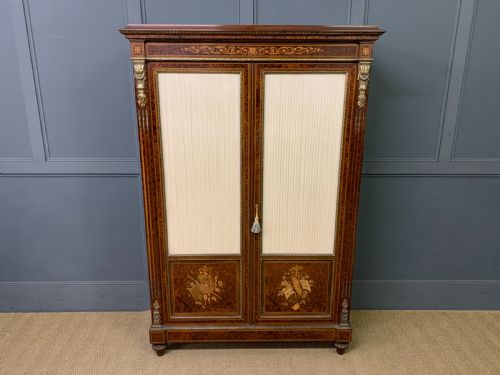
The refinement of decorative hardware, including cast bronze ormolu mounts and original working locks, distinguishes higher tier output. Structural proportion and the balance between height, depth and ornamentation dictate the visual presence of each piece.
One unexpected workshop offering includes an iron engineer's cabinet complete with remnants of original paint.
JEAN FAURE
The Vintage French Armoire Glossary
- Armoire
- A large freestanding wardrobe or cupboard, traditionally used for storing garments and household linens. These tall pieces often feature double doors and internal shelving or hanging space.
- Ormolu
- Gilded bronze mounts applied as decorative ornaments to furniture, particularly popular during revival periods. This metalwork adds metallic contrast to polished mahogany and walnut surfaces.
- Vitrine
- A glass-fronted cabinet or bookcase designed for displaying collections, books or ceramics. These display pieces utilise glass panels to keep contents visible yet protected from dust.
- Provincial
- Denoting items originating from regional areas outside the capital, typically characterised by simpler construction and local timbers like fruitwood or pine. These designs emphasise practical utility over elaborate court styles.
- Revival
- A nineteenth century design movement that reinterpreted earlier historical aesthetics, such as Louis XV and Louis XVI styles. Cabinet makers drew direct inspiration from royal French archives for these revival commissions.
Vintage French Armoire: Frequently Asked Questions
How do I fit a large armoire into a modern room?
Measure your ceiling height and floor space carefully before purchasing, ensuring clearance for doors to open fully. Many antique models feature knock-down construction with pegged joints, allowing them to be dismantled for transport and reassembled on site.
Position the piece against a main wall where its height anchors the room visually. Utilise internal shelves for folded garments or add a hanging rail if the interior configuration permits.
What is the difference between an armoire and a wardrobe?
Historically, an armoire served as a general cupboard for storing arms, armour or household textiles before evolving into a dedicated wardrobe for clothing. In modern usage, the terms often overlap significantly when describing large continental storage furniture.
French armoires frequently incorporate deeper proportions, adjustable shelving and decorative carved pediments. Wardrobes tend to focus specifically on garment hanging space behind full-length doors.
How do I maintain the wood on an antique cabinet?
Dust the exterior regularly with a soft, dry cloth to prevent particulate buildup on carved details and polished surfaces. Avoid placing the piece in direct sunlight or near heat sources to prevent the timber from drying out and splitting.
Apply a quality beeswax periodically to nourish hardwoods like oak, walnut and mahogany. Refrain from using modern chemical sprays that can damage historic finishes.
How can I tell which period an armoire comes from?
Examine the timber, construction methods, hardware and decorative motifs to determine the likely era of manufacture. Nineteenth century revival pieces often exhibit exaggerated Louis XV or Louis XVI scrollwork and machine-cut elements alongside hand-finished details. Ninteenth-century provincial pieces display simpler pine or fruitwood construction with hand-cut joints, while eighteenth-century examples show distinct patination and pegged joinery native to their period.