



Louis XV Style Wardrobe
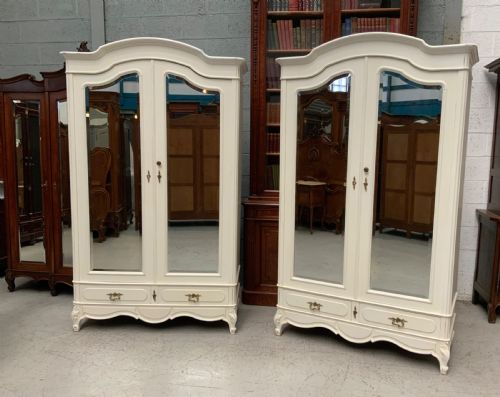
A louis xv style wardrobe brings grand continental curves and carved walnut or bleached oak to a bedroom.
Louis XV Style Wardrobe
A louis xv style wardrobe offers substantial bedroom storage shaped by characteristic Rococo revival lines and asymmetric panel work. These large cabinets appear in single, double, and triple door formats, often constructed with prominent cornices and fitted with internal hanging space or shelving.
The pieces on this page span several distinct periods, ranging from genuine eighteenth-century examples to later nineteenth and early twentieth-century revivals. Buyers encounter French provincial expressions alongside more ornate chateau interpretations executed in walnut, oak, or paint.
How they were made
Makers utilised solid timber frames alongside panelled construction in walnut and oak to build these substantial armoires. Selected pieces feature bleached oak surfaces or painted finishes applied over carved wooden structures.
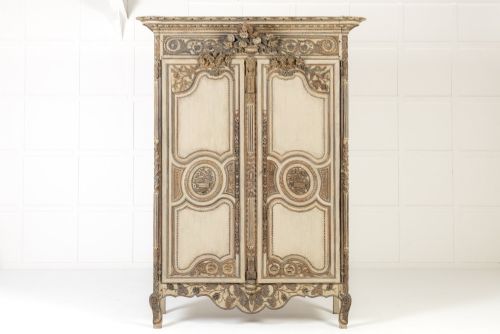
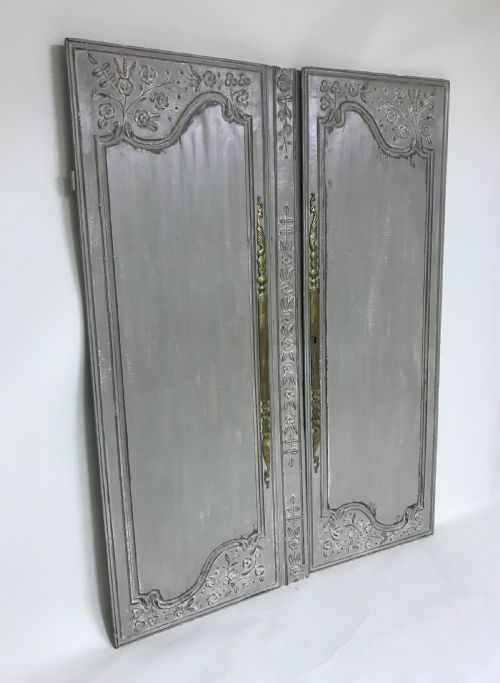
Decorative detailing relies on hand-carved floral motifs and moulded scrollwork integrated directly into the wood. Metal elements such as brass hinges, iron fittings, and ormolu mounts provide functional and decorative accents.
Listings feature oak, walnut, and painted finishes alongside specialist bleached oak treatments across pieces dated from the eighteenth century to the early twentieth century.
What varies in quality
The depth and crispness of the hand-carved ornamentation separate standard production pieces from finer cabinet work. Superior examples display deeply chiselled floral scrolls and integrated mouldings that follow the natural curves of the wood.
The choice of primary timber and surface preparation also define the tier of the piece. Fine burr walnut veneers, carefully bleached oak finishes, and substantial original brass or ormolu mounts indicate higher levels of craftsmanship.
The Louis XV Style Wardrobe Glossary
- Armoire
- A large freestanding cupboard or wardrobe used for storing clothing. These tall cabinets typically feature panelled doors enclosing hanging space or adjustable shelves.
- Ormolu
- Gilded bronze mounts applied to furniture for decorative effect. This technique was frequently utilised on high-end revival pieces during the nineteenth century.
- Bleached oak
- Timber treated to lighten its natural tone while retaining the prominent grain pattern. This finish appears on twentieth-century interpretations of French cabinetry.
- Burr walnut
- Wood grain showing intricate swirling patterns formed at the junction of a tree branch and trunk. Cabinet makers prize this material for decorative veneering on feature panels.
Louis XV Style Wardrobe: Frequently Asked Questions
How do I fit a large armoire in a modern bedroom?
These tall cabinets require careful measurement of ceiling height and floor space before placement. Many historical armoires were constructed to dismantle into sections for easier transport and installation in upper rooms.
Positioning the piece away from direct heat sources helps protect the timber and historic finishes over time. Adequate clearance allows the large panelled doors to open fully for everyday use.
Can I adjust the interior storage of an antique wardrobe?
Internal configurations vary depending on whether the piece originated as a hanging wardrobe or a linen press with fixed shelves. Some examples provide open cavities suitable for modern clothing rails.
Consulting a specialist restorer allows for sympathetic internal modifications without altering the exterior character of the cabinet. Many buyers retain original shelving for folded garments while adding discreet hanging solutions.
What is the difference between an armoire and a standard wardrobe?
An armoire typically describes a large continental cabinet featuring decorative carvings and double or triple doors influenced by French stylistic traditions. These pieces often display more pronounced architectural cornices and cabriole-inspired feet than standard utilitarian wardrobes.
Stylistic markers such as asymmetrical panels and floral cartouches distinguish these cabinets from simpler British or American bedroom furniture.
How should I care for walnut and oak furniture?
Maintaining these timber surfaces involves regular dusting with a soft, dry cloth to prevent particle buildup. Avoiding abrasive polishes preserves the original patina and wax finishes developed over decades.
Stable room humidity prevents the solid wood and panel construction from warping or splitting. Occasional application of quality furniture wax feeds the grain and protects against dryness.