



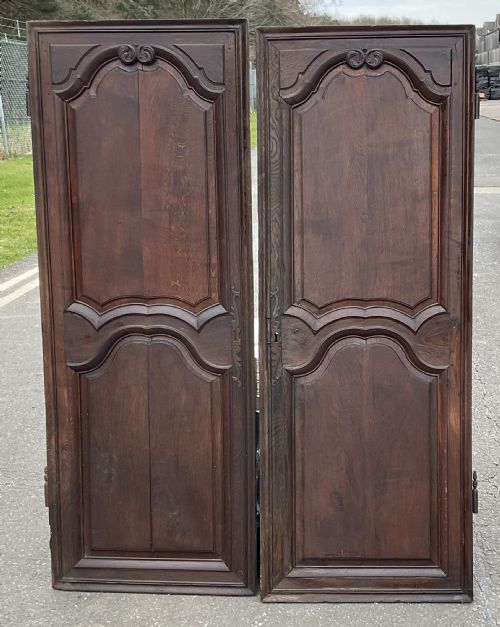


French Chateau Armoire
A French chateau armoire stands ready to anchor a room with substance and presence, offering stately storage rooted in centuries of continental craft.
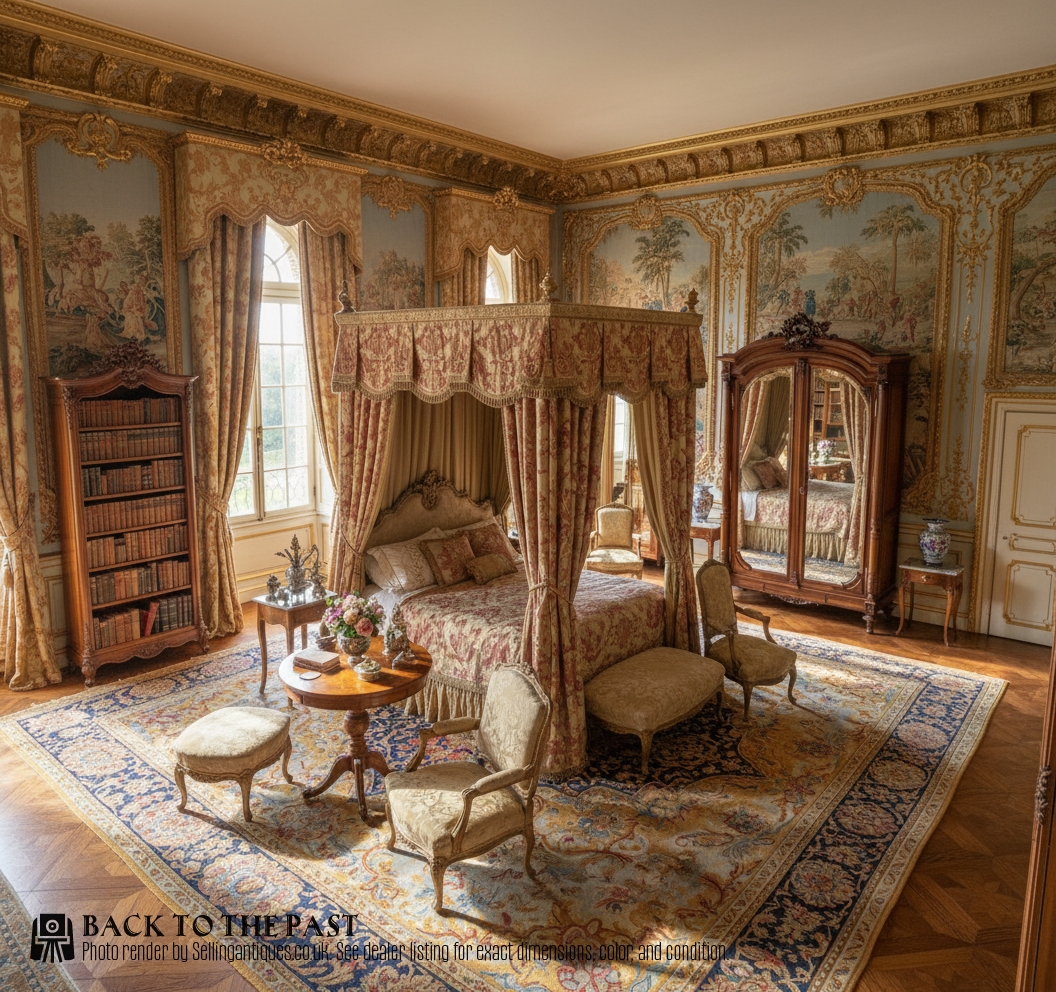
French Chateau Armoire
A french chateau armoire brings grand continental scale and practical storage to an interior, appearing in forms ranging from full standing wardrobes to architectural pairs of doors and linen presses. These pieces span periods from the eighteenth century through the Edwardian era, reflecting both provincial utility and stately ambition.
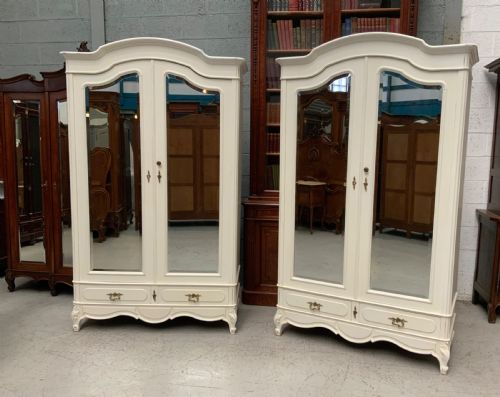
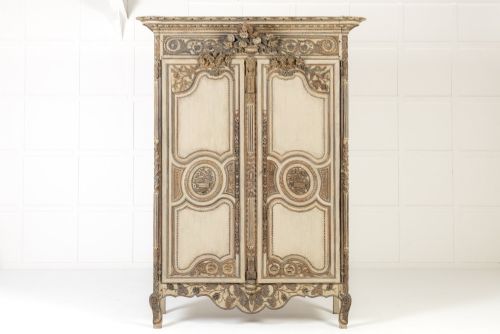
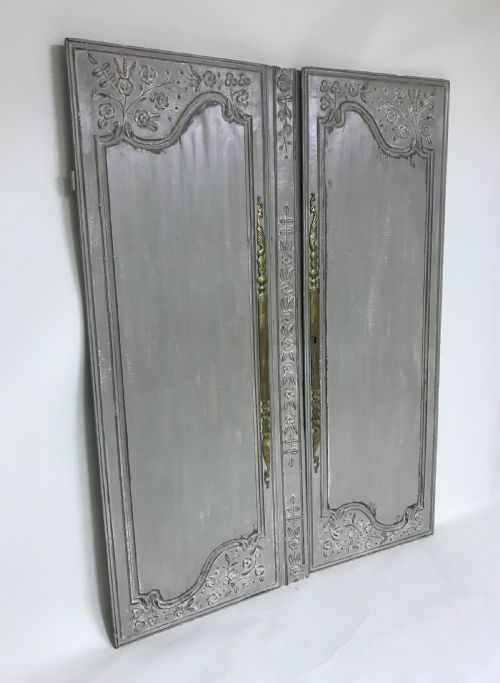
The version most commonly met on this page is the large standing wardrobe or armoire, often built in oak, walnut, or painted wood. Alongside these whole cabinets, the selection includes architectural salvaged doors and smaller linen cupboards that share the same stylistic heritage.
Originating primarily within French provincial and chateau traditions, these pieces also bridge into Dutch neoclassical and broader eighteenth century French aesthetics. Buyers searching this phrase seek the distinct architectural presence and timber character that these historic storage items provide.
Materials and Construction
Makers utilised solid timbers such as oak, walnut, and rosewood, often pairing structural integrity with decorative carving. Surfaces frequently received treatments of paint or bleaching to alter the visual weight of the wood.
Metal hardware played a functional and decorative role, with brass detailing appearing on painted surfaces to accent doors and hinges. Iron and glass also feature in the construction of architectural elements and display cabinets.
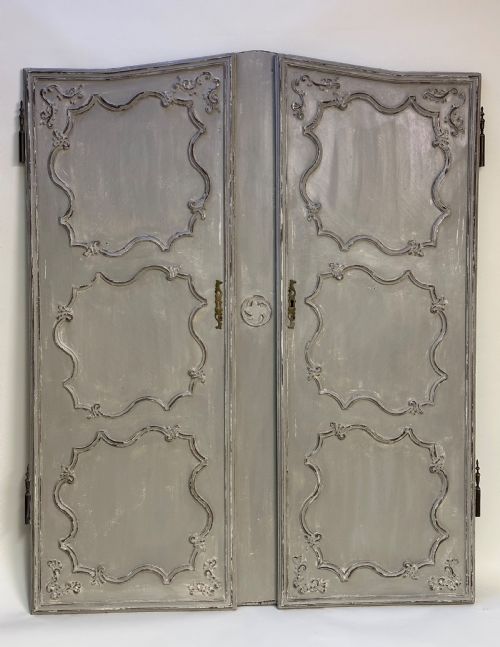
Joinery relied on traditional hand carving techniques, visible in the detailed panels and moulded doors characteristic of the period. The integration of painted finishes, sometimes in muted tones like downpipe grey, added a refined layer over the natural grain.
Even wardrobes need an occasional outfit change, as proven by the chateau armoire discovered wearing a spirited coat of downpipe grey paint.
Assessing Quality and Character
The distinction between pieces often rests on the depth and execution of hand carving across the timber panels and doors. Finer examples display crisper floral or architectural motifs that demonstrate superior workshop skill.
Timber selection and grain presentation set the better examples apart, particularly in walnut and rosewood pieces where natural figuring is allowed to dominate. Surface treatments, from carefully applied paint finishes to bleached oak, vary in their preservation and initial application.
Proportion and scale dictate the visual impact of each cabinet, with grander dimensions commanding a stronger presence in a room. The integration of original brass detailing and well-preserved hardware contributes to the overall integrity of the piece.
The French Chateau Armoire Glossary
- Armoire
- A large wardrobe or cupboard, traditionally used for storing clothing and linens. These tall storage pieces often feature two large doors enclosing hanging space or shelving.
- Neoclassical
- A style dating from the mid eighteenth century onwards that drew inspiration from the classical art and culture of ancient Greece and Rome. It manifests in these pieces through restrained symmetry and classical architectural motifs.
- Bleached wood
- Timber that has been treated to lighten its natural colour while retaining the grain texture. This finish offers a softer, more contemporary appearance on traditional oak frames.
- Linen press
- A tall piece of furniture designed specifically for storing folded linen and garments, usually combining upper cupboard doors with lower drawers. Edwardian examples often reflect more compact domestic requirements.
- Architectural salvage
- Building elements such as doors or cabinet components rescued from older structures for reuse. Pairs of carved doors in this selection reflect this practice.
French Chateau Armoire: Frequently Asked Questions
What is a french chateau armoire?
A french chateau armoire is a large freestanding timber wardrobe or storage cabinet originating from continental traditions. These pieces combine practical storage with decorative carving and substantial proportions.
They serve as focal points in bedrooms or living spaces, offering deep internal capacity alongside distinct historic character.
How were these armoires used originally?
Historically, these large cabinets were essential furniture for storing household linens, folded garments, and personal attire before built-in closets became standard in domestic architecture. Their generous internal volume accommodated bulky textiles and valuable clothing.
In grand houses, they stood in bedchambers and hallways as both utility items and displays of wealth through fine woodworking.
How do I choose the right size?
Consider both the ceiling height and the floor space of the room where the armoire will stand, keeping in mind the grand proportions typical of these pieces. Measure doorways and stairwells in your home beforehand to ensure the cabinet or its component doors can pass through during delivery.
Tall wardrobes require adequate clearance, while pairs of architectural doors offer alternative installation possibilities for tighter spaces.
How do I tell different periods apart?
Eighteenth century pieces generally exhibit deep hand-carved detailing and heavier timber construction reflective of provincial and neoclassical workshops. Later examples from the Victorian, Edwardian, and early twentieth century periods often incorporate refined painted finishes, rosewood veneers, or specific hardware styles like brass detailing.
Examining the type of wood, joinery methods, and surface treatments helps place a piece within its proper era.
How do I care for antique wood?
Protect antique timber surfaces by keeping armoires away from direct sunlight and sudden temperature fluctuations that can cause wood to warp or crack. Dust regularly with a soft, dry cloth and avoid harsh chemical cleaners that might strip historic painted or polished finishes.
Applying a suitable wax occasionally helps nourish older woods like oak and walnut.