

Carved Wooden Linen Press
Carved wooden linen press examples combine practical storage with substantial period joinery, appealing to collectors seeking functional historical furniture.
Carved Wooden Linen Press
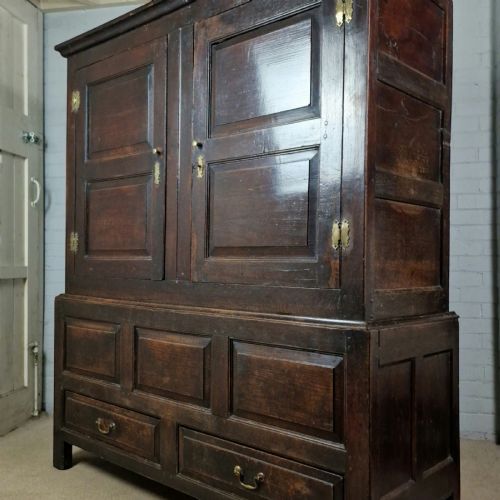
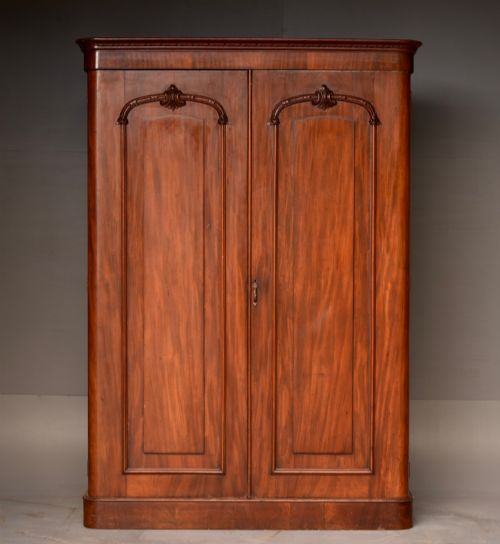
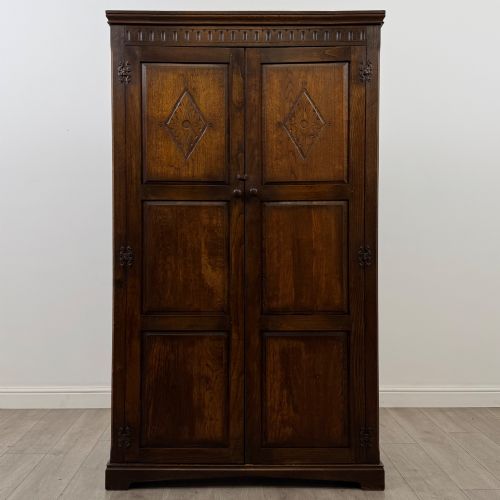
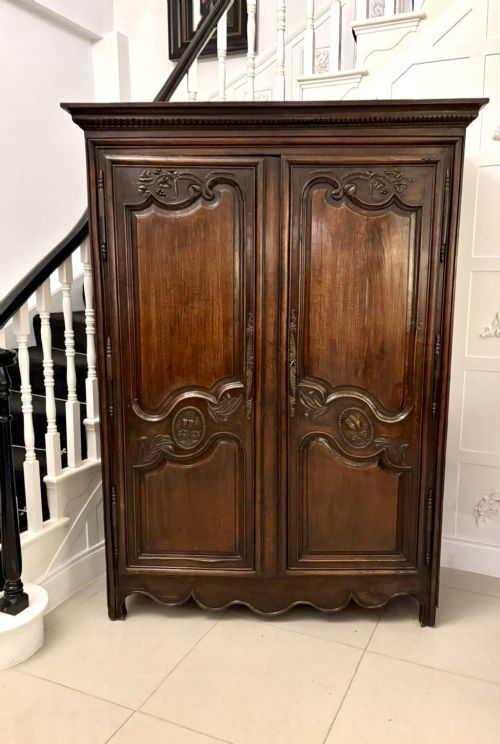
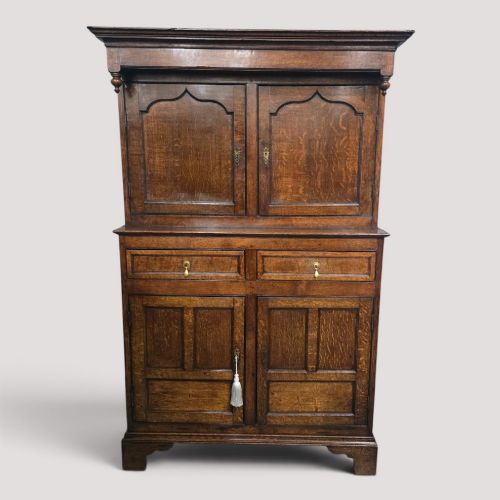
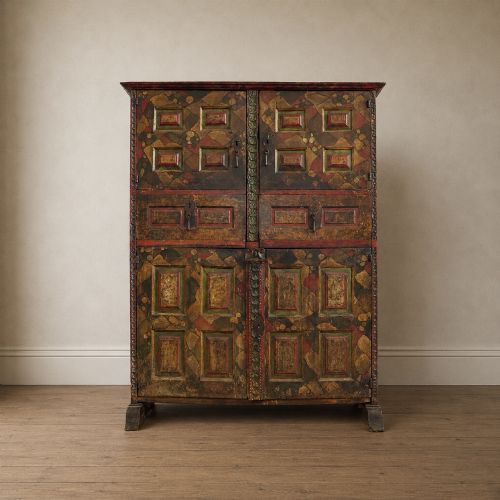
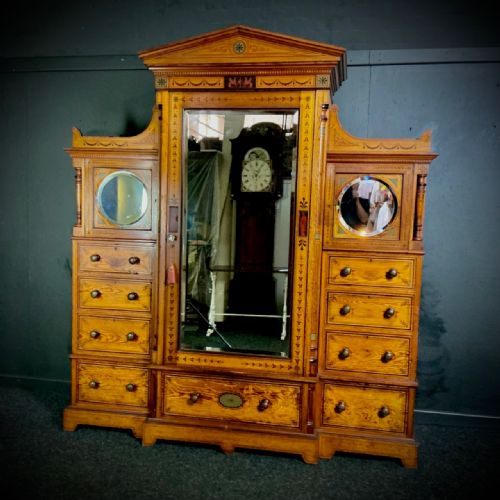
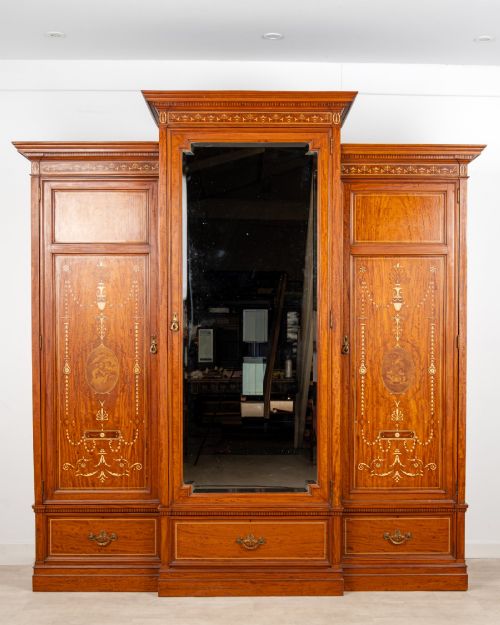
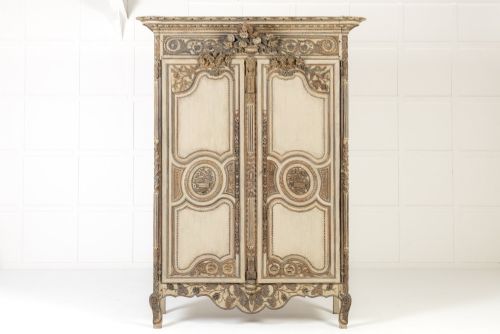
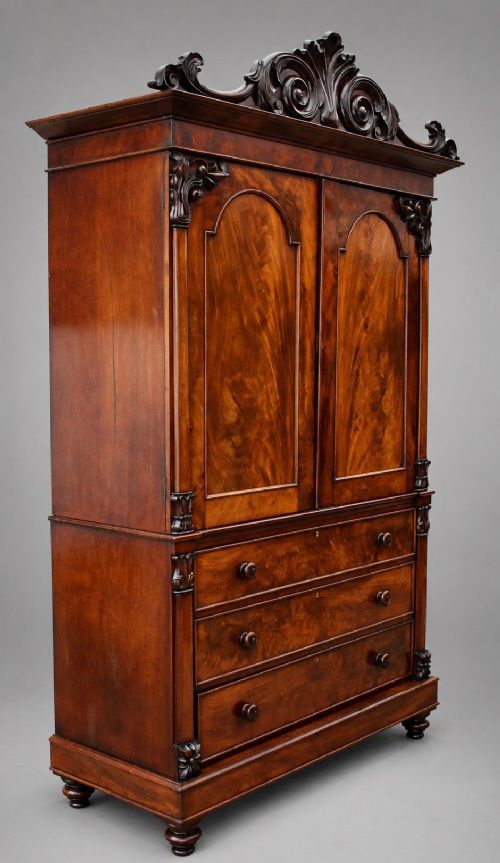
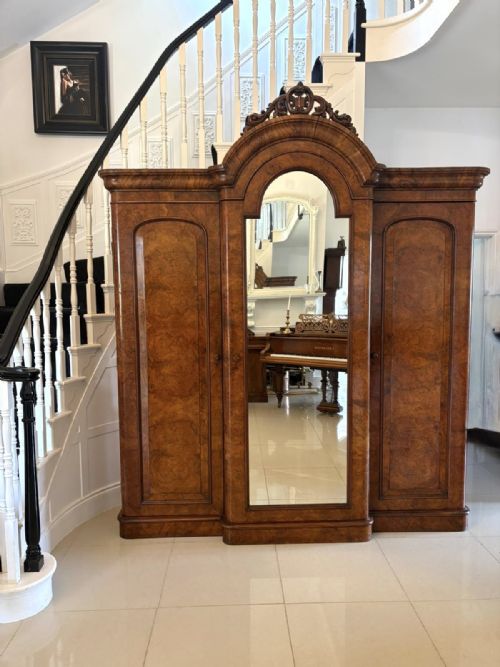
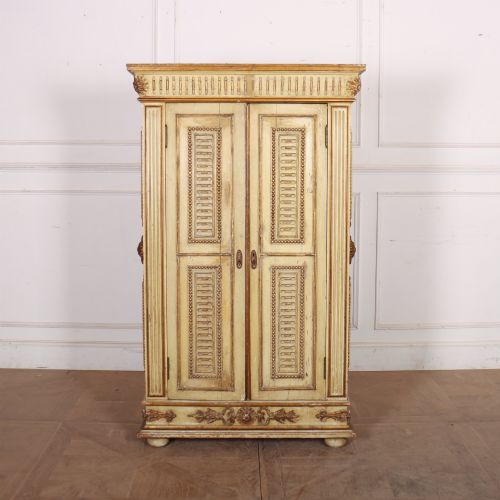
A carved wooden linen press functions primarily for storing garments and household textiles, often taking the form of large wardrobes, armoires, or compactum cupboards. When searching this phrase, buyers encounter substantial case furniture originating from periods such as the 17th Century, 18th Century, and the Victorian era.
Materials and Construction Methods
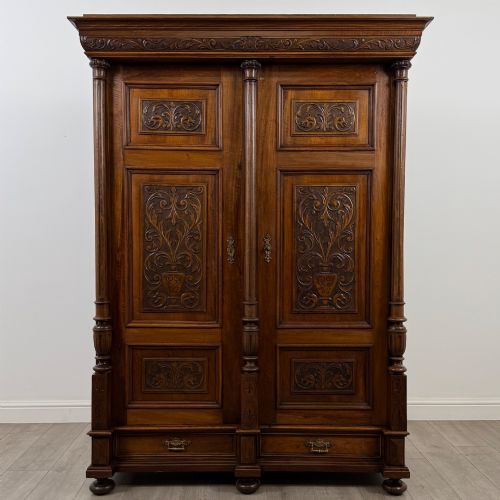
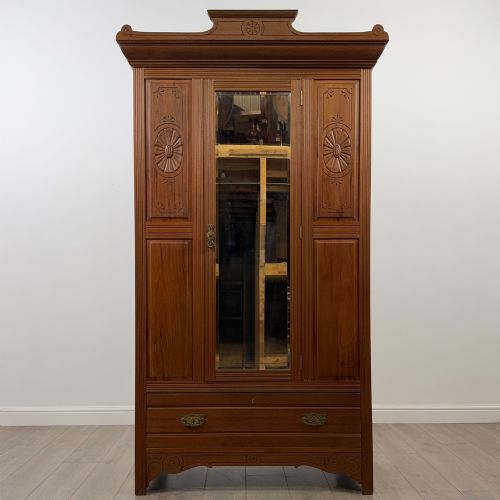
Construction relies heavily on traditional hardwoods such as oak, mahogany, walnut, and burr walnut, alongside softer timbers like pine. Joinery techniques include panelled doors, pegged frames, and carved ornamentation executed directly into the timber.
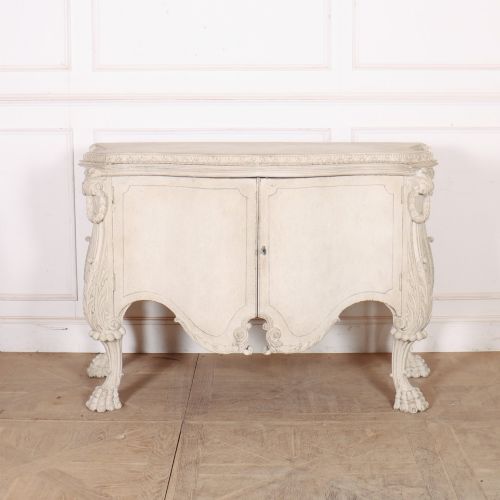
Surface treatments vary from polished wax finishes on figured mahogany to polychrome painted details on continental pieces. Brass hardware and occasional glass panels complete the structural composition of these larger storage cabinets.
Several examples include hidden compartments originally designed for securing family linens away from household pests.
Assessing Quality and Execution
Quality rests upon the selection of timber, such as highly figured mahogany or burr walnut veneers, and the depth and crispness of the carved details. Superior examples display balanced proportions and robust internal joinery that survives centuries of use.
The sophistication of the stylistic execution, whether Georgian Chippendale influence or French provincial framing, distinguishes standard utility storage from exceptional cabinet work.
Maple and Co
The Carved Wooden Linen Press Glossary
- Linen press
- A tall storage cabinet traditionally designed for storing folded textiles and garments, typically featuring internal sliding trays or shelves enclosed by doors.
- Armoire
- A large wardrobe or cupboard of continental origin, often built with substantial double doors and deep internal storage capacity.
- Compactum
- A fitted wardrobe combining hanging space, drawers, and shelving within a single multi-door cabinet.
- Court cupboard
- A traditional heavy oak storage piece originating from earlier centuries, utilised for displaying or storing household goods.
- Burr walnut
- A prized timber veneer obtained from the Burl growths of walnut trees, valued for its swirling, highly decorative grain patterns.
Carved Wooden Linen Press: Frequently Asked Questions
Where should I place a large linen press?
These substantial pieces require adequate wall space and ceiling height, making master bedrooms or spacious hallways ideal locations for display and access.
Ensure the room maintains stable humidity levels to protect the antique timber and prevent warping of the large panelled doors.
How do I care for polished wood surfaces?
Apply traditional beeswax periodically to nourish the hardwood and maintain a natural protective barrier against dry air.
Avoid placing these cabinets near direct heat sources or in strong sunlight to preserve the colour and integrity of the finish.
What is the difference between an armoire and a wardrobe?
Armoires generally originate from continental Europe and often feature deep proportions with distinct provincial carved decorations and heavy panelled doors.
Wardrobes are more commonly associated with British cabinetmaking traditions, evolving through the Georgian and Victorian periods to incorporate hanging rails and fitted drawers.
Can these cabinets be disassembled for transport?
Many larger period examples were constructed with knock-down frames or removable cornices and doors to facilitate moving between rooms.
Consult the specific construction details of each piece, as earlier oak and substantial mahogany items often remain heavy single units.