




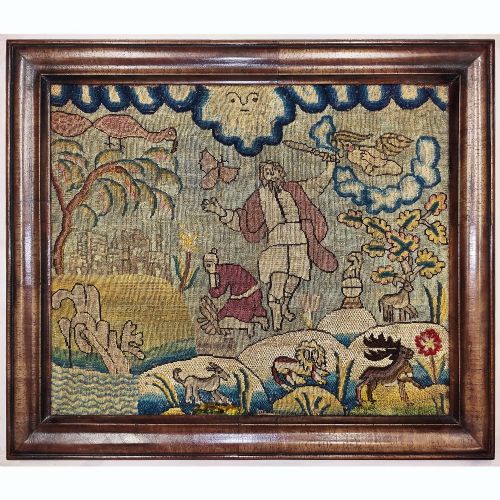


Vintage Wool Silk Tapestry
These vintage wool silk tapestry pieces bring rich textile artistry to your walls, offering centuries of hand-worked history and colour.
Vintage Wool Silk Tapestry
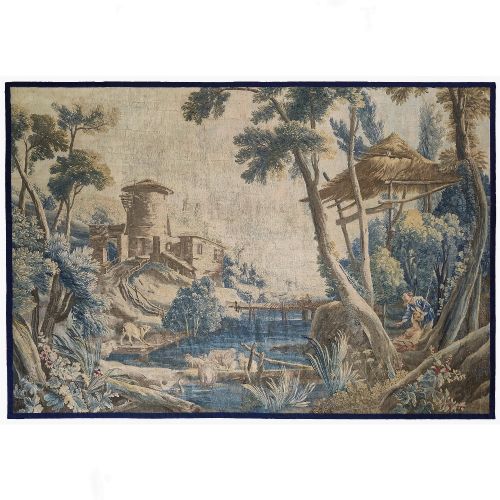
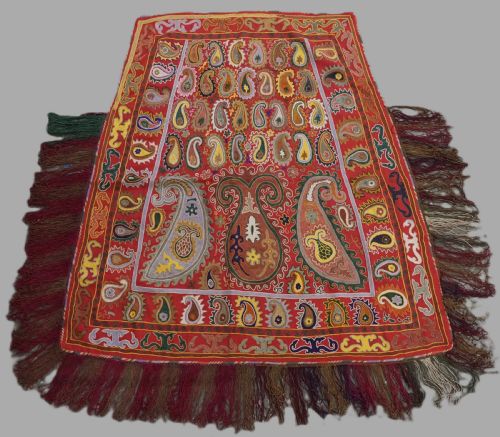
When you search for vintage wool silk tapestry, you encounter a diverse range of wall hangings, needlework pictures, and tribal textiles from various global traditions. The selections span from eighteenth-century French and English works to Central Asian tribal items and nineteenth-century Persian embroideries.
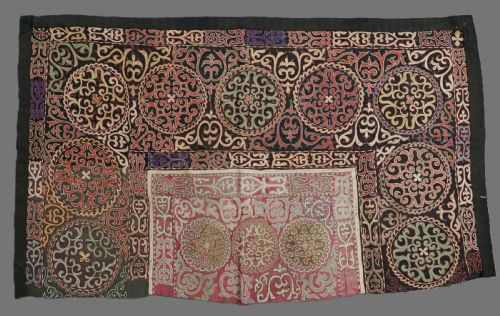
You are most likely to meet needlework pictures, wall hangings, and textile art spanning the seventeenth century through to the early decades of the twentieth century. These pieces encompass everything from formal European pastoral scenes to vibrant Central Asian saddle covers and yurt wall hangings.
How they were made
The creation of these textiles relies heavily on the combination of wool and silk threads, frequently supported by cotton, linen, or felt backings. Artisans utilised intricate stitching, embroidery, and applique work to build up dense, textured surfaces.
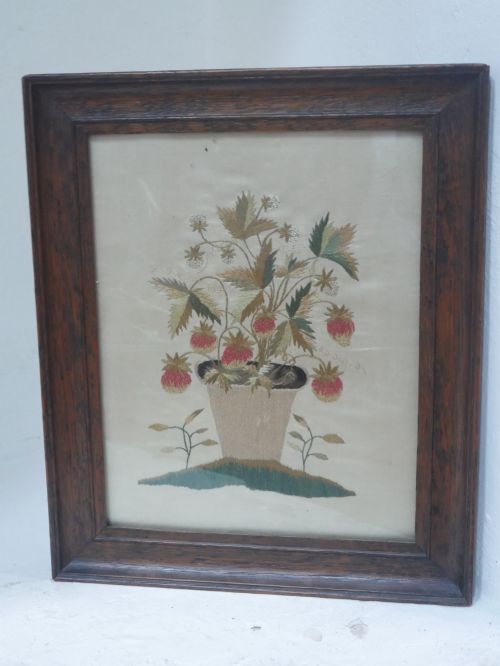
Wooden frames and glass enclosures often preserve needlework pictures, while tribal hangings and saddle covers utilise durable wool foundations to support delicate silk and felt decorative elements. The interplay between these organic fibres determines the weight, drape, and structural integrity of each hanging.
Vintage Wool Silk Tapestry Retail Price Guide 2026
Typical asking prices for vintage wool silk tapestry among the pieces listed under this phrase on Sellingantiques today, from the lower quarter to the upper quarter. They describe what is for sale here now, not the wider market.
The listings span from the seventeenth century through to the 1930s, incorporating wool, silk, cotton, linen, wood, and glass.
What varies in quality
The finesse of the needlework and the complexity of the pictorial composition dictate the standing of a textile. Tightly executed stitches and sophisticated colour blending separate masterworks from simpler domestic efforts.
The preservation of fragile silk elements and the intact nature of historical fragments influence the physical condition and visual impact. Pieces retaining their original vibrancy and structural cohesion command greater appreciation from collectors.
The Vintage Wool Silk Tapestry Glossary
- Applique
- A decorative technique in which pieces of fabric are sewn onto a larger background to form a design. This method appears frequently in Persian and Central Asian tribal works.
- Needlework
- The craft of decorating fabric or other materials using a needle and thread. It encompasses various embroidery and stitching styles seen across English and European pictures.
- Tapestry
- A form of textile art traditionally woven on a loom, though the term also describes historic needle-worked wall hangings. These pieces function primarily as decorative interior wall art.
- Fragment
- A surviving portion of a larger, older textile or tapressed work. Flemish examples often appear in this incomplete yet historic state.
Vintage Wool Silk Tapestry: Frequently Asked Questions
How should I hang a fragile textile?
Support the weight evenly across a suitable mounting board or custom frame to prevent stretching the historic fibres.
Keep the piece away from direct sunlight to protect the natural wool and silk dyes from fading over time.
Where were these wall hangings produced?
The pieces originate from diverse regions, including England, France, Flanders, Persia, and Central Asia.
Each area developed distinct aesthetic traditions, utilising local materials like felt, wool, and silk in unique ways.
How do I identify the period of a piece?
Examine the specific stitching techniques, material choices, and stylistic motifs characteristic of centuries ranging from the seventeenth to the twentieth.
Comparing the decorative style, such as French Rococo or Central Asian tribal patterns, helps narrow down the probable era.
Can I clean an antique embroidery?
Professional textile conservation is recommended for any historic wool, silk, or felt piece.
Standard domestic cleaning methods can easily damage delicate threads and compromise the structural integrity of the fabric.