

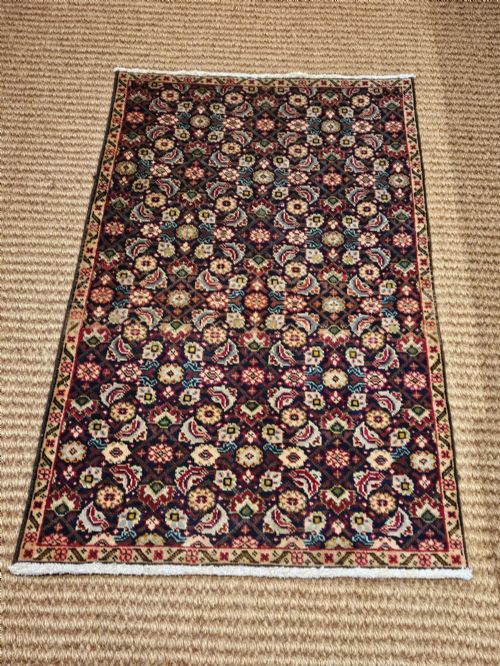
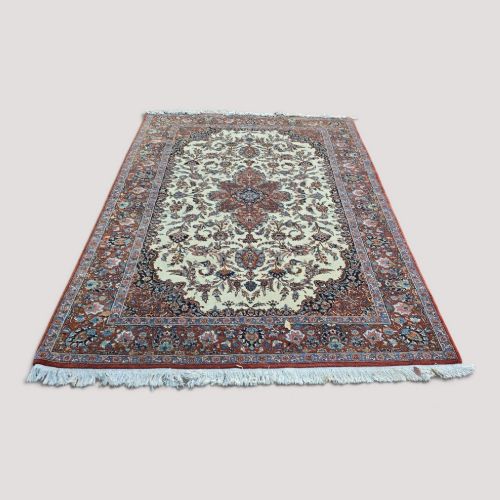
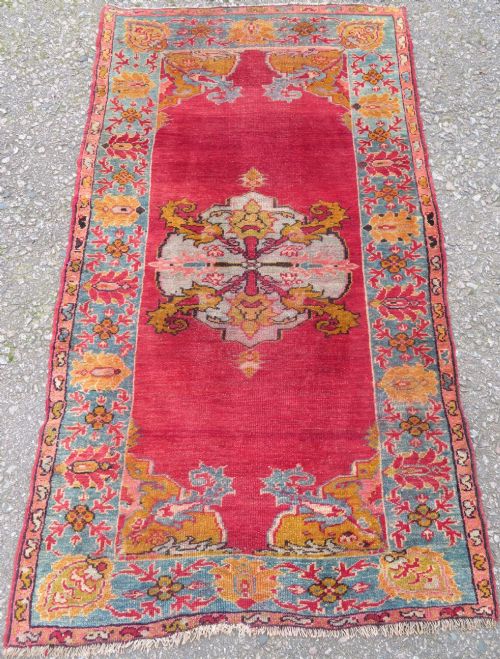
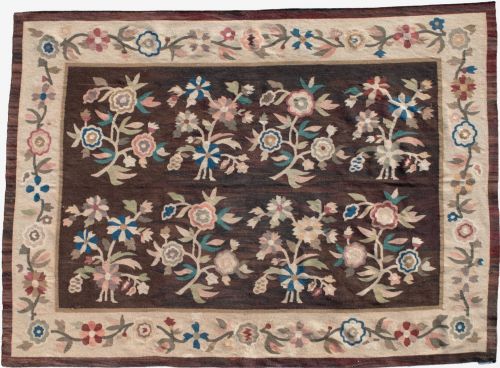
Vintage Wool Area Rug
A vintage wool area rug brings texture and rich tradition to a floor, offering warmth and grounded character through time-worn patterns.
Vintage Wool Area Rug
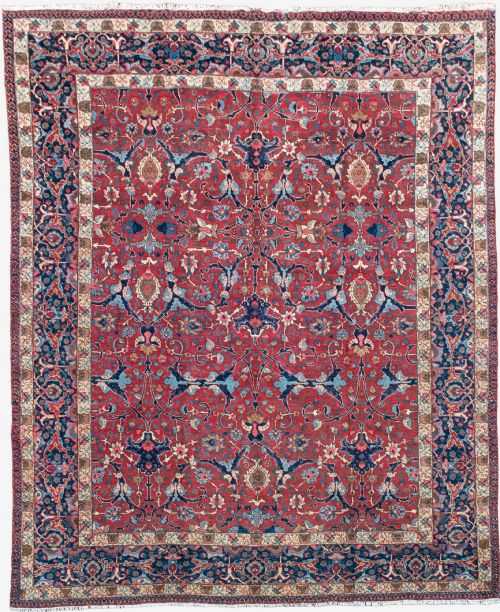
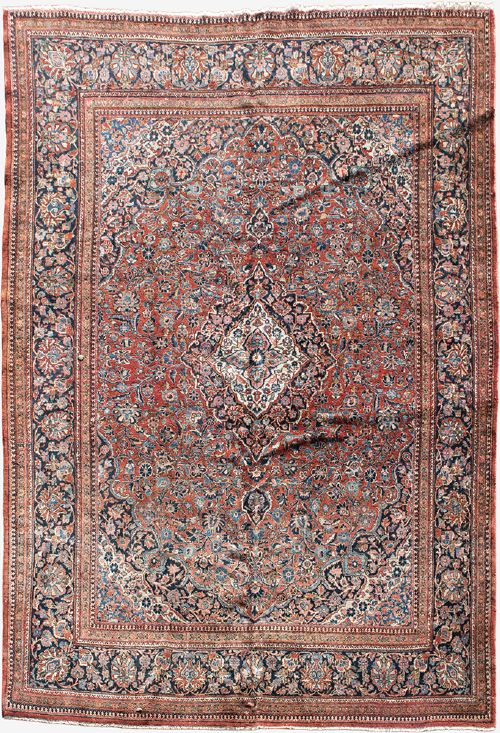
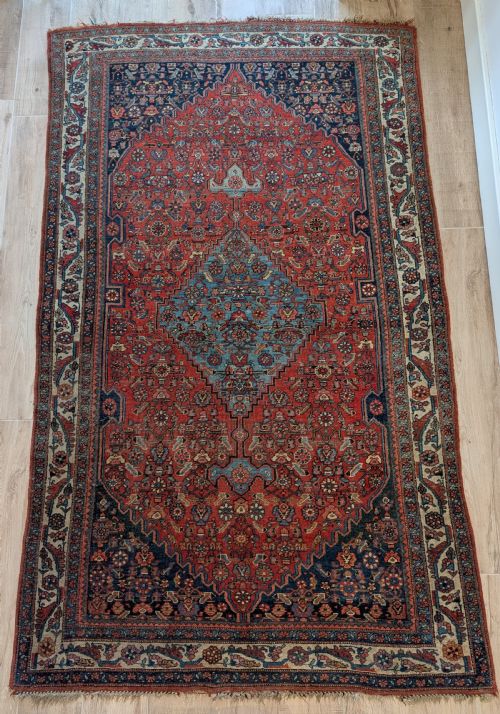
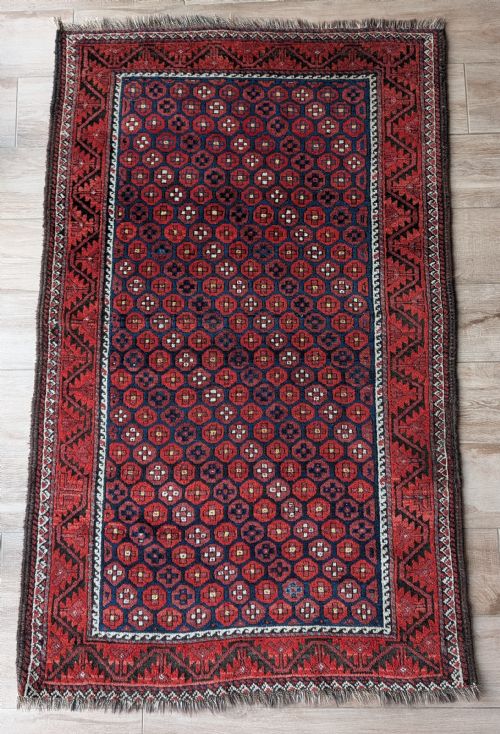
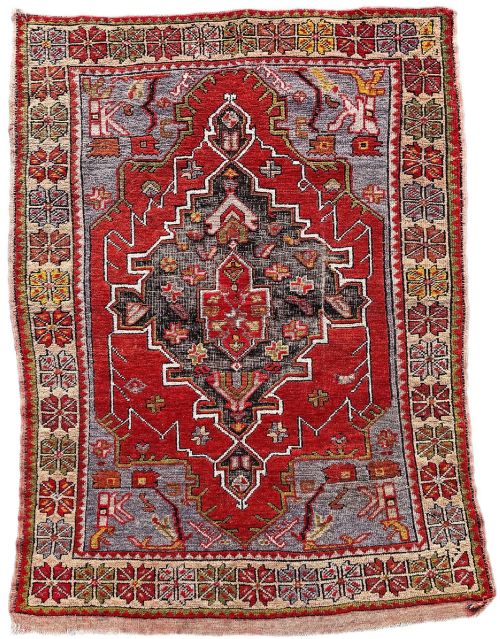
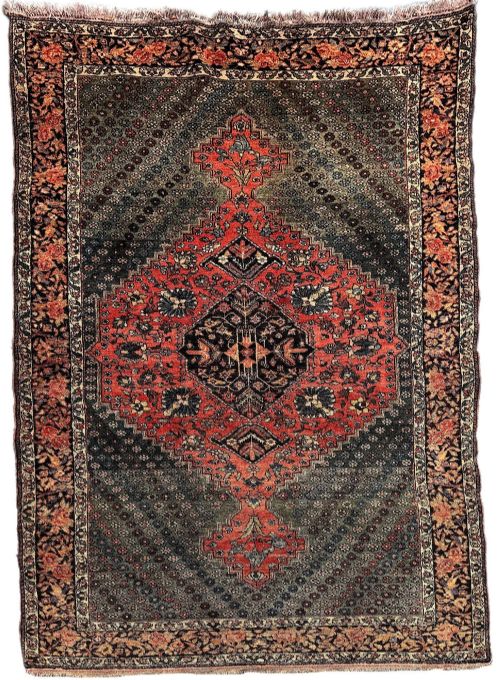
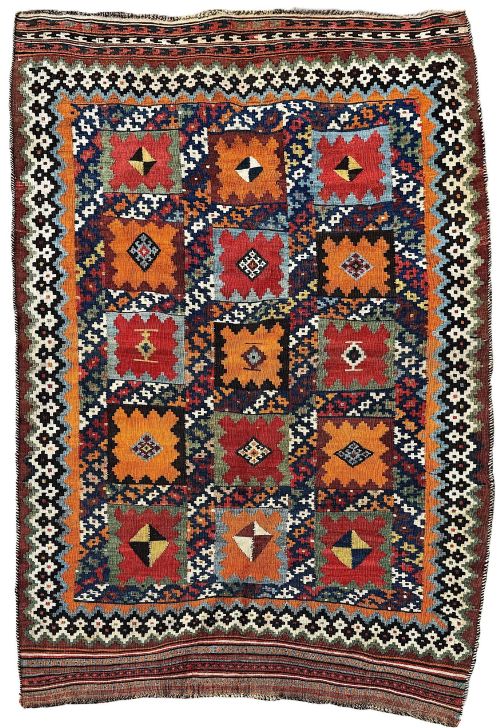
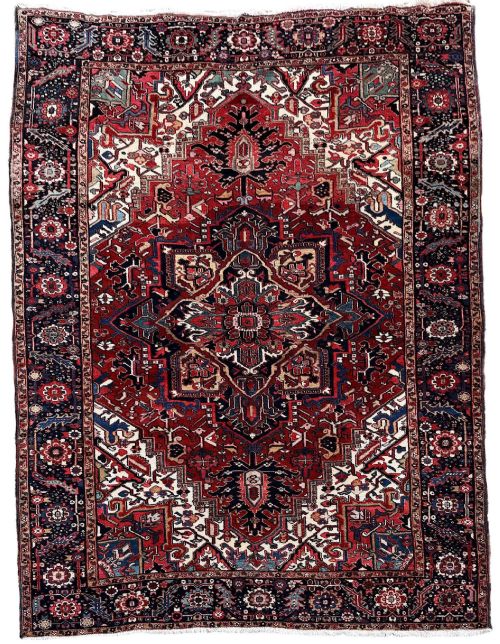
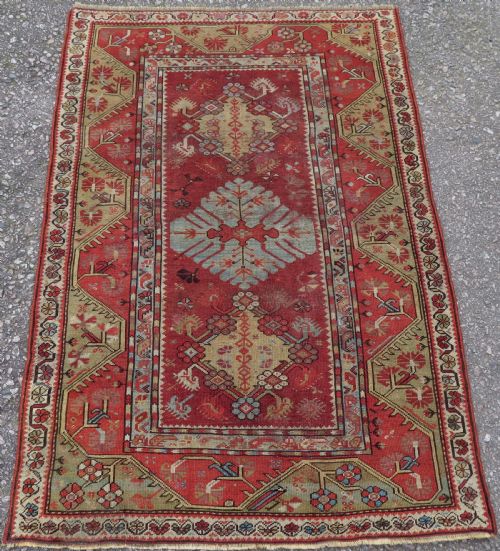
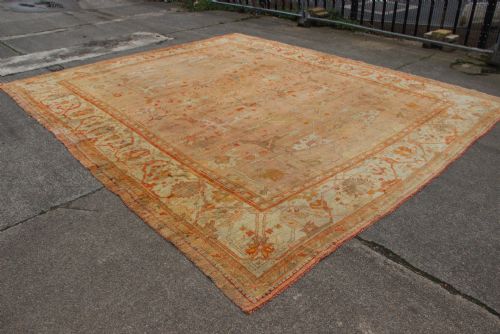
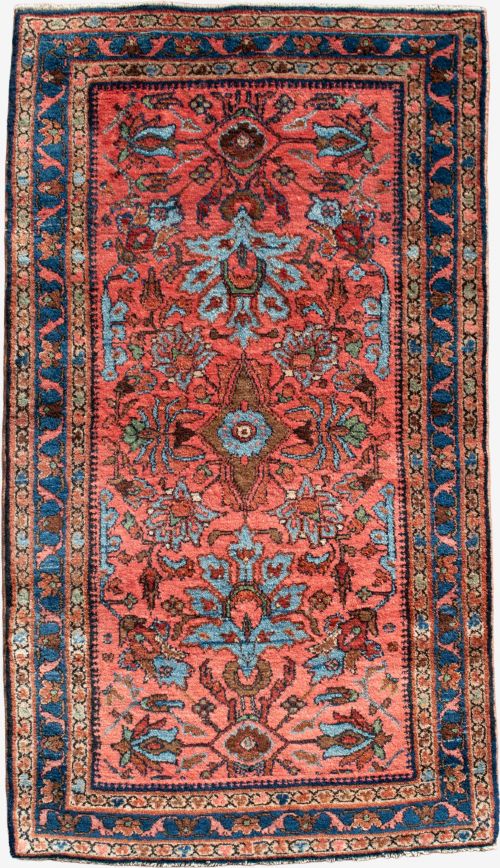
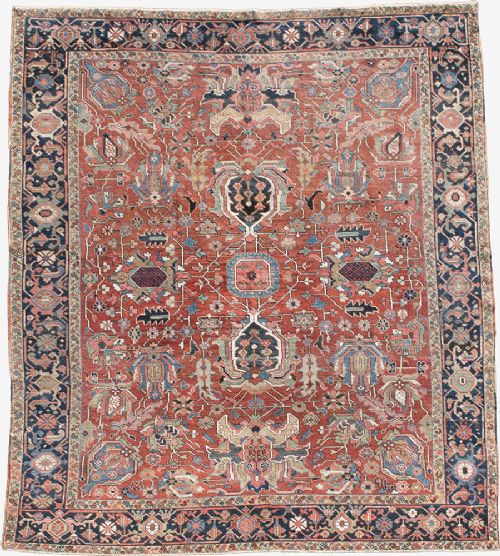
When you search for a vintage wool area rug, you encounter floor coverings spanning from the late nineteenth century through the interwar decades of the twentieth century. These textiles originate primarily from Persian, Caucasian, Turkmen, and Tibetan weaving traditions, encompassing both village and tribal workshops.
The most common formats you will meet on this page are room-sized carpets and smaller hearth rugs, alongside occasional runner rugs. Forms range from large formal pieces such as Tabriz, Heriz, and Oushak carpets down to compact tribal pieces like Kazak, Afshar, and Baluch rugs.
Makers utilised traditional motifs passed down through generations, yielding everything from geometric medallion layouts to repeating botanical patterns. Each piece reflects the specific regional palette and knotting style of its origin, whether woven in Central Asia or across Persian provinces.
Materials and construction
Construction relies heavily on wool, cotton, and occasionally silk highlights, utilising hand-spun wool for durability and rich tactile depth. Weavers employed natural dyes to achieve deep earth tones, indigo blues, and rust backgrounds that soften gracefully over decades.
Carpets are hand-woven on upright looms, employing knotting techniques characteristic of specific regional workshops and nomadic tribes. Foundation threads of cotton or wool support dense pile structures designed to withstand heavy daily foot traffic.
Vintage Wool Area Rug Retail Price Guide 2026
Typical asking prices for vintage wool area rug among the pieces listed under this phrase on Sellingantiques today, from the lower quarter to the upper quarter. They describe what is for sale here now, not the wider market.
Listings feature wool, cotton, silk, and camel wool, incorporating natural dyes across Persian, Caucasian, Turkmen, and Tibetan styles dating from the 1870s to the 1930s.
Assessing quality
Knot density and structural tightness set finer city workshops apart from looser tribal weaving, influencing how sharply linear patterns render across the field. Superior wool selection retains natural lanolin, which preserves suppleness and depth of colour under foot.
Design clarity and the harmonious ageing of natural dyes determine the visual success of a floor covering. Pieces demonstrating crisp drawing and balanced proportions command attention through their enduring presence.
The Vintage Wool Area Rug Glossary
- Pile
- The upright yarn loops that form the soft surface of a rug. It is created by knotting wool or silk around the warp threads during weaving.
- Warp
- The stationary vertical threads stretched upon the loom before weaving begins. Weavers tie individual knots around these foundational strands.
- Weft
- The horizontal threads passed back and forth across the warp threads after each row of knots. This secures the structure of the woven textile.
- Natural dye
- Colourants derived from plants, insects, and minerals rather than synthetic compounds. These materials yield rich, complex tones that age gracefully.
- Kilim
- A flat-woven carpet or rug lacking a raised pile. These textiles are produced by tightly interweaving warp and weft strands.
Vintage Wool Area Rug: Frequently Asked Questions
How do I clean an antique wool rug?
Regular gentle vacuuming without a beater bar removes loose dirt from the pile safely. Professional washing by specialists in vintage textiles is recommended for deeper cleaning.
Water and harsh detergents can damage natural dyes and weaken wool fibres over time. Promptly blot liquid spills rather than rubbing them into the pile.
How do I date a vintage rug?
Dating relies on stylistic analysis, material composition, and structural characteristics. Natural dye palettes and hand-spun wool often point toward nineteenth and early twentieth-century origins.
Comparing knot styles and regional motifs with documented examples helps establish the likely production era.
Can I use these rugs in high traffic areas?
Wool possesses natural resilience and lanolin that resist dirt and wear effectively. Many traditional village and tribal carpets were built specifically for daily domestic use.
Using a quality rug underlay prevents slipping and cushions the foundation against hard flooring surfaces.