




Vintage Wooden Pendulum Clock
These vintage wooden pendulum clocks bring mechanical movement and rich timber cases into everyday spaces.
Vintage Wooden Pendulum Clock
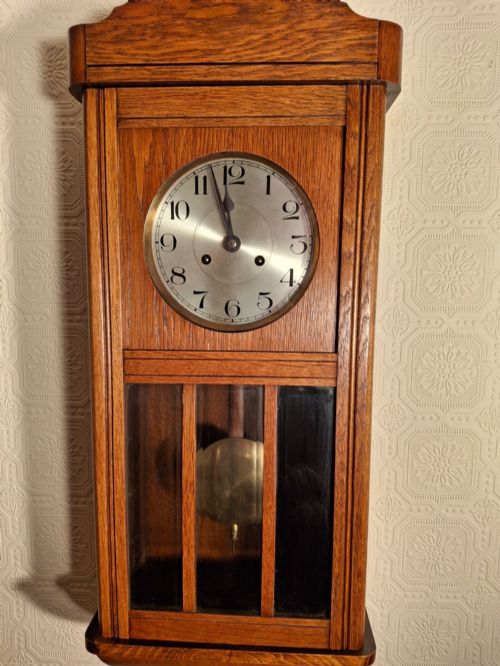
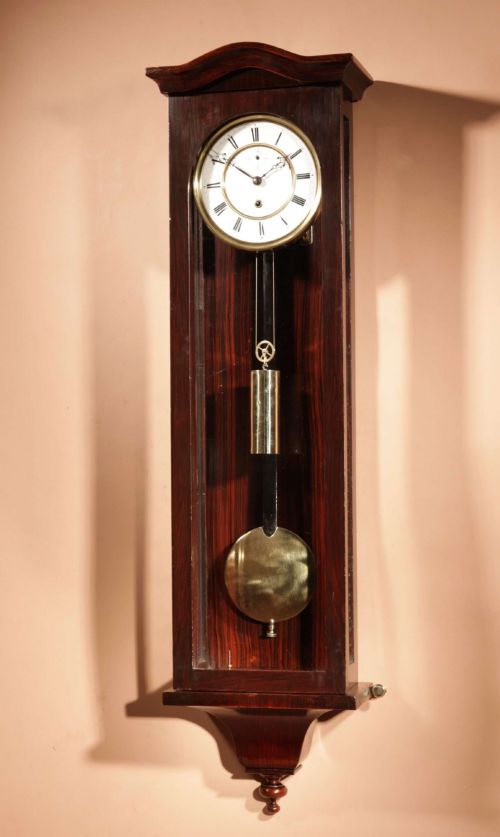
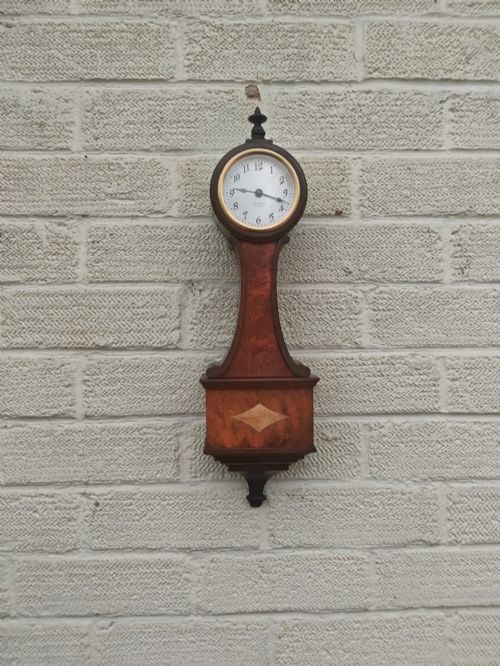
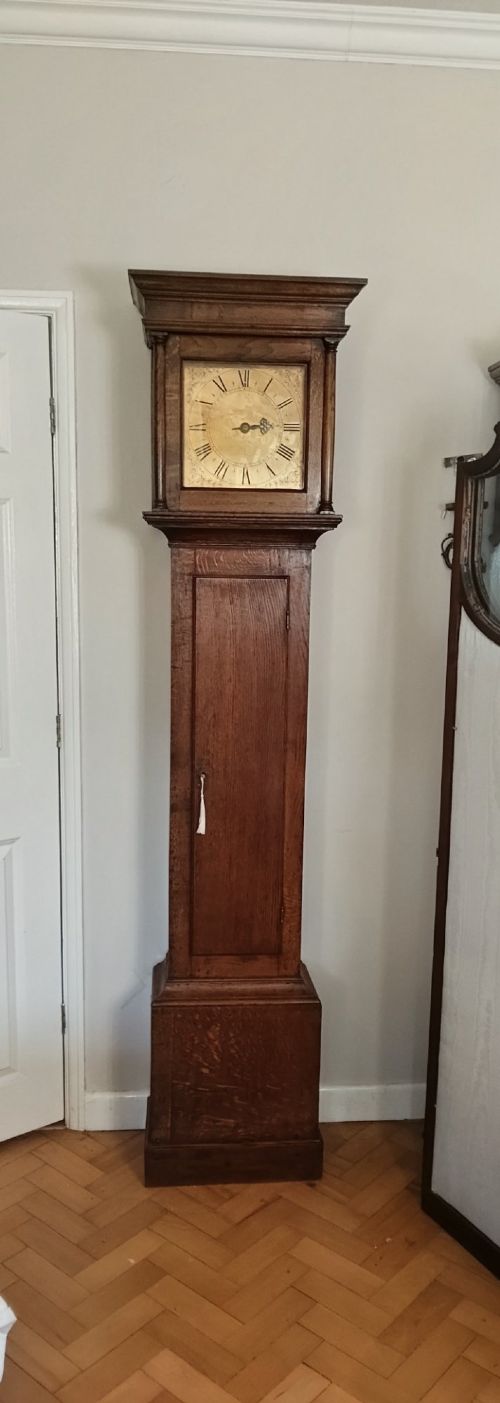
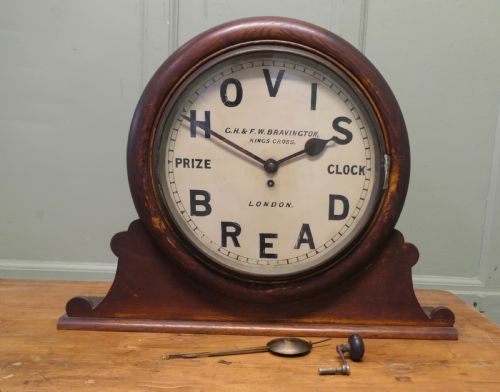
A vintage wooden pendulum clock encompasses wall-hung timepieces, mantel designs, and tall grandfather or longcase forms driven by weights or springs. You will frequently encounter domestic wall clocks and mantel clocks alongside grander floor-standing longcase examples.
The selection spans centuries of cabinetmaking and horology, drawing from periods such as the eighteenth century, the Victorian era, and Art Deco design. Pieces originate from British, French, German, American, and Dutch workshops.
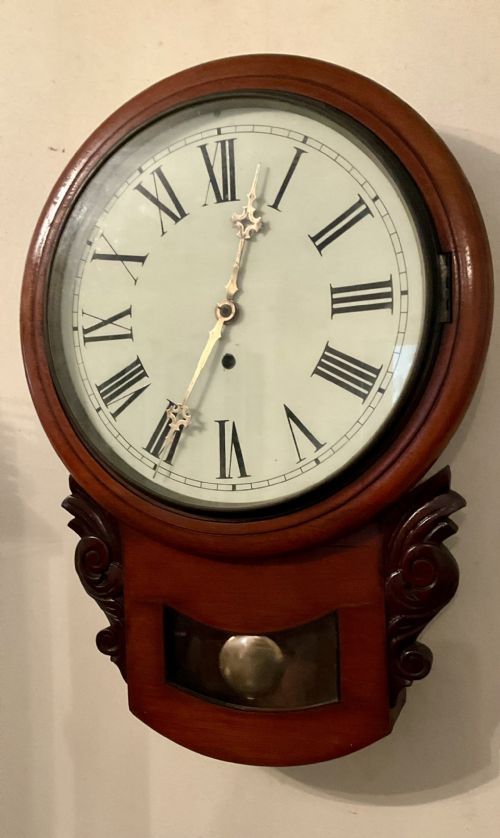
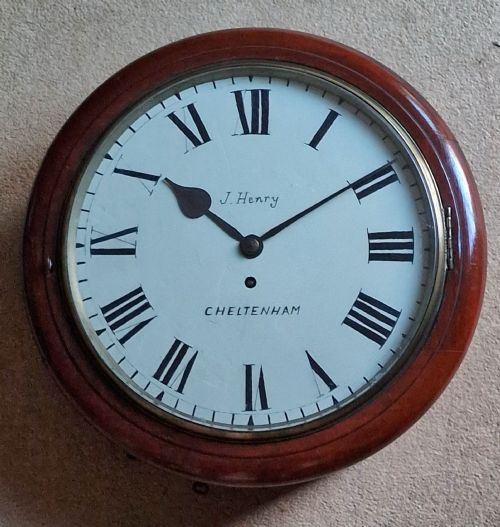
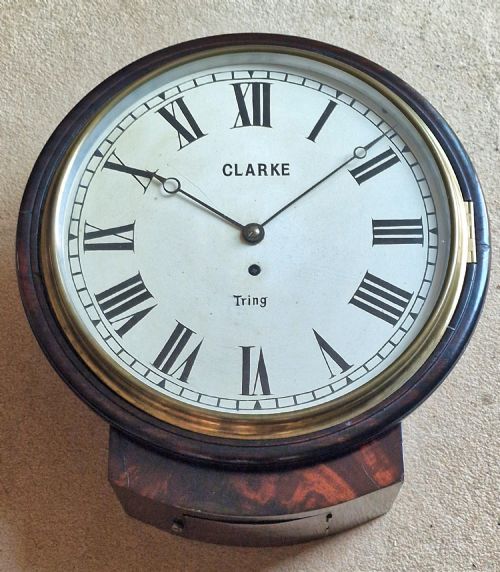
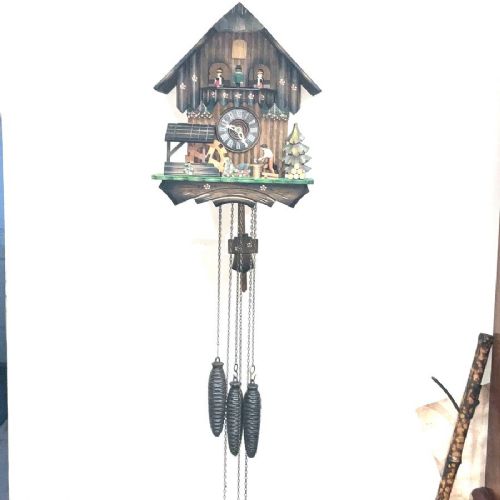
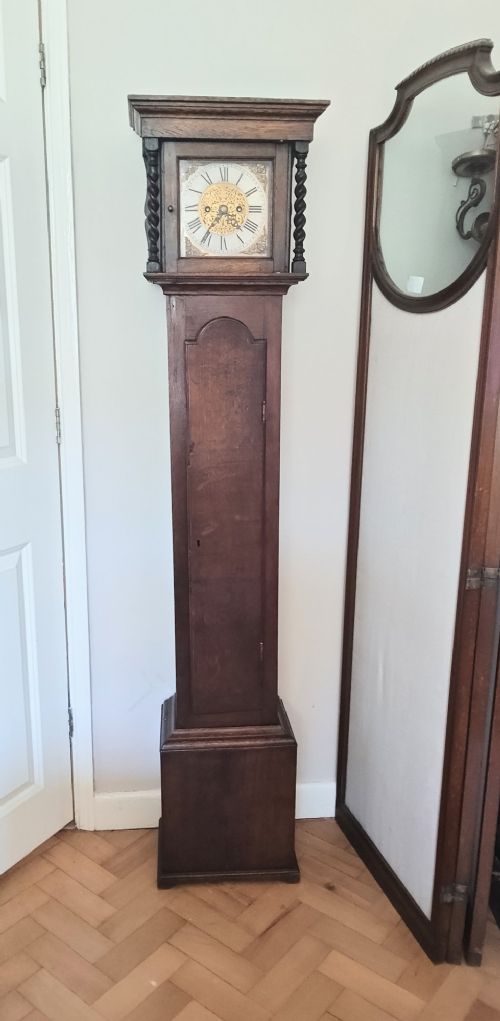
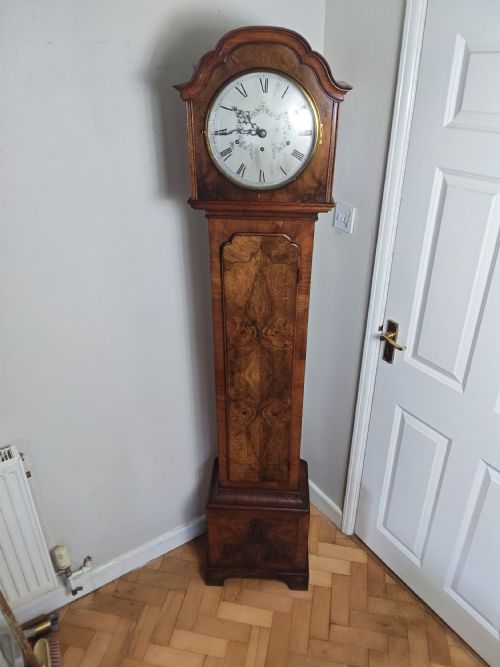
Forms range from compact banjo and drop dial wall clocks to substantial burr walnut musical grandmother clocks and carved Black Forest regulators. Each variation reflects the specific domestic requirements and regional cabinet styles of its origin.
How They Were Made
Cabinetmakers utilised solid and veneered timbers including mahogany, oak, walnut, and golden oak to construct the enclosures, often incorporating decorative inlay or carved elements. Brass, glass, iron, and enamel components were integrated into dials, bezels, and internal movements.
Movements rely on mechanical gear trains driven by hanging weights or mainsprings, regulated by swinging pendulums and frequently featuring fusee chain drives or striking mechanisms.
Some clocks feature mechanical musical automatons that bring miniature scenes to life alongside the ticking pendulum.
What Varies in Quality
Superior examples display crisp carving, refined dial painting or metalwork, and carefully matched timber veneers that demonstrate the skill of the original maker. The integration of complex musical carillons or precision fusee movements elevates the standing of a timepiece.
Seth Thomas·George Clarke·John Walker·Thomas Moss
The Vintage Wooden Pendulum Clock Glossary
- Fusee
- A conical pulley used in clock movements to ensure even tension on the chain as the mainspring winds down. This mechanical refinement helps maintain consistent timekeeping.
- Drop dial
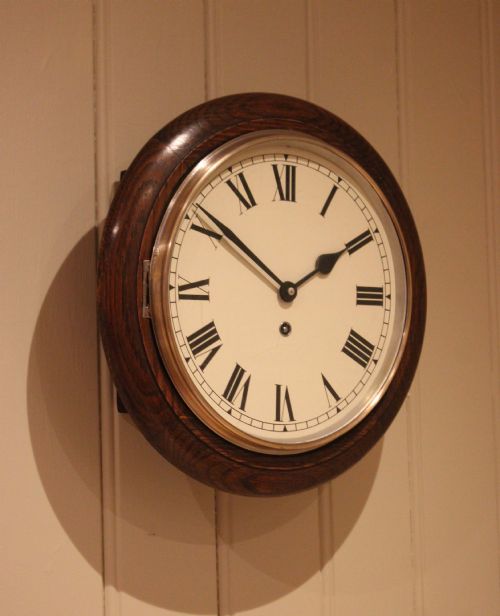
- A wall clock featuring an extended wooden case below the circular dial to house the swinging pendulum. This form became popular in public and domestic spaces during the nineteenth century.
- Longcase clock
- A tall freestanding wooden clock enclosing the weight-driven movement and pendulum, commonly referred to as a grandfather clock. Smaller versions are often termed grandmother clocks.
- Black Forest
- A region in Germany known for intricate wood-carved clocks, including automated cuckoo clocks. These pieces often feature detailed foliage and animal carvings.
- Bracket clock
- A portable mantel clock designed to sit on a shelf or bracket. Early versions incorporated carrying handles for transport between rooms.
Vintage Wooden Pendulum Clock: Frequently Asked Questions
How do I wind a pendulum clock?
Winding typically involves inserting a key into the dial apertures to tension the mainspring or pulling chains to raise the driving weights. Care must be taken not to overwind the mechanism.
Consulting the specific requirements of the movement ensures the gear train operates smoothly without placing excessive strain on internal components.
Why does my clock need to be level?
A pendulum clock relies on a symmetric swinging motion to regulate the gear train accurately. If the wooden case hangs unevenly on a wall or sits crooked on a mantel, the tick becomes uneven and the clock stops.
Adjusting the case position or using internal leveling screws corrects the beat and restores reliable timekeeping.
What is a fusee movement?
A fusee is a conical drum connected to the mainspring via a chain or cord. As the spring loses tension, the chain moves to a wider part of the cone to maintain steady power.
This clever mechanical device distinguishes better-quality British and European clocks from simpler spring-driven alternatives.
How do I identify the period of a wooden clock?
Dating relies on stylistic clues in the wooden case, such as Georgian proportions, Victorian carving, Edwardian simplicity, or Art Deco geometric lines. Dial materials, numerals, and signature formats also provide clues.
Comparing the cabinet timber and decorative motifs with documented historical periods helps narrow down the manufacturing era.