
Vintage Wooden Ottoman
A vintage wooden ottoman brings warmth and practical storage to a room, offering everything from low upholstered footstools to sturdy pine blanket chests.
Vintage Wooden Ottoman
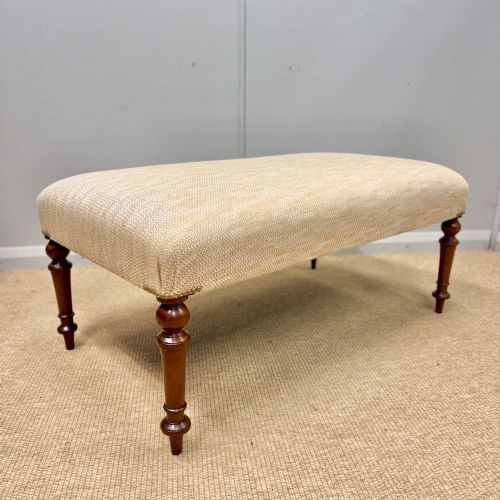
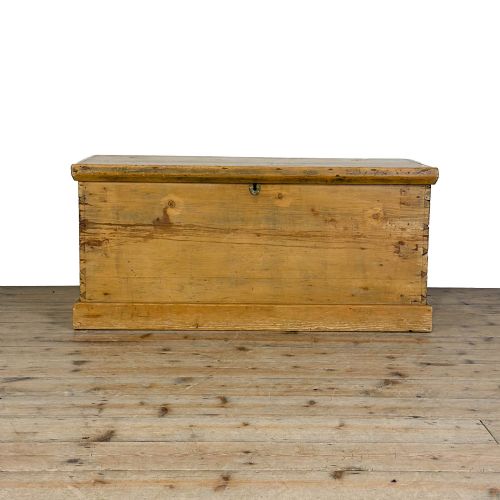
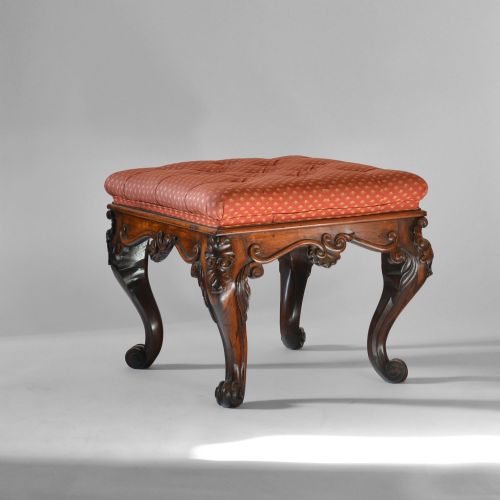
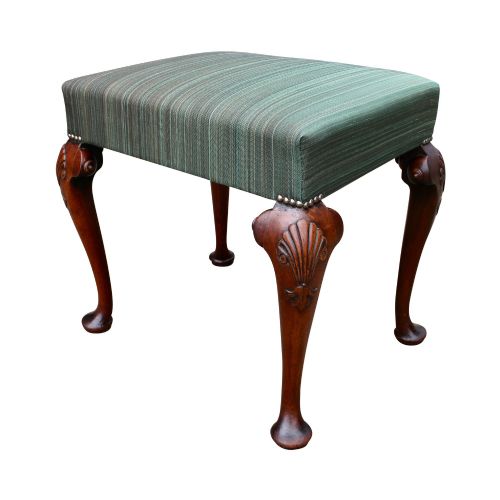
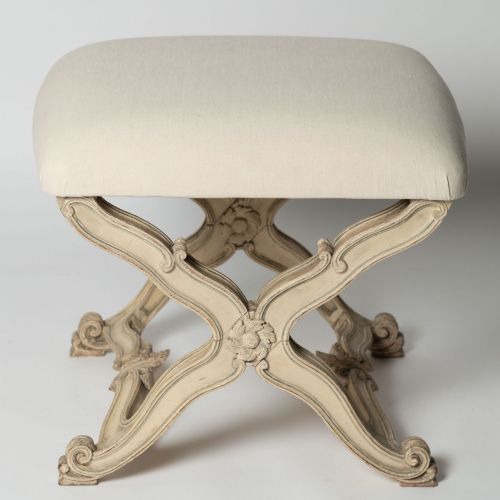
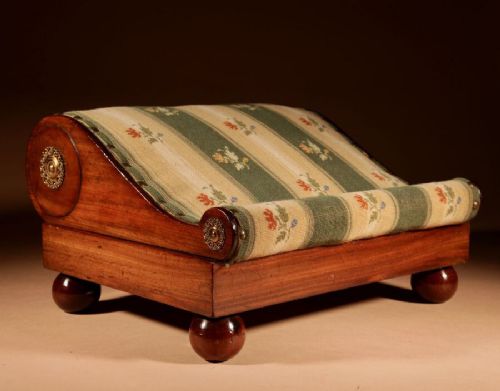
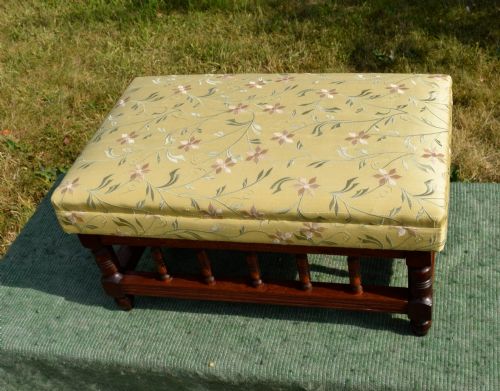
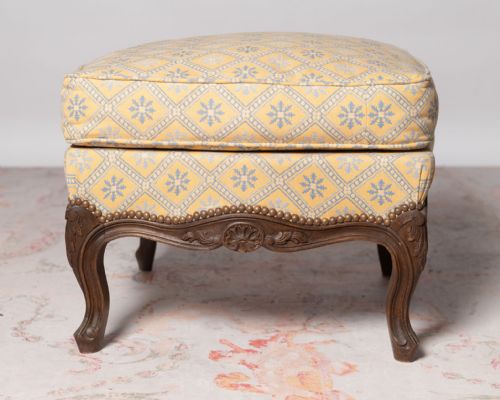
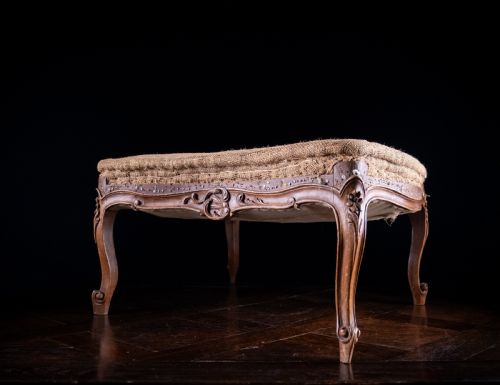
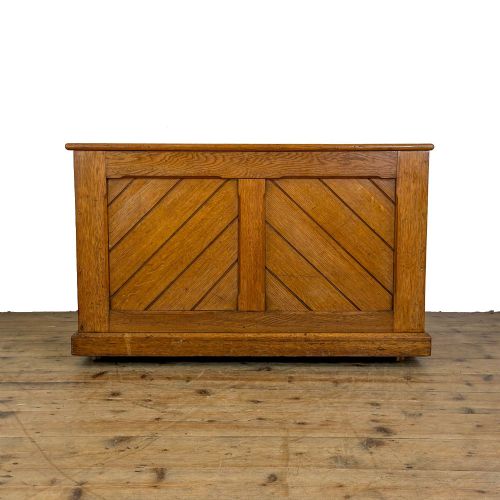
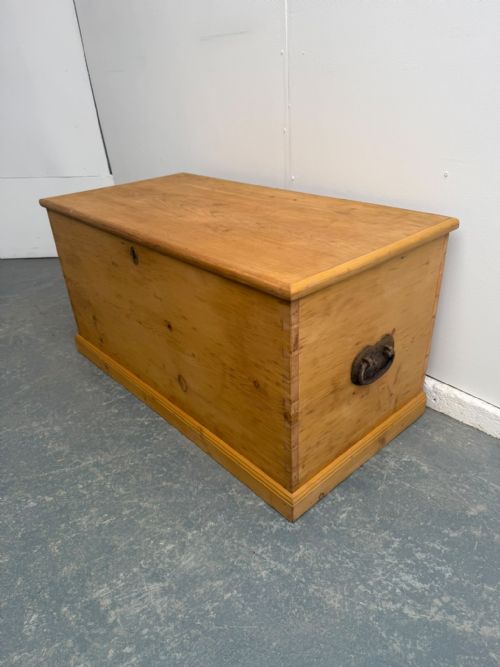
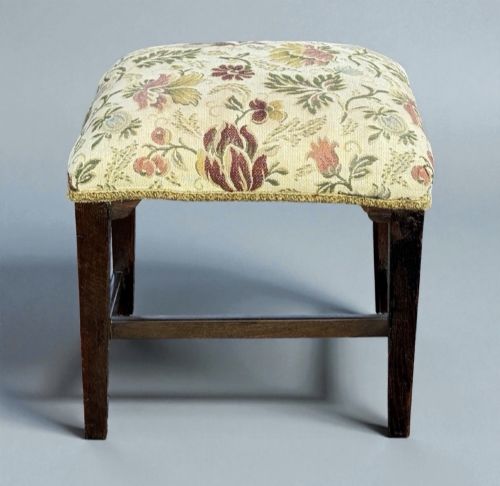
When you search for a vintage wooden ottoman, you encounter a diverse collection of low seating and storage forms spanning the nineteenth and early twentieth centuries. These pieces encompass upholstered footstools, solid walnut stools on cabriole legs, and pine blanket boxes or storage chests.
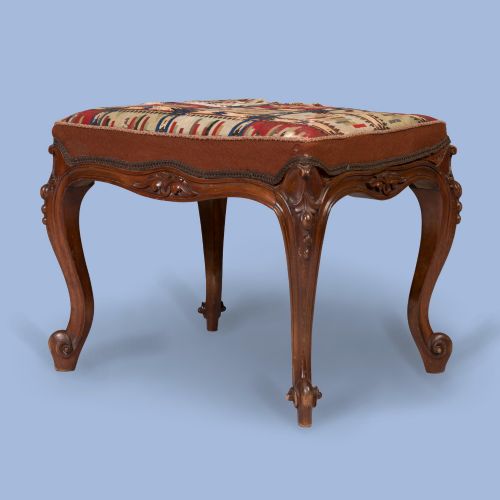
The selection ranges from Victorian mahogany and rosewood footstools covered in needlework or kilim to French cherrywood blanket boxes and Art Deco oak dressing stools with storage. Many examples bridge the gap between seating and storage, functioning as low coffee tables or compact trunks.
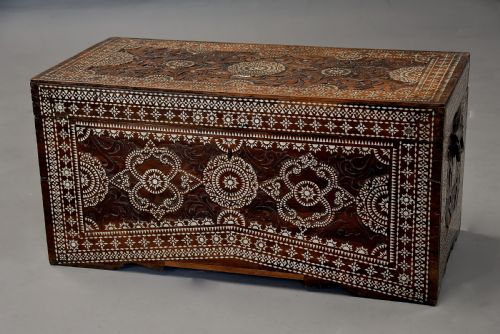
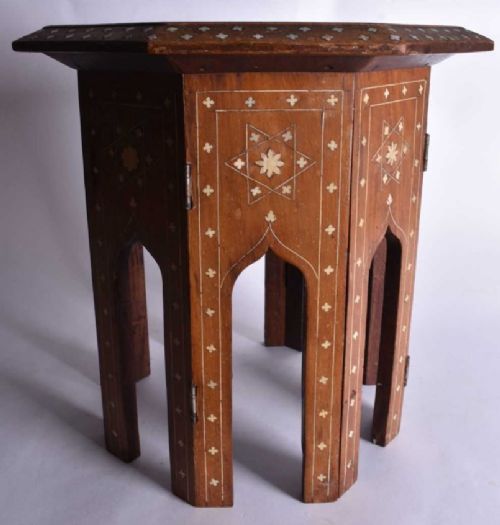
Origins vary across English, French, and Continental workshops, alongside specific regional influences such as Middle Eastern inlaid chests and Anglo-Indian rosewood designs. Buyers find pieces ready for fresh upholstery alongside items retaining their period fabric.
How they were made
Carpenters and cabinet makers utilised solid hardwoods such as mahogany, walnut, oak, and beech alongside softer pine and fruitwoods to construct these frames and boxes. Joinery methods relied on traditional techniques suited to the period, from dovetailed blanket chests to carved cabriole legs on seating.
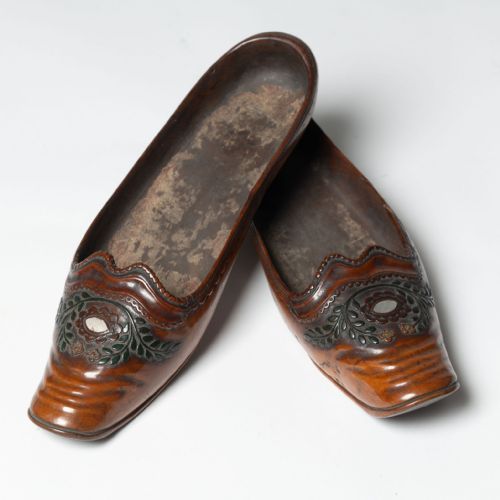
Decoration often involved elaborate surface treatments, including inlaid mother of pearl, relief carving, and waxed finishes that highlighted the natural grain of the timber. Upholstered elements utilised traditional stuffing and webbing beneath top layers of fabric, velvet, leather, or tapestry.
Listings feature woods spanning mahogany, walnut, oak, pine, rosewood, and birds eye maple.
What varies in quality
The distinction between standard examples and the finest pieces rests upon the selection of timber and the ambition of the carving or inlay. Dense hardwoods like rosewood and figured walnut, combined with intricate mother of pearl work or detailed architectural carving, elevate a piece above straightforward utility.
Proportion and structural integrity also divide the range, as seen in the balance of a cabriole leg or the precise joinery of a pine storage chest. Pieces retaining sophisticated period upholstery styles or bearing attribution to known Art Deco designers represent the upper tier of craftsmanship.
Harry and Lou Epstein
The Vintage Wooden Ottoman Glossary
- Cabriole leg
- A furniture leg that curves outward and then tapers inward, mimicking an animal's limb. This form appears frequently on eighteenth and nineteenth-century stools and seating.
- Kilim
- A flat-woven carpet or rug from the Middle East or Central Asia. These textiles often cover the tops of nineteenth-century footstools.
- Needlework
- Hand-stitched textile work utilising wool or silk yarn on a canvas ground. Victorian footstools commonly feature floral or geometric needlework upholstery.
- Blanket box
- A large rectangular chest traditionally used for storing blankets and household linens. Pine and cherrywood examples double as low coffee tables in contemporary settings.
Vintage Wooden Ottoman: Frequently Asked Questions
What is the difference between an ottoman and a footstool?
An ottoman typically incorporates internal storage beneath a hinged or removable top, while a traditional footstool serves purely as a low seat or foot support.
Many listings on this page blur these boundaries, describing lidded storage chests and upholstered stools interchangeably according to their period function.
How do I choose the right wood finish?
Consider the existing timber tones in your interior, balancing darker Victorian rosewood and mahogany against lighter waxed pine or warm walnut.
Richly grained hardwoods add formal weight, whereas stripped pine and cherrywood introduce a more relaxed, country aesthetic.
Can I use a wooden ottoman as a coffee table?
Low and wide pine boxes or upholstered stools function effectively as coffee tables by combining a stable surface with concealed storage.
Upholstered versions benefit from a sturdy tray placed on top to hold drinks and books securely.
How do I identify the period of a piece?
Dating relies on stylistic clues such as the sweeping curves of Victorian Rococo Revival, the geometric lines of Art Deco, or the cabriole legs of Queen Anne styles.
Construction details, including the type of timber and hand-cut joinery, provide further evidence of nineteenth or early twentieth-century origins.