
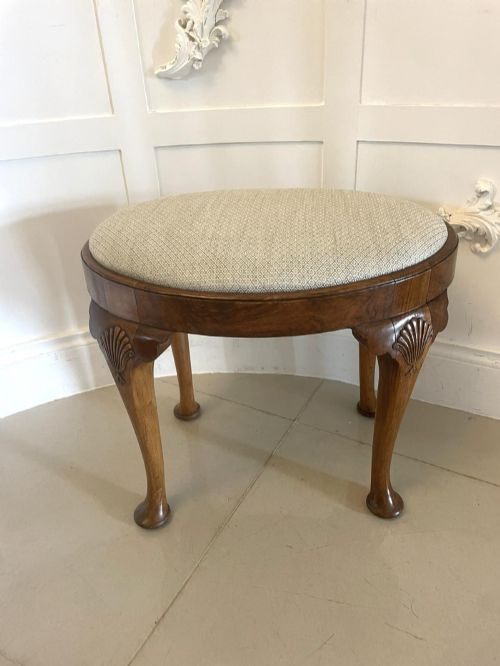
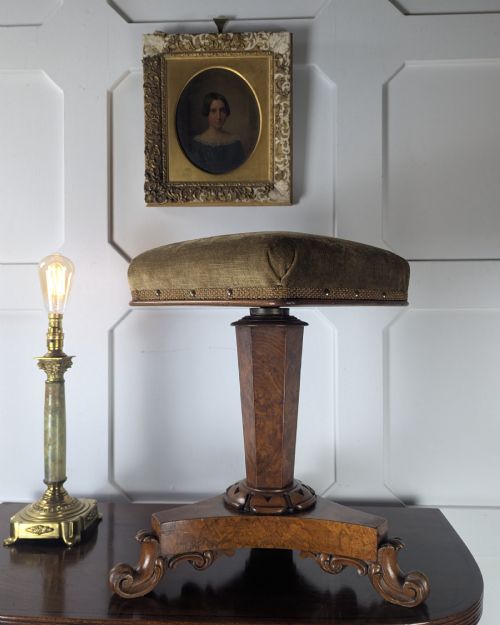
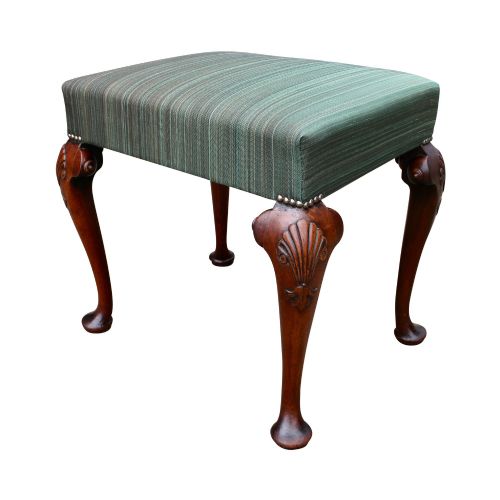
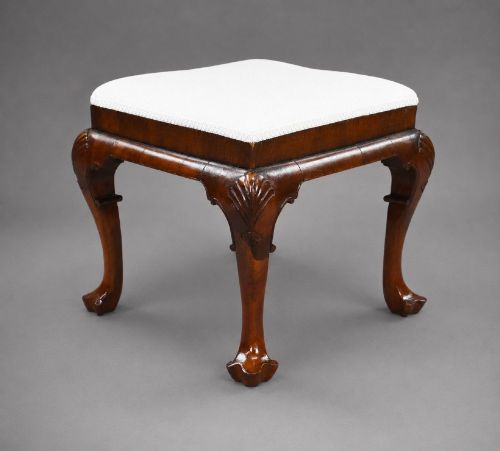


Carved Walnut Vanity Seat
A carved walnut vanity seat brings warmth and period character to a dressing room or bedroom, combining practical seating with ornamental woodwork.
Carved Walnut Vanity Seat
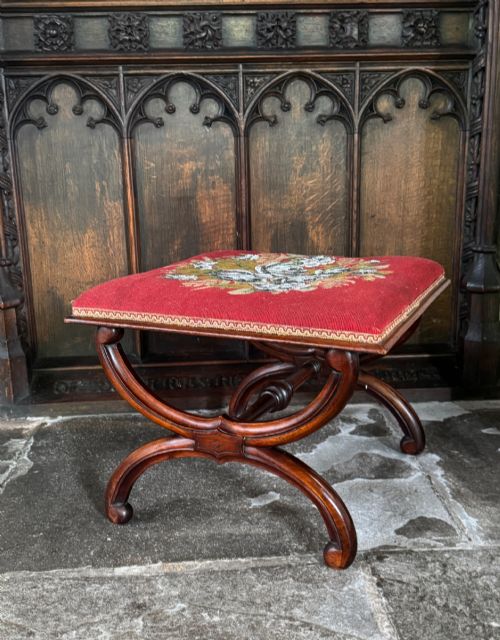
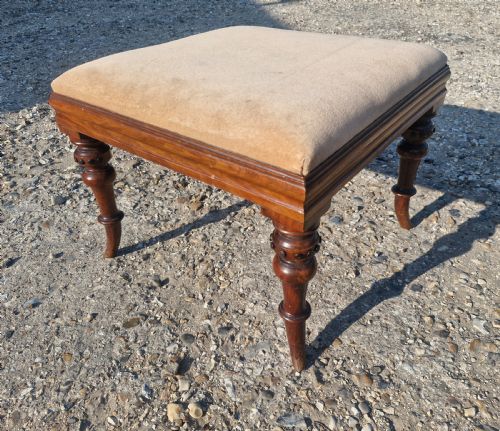
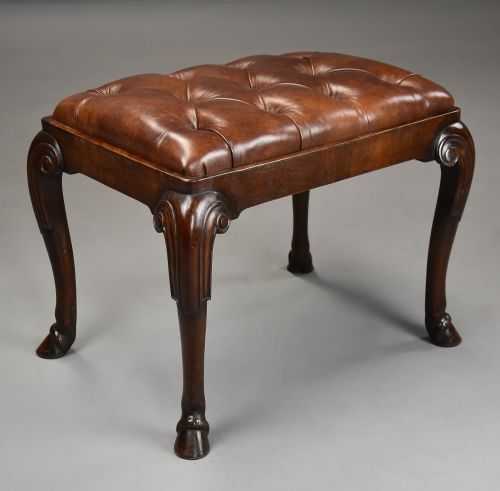
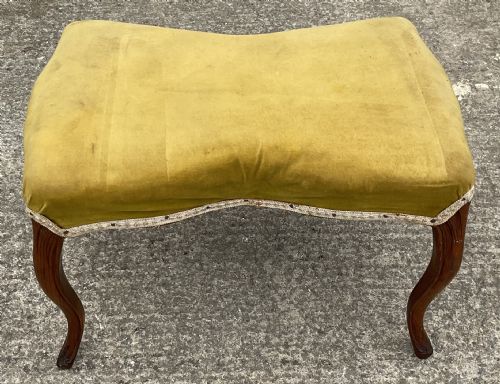
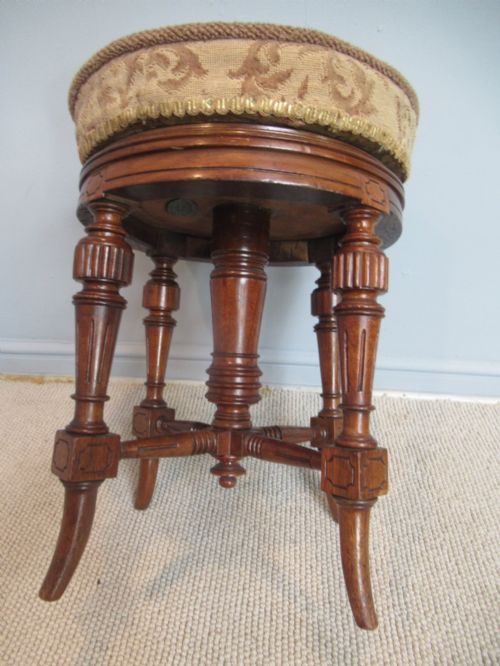
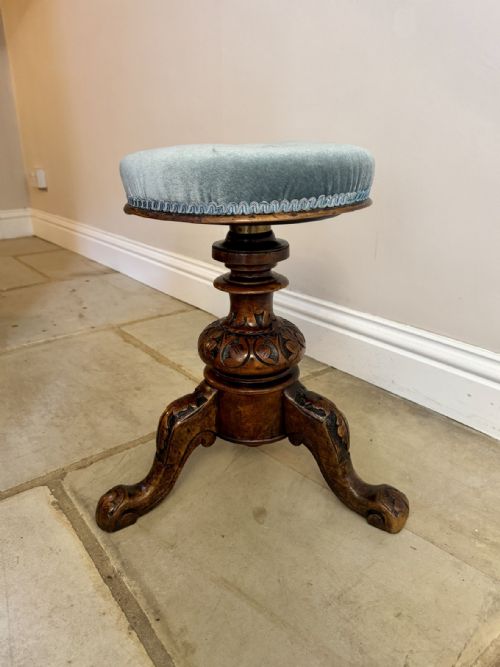
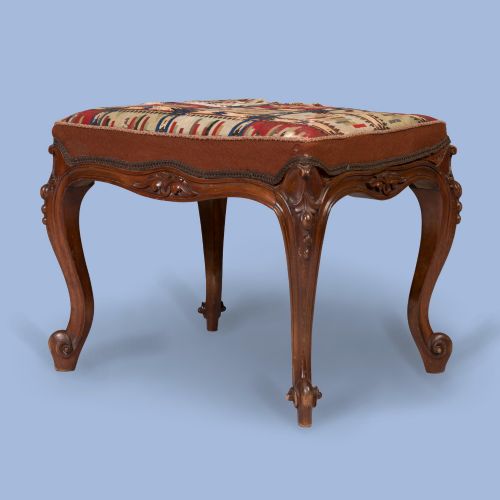
When searching for a carved walnut vanity seat, buyers encounter a variety of low seating forms designed for dressing tables, bedrooms, and pianos. These pieces span the nineteenth century into the early twentieth century, taking the shape of compact stools, X-frame supports, revolving seats, and occasional low chairs. Queen Anne revival influences and cabriole legs appear frequently across the selection.
The origin of these pieces largely traces back to Victorian and Edwardian workshops, alongside occasional continental or French decorative examples. Stools with adjustable height mechanisms or revolving tops designed for piano or dressing table use are common variants. Frames rely heavily on figured or solid walnut timbers paired with period textile covers.
How they were made
Carpenters shaped the foundational frames using solid and figured walnut timber, often employing curved cabriole legs or intersecting X-frame structural supports. Artisans carved ornamental details by hand into the wood, highlighting the natural grain and rich tone of the material. Joinery techniques ensured sturdy construction for frequent use at dressing tables and pianos.
Upholstery completed the seat, utilising textiles such as velvet, leather, tapestry, needlepoint, and patterned fabrics fastened over padding. Brass components appeared in mechanical adjustment screws for revolving or height-adjustable piano and dressing stools. Twist rope legs and beadwork seat panels added further textural contrast to the timber frames.
Some Victorian piano stools turn in endless circles on hidden wooden threads, offering nervous pianists a dizzying spin between Chopin nocturnes.
What varies in quality
The standard of carving determines much of the visual distinction among these seats, separating deeply defined, crisp hand-work from simpler, shallower moulding. Timber selection also dictates grade, with highly figured walnut grain commanding greater appreciation than plain timber surfaces. Original structural integrity and smooth operation in adjustable revolving mechanisms separate fine examples from standard utility pieces.
Preservation of original upholstery materials, needlepoint, and tapestry adds to the character of a piece, though period-appropriate re-covering remains common. The balance of proportions between the carved walnut frame and the upholstered top dictates the overall aesthetic success of the design. Subtle differences in turning, such as twist rope legs or detailed beadwork, mark out superior craftsmanship.
The Carved Walnut Vanity Seat Glossary
- X-frame
- A structural base formed by two intersecting curved or straight members shaped like the letter X. It provides sturdy support for decorative stools and benches.
- Needlepoint
- Hand-stitched canvas embroidery utilising wool or silk yarn to create intricate decorative patterns. It frequently covers the seats of nineteenth-century dressing stools.
- Revolving stool
- A seat featuring a mechanical screw or pivot mechanism allowing the top to turn freely. These served dual purposes at both pianos and dressing tables.
- Figured walnut
- Walnut timber exhibiting attractive natural grain patterns, such as burl or fiddleback. Cabinet makers selected these sections to enhance the visual appeal of fine furniture frames.
Carved Walnut Vanity Seat: Frequently Asked Questions
What is a vanity seat used for?
A vanity seat provides a low, comfortable place to sit while grooming or applying makeup at a dressing table. These compact seats also function as piano benches or decorative footstools in bedrooms and living spaces.
Because of their modest size, they fit easily beneath dressing tables or tuck into bedroom corners when not in use. Their decorative frames ensure they remain visually appealing pieces of furniture even when empty.
How do I identify a Victorian stool?
Victorian stools typically display darker walnut timbers, robust framing, and carved ornamental details reflecting the revivals of the nineteenth century. Common identifiers include cabriole legs, X-frame construction, and traditional upholstery methods.
Many examples from this era also include mechanical height adjustment for piano or dressing table use. Examining the joinery and underside timber helps confirm the nineteenth-century manufacturing period.
Are these seats adjustable in height?
Certain vanity and piano seats feature internal screw mechanisms that allow the wooden or upholstered top to raise or lower. This adjustability was particularly useful for musicians and individuals sitting at varying dressing table heights.
Non-adjustable stationary stools remain equally common across the selection. Fixed-height versions rely on standard low proportions suited specifically for seating at dressing tables.
How do I care for walnut wood?
Walnut furniture benefits from regular dusting with a soft, dry cloth to prevent dirt accumulation on the carved surfaces. Avoiding direct sunlight and maintaining stable room humidity protects the timber from drying out or splitting.
Applying occasional appropriate furniture wax nourishes the grain and maintains the natural lustre of the walnut. Avoiding harsh chemical cleaners preserves the historic finish of the wood.