


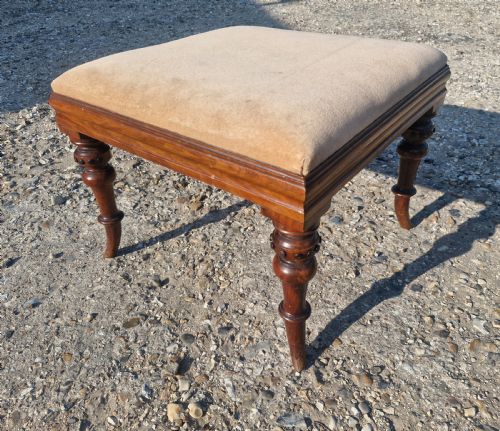
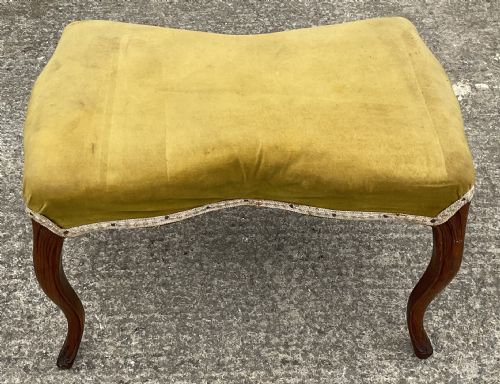
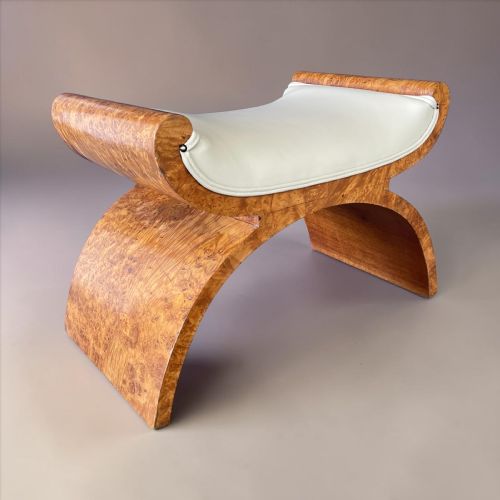
Walnut Low Stool
A walnut low stool brings solid warmth and period craft to a fireside or dressing table, offering compact seating with rich timber grain.
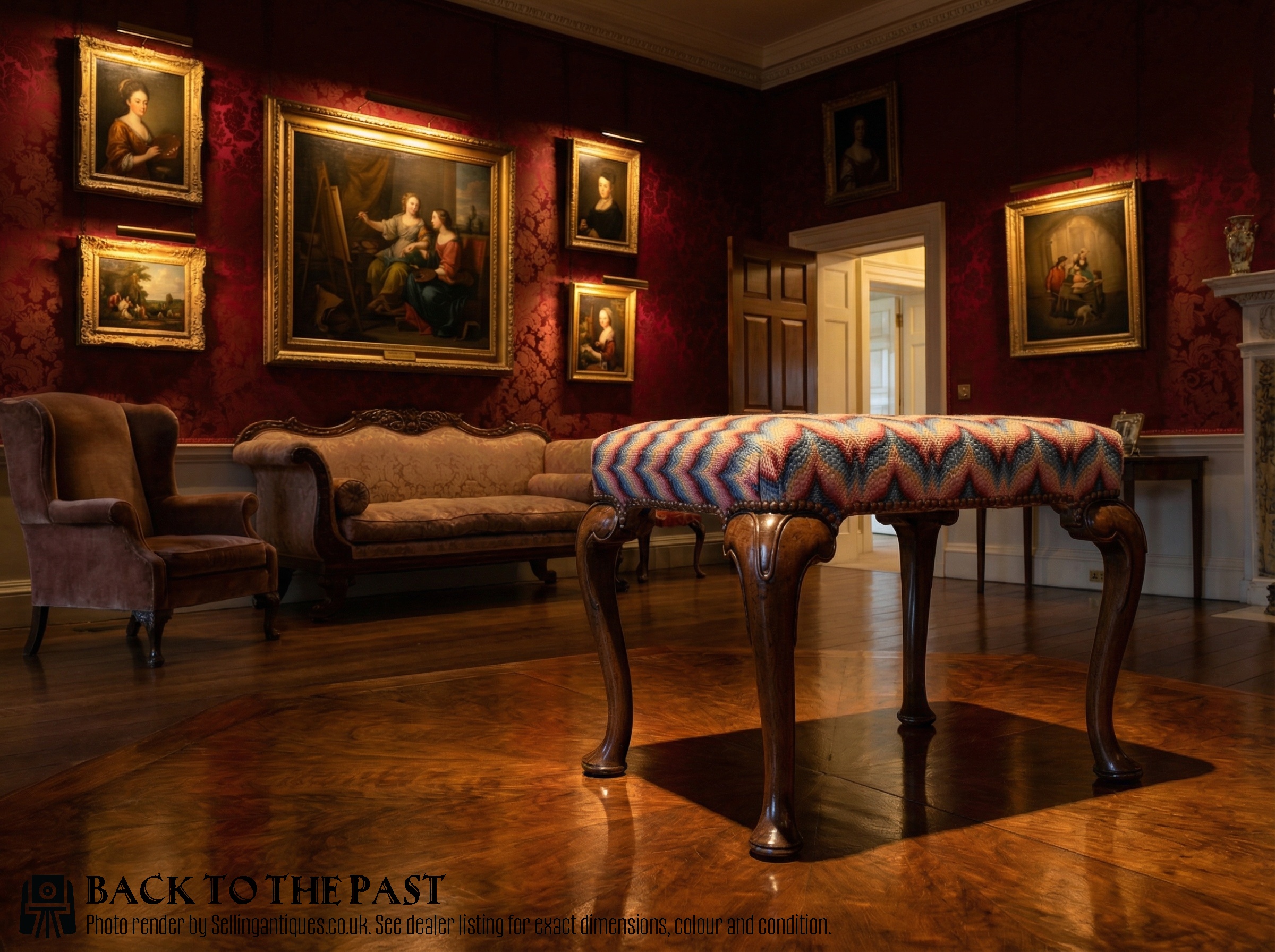
Walnut Low Stool
A walnut low stool sits close to the ground, serving variously as a footstool, fireside seat, or dressing table bench. These pieces appear frequently in Victorian designs and Queen Anne revival forms.
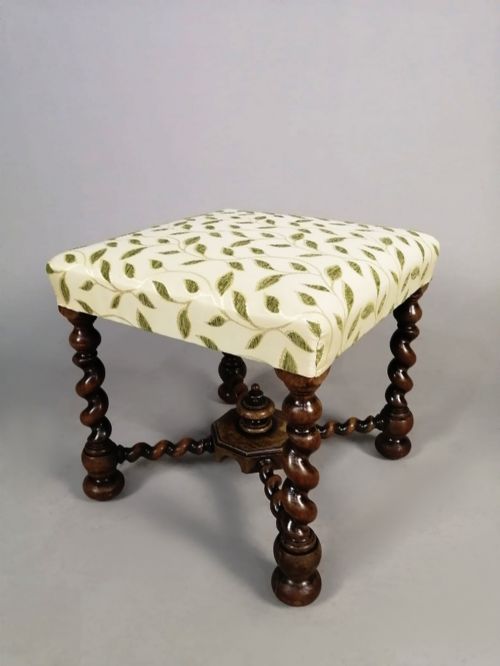
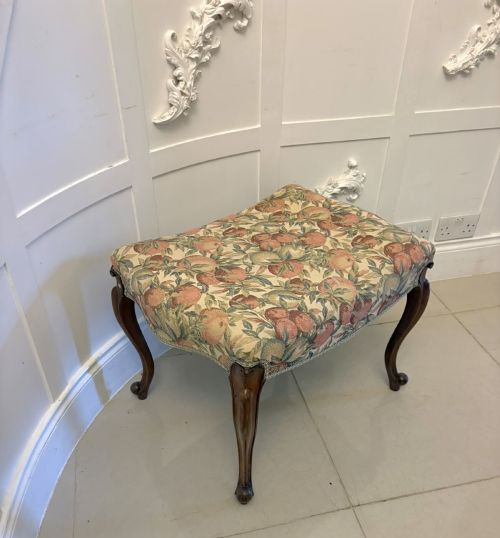
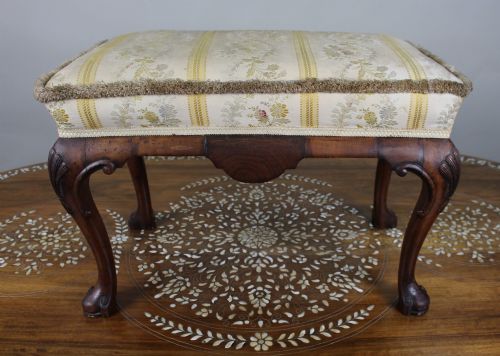
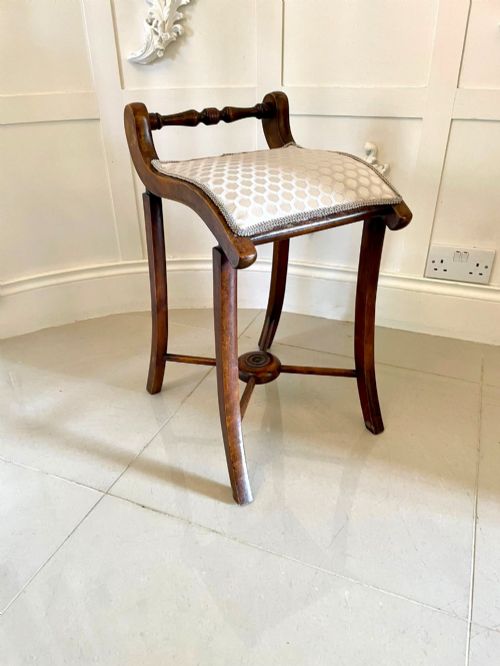
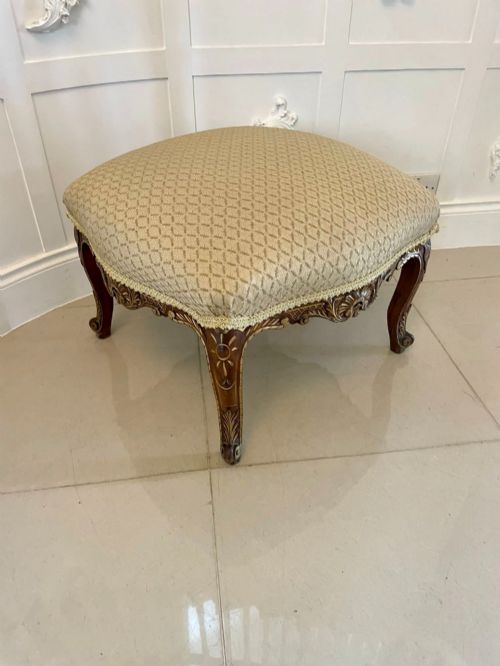
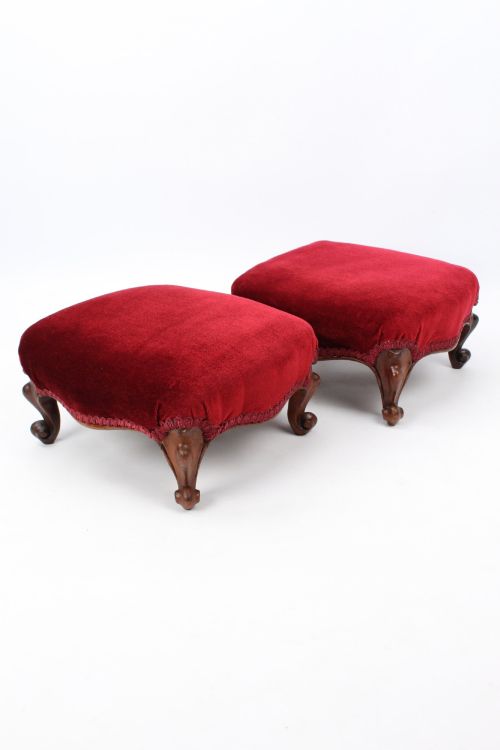
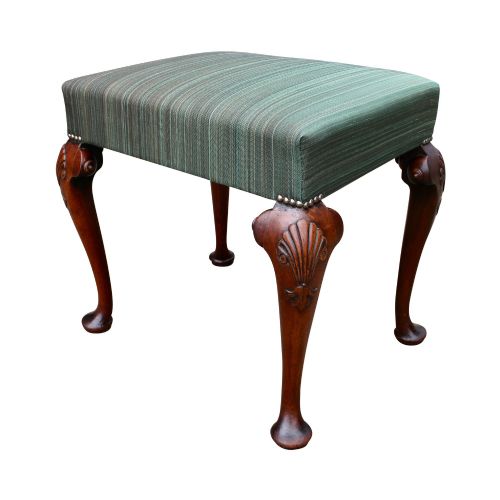
Makers often shaped these frames with cabriole legs or turned supports, pairing the dark timber with textile tops like tapestry, velvet, or leather.
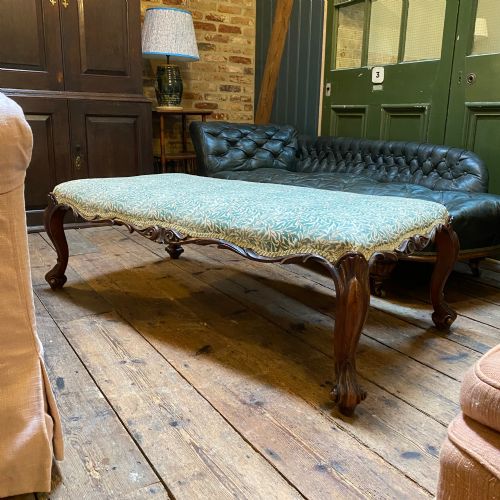
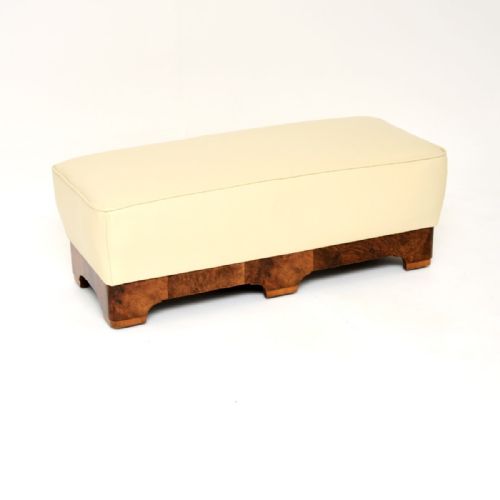
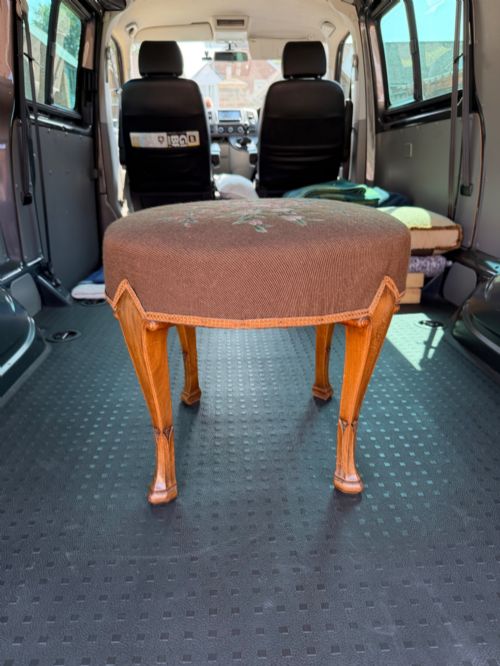
The selection spans compact circular footstools, long fender stools, and larger padded ottomans, showing origins from English workshops to continental makers.
Materials and construction methods
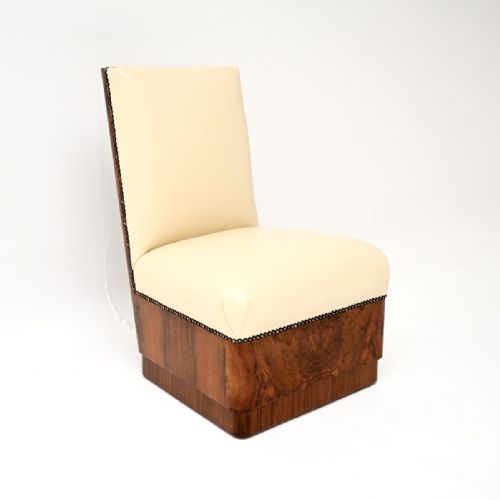
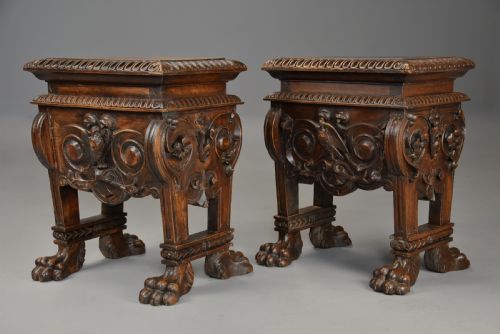
Solid walnut or burr walnut provides the structural frame, frequently complemented by decorative inlays, carved details, or gilt highlights.
Upholstery relies on traditional textiles, including needlepoint, kilim tapestry, wool, and leather, secured over padded interiors with brass elements.
Walnut Low Stool Retail Price Guide 2026
Typical asking prices for walnut low stool among the pieces listed under this phrase on Sellingantiques today, from the lower quarter to the upper quarter. They describe what is for sale here now, not the wider market.
Listings include solid walnut, burr walnut, textile, brass, fabric, tapestry, velvet, leather, and wool.
Distinguishing quality across examples
The crispness of carved details on the timber frame separates standard production from exceptional pieces by accomplished makers.
The integrity of the original wood and the choice of textile covering determine the overall refinement of each stool.
Harry and Lou Epstein·Gillows·Cope and Collinson
The Walnut Low Stool Glossary
- Cabriole leg
- A furniture leg that curves outward at the knee and tapers inward toward an ankle or foot, common in Queen Anne and Victorian pieces. This shape mimics animal limbs with natural grace.
- Burr walnut
- A specialised timber cut from the abnormal growth of a walnut tree, yielding complex, swirling grain patterns. Cabinetmakers prize this surface for decorative table tops and stool frames.
- Fender stool
- A long, low seat designed to sit in front of a hearth fender to warm feet by the fire. These rectangular pieces often span significant lengths to accommodate multiple users.
- Needlepoint
- A form of canvas work embroidery using counted stitches to create dense geometric or floral patterns. This textile frequently covers the seats of period dressing stools.
Walnut Low Stool: Frequently Asked Questions
How do I identify a Victorian stool?
Victorian walnut low stools typically display dark timber frames, often with cabriole legs or carved wooden details. They frequently feature period upholstery such as needlepoint, tapestry, or wool.
Look for structural cues like traditional joinery methods and patination on the walnut frame that indicate mid to late nineteenth-century manufacture.
What is a fender stool used for?
A fender stool is a long, low seat specifically designed to sit beside a hearth fire. Victorian households used them to keep feet elevated away from cold stone floors.
These pieces tend to be rectangular and elongated to stretch alongside the fireplace guard.
Are these stools comfortable for daily use?
Many period low stools retain padded tops covered in textile, velvet, or leather, offering firm support. Their primary historical function was for resting feet or short seating at a dressing table.
Modern buyers often place them by firesides or use them as decorative accents rather than primary lounge seating.
How do Queen Anne revival pieces differ?
Queen Anne revival stools borrow stylistic elements from earlier centuries, such as curved cabriole legs and solid walnut construction, but date to later periods like the early twentieth century.
They replicate classic proportions while maintaining the manufacturing techniques of their actual production era.