
19th Century Dressing Stool
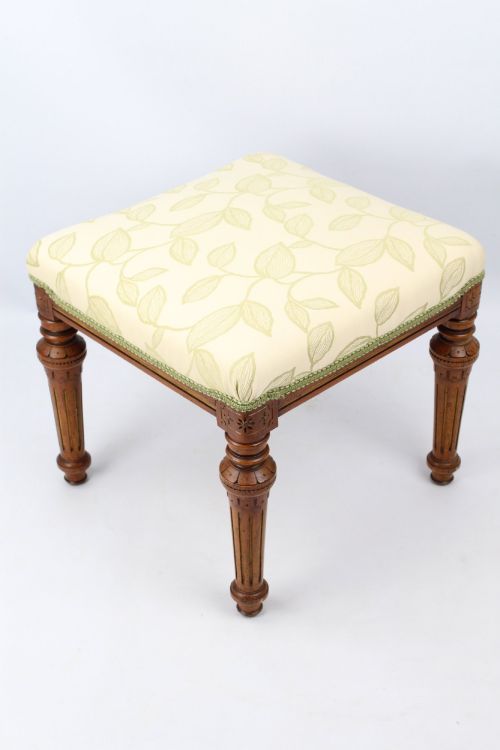
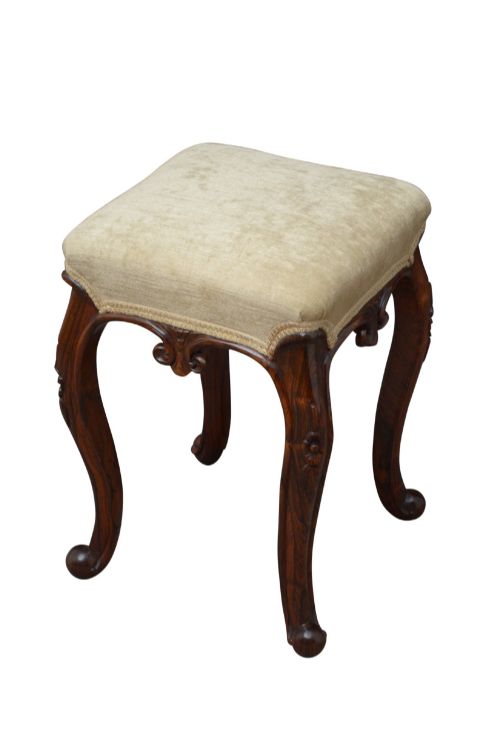
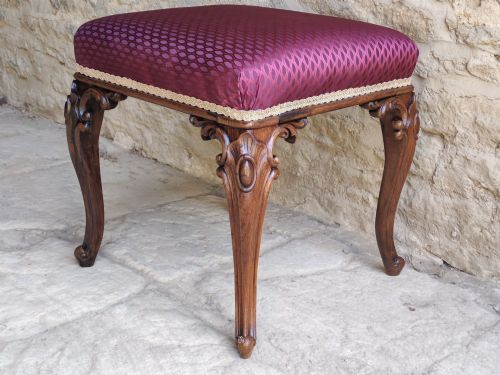
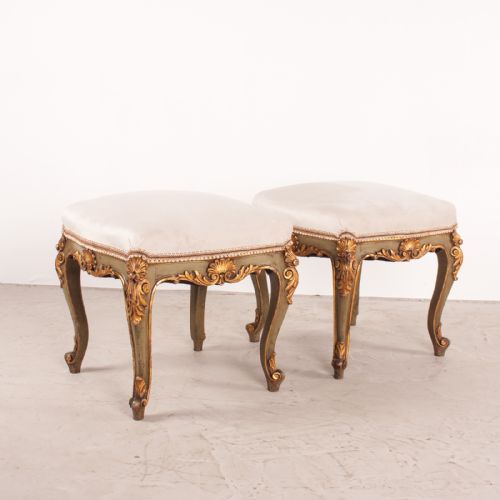
A 19th century dressing stool provides a low, upholstered seat for the bedroom, combining practical utility with period craftsmanship.
19th Century Dressing Stool
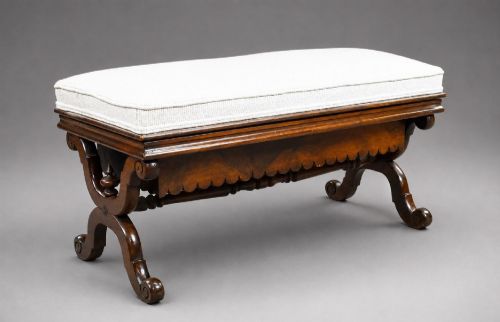
When you search for a 19th century dressing stool, you encounter low seats designed for bedrooms and dressing rooms, often paired with dressing tables or mirrors. The pieces on this page span the 19th century, with Victorian examples appearing most frequently alongside earlier Regency and William IV forms.
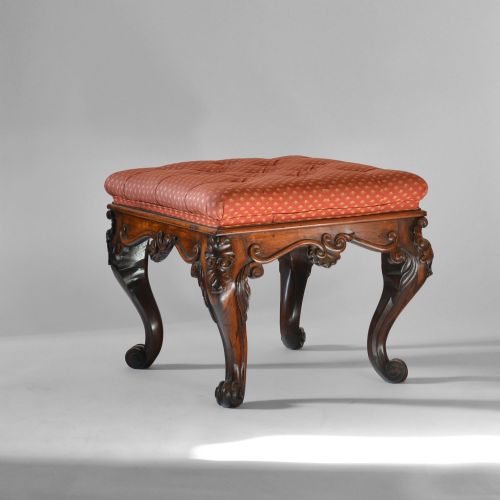
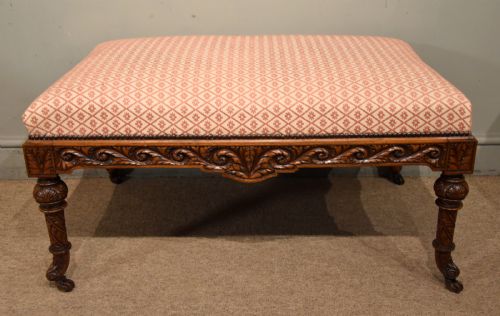
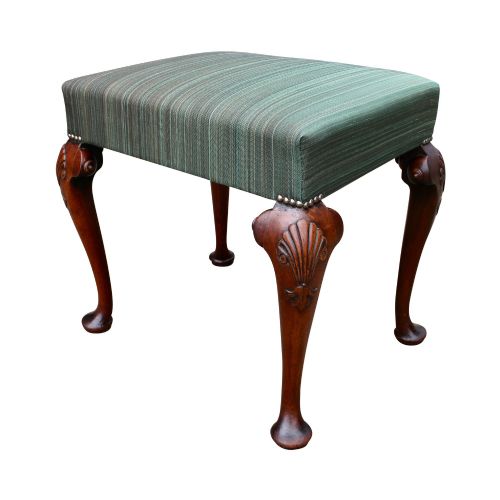
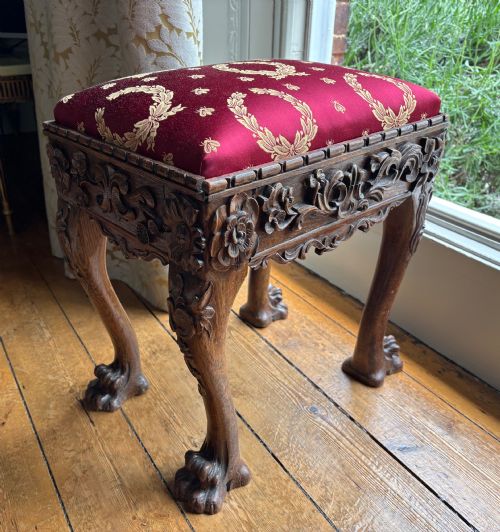
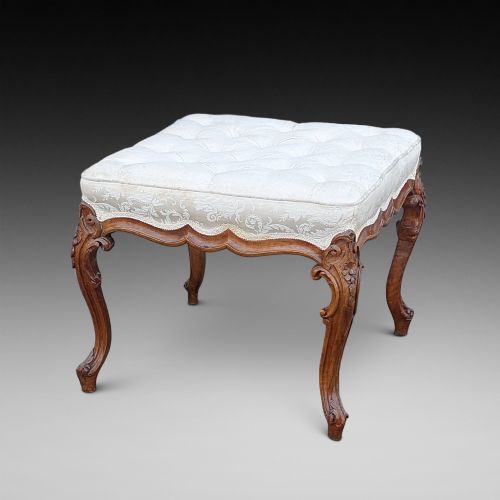
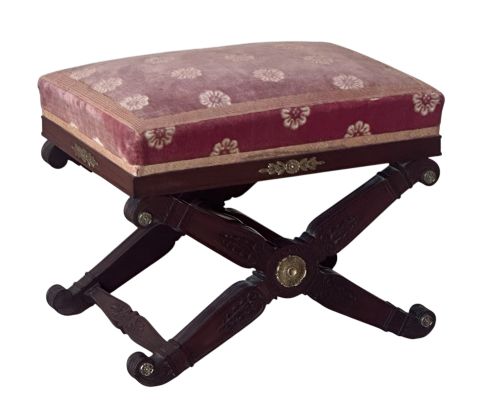
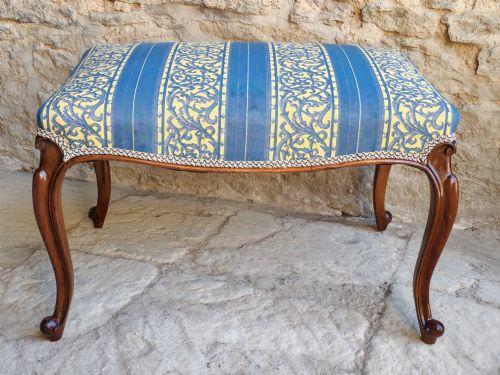
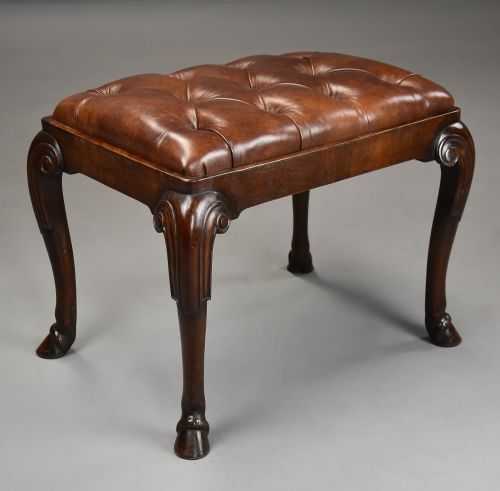
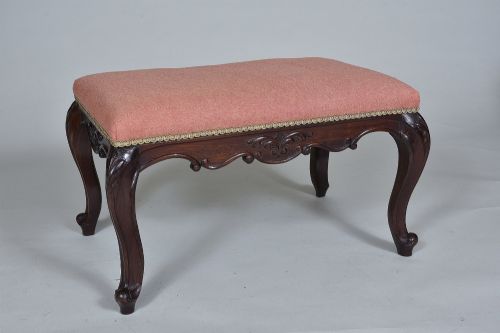
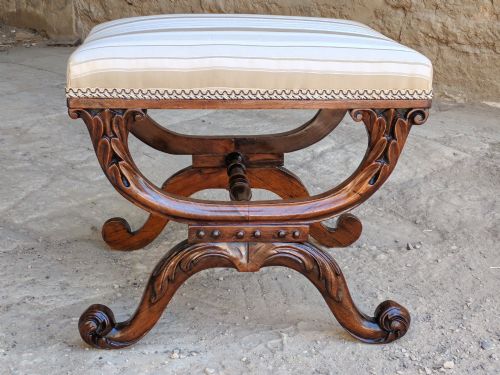
The assortment includes square, rectangular and X-frame silhouettes resting on cabriole, bobbin or straight legs. Many examples adopt revival styles such as Queen Anne, Chippendale, Rococo and Carolean, reflecting the period's taste for historical design.
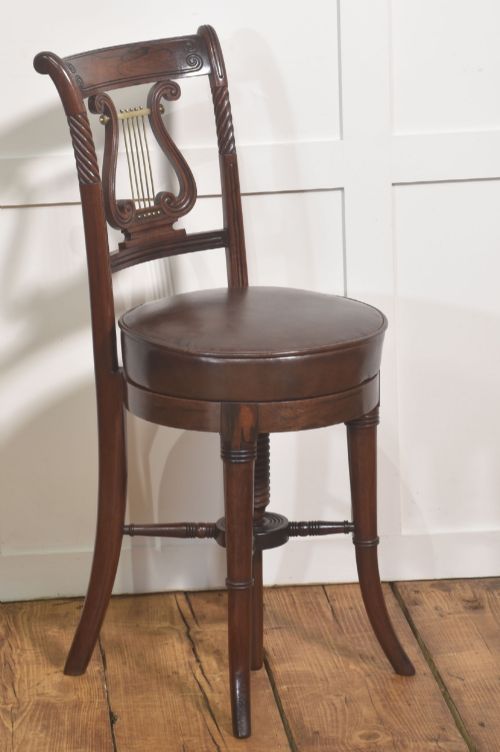
Makers utilised various native and exotic timbers, topping the frames with needlepoint tapestry, leather, velvet and patterned fabric. Alongside dedicated dressing stools, you find related forms including footstools, benches and dressing chairs.
How they were made
Cabinetmakers constructed the frames predominantly from dense hardwoods like mahogany, walnut and rosewood, occasionally employing goncalo alves, satin birch, burr maple or oak. They shaped legs and rails through turning, spiral carving or hand-carving deep foliate and scroll motifs.
Upholsterers built the seats using traditional webbing, stuffing and stitching methods before securing the final textile or leather cover with brass tacks or gimp braid. Frames frequently utilised tenoning and jointing techniques suited to bearing weight on low proportions.
Listings feature woods including mahogany, walnut, rosewood, oak, satin birch, burr maple and goncalo alves across various Victorian and Regency forms.
What varies in quality
Quality rests upon the crispness of the wood carving and the weight of the timber selected for the frame. Dense mahogany and figured walnut with deep, hand-carved details signal a higher standard than plainer construction.
The integrity of the internal upholstery build and the choice of surface finish also set examples apart. Substantial joinery and harmonious proportions separate standard workshop production from finer pieces.
Loidrault Freres Paris
The 19th Century Dressing Stool Glossary
- Cabriole leg
- A furniture leg that curves outward at the knee and tapers inward to an ankle, mimicking animal limbs. This form appeared frequently on Victorian walnut and mahogany seating.
- X-frame
- A structural base formed by intersecting diagonal timbers that cross to support the seat. This ancient design experienced revivals during the Regency and Victorian periods.
- Needlepoint
- A type of canvas work embroidery used for upholstery on period seats. Artisans stitched intricate floral or geometric patterns with wool or silk thread.
- Goncalo alves
- A dense exotic hardwood with distinct contrasting dark brown and blonde figuring. Cabinetmakers utilised this timber for decorative Victorian furniture.
- Bobbin leg
- A turned furniture leg shaped to resemble a string of beads or bobbins. This decorative turning method appeared on mid-19th century wooden frames.
19th Century Dressing Stool: Frequently Asked Questions
What is a 19th century dressing stool?
A 19th century dressing stool is a low, upholstered seat made for use at a bedroom dressing table or mirror. These pieces typically feature wooden frames in mahogany, walnut or rosewood.
Craftsmen produced them in various revival styles, including Queen Anne, Rococo and Chippendale, often matching the prevailing furniture fashions of the Victorian and Regency eras.
How were dressing stools used historically?
Historically, these stools provided a comfortable, movable seat for morning routines such as hair dressing and applying cosmetics. Their compact size allowed them to tuck neatly beneath dressing tables when not in use.
While primarily functional bedroom furniture, finer examples also served as decorative accents in private dressing rooms and boudoirs.
How do you distinguish Victorian from Regency stools?
Regency stools, dating from the early part of the century, often display classical restraint with rosewood frames, sabre legs or architectural X-frames. They reflect an interest in Greek and Roman antiquity.
Victorian stools, produced from the 1830s onward, tend to feature heavier carving, cabriole legs and elaborate revival ornament such as scrollwork and floral motifs.
What woods are common in these stools?
Mahogany and walnut form the vast majority of surviving frames, offering durability and rich grain patterns. Rosewood also appears regularly, particularly on pieces from the earlier decades of the century.
Selected pieces utilise alternative timbers such as oak, satin birch, burr maple or goncalo alves to achieve specific decorative effects.