
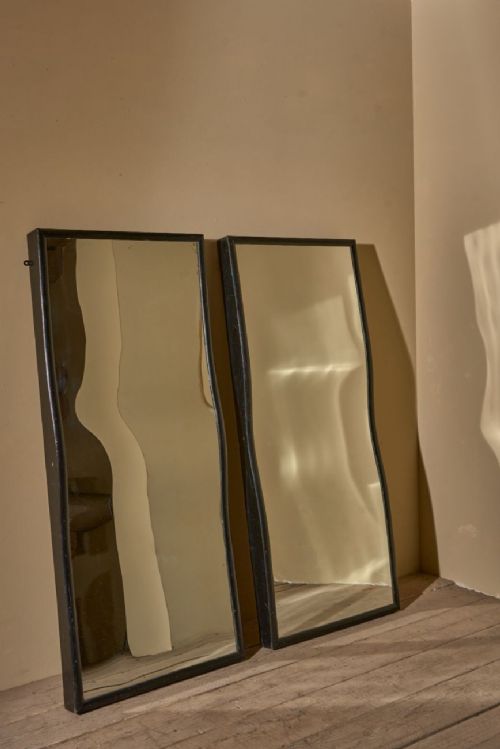
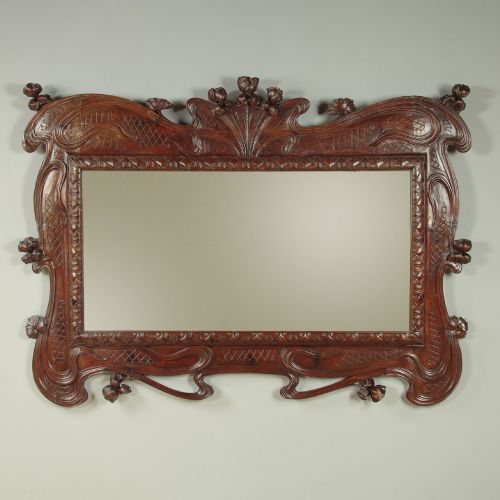
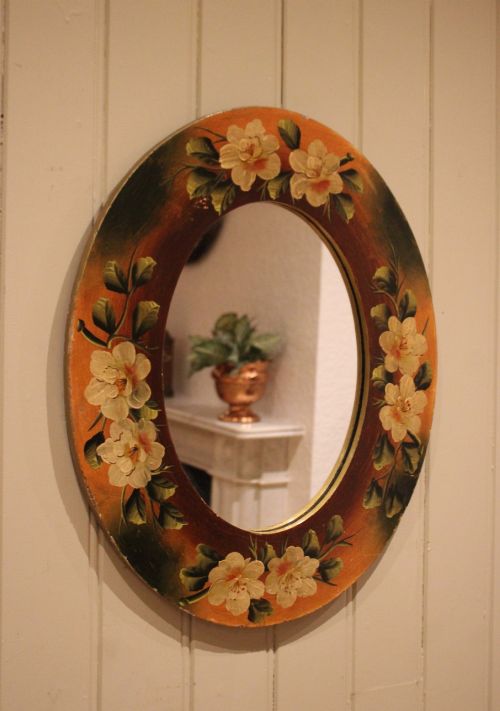
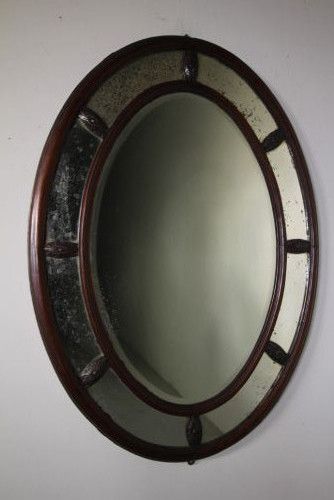
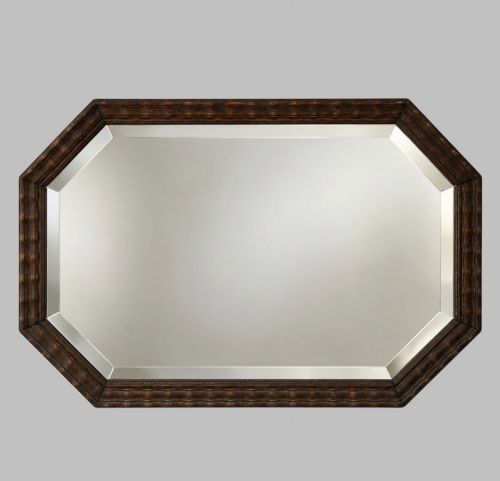


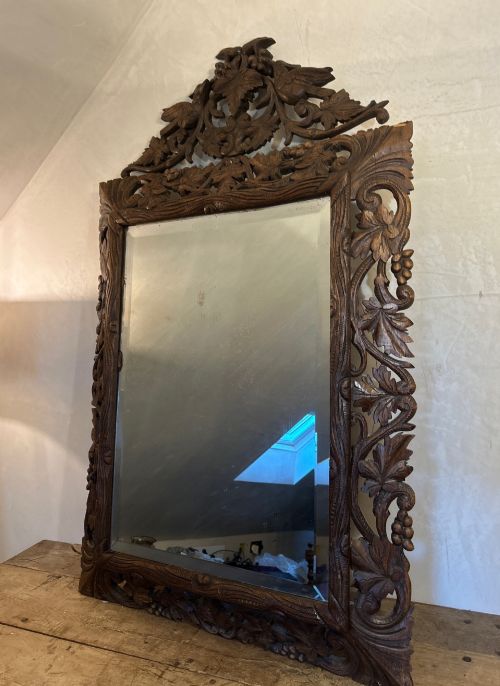
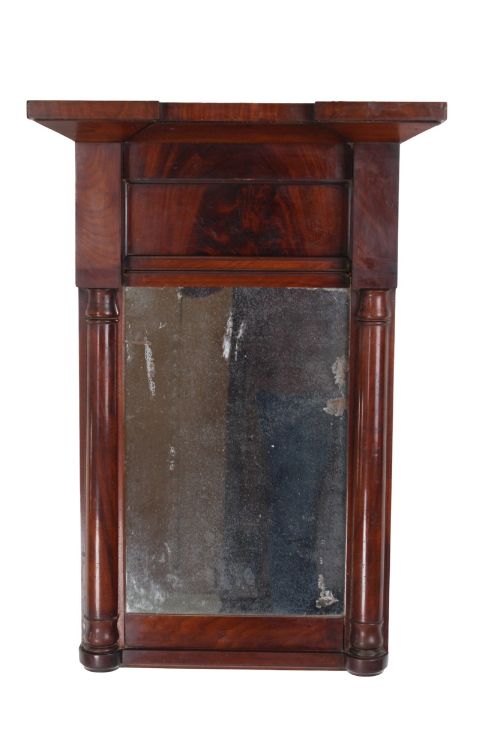
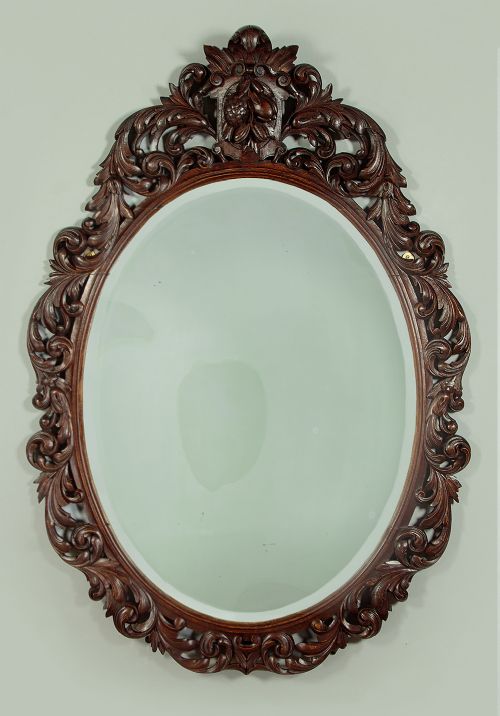
Vintage Wooden Framed Mirror
A vintage wooden framed mirror brings warmth and character to a room, offering functional reflection through time-honoured craftsmanship and diverse period designs.
Vintage Wooden Framed Mirror
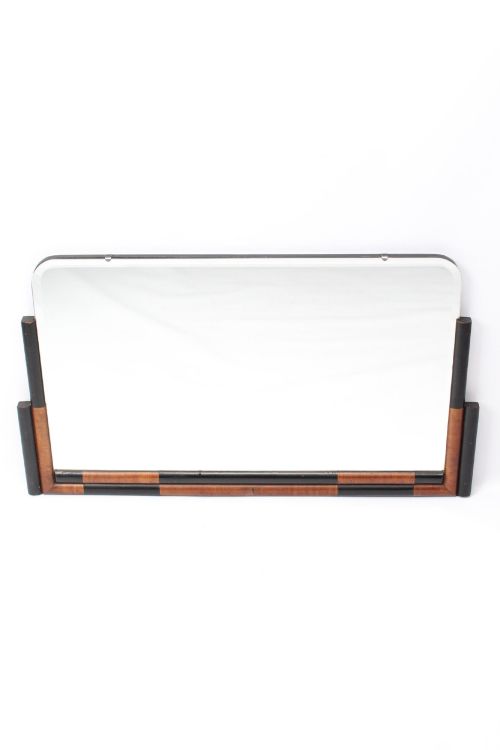
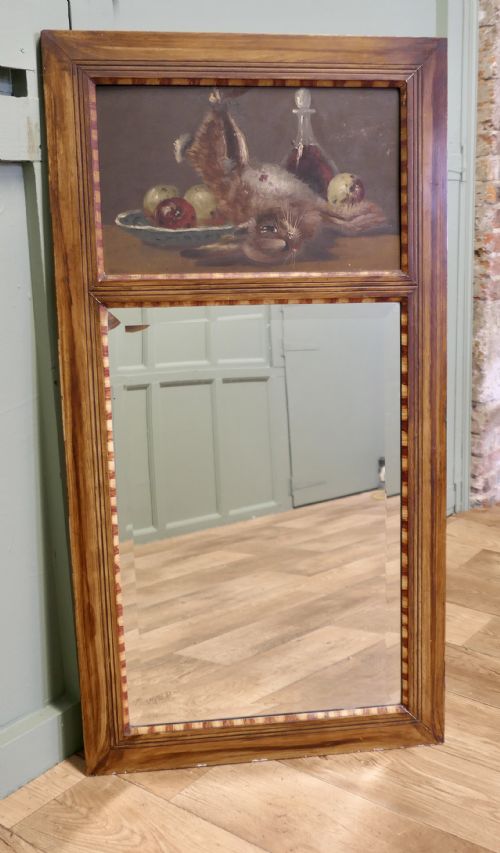
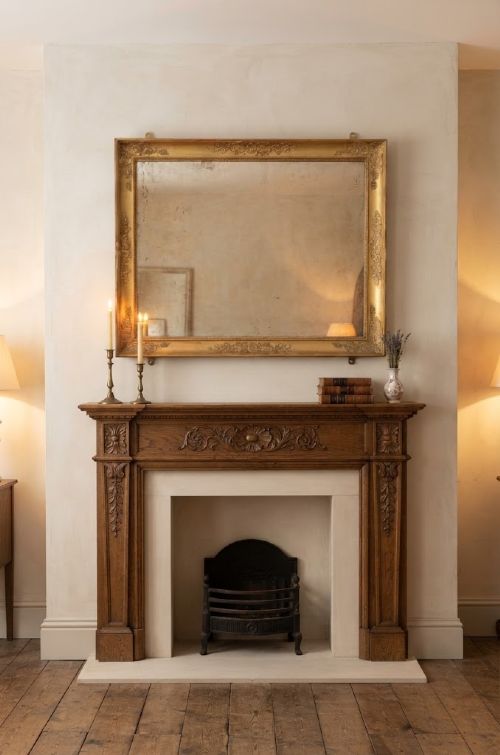
A vintage wooden framed mirror encompasses a wide array of functional looking-glasses designed for walls, mantels, and dressing tables. When searching for a vintage wooden framed mirror, buyers encounter formats ranging from large Victorian and Edwardian overmantels to intimate Edwardian vanity mirrors and smaller French wall styles. The selection spans the nineteenth and twentieth centuries, capturing shifts in domestic taste across various decades.
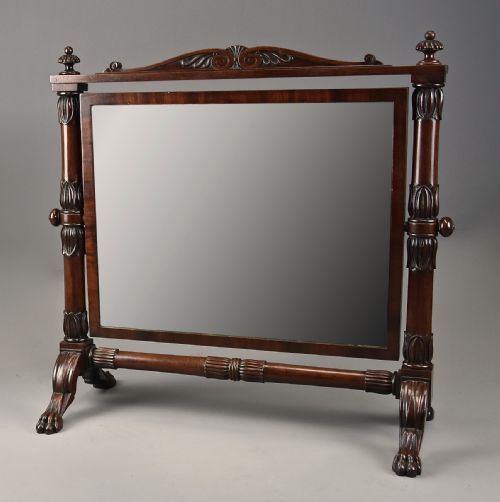
The assortment includes pieces shaped by distinct regional and period styles, such as French Country trumeau piers, Regency mahogany pier mirrors, and Art Deco walnut designs. Oak and mahogany dominate the heavier wall-hanging formats, while lighter fruitwoods and painted finishes appear on dressing table versions. Each item reflects the interior requirements of its original era, from grand country houses to compact urban spaces.
Materials and construction
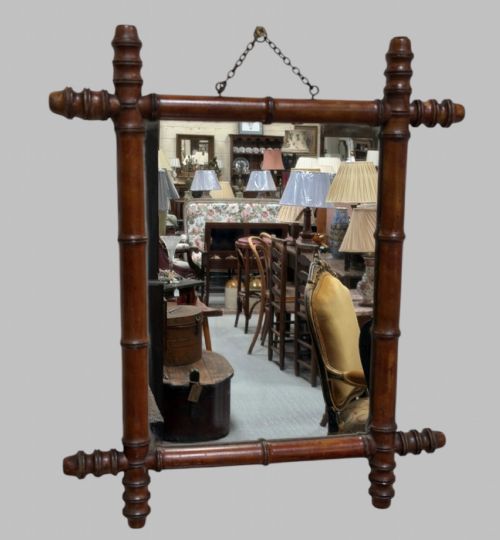
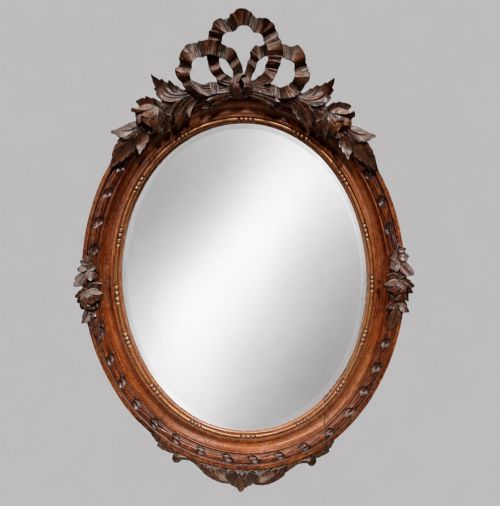
Makers utilised solid timbers such as oak, mahogany, walnut, and rosewood for structural frames, frequently applying carved details directly into the wood or mounting applied gesso ornaments. Giltwood and gold leaf finishes appear on pieces influenced by French Rococo and Renaissance revivals, providing bright reflective highlights against darker timber bases. Some examples incorporate specialist elements like faux bamboo or intricate inlaid stringing.
Glass plates were hand-bevelled or engraved in various formats, secured within the wooden rebates using traditional backing boards and fixings. Carved motifs range from simple ribbed mouldings to elaborate floral, mythological, and scrolling ornamentation executed by hand. Joinery techniques varied according to the period, employing pegged mortise and tenon joints on heavier oak structures and fine mitred corners on delicate mahogany frames.
The listings feature oak, mahogany, walnut, and giltwood frames spanning the Victorian, Edwardian, and Art Deco periods.
Distinguishing quality
The calibre of a piece rests heavily on the depth and crispness of the wood carving, where hand-tooled execution outshines repetitive cast composition ornament. Superior examples display dense, well-figured timbers like Cuban mahogany or burr walnut with harmonious grain patterns across the visible frame.
Originality of components defines the upper tier of the range, preserved through intact mercury or early bevelled silvered glass plates and matching backboards. The integration of the frame corners, the retention of original gilding without excessive overpainting, and balanced proportions further separate standard utility pieces from exceptional workshop output.
Waring & Gillow
The Vintage Wooden Framed Mirror Glossary
- Trumeau
- A decorative wall mirror combined with a painted panel or carved artwork above the glass plate. These tall pieces were traditionally positioned between windows in formal rooms.
- Overmantel
- A large horizontal mirror designed specifically to hang on the wall directly above a fireplace mantelpiece. They often feature architectural framing elements suited to reception rooms.
- Gesso
- A plaster-based mixture applied to wooden frames as a smooth surface for subsequent gilding or painting. It allows for crisp, three-dimensional moulded ornamentation.
- Pier mirror
- A tall, narrow mirror traditionally hung on the section of wall between two windows, known as the pier. They maximise light in darker rooms.
- Cheval mirror
- A freestanding full-length dressing mirror mounted on a vertical swivelling frame between two upright posts. This allows the glass angle to be adjusted.
Vintage Wooden Framed Mirror: Frequently Asked Questions
How do I hang a heavy antique wooden mirror safely?
Heavy frames require fixings screwed directly into wall studs or appropriate masonry anchors rather than standard plasterboard plugs. Using a heavy-duty mirror plate or a sturdy French cleat system distributes the considerable weight evenly across the structure.
Ensuring the hanging wire or integrated brackets on the rear of the timber frame remain sound is essential before mounting. Professional installation is recommended for large overmantel or trumeau formats.
How should I clean a vintage mirror frame?
Dust timber frames gently with a soft, dry cloth to remove surface particles without disturbing fragile patinas or aged finishes. Avoid commercial chemical sprays and abrasive polishes that can strip original wax or damage exposed giltwood and gesso.
Glass plates can be cleaned sparingly using a microfibre cloth and a neutral glass cleaner applied to the cloth rather than directly sprayed onto the mirror. This prevents moisture from seeping behind the plate and damaging the silvering backing.
What is foxing on antique mirror glass?
Foxing refers to the small brown spots, speckles, and cloudy patches that develop on older mirror plates over decades of exposure to moisture and air. This natural ageing process occurs as the backing silver or mercury oxidises behind the glass.
Many collectors prize foxing as a sign of authenticity and genuine age rather than a defect. It creates a soft, hazy reflection distinct from modern, flawless glass.
Can I place these mirrors in a bathroom?
High humidity and fluctuating bathroom temperatures pose significant risks to vintage wooden frames and silvered glass plates. Moisture causes wood to warp, opens joints, and accelerates the oxidation of the mirror backing.
Dry interior environments such as hallways, bedrooms, and living rooms best preserve the condition of antique timber and gesso finishes.