

Victorian Crested Wall Mirror
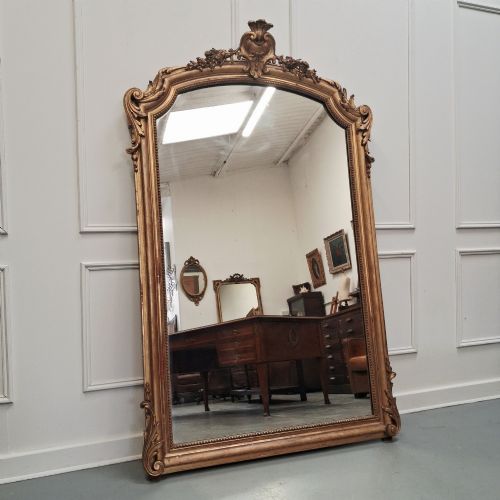
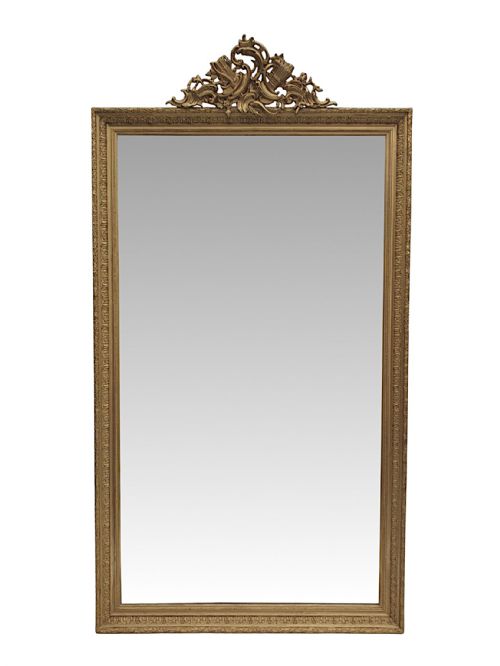
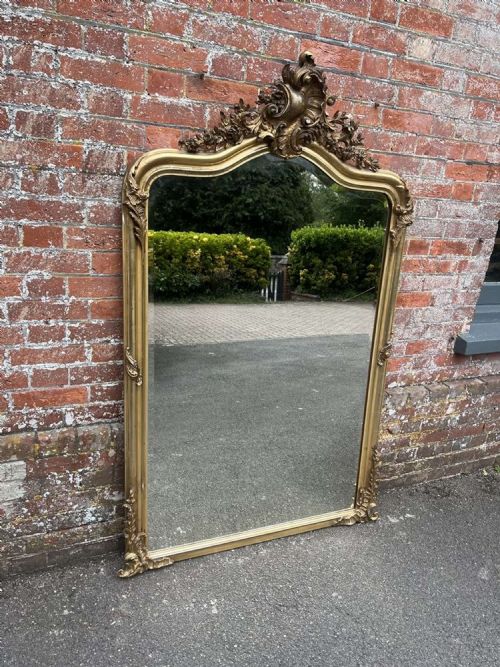
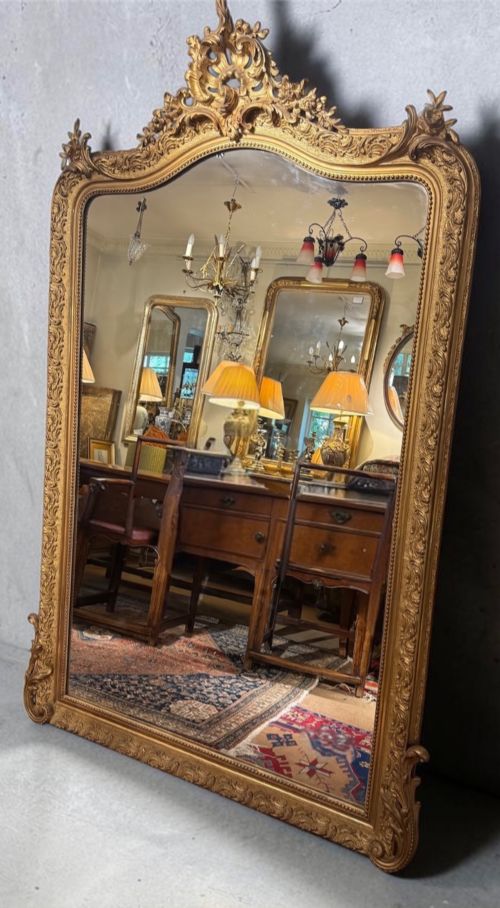
A victorian crested wall mirror brings heavy nineteenth-century presence to a room, offering grand gilt frames and ornate crests that anchor a domestic interior.
Victorian Crested Wall Mirror
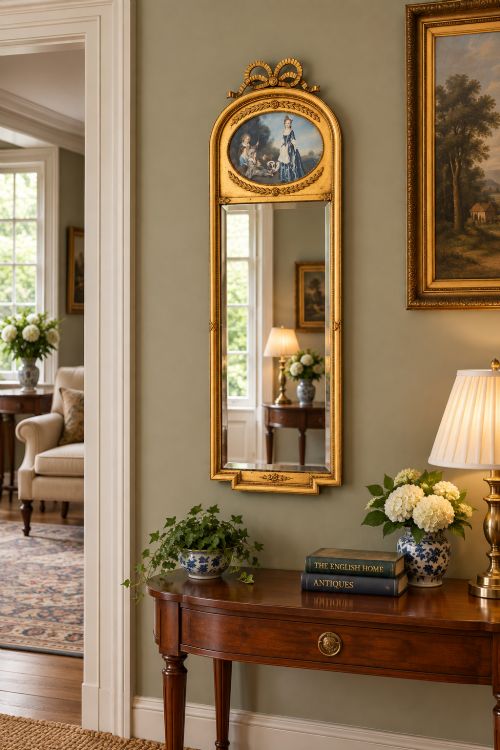
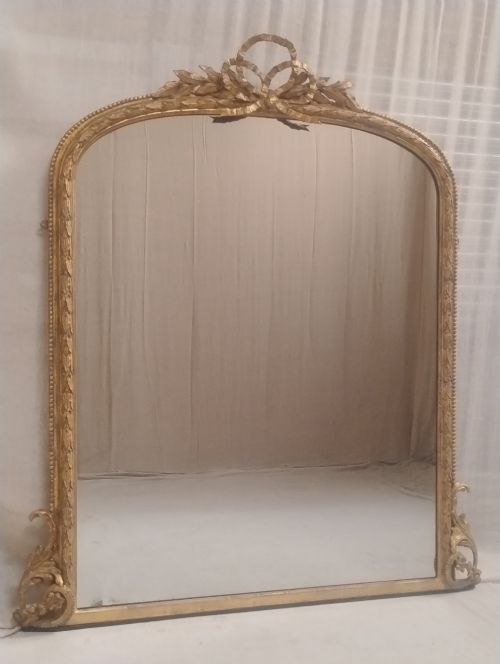
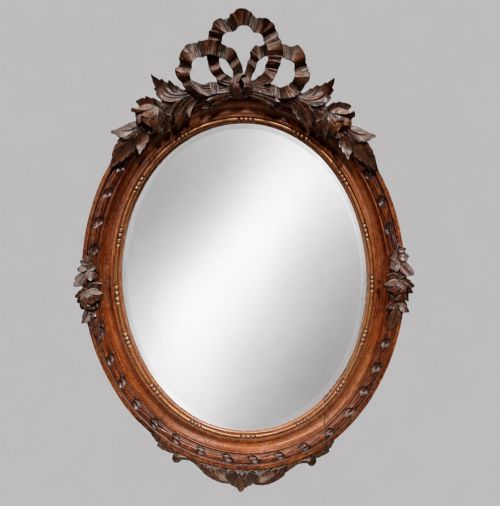
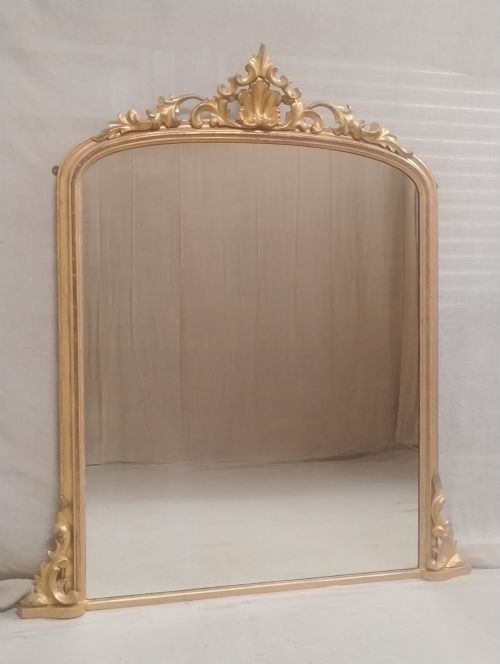
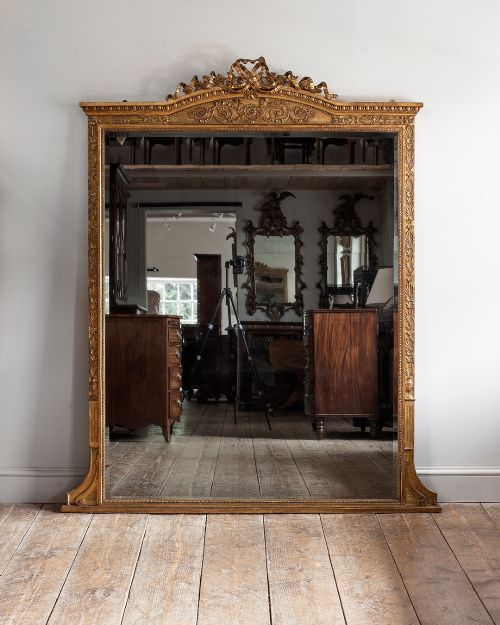
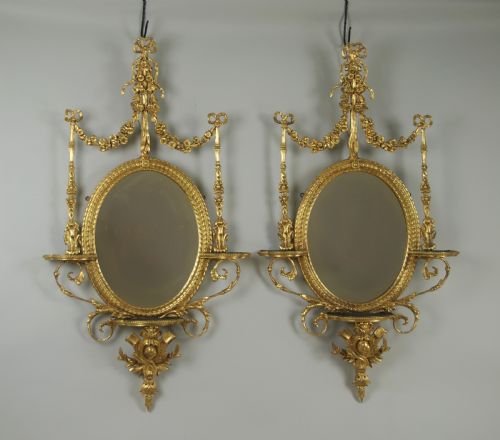
Makers and designers of the period drew upon French chateau, Chippendale revival, and neoclassical styles to create ornate focal points. These mirrors often incorporate specific crest motifs, ranging from carved birds and cartouches to urns and swags.
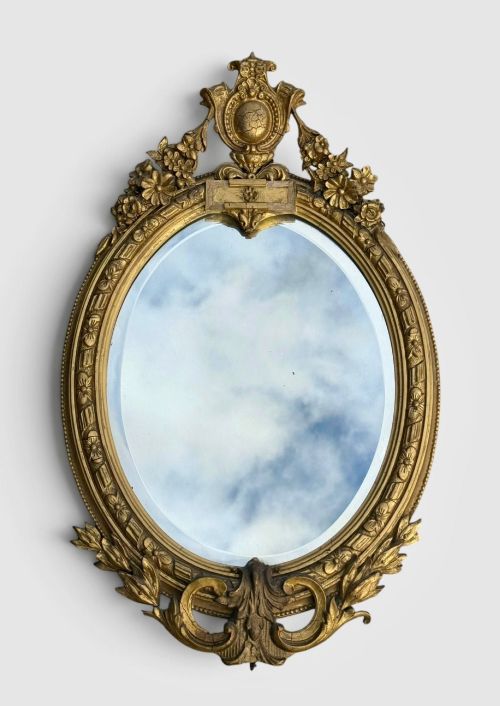
The form encompasses portrait ovals, triptychs, and rectangular plates framed in rich hardwoods or heavily ornamented giltwood. Buyers encounter pieces originating from English workshops as well as French ateliers dating from the eighteen-sixties through to the turn of the twentieth century.
How they were made
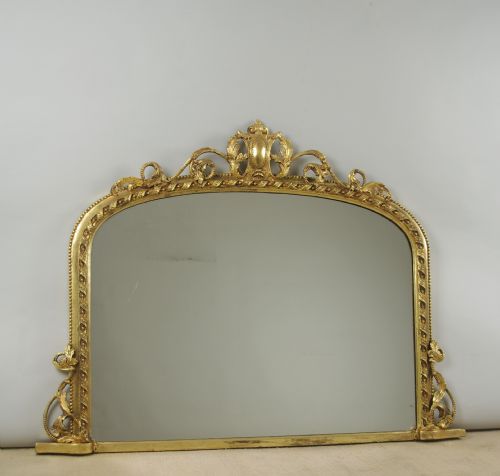
Carved wood and moulded gesso formed the foundation for the most elaborate gilded frames, allowing artisans to build up deep relief ornament. Composition material was frequently utilised for repetitive scrollwork and intricate crest details applied over a wooden base.
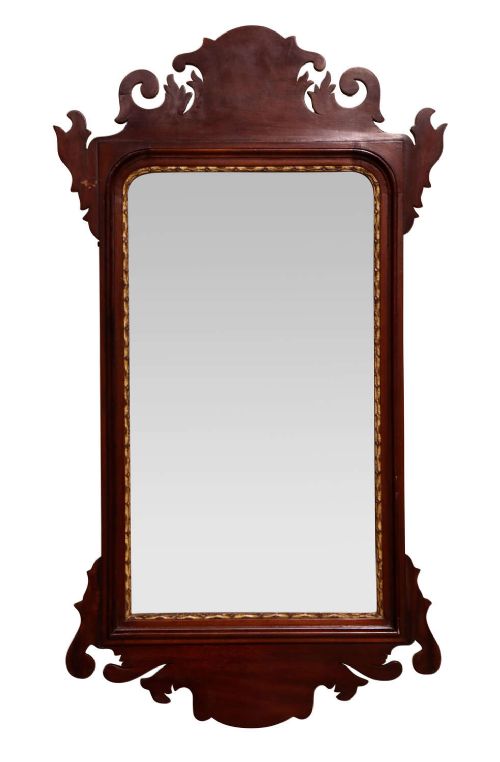
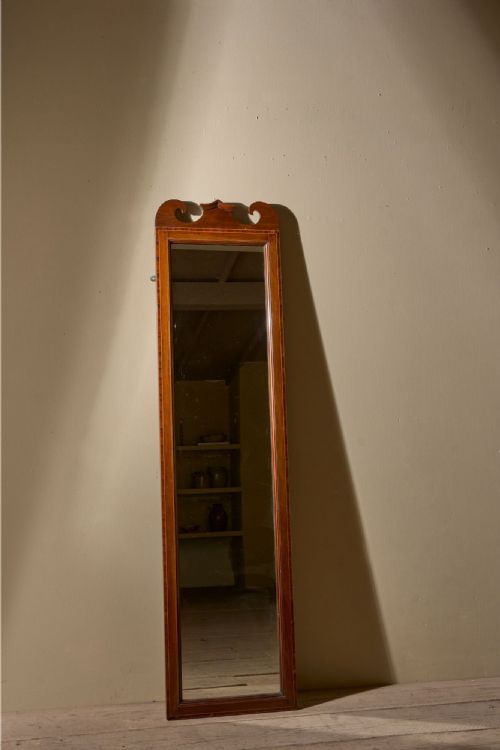
Solid mahogany and ebonised timbers provided the structural carcass for revival styles, often highlighted with parcel-gilt details or intricate fretwork. Traditional gold leaf application or silvering methods were used to finish the reflective surfaces and wooden mouldings.
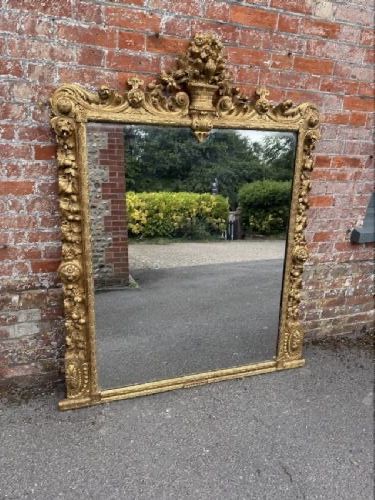
Listings demonstrate a strong presence of nineteenth-century French and English overmantel forms framed in giltwood, gesso, and carved mahogany.
What varies in quality
The depth and crispness of the hand-carved wooden ornament distinguish finer pieces from mass-produced moulded equivalents. Superior frames display sharp relief in the gesso and composition work without heavy smoothing or loss of detail.
The integrity of the original mirror glass and the quality of the gilding create significant distinctions across the range. Original silvered plates with natural foxing and robust joinery in the heavy timber frames indicate superior craftsmanship.
The Victorian Crested Wall Mirror Glossary
- Overmantel mirror
- A large horizontal mirror designed specifically to hang above a fireplace mantelpiece. These pieces often feature prominent cresting to fill the vertical space of the chimney breast.
- Giltwood
- Timber, typically softwood or pine, that has been coated with gold leaf applied over a prepared gesso ground. This technique creates a brilliant reflective surface characteristic of formal nineteenth-century interior decoration.
- Gesso
- A plaster-like mixture applied to a wooden frame and carved or moulded into decorative relief details before gilding. It provides the smooth, receptive surface necessary for intricate ornamentation.
- Pier mirror
- A tall, narrow mirror designed to hang on the wall space between two windows, often placed above a matching pier table. Nineteenth-century examples frequently utilise the vertical proportions to draw light into a room.
- Parcel-gilt
- Partially gilded woodwork where specific carved details or mouldings are highlighted in gold leaf against a contrasting painted or dark wood background. This technique accentuates architectural elements on the frame.
Victorian Crested Wall Mirror: Frequently Asked Questions
Where should a large overmantel mirror be hung?
These mirrors traditionally anchor the room above a fireplace mantelpiece, where their generous proportions reflect light and balance the hearth below. Securing them safely requires fixing directly into solid wall studs or masonry due to their substantial weight.
Alternatively, they function effectively as leaner mirrors placed against a drawing room wall. This positioning creates a sense of expanded space and showcases the detailed cresting at eye level.
What is parcel-gilt on these mirrors?
Parcel-gilt refers to a decorative finish where only selected portions of a wooden frame receive gold leaf application. The remaining areas are typically ebonised, painted, or finished to show the natural grain of the underlying mahogany.
This contrasting technique highlights specific carved details, cartouches, or moulding edges. It creates a more restrained aesthetic compared to fully gilded nineteenth-century frames.
How do I care for nineteenth-century gilt frames?
Giltwood and gesso surfaces require gentle dusting with a soft, dry brush to prevent damage to the delicate gold leaf. Moisture and modern chemical cleaners should be strictly avoided, as they strip the historical finish from the gesso.
Stable indoor humidity protects the wooden carcass from warping and prevents the gesso foundation from cracking. Handling the frame carefully around the cresting preserves the original nineteenth-century construction.