


Large Hallway Wall Mirror
A large hallway wall mirror anchors an entranceway with presence, reflecting light and depth in narrow spaces.
Large Hallway Wall Mirror
When you search for a large hallway wall mirror, you encounter substantial looking-glasses designed to command an entrance space. These pieces serve both a practical purpose for checking attire and an architectural one by bouncing daylight down corridors.
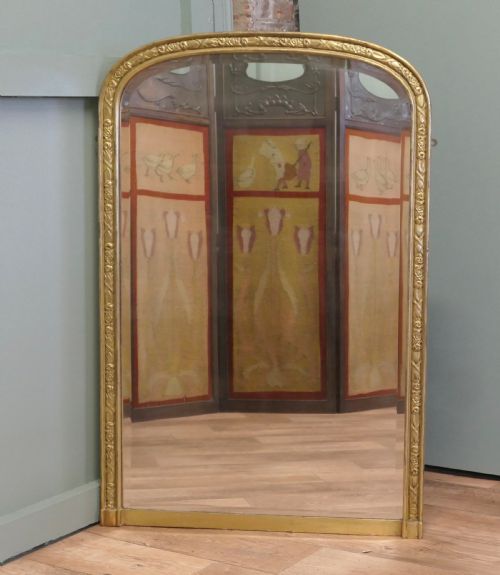
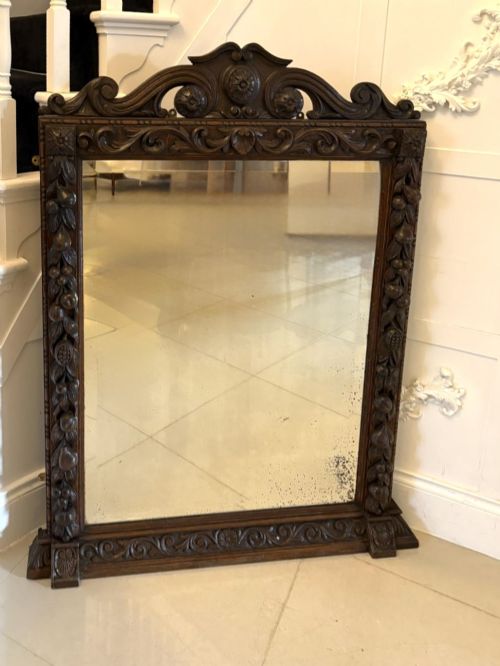
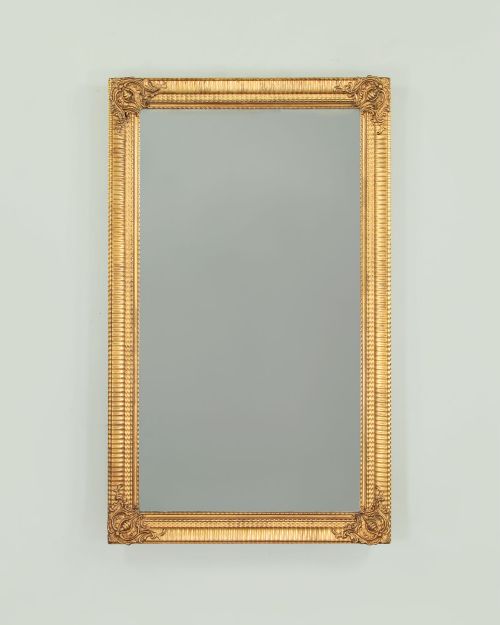
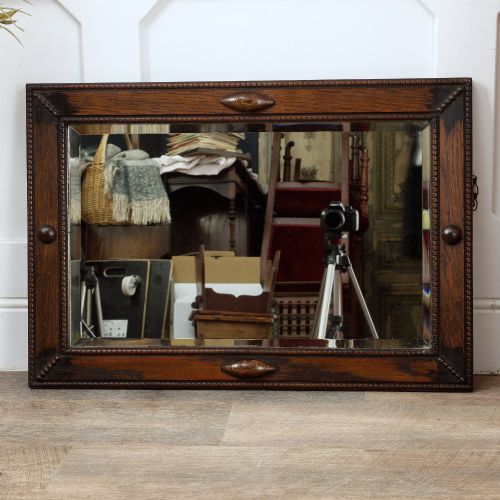
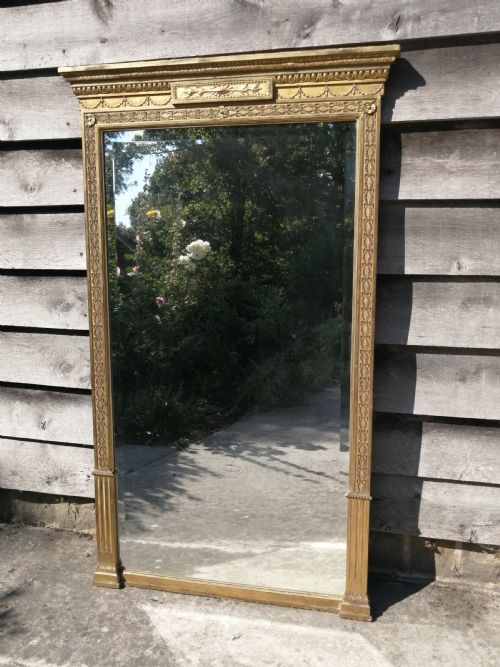
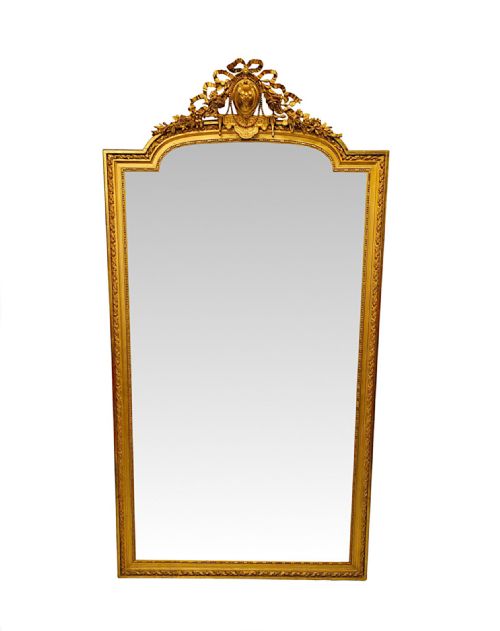
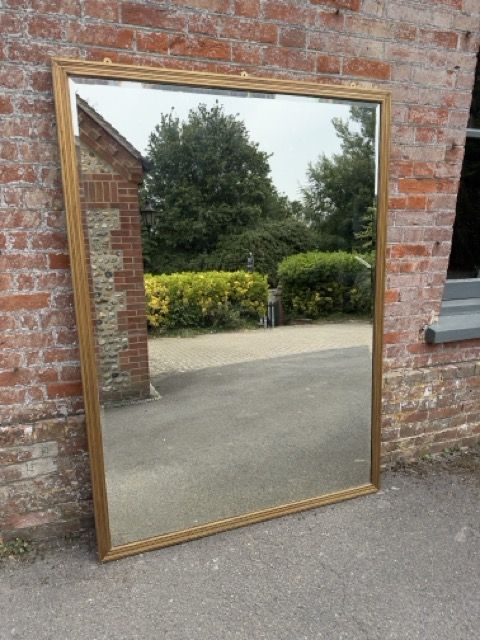
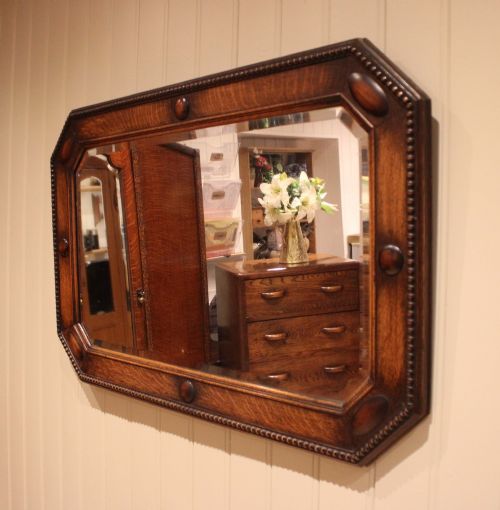
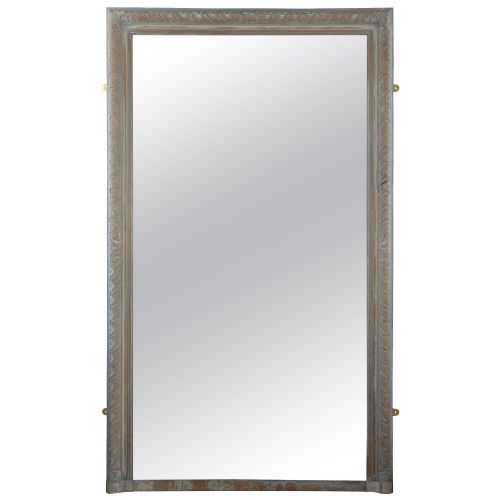
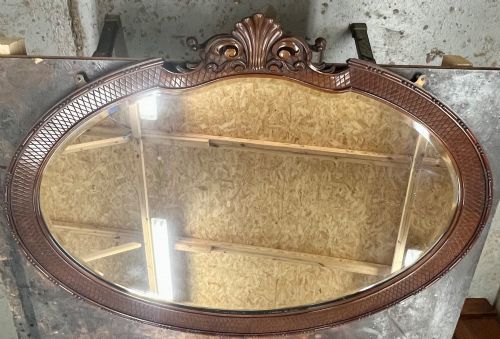
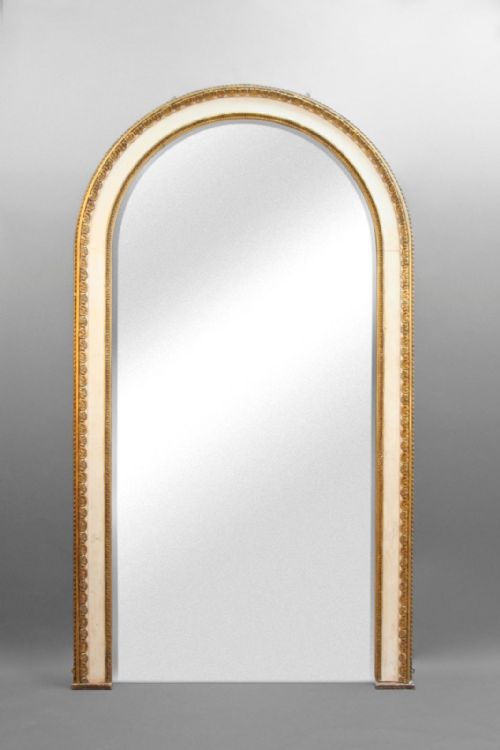
The selections available span several centuries of design, with nineteenth-century examples and robust oak frames appearing frequently. You will also find giltwood pier mirrors and tall rectangular formats suited to vertical wall spaces.
Makers historically tailored these items for domestic reception areas where first impressions mattered. Today, the surviving pieces retain that original function while offering varied regional craftsmanship from English, French, and Italian workshops.
Materials and construction
Carpenters and gilders utilised dense timbers like oak, mahogany, and walnut alongside softer woods for carved mouldings. Frames frequently incorporated gesso applied over carved wood to build up intricate relief decoration before applying gold leaf or paint.
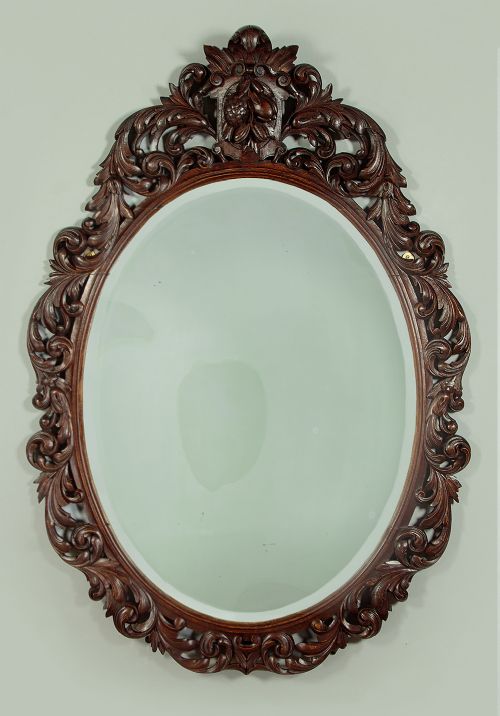
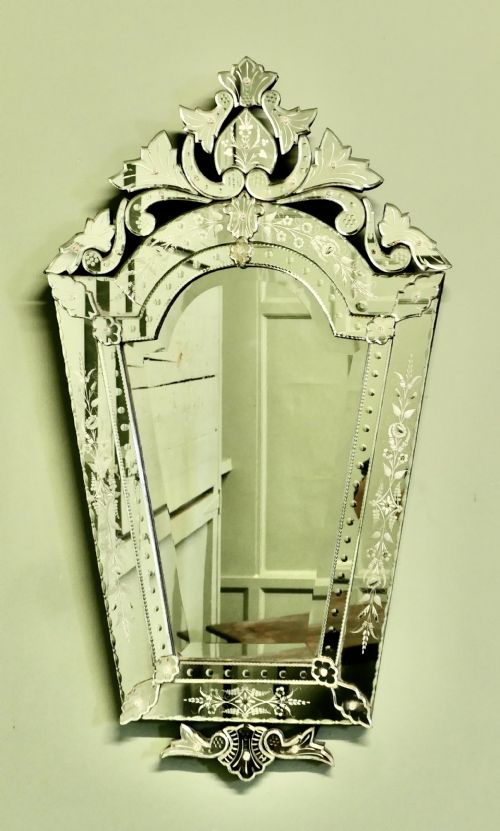
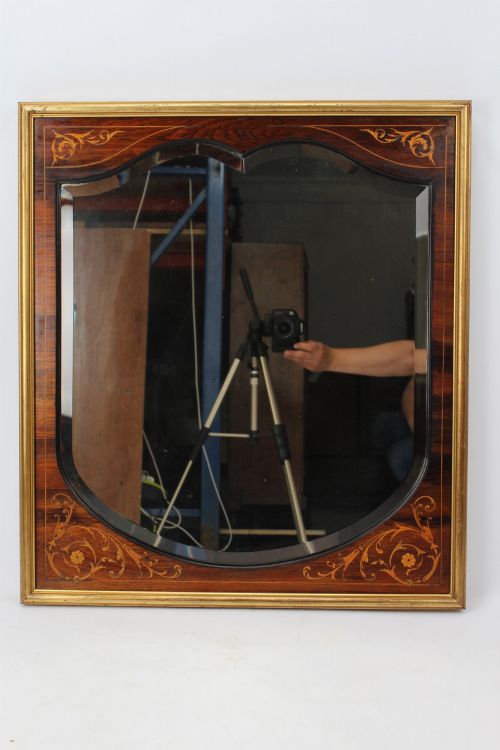
Mirror plates were produced by silvering glass, sometimes featuring hand-bevelled edges that catch light at distinct angles. Joinery techniques in the wooden frames relied on traditional pegged or rebated joints to support the considerable weight of the glass.
Listings feature eighteenth-century Georgian designs alongside Victorian oak frames and twentieth-century Art Deco Venetian mirrors.
Distinctions in quality
The depth and crispness of hand-carved ornamentation separate superior examples from simpler moulded frames. Skilled carvers undercut wood to create deep shadows and fine relief, whereas lower-tier pieces rely on cast composition ornament.
The integrity of the original mirror plate influences desirability, as early silvering displays subtle foxing and hand-finished imperfections that machine-rolled modern glass lacks. Timber selection also matters, with figured mahogany and burr walnut indicating superior workshop standards.
The Large Hallway Wall Mirror Glossary
- Pier mirror
- A tall, narrow glass specifically designed to hang on the wall space between windows. These pieces often feature candle sconces or console brackets beneath them.
- Giltwood
- Timber that has been coated with a thin layer of gold leaf over a prepared gesso ground. This finish provides a warm, reflective metallic surface that ages with a soft patina.
- Gesso
- A mixture of gypsum and size used as a smooth base for painting or gilding on wood. Craftsmen carved intricate surface details directly into this dried plaster layer.
- Bevelled glass
- A mirror plate with edges cut and polished at an angle to create a framed, prismatic border. This technique reflects light inwards and signals finer craftsmanship.
- Cushion frame
- A broad, rounded frame profile that swells outward towards the edge. This style gained popularity during the nineteenth century to add visual weight and presence.
Large Hallway Wall Mirror: Frequently Asked Questions
How do I hang a heavy mirror safely?
Heavy wall glasses require robust fixings secured directly into wall studs or masonry using appropriate brackets. Distributing the weight across a French cleat or multiple load-bearing points prevents structural failure.
Professional installation is recommended for oversized wooden frames to ensure the wall structure supports the combined weight of timber and glass.
What is the difference between a pier mirror and an overmantle?
Pier mirrors are traditionally proportioned to fit narrow wall spaces between architectural openings like windows or doors. Their vertical orientation maximises light in restricted areas.
Overmantle mirrors, conversely, are wider formats designed specifically to sit above a fireplace mantelpiece, following the horizontal sweep of the hearth.
How should I clean antique mirror glass?
Clean antique mirror plates gently using a soft microfiber cloth and a mild, ammonia-free glass cleaner. Avoid spraying liquid directly onto the glass to prevent moisture seeping behind the silvering.
Instead, apply the cleaner to the cloth first and wipe softly, taking care around the edges where the original silver backing is fragile.
Are these mirrors suitable for modern hallways?
Substantial antique mirrors adapt well to contemporary interiors by introducing texture, history, and functional depth to plain hallways. A large frame breaks up long stretches of drywall and brightens dim entrance spaces.
Pairing an ornate gilt or dark oak frame with minimalist decor creates a striking focal point that anchors the room.