

Vintage Wood Sculpture
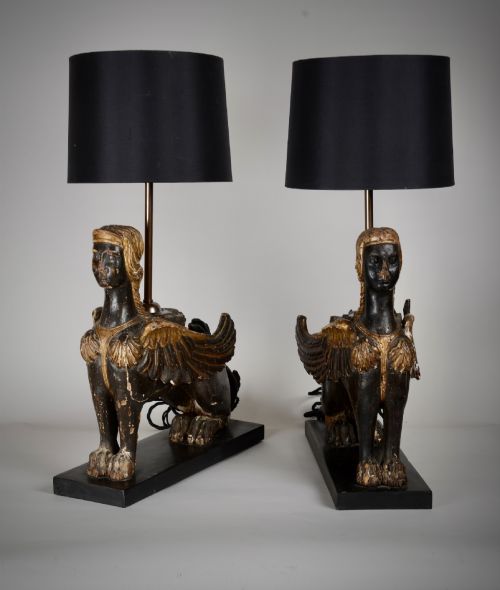
These vintage wood sculpture pieces bring character and tactile presence to a room, ranging from folk art animals to classical figures.
Vintage Wood Sculpture
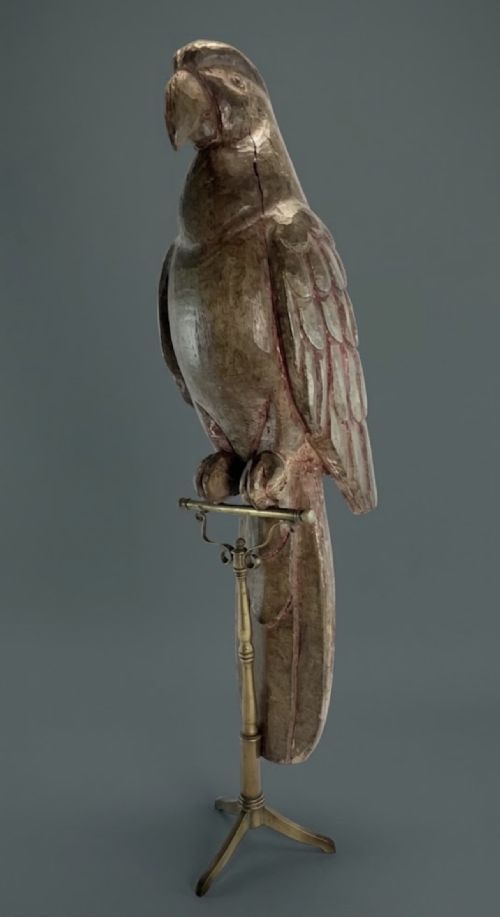
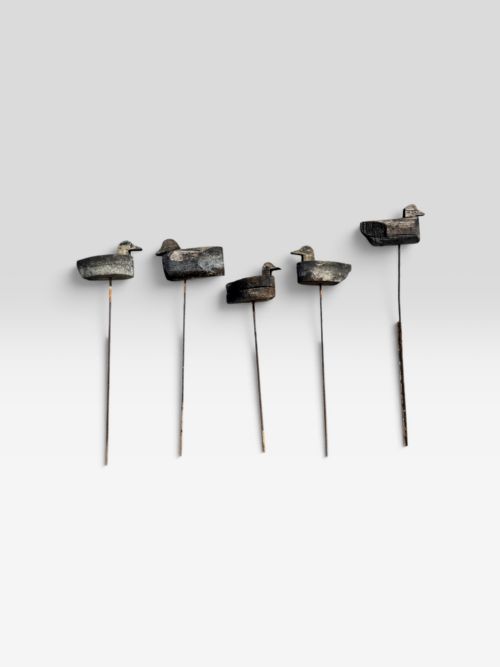
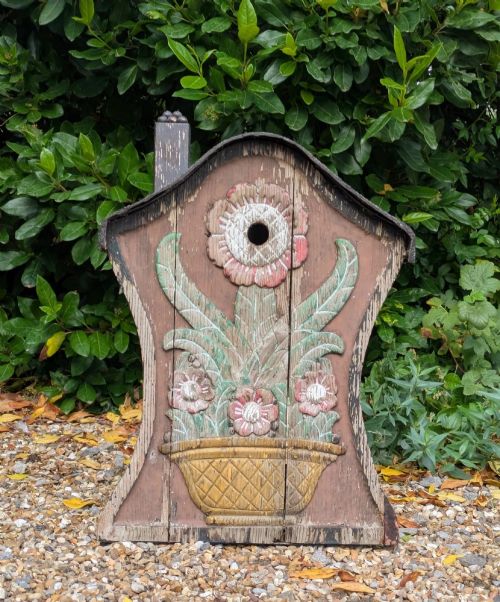
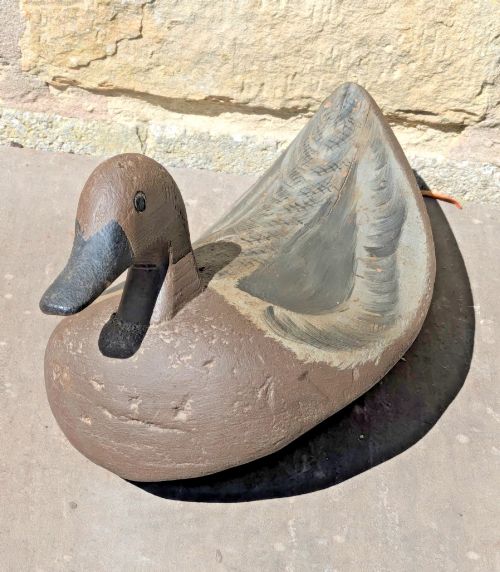
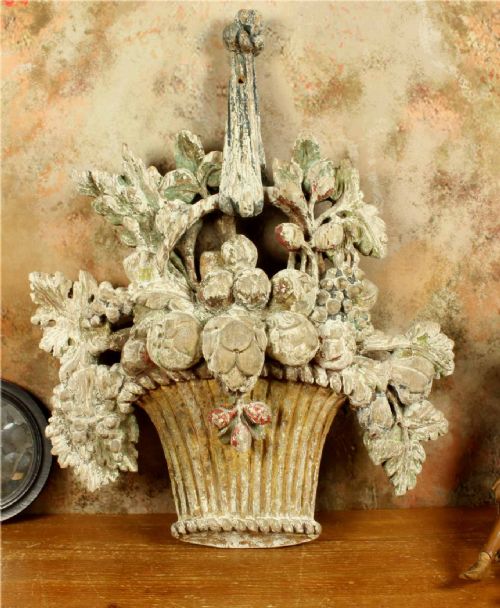
When you search for vintage wood sculpture, you encounter a diverse array of objects spanning utility and pure display, shaped by hands across the eighteenth, nineteenth, and early twentieth centuries. The selection on this page leans heavily toward carved animal figures, vernacular decoys, folk art carvings, and architectural ornaments from various European and Asian traditions.
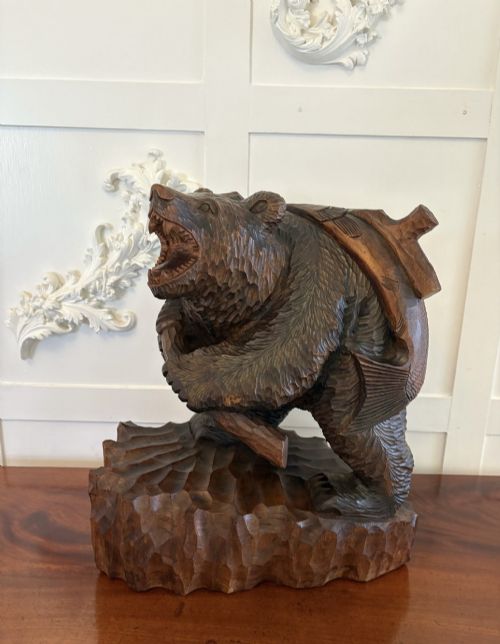
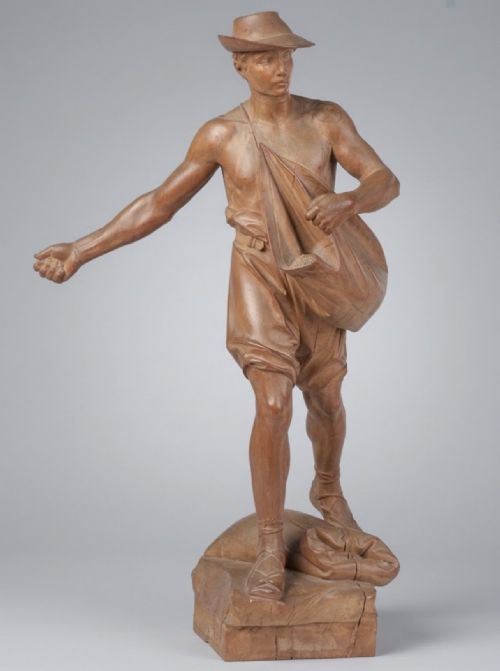
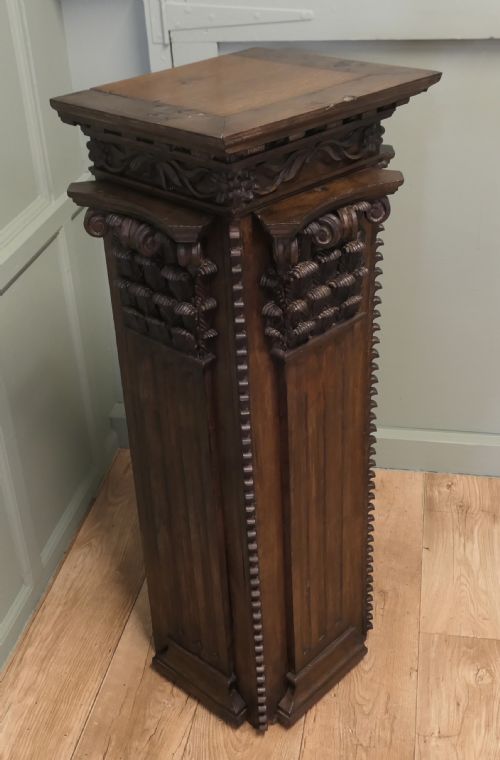
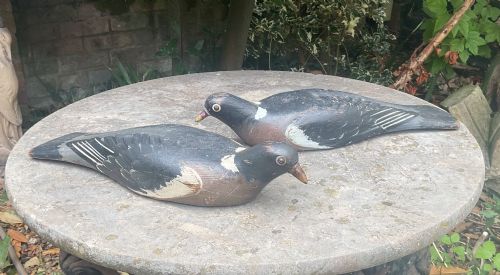
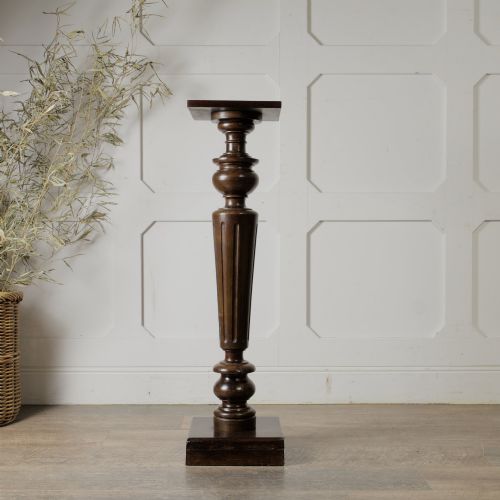
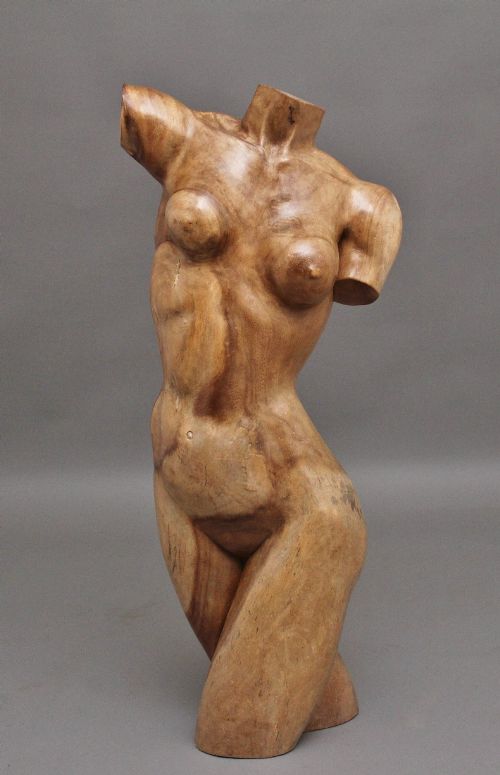
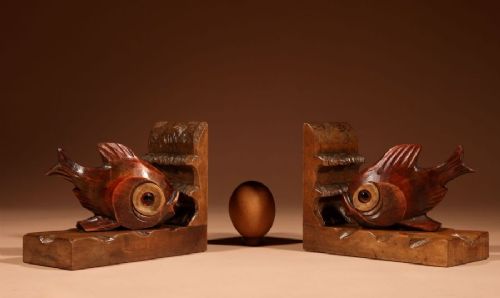
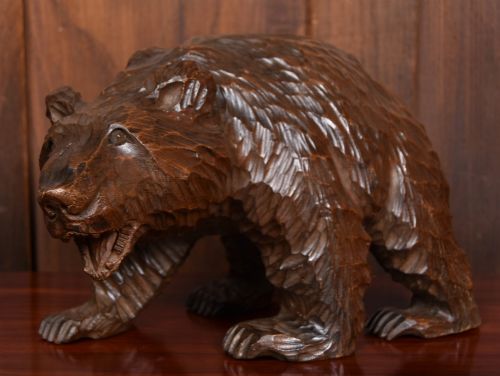
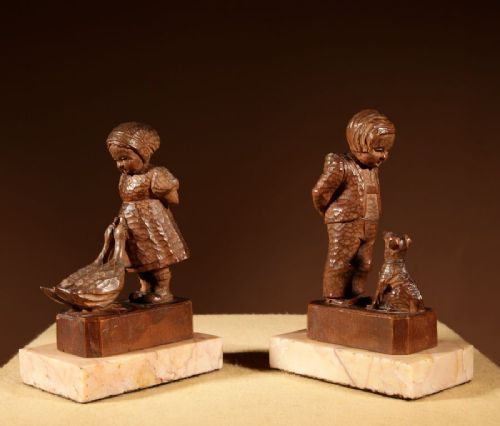
The assortment includes regional specialities such as Swiss and Black Forest animal carvings, English painted decoy birds, and naive folk art horses alongside classical figures and column pedestals. Buyers find everything from small desktop bookends to life size torsos and architectural fragments, reflecting both domestic vernacular craft and academic sculpture.
Origins stretch from British workshops and French ateliers to Japanese carvers and Scandinavian folk traditions, showing how widely wood was utilised for decorative expression. Whether you seek a utilitarian decoy put to new aesthetic use or a detailed figurative bust, the common thread is the transformative work of the carving chisel.
How they were made
Makers utilised a variety of timbers suited to their region and purpose, selecting softwoods like linden and pine alongside dense hardwoods such as mahogany, fruitwood, oak, and walnut. Grain direction and timber density dictated the final form, allowing carvers to achieve fine anatomical detail in limewood or robust structural lines in oak.
Surface treatment frequently involves applied paint, polychrome detailing, or natural wax finishes that highlight the underlying carved texture. Many folk art and decoy pieces rely on layered paint schemes that show atmospheric weathering, whereas academic figures often display meticulous tool marks left by gouges and chisels.
Listings span multiple centuries, incorporating eighteenth-century classical figures, nineteenth-century folk art, and twentieth-century Art Deco forms.
What varies in quality
Anatomical proportion and expressive vitality separate standard decorative items from superior sculptural works, particularly in figurative subjects where gesture conveys narrative. The confidence of the carving tool marks demonstrates the maker's skill, distinguishing fluid, deliberate cuts from hesitant or overly sanded surfaces.
Originality of surface finish and integrity of form heavily influence distinction, as does the survival of authentic polychrome paint without modern intervention. Pieces that retain their original pedestals, stands, or functional mountings maintain greater historical coherence than those altered over time.
Jules Buste Labatut·G J Lines·George Henry Paulin·Sier Kunst
The Vintage Wood Sculpture Glossary
- Folk Art
- Objects created by self-trained makers within a community tradition, prioritising functional or expressive utility over academic convention. These pieces often display naive charm and regional materials.
- Decoy
- A carved or assembled wooden bird or animal once utilised by hunters to lure wildlife, now collected as sculptural folk art. They frequently exhibit weathered painted surfaces.
- Polychrome
- Decoration executed in multiple colours, commonly found on wooden figures, trade signs, and decoys to simulate life-like appearance. The pigments interact with the timber substrate over decades.
- Plinth
- A heavy solid base or architectural block supporting a sculpture, bust, or pedestal. They provide structural stability and visual elevation for display.
- Black Forest
- Carved wooden items originating from the Swiss and German border regions, typically featuring realistic bears, stags, and foliage. The style achieved international popularity during the nineteenth century.
Vintage Wood Sculpture: Frequently Asked Questions
How do I date a wooden sculpture?
Dating relies on examining tool marks, timber choice, and the wear patterns on exposed surfaces and paint layers. Stylistic indicators from specific periods, such as Edwardian proportions or Art Deco stylisation, also provide reliable chronological anchors.
Secondary clues include original hardware, fixings, and the natural oxidation of the wood. Comparing construction methods with documented pieces from the same regional tradition helps confirm the era of origin.
Where should I place these sculptures?
These sculptures suit placement on sturdy mantelpieces, dedicated display pedestals, or low tables where their three-dimensional form can be appreciated from multiple angles. Pairing them with architectural elements or neutral backgrounds enhances their textural presence.
Avoid positioning wooden pieces in direct sunlight or near sudden heat sources to prevent timber shrinkage and paint flaking. Stable indoor humidity ensures the wood remains preserved over time.
How do I clean carved wood?
Maintenance requires gentle dusting with a soft, dry cloth or a natural bristle brush to clear debris from deep crevices and carved details. Avoid using liquid cleaners, polishes, or abrasive cloths that might strip historic wax or original painted surfaces.
If deeper cleaning is necessary, consult a professional conservator to assess the stability of the wood and any applied finishes. Preserving the dry surface patina is essential for maintaining the character of antique carvings.
What is Black Forest carving?
Black Forest carving refers to detailed wooden figures and decorative objects produced in Central Europe during the nineteenth and early twentieth centuries. Common motifs include bears, stags, dogs, and forest foliage rendered with high naturalism.
These pieces were carved from local softwoods and hardwoods like linden and walnut, often functioning as practical items such as bookends, clocks, or umbrella stands. Their charming expressions made them popular souvenirs for travellers.