

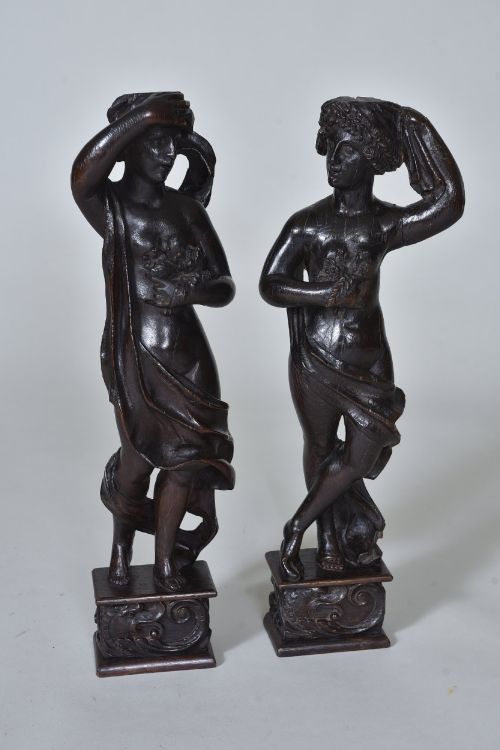
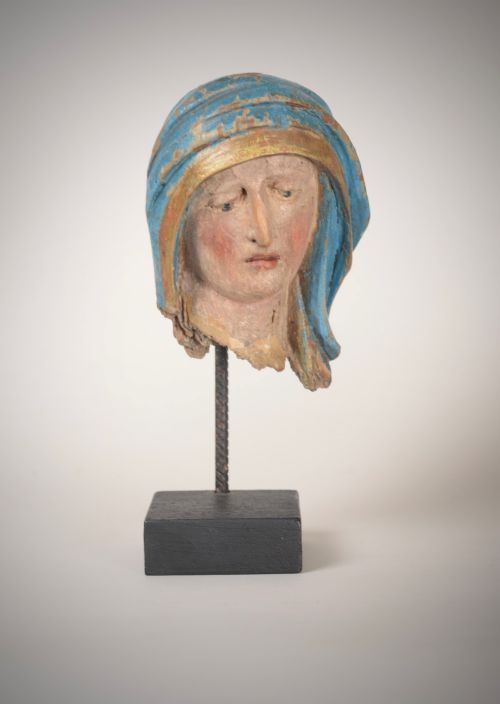
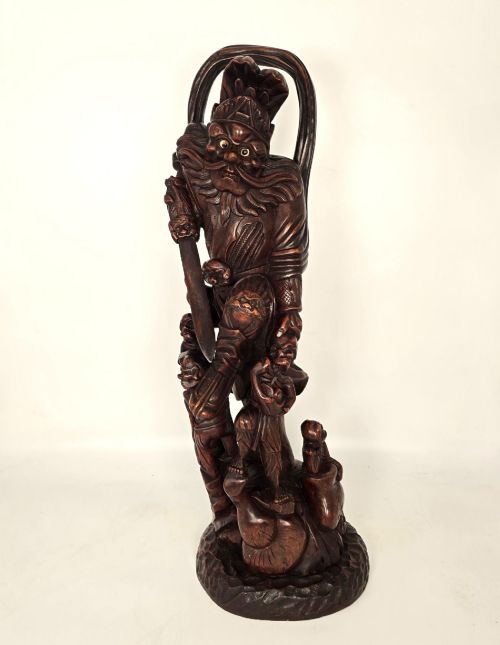
Carved Wooden Figure Sculpture
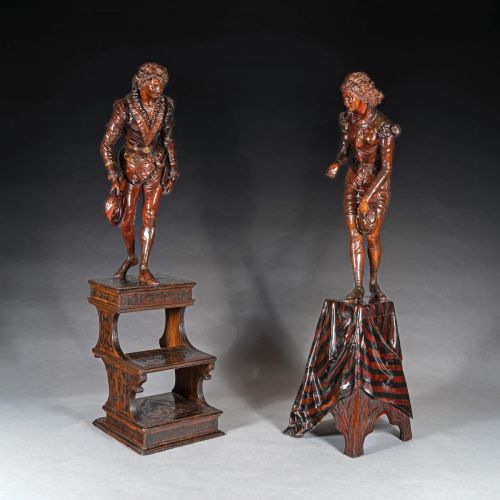
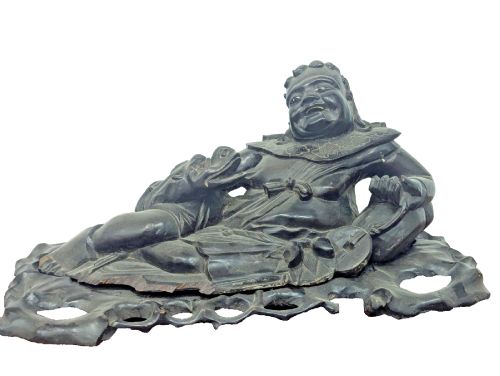
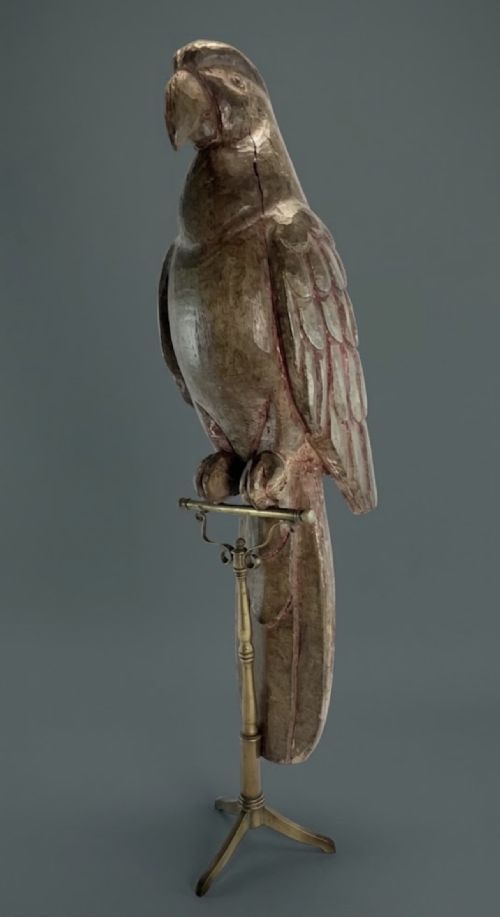
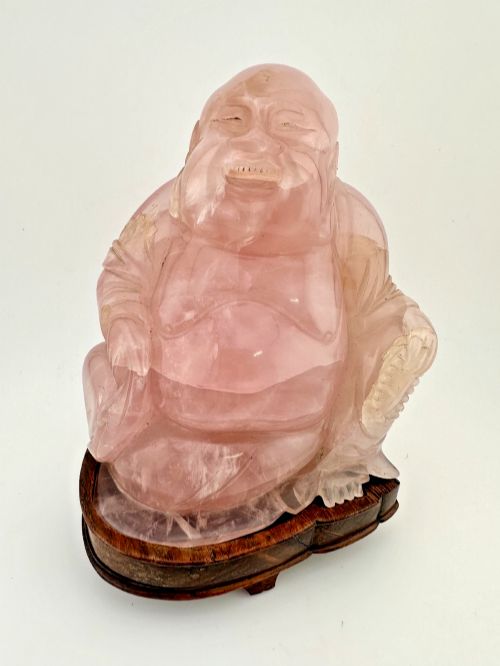
These pieces of carved wooden figure sculpture span centuries of craftsmanship, offering tactile representations of human, animal, and divine forms.
Carved Wooden Figure Sculpture
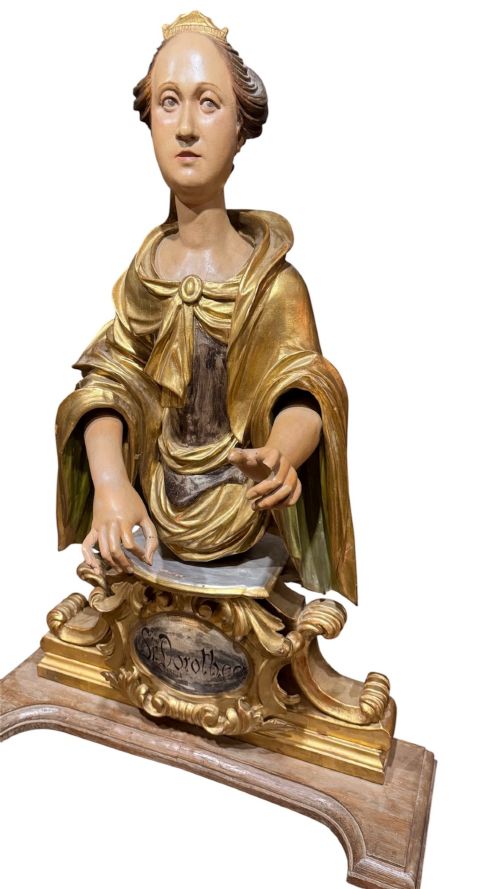
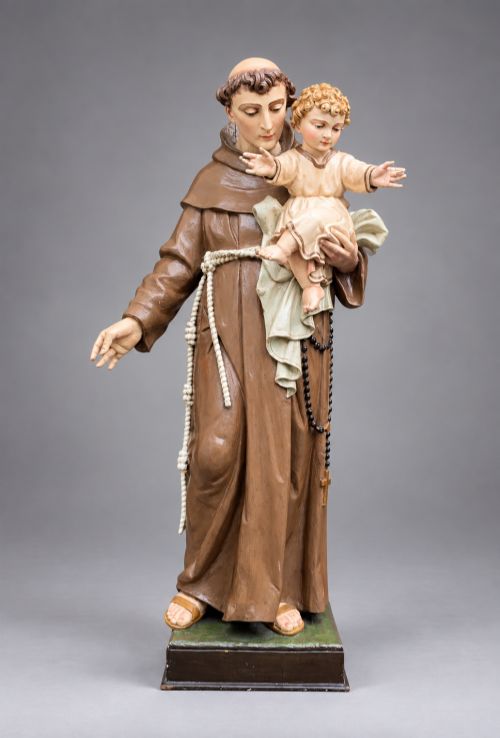
A carved wooden figure sculpture encompasses a broad category of three-dimensional objects, ranging from devotional saints and religious fragments to animal groups and regional folk art. When searching for this phrase, collectors encounter works representing diverse global traditions, including European Black Forest carvings, Asian deities, and African tribal figures.
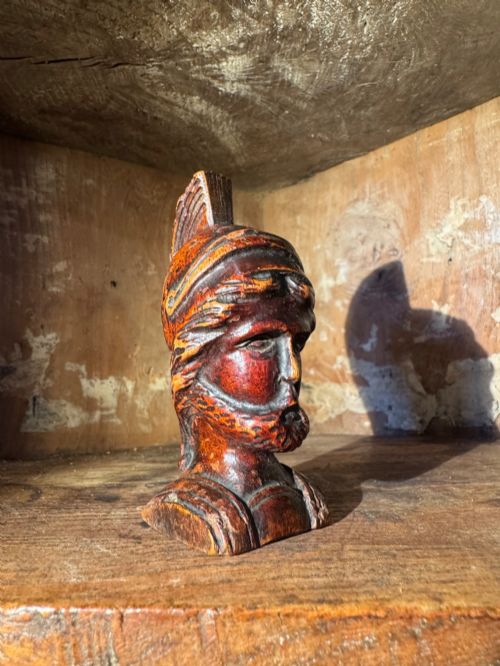
The selections on this page frequently originate from the 17th, 18th, and 19th centuries, alongside early 20th-century examples. Formats vary from monumental guardian kings and life-size torsos to small animal groupings, tobacco figures, and reliquary guardian heads.
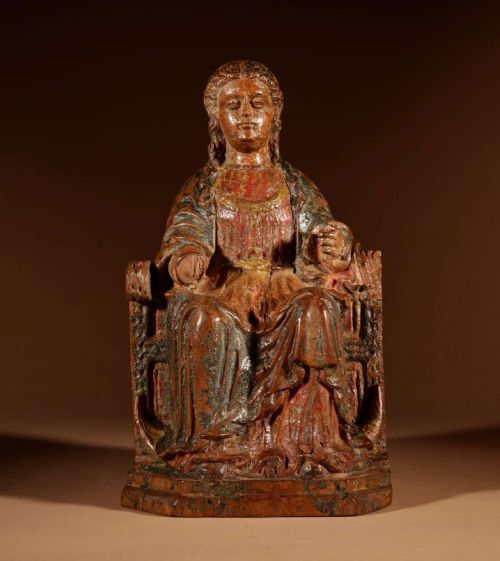
Origin and stylistic lineage define these objects, connecting them to periods such as the Qing Dynasty, Baroque Europe, or Japanese folk traditions. Buyers find both secular decorative pieces like carousel horses and trade signs alongside deeply spiritual subjects like the Madonna and Christ Child.
How They Were Made
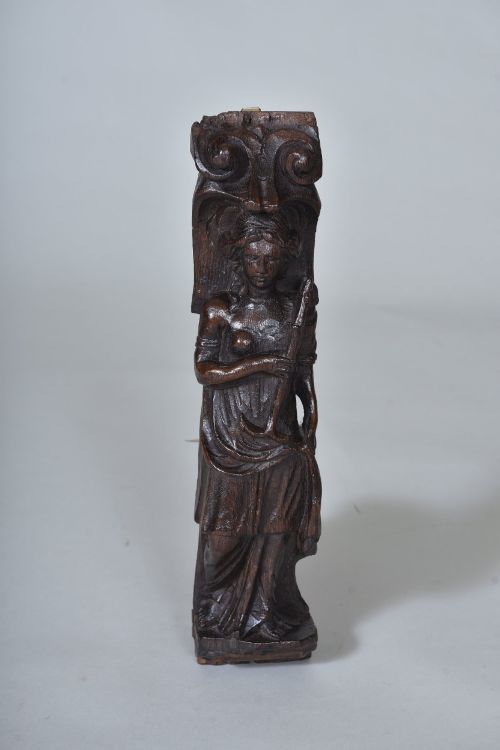
The creation of these sculptures relies heavily on the selection of appropriate timber, with makers utilising hardwoods like oak, walnut, fruitwood, linden, and olive wood. Artisans shaped these materials using traditional chisels and gouges to achieve both robust architectural forms and intricate surface details.
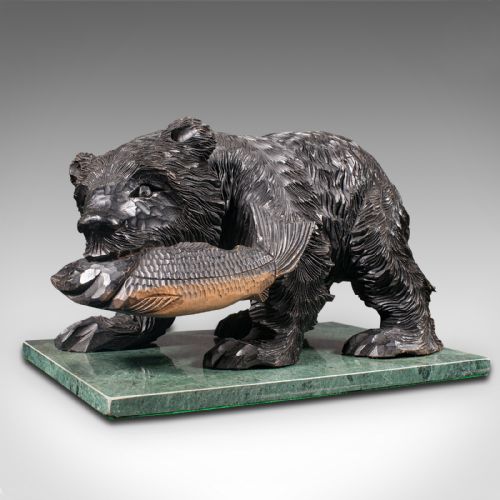
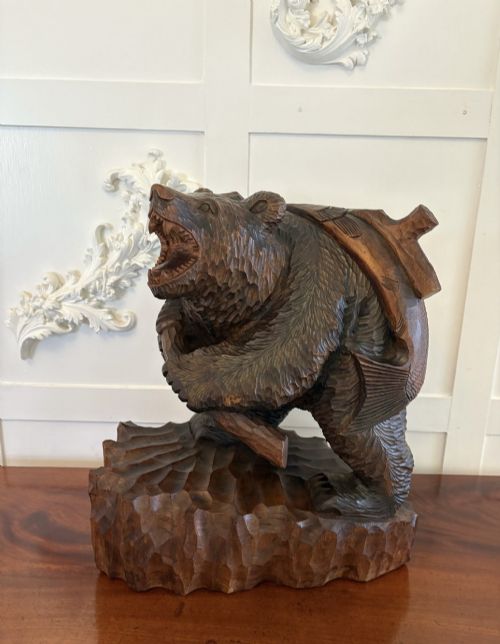
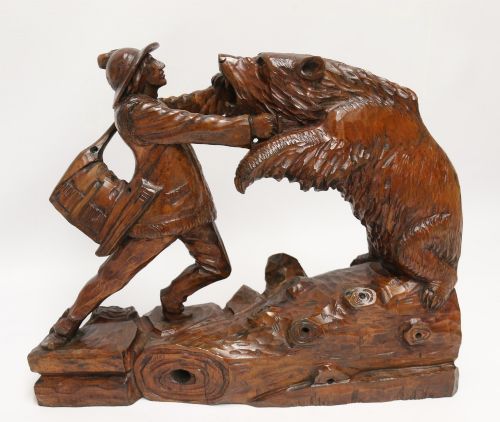
Several carvings depict bears caught in the middle of carrying fish or gathering with companions.
What Varies in Quality
Quality in a carved wooden figure sculpture rests on the anatomical precision, depth of relief, and expressive power achieved by the carver. Master carvers captured lifelike movement in subjects like animals or human figures, whereas lesser pieces can appear static or formulaic in execution.
The handling of surface materials also dictates the standing of a piece, whether through the delicate application of polychrome paint and gold leaf or the crisp preservation of fine linden and walnut grain. Integration between the figure and any original base or architectural mount further influences the overall integrity of the work.
J Huggler
The Carved Wooden Figure Sculpture Glossary
- Gesso
- A plaster-like mixture applied to wood as a smooth base for gilding or painting.
- Hardwood
- Dense timber from broad-leaved trees such as oak and walnut, chosen for durability and fine carving detail.
- Reliquary
- A container or guardian figure meant to hold sacred relics, seen in various cultural traditions.
- Black Forest
- A style of intricate wood carving originating from the Swiss-German border region, famous for realistic depictions of bears, dogs, and alpine wildlife.
Carved Wooden Figure Sculpture: Frequently Asked Questions
What is a carved wooden figure sculpture?
These pieces are three-dimensional artworks shaped from timber by hand, depicting human figures, animals, deities, or religious subjects.
They serve as decorative objects, religious altarpieces, or cultural artefacts originating from various global traditions and historical periods.
How were antique wooden figures used?
Many figures served devotional or liturgical purposes in churches and homes, such as crucifixes, saints, and representations of the Madonna.
Others functioned as secular decorations, trade signs, architectural fragments, or expressions of regional folk art.
How do I care for wooden sculptures?
Keep these pieces away from direct sunlight, extreme temperature shifts, and excessive moisture to prevent the timber from splitting.
Dust gently with a dry, soft cloth and avoid applying modern polishes or oils to historic or painted surfaces.
How can I tell different periods apart?
Stylistic clues, tool marks, and material choices often point toward a specific era, such as the heavier oak construction typical of the seventeenth century.
Comparing regional conventions, such as Qing Dynasty iconography or nineteenth-century Swiss carving styles, helps narrow down the date of creation.