
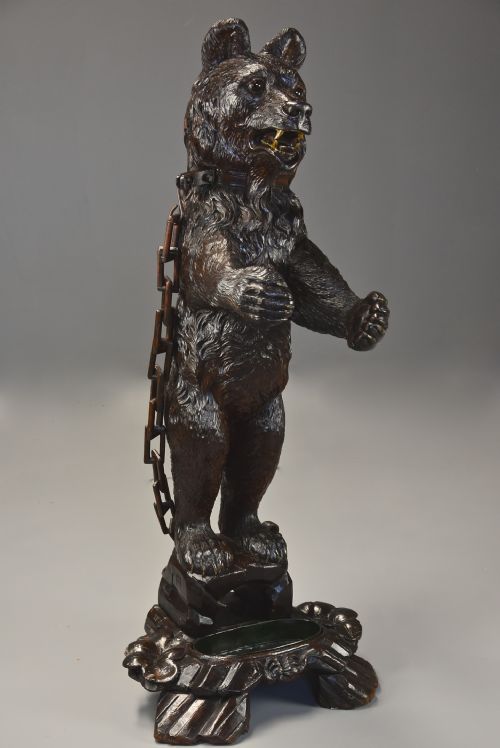


Swiss Wood Carved Sculpture
These swiss wood carved sculpture pieces bring the dramatic wildlife and rustic folklore of the alpine forests directly into domestic rooms.
Swiss Wood Carved Sculpture
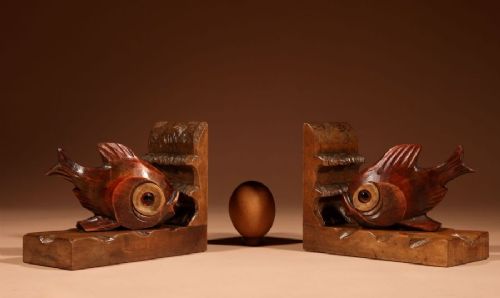
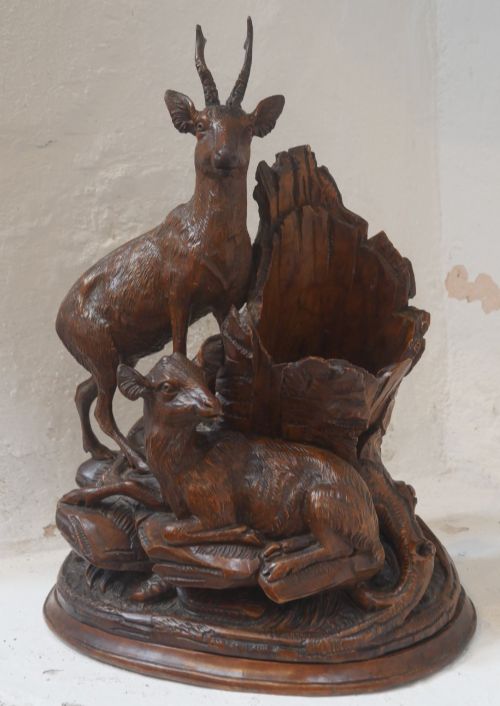
Collectors searching for a swiss wood carved sculpture encounter distinct nineteenth and early twentieth century creations, predominantly originating from the Black Forest region and Swiss workshops. The forms range from small animal figures and bookends to substantial hall stands and decorative centerpieces.
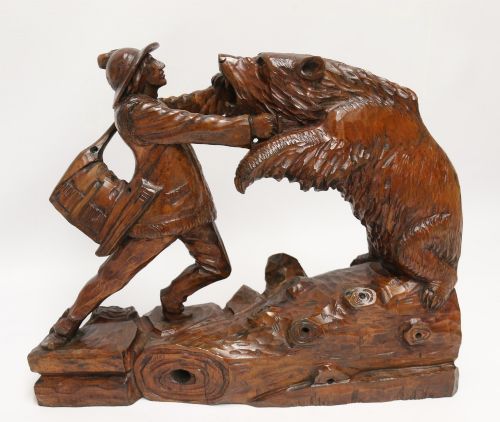
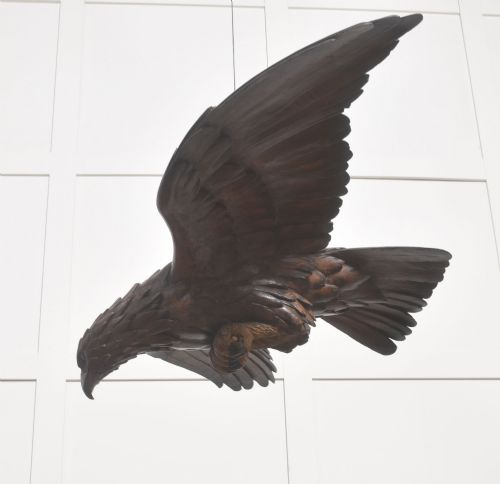
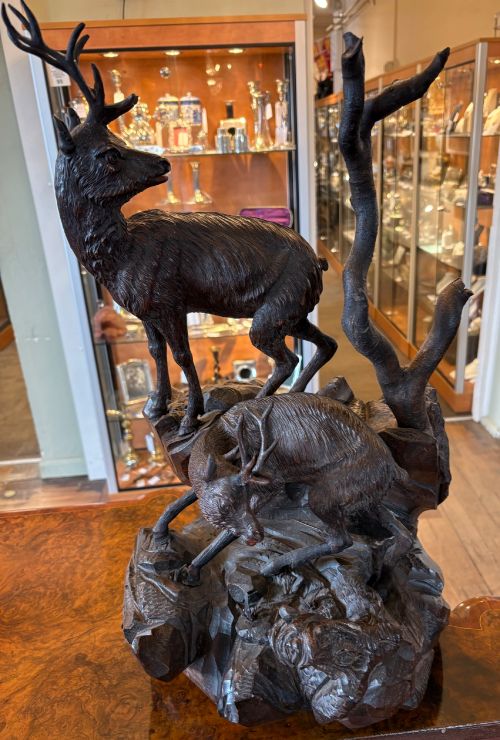
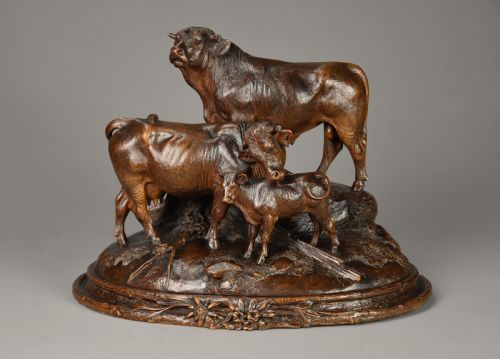
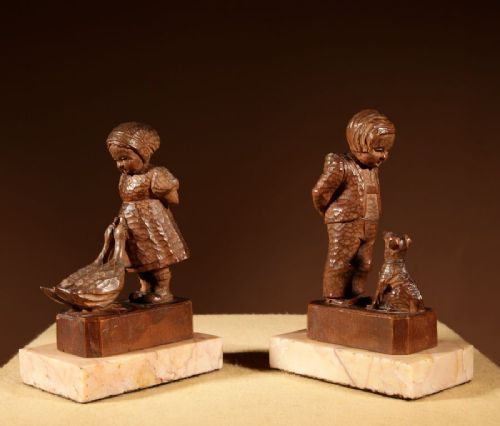
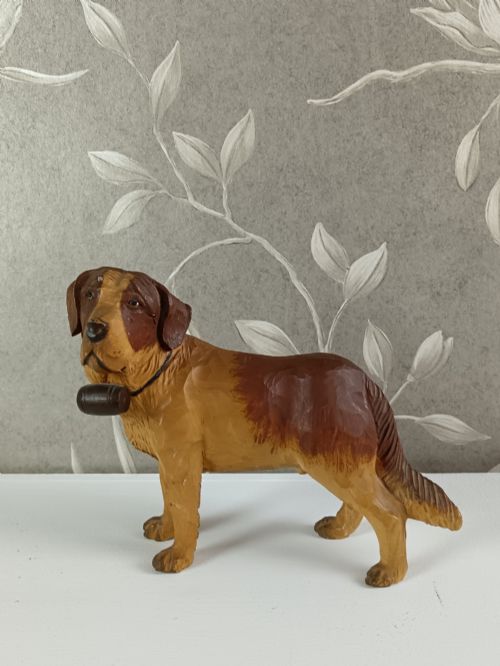
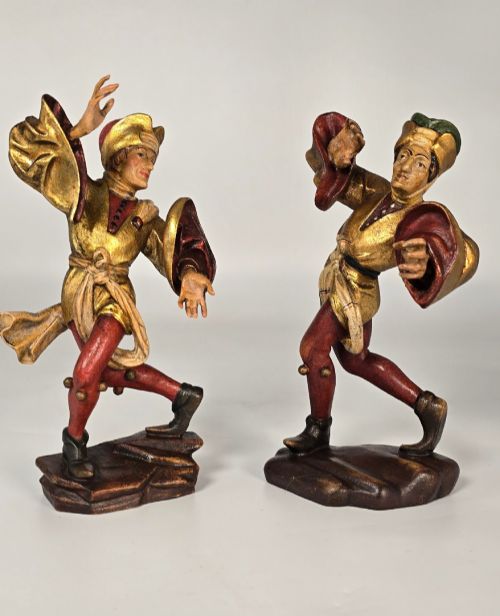
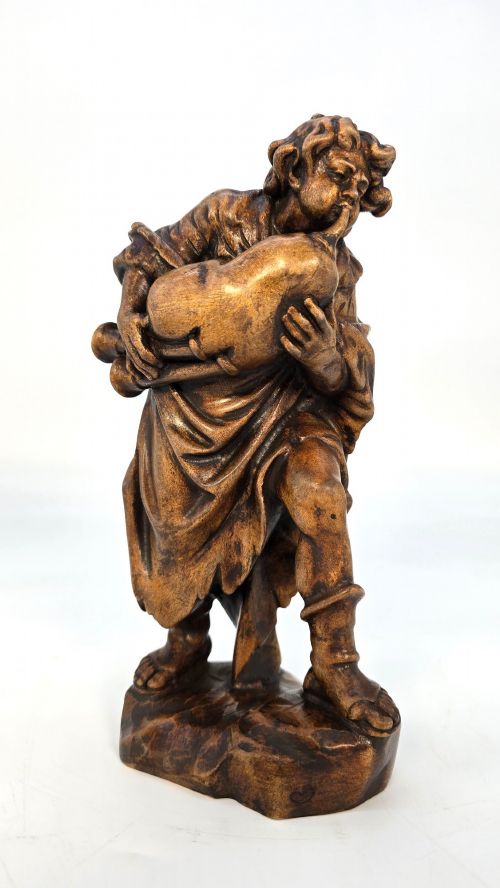
Animals form the core of the available pieces, with bears, deer, cattle, and birds appearing frequently alongside human figures such as peasants and historical characters. These objects serve both decorative and practical functions, spanning inkstands, humidores, and umbrella stands.
The dominant aesthetic draws heavily on alpine folk art traditions, capturing naturalistic wildlife details and rustic narratives. Most examples date from the Victorian era up to the mid twentieth century, utilising native timbers shaped by skilled regional carvers.
Materials and methods
Carvers predominantly utilised soft and accessible timbers such as linden wood, limewood, and walnut, which permitted deep undercut detailing and smooth surface texturing. These woods were selected for their fine grain and stability, allowing intricate rendering of fur, feathers, and facial expressions.
Tool marks reveal the use of specialised gouges and chisels to build up layered textures, often finished with subtle staining or polishing to highlight the natural grain. Occasional mixed media elements, such as glass eyes or metal attachments, appear on specific animal studies to heighten realism.
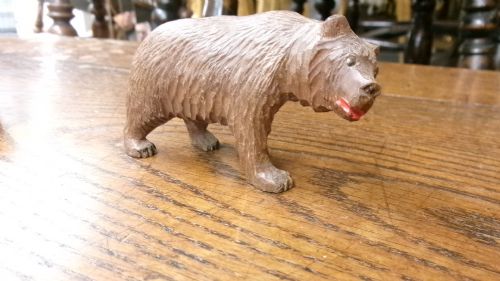
A tiny carved bear with stud eyes stares back from the desk, keeping watch over stray inkwells.
Judging the work
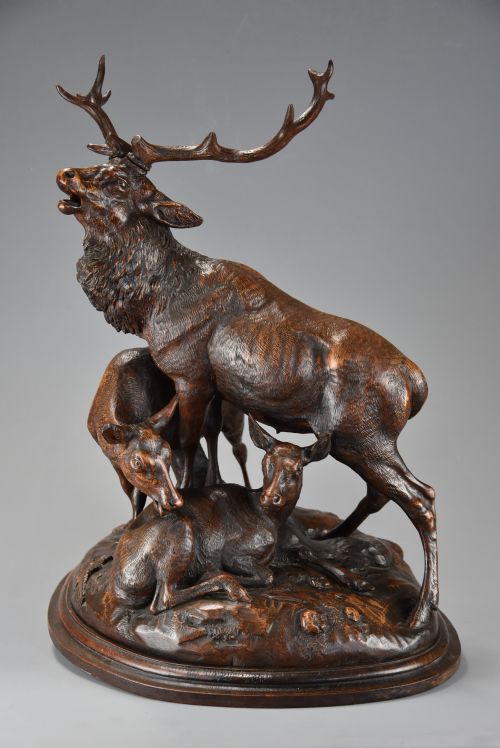
The degree of anatomical accuracy and fluid movement separates standard commercial carvings from exceptional studio pieces. Master carvers captured tension in animal musculature and naturalistic postures rather than relying on stiff, symmetrical positioning.
Depth of relief and complexity of composition dictate the distinction between simple decorative objects and major exhibition pieces. Complex groupings involving multiple figures or architectural elements demand advanced technical skill and careful spatial planning.
J HUGGLER
The Swiss Wood Carved Sculpture Glossary
- Linden wood
- A pale, close-grained timber favored by European carvers for its cooperative texture and lack of pronounced grain, allowing for intricate surface detailing. It is frequently seen in nineteenth century animal figures.
- Black Forest style
- A descriptive term for intricately carved wooden animal sculptures and decorative objects originating from regions surrounding the Swiss and German borderlands. Bears and woodland fauna are characteristic subjects of this tradition.
- Alpine folk art
- A traditional regional craft style reflecting mountain life, local folklore, and native fauna through rustic wooden artefacts. The aesthetic emphasises narrative charm and naturalistic observation.
- Hall stand
- A large functional item of hallway furniture incorporating carved wooden panels, hooks, and umbrella wells, often featuring sculptural bears or trees. These grand pieces served both practical and decorative purposes in period homes.
Swiss Wood Carved Sculpture: Frequently Asked Questions
What animals appear most often?
Bears dominate the sculptural groupings, appearing as single figures, inkstands, and large hall stands alongside deer, cattle, and birds of prey.
Other alpine animals like ibex, chamois, and mountain goats also feature regularly in the historical repertoire.
How were these carvings used originally?
Many pieces combined decorative appeal with practical utility, serving as bookends, humidores, inkwells, and umbrella stands in Victorian interiors.
Larger sculptures functioned primarily as dramatic architectural ornaments or focal points within entrance halls and reception rooms.
How do I identify the timber?
Lindenwood and limewood present a pale, uniform surface with minimal grain interruption, making them ideal for fine, detailed fur and feather work.
Walnut offers a darker, richer tone with a more pronounced grain pattern, typically utilised for substantial figures and architectural elements.
Are signed pieces common?
Signatures and studio stamps remain relatively uncommon on traditional folk art carvings, though notable workshop marks do occasionally appear.
Unsigned pieces rely on stylistic execution, anatomical precision, and choice of material to indicate their origin and period.