

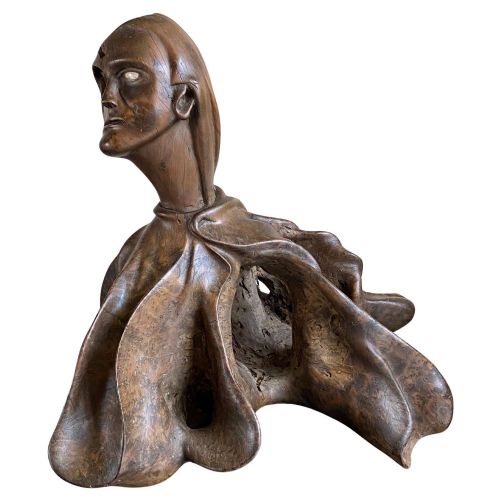


Carved Wooden Head Bust
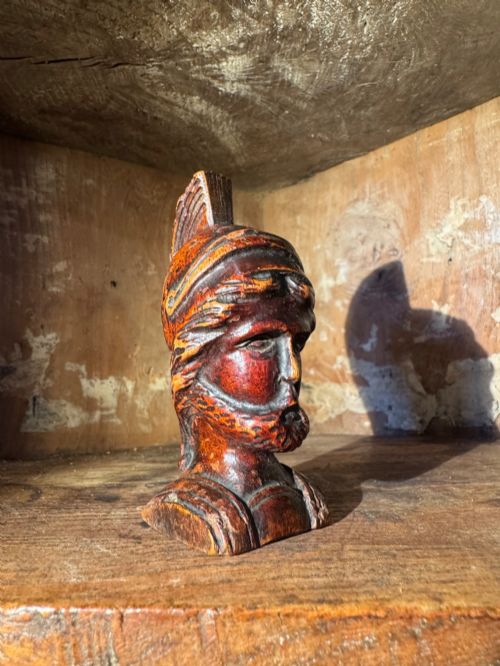
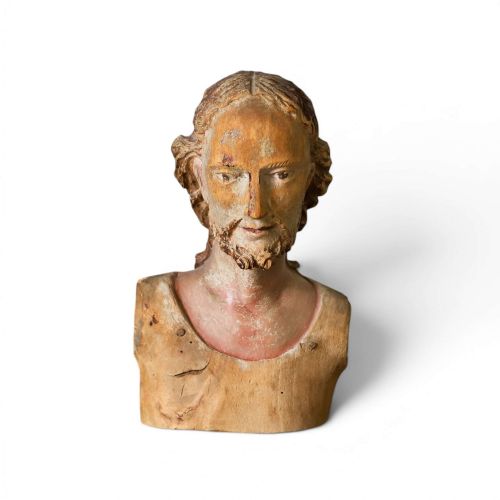
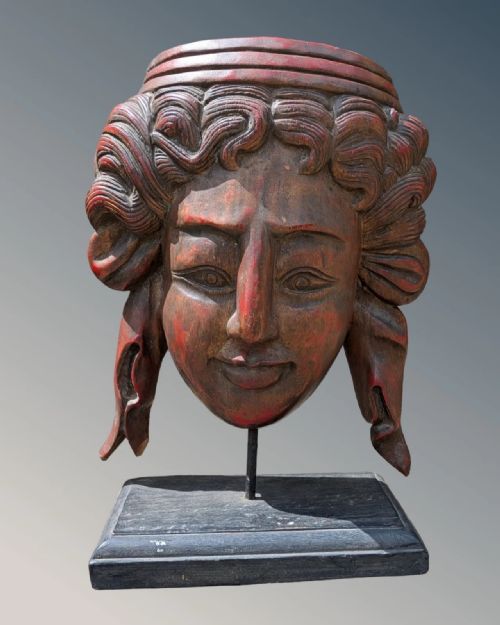
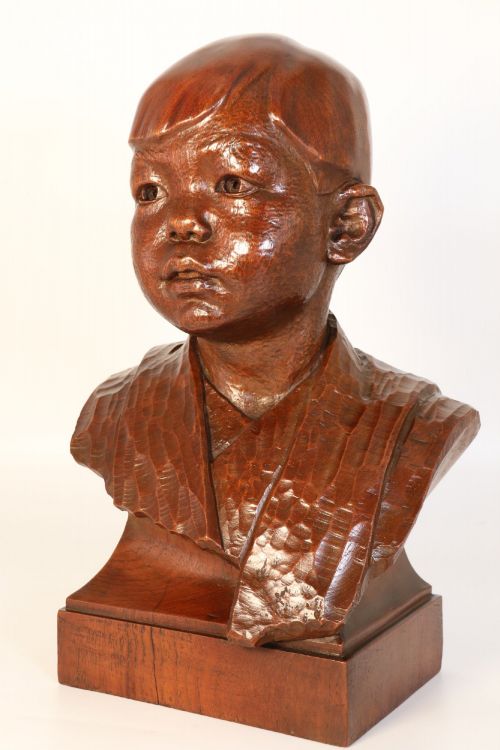
These carved wooden head bust examples bring centuries of sculptural craft and character into a room, spanning global folk traditions, religious figures, and portraiture.
Carved Wooden Head Bust
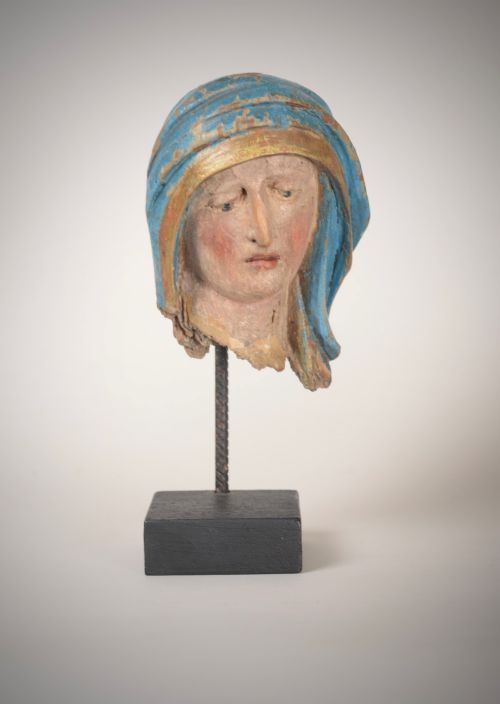
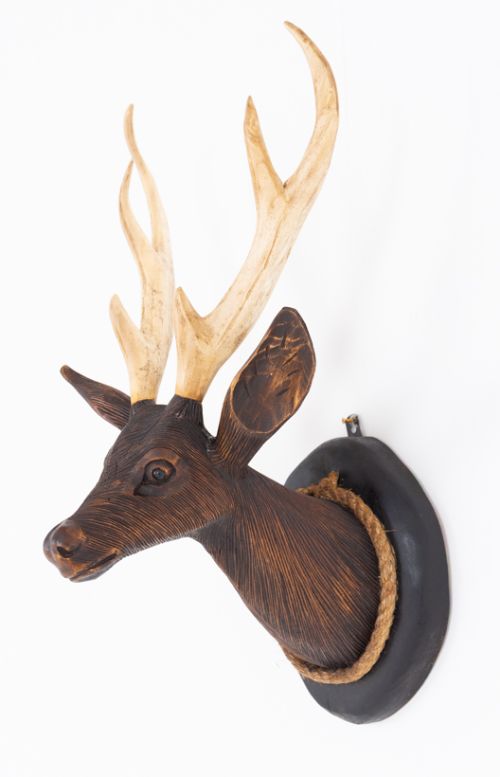
A carved wooden head bust presents a sculptural focus on the human or animal form, ranging from lifelike portraits and religious fragments to expressive folk art and tribal pieces. When searching this phrase, buyers encounter everything from 17th-century Italian saints and Spanish ecclesiastical characters to 20th-century African reliquary guards and Black Forest animal studies.
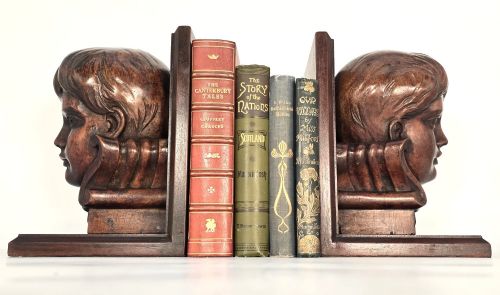
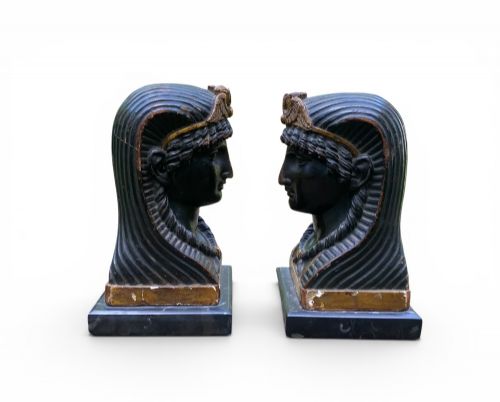
The objects take various functional and decorative forms, appearing as standalone sculptures, library bookends, wall masks, and architectural fragments. Walnut, mahogany, pear wood, and yew burr provide the substance for these diverse expressions across European, African, and Asian origins.
How they were made
Regional workshops employed distinct joining and carving methods, from the detailed undercuts of Black Forest stags to the traditional tool marks found on African tribal reliquary figures and European ecclesiastical fragments.
The selection includes functional bookends, architectural wall masks, religious fragments, and expressive animal heads.
What varies in quality
The vitality of the carving separates routine production from superior work, showing in the sensitivity of the facial expression, the handling of hair, and the depth of relief. Direct observation of muscle, bone, and character distinguishes a master carver from a simpler workshop hand.
The preservation of original surface finishes, such as early polychrome paint, gesso layers, and natural patina, dictates the integrity of the piece. Unsympathetic overpainting or heavy restoration alters the visual balance and historical truth of the carving.
George Henry Paulin RBS·Boudewijn Tuerlinckx·Laszlo Hoenig·Thomas Hope
The Carved Wooden Head Bust Glossary
- Polychrome
- Decorated in multiple colours, often referring to painted wood or gesso surfaces on statues and masks.
- Reliquary
- A container or guardian figure meant to hold sacred relics, seen frequently in tribal and ecclesiastical art.
- Gesso
- A plaster-like mixture applied to wood surfaces to prepare them for painting or gilding.
- Écorché
- A figure drawn, painted, or sculpted showing the muscles of the body without skin, used for anatomical study.
- Treen
- Small handmade wooden household objects and decorative items collected for their utilitarian charm and age.
- Byeri
- A ancestral guardian figure from the Fang people of Gabon, traditionally protecting reliquary boxes.
Carved Wooden Head Bust: Frequently Asked Questions
How do I care for a carved wooden head bust?
Keep the sculpture away from direct heat sources and fluctuating humidity to prevent the timber from splitting or warping over time. Dust the surface gently with a dry, soft cloth and avoid applying modern polishes or liquids directly to painted or gessoed areas.
Allow the wood to breathe and retain its natural ageing process without aggressive cleaning. Stable indoor environments preserve both the structural integrity of the carving and the historical surface layers.
Are these busts solid wood?
Most pieces are carved from solid blocks of hardwood, including walnut, mahogany, oak, and pear wood. Some larger or architectural elements may be constructed from joined sections of timber to prevent major splitting.
Examining the base or interior reveals the grain continuity and confirms whether the object is carved from a single piece or assembled from multiple components.
How can I tell the period of a carved bust?
Dating relies on tool marks, timber choice, style, and the composition of surface treatments like gesso and polychrome paint. 17th and 18th-century pieces often show hand-adzed tool signatures and deep religious or ecclesiastical context.
Twentieth-century examples introduce modernist interpretations, Art Deco styling, or specific artist signatures. Comparing the wear patterns and construction methods with documented regional pieces helps clarify the age.
What is the difference between folk art and fine art busts?
Folk art carvings are usually created by self-taught makers or local artisans focusing on expressive character, utilitarian function, or regional traditions. They often display charming asymmetries and direct tool work rather than academic proportion.
Fine art busts, by contrast, follow strict anatomical standards and are frequently signed by trained sculptors or associated with established workshops. Both categories offer distinct historical value depending on the maker's intent.