
Vintage Wood Ornament
These vintage wood ornament selections span from nineteenth-century Black Forest bears to Art Deco figures, offering character and craftsmanship for interior spaces.
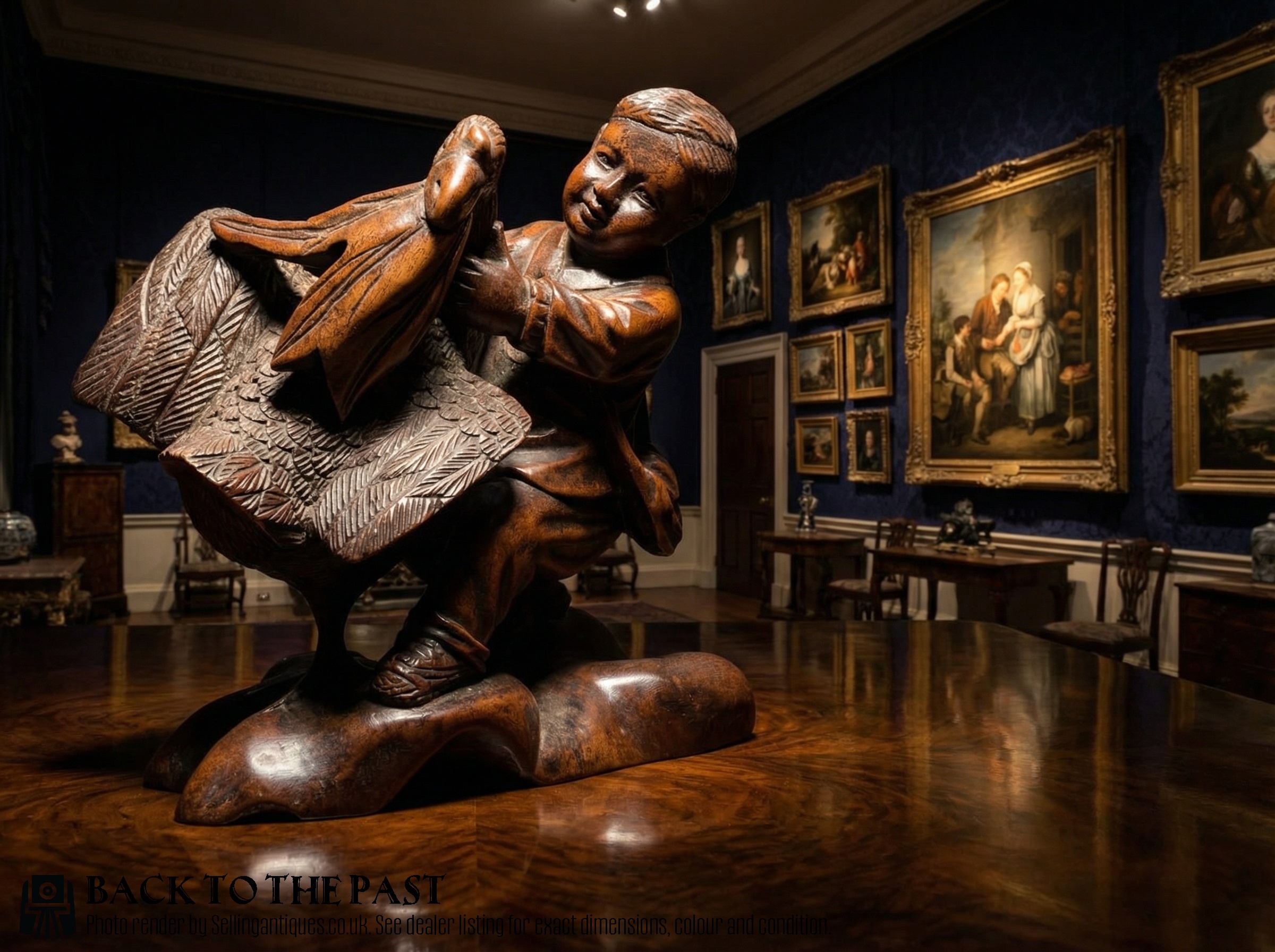
Vintage Wood Ornament
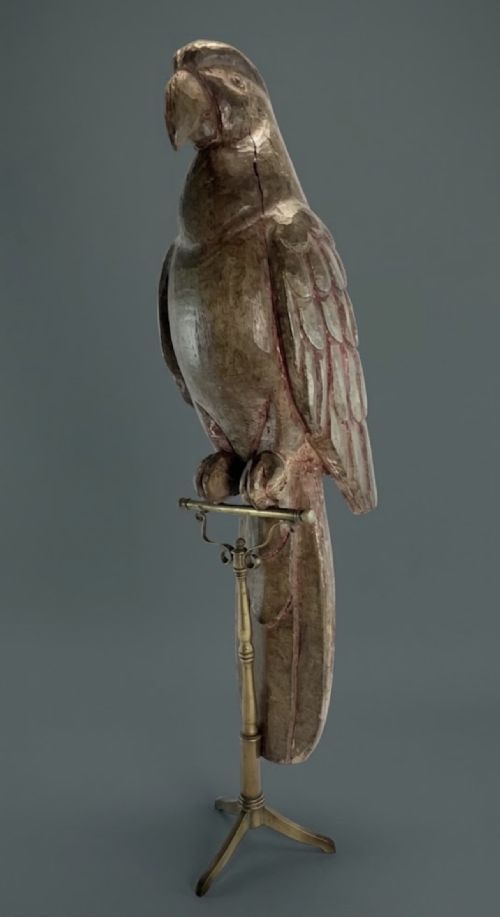
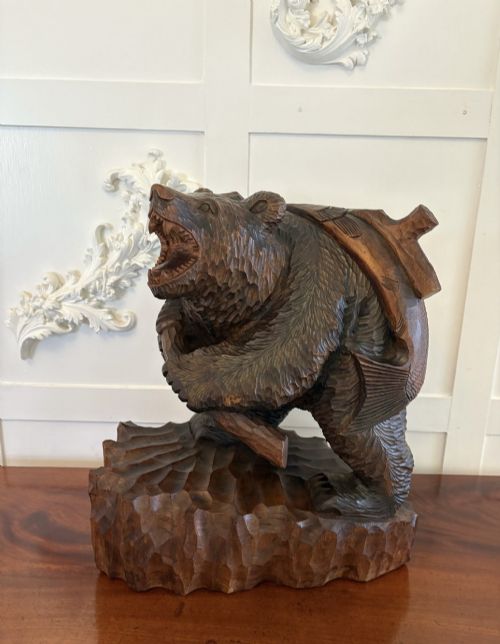
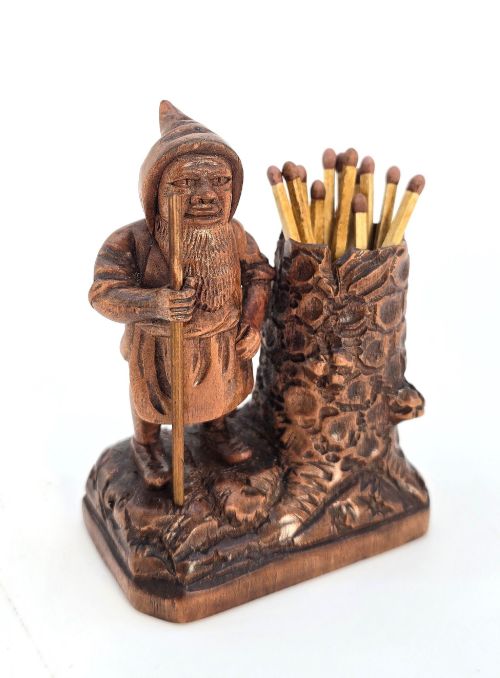
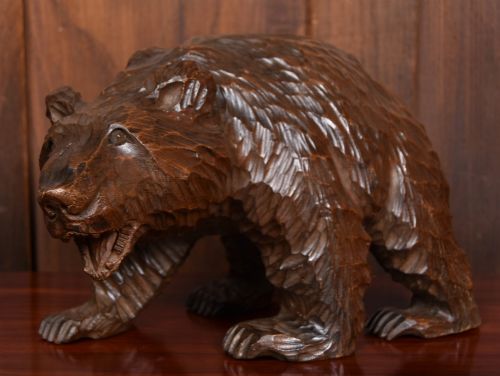
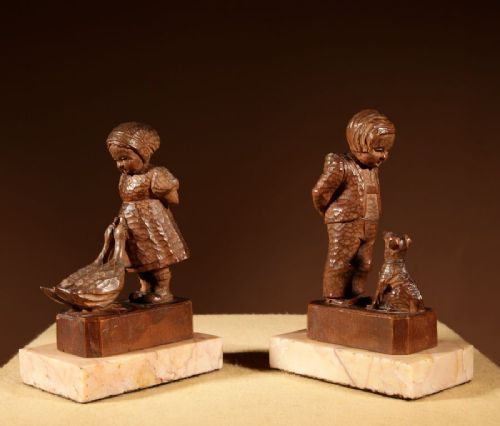
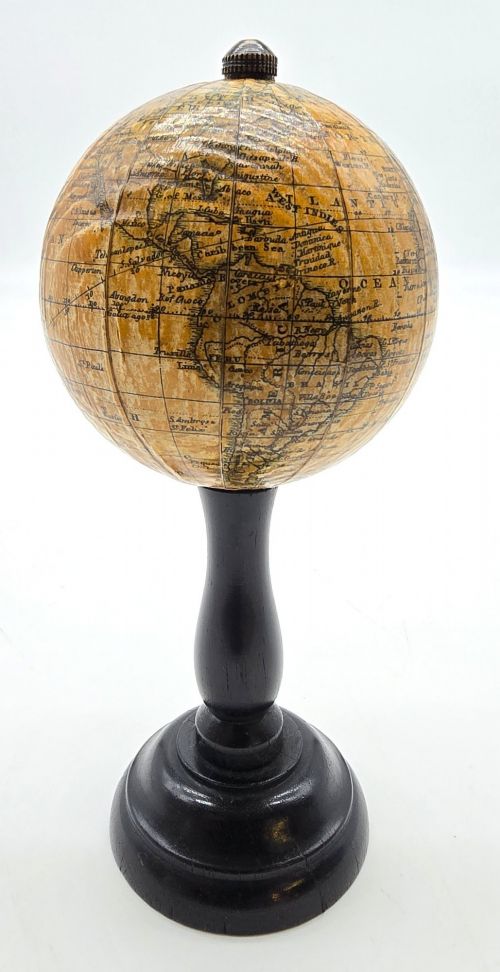
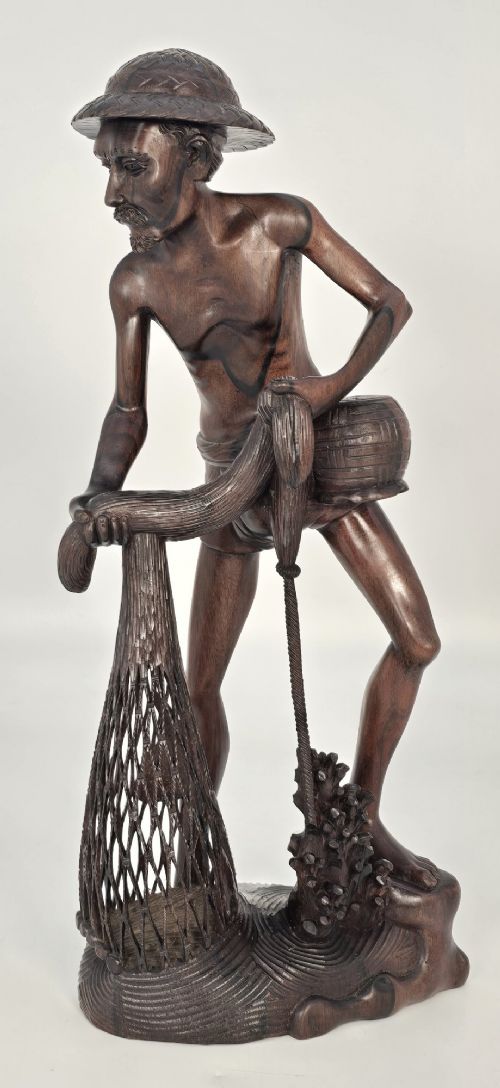
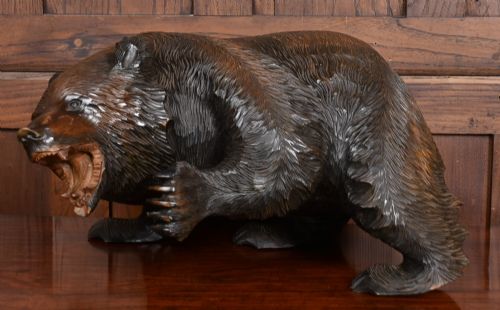
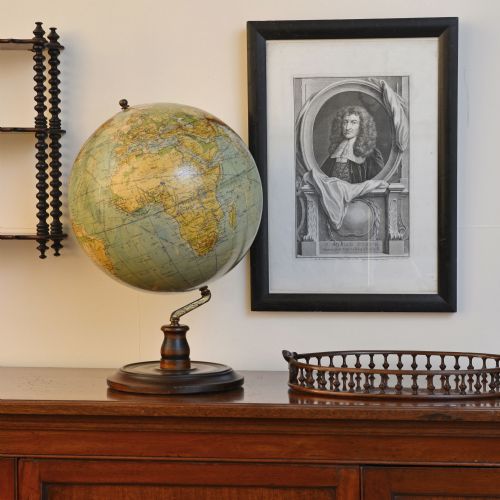
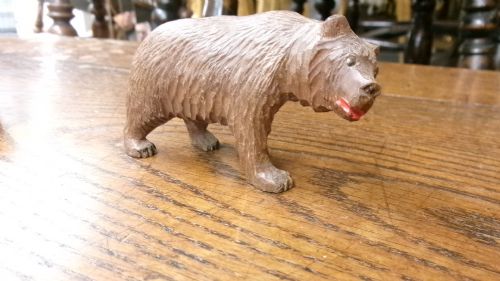
When you search for a vintage wood ornament, you encounter a diverse array of decorative sculptures, animal figures, globes, and architectural salvage spanning the nineteenth and twentieth centuries. These objects range from European Black Forest carvings and folk art naive pieces to Japanese Kibori Kuma bears and Anglo-Indian hardwood elephants.
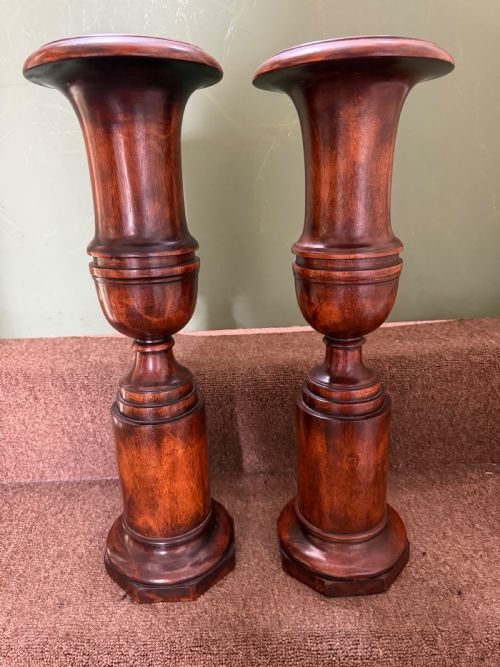
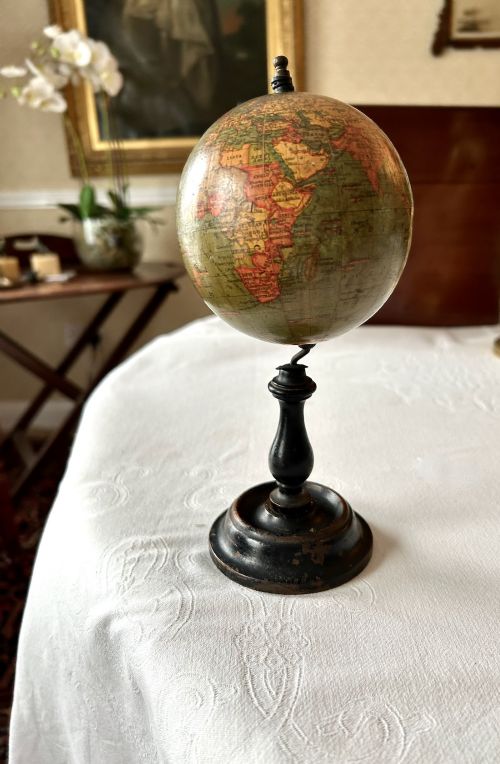
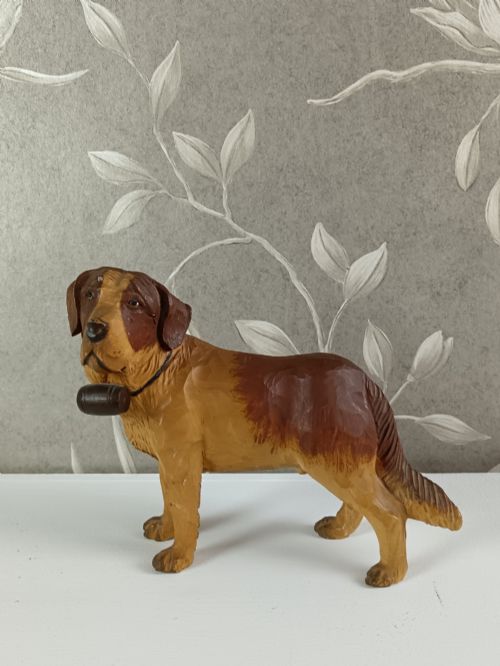
You are most likely to meet carved animal figures, particularly bears, alongside turned vases, globes, and figurative sculptures in various woods. The selection includes items originating from British, French, German, Japanese, and Chinese traditions, reflecting distinct regional carving styles and utility.
Materials and construction
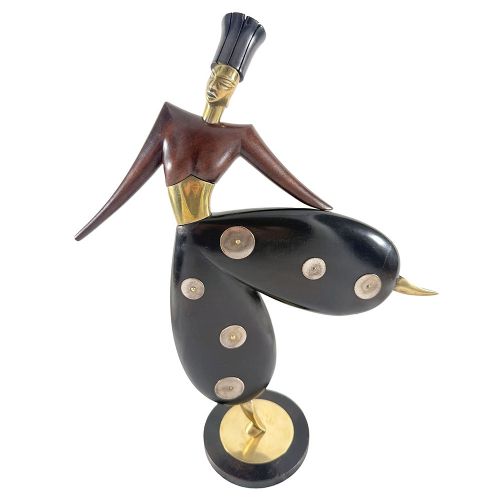
Makers utilised various timbers including walnut, limewood, teak, yew, ebony, rosewood, and Karelian birch, sometimes combining them with brass, metal, or paper components. Surfaces were left natural and polished, painted in folk art styles, or ebonised to achieve particular aesthetic effects.
Carving, turning, and construction techniques varied by origin, from the detailed hand-chiselled detailing of European Black Forest and Japanese folk art to the precise joinery of globes and architectural panels.
Materials across the selection include various hardwoods, brass, paper, and ebonised wood.
Factors of quality
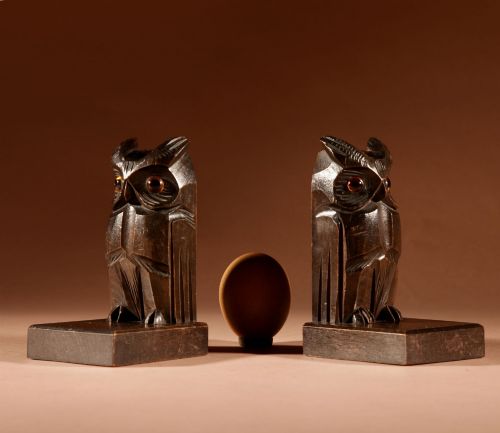
Quality rests primarily in the ambition of the carving and the precision of the form, separating mass-produced decorative items from finely executed artisanal sculptures. The crispness of detail in facial expressions, fur texture, or neo-classical turning distinguishes superior examples.
The choice of timber and the preservation of original surfaces, whether polished wood or early paint layers, heavily influence the character and success of the piece.
George Philips and Son Ltd·Sier Kunst
The Vintage Wood Ornament Glossary
- Black Forest
- A style of wood carving originating from the Swiss and German mountain regions, characterised by realistic animal sculptures, particularly bears.
- Folk Art
- Objects created by self-taught or traditional craftsmen, often displaying a naive or primitive aesthetic rather than academic precision.
- Kibori Kuma
- A traditional style of Japanese wooden carved bear, frequently associated with the folk art of Hokkaido.
- Ebonised Wood
- Timber treated with a dark stain or finish to imitate the appearance of solid ebony.
- Architectural Salvage
- Elements rescued from buildings, including carved panels, brackets, and decorative mouldings.
Vintage Wood Ornament: Frequently Asked Questions
What periods do these wooden ornaments come from?
The listings span from the nineteenth century through the interwar period and the mid-twentieth century.
Items range from Victorian and Edwardian pieces to Art Deco creations.
How were these decorative wooden items used?
Many served as tabletop sculptures, desk accessories like letter stands and paper knives, or educational globes.
Others functioned purely as decorative ornaments or architectural salvage within domestic interiors.
What types of animals are commonly carved?
Bears are particularly prevalent, originating from both European Black Forest traditions and Japanese folk art.
Other represented animals include elephants, lions, dogs, ducks, and panthers.
How do I identify folk art wooden pieces?
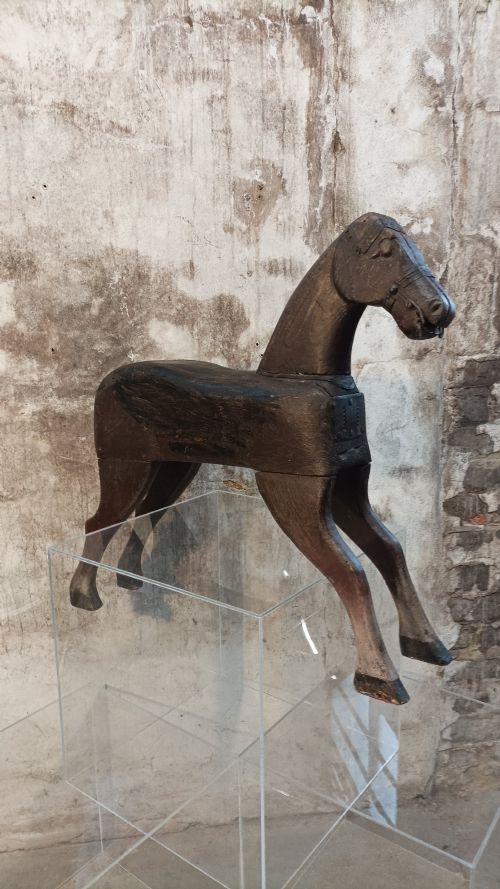
Folk art items often display a naive or primitive charm with painted surfaces and hand-carved details.
These pieces typically lack academic proportions in favour of expressive character.