
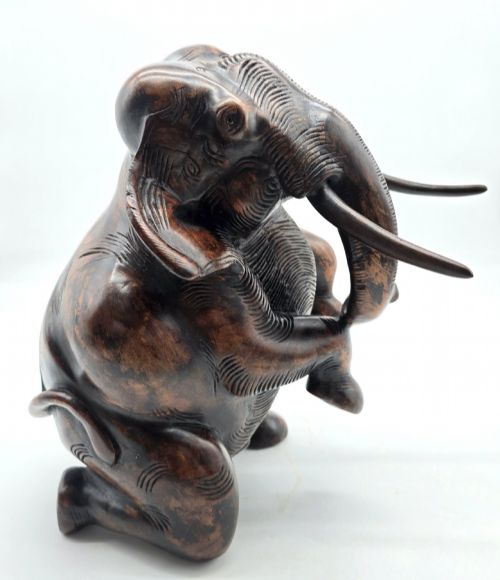
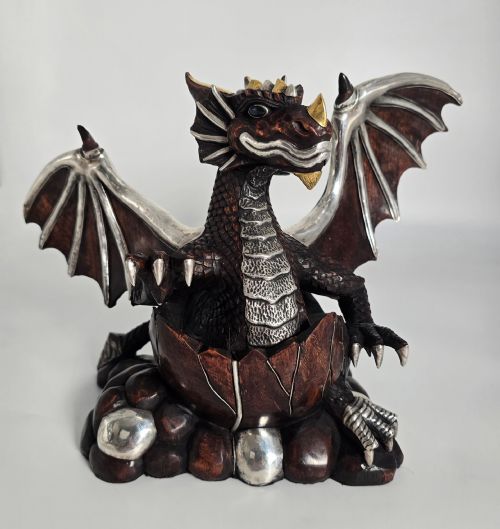
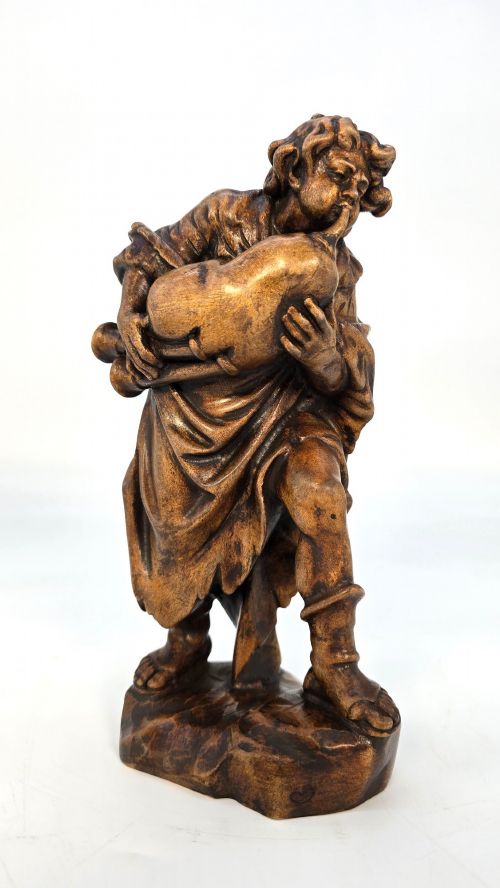

Brown Wooden Figurine
When you search for a brown wooden figurine, you encounter carved sculptures spanning European folk traditions, Asian workshops and tribal artistry.
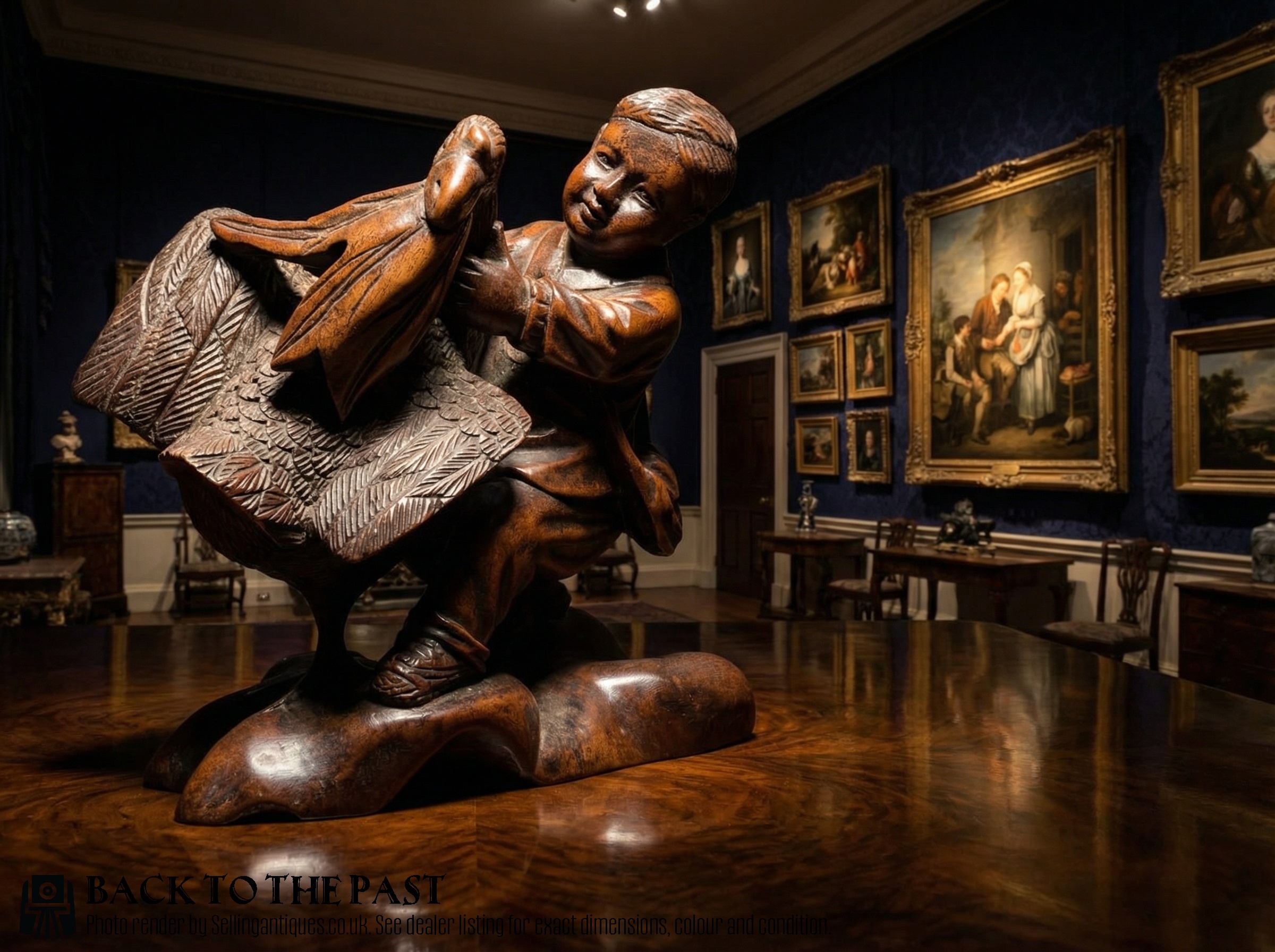
Brown Wooden Figurine
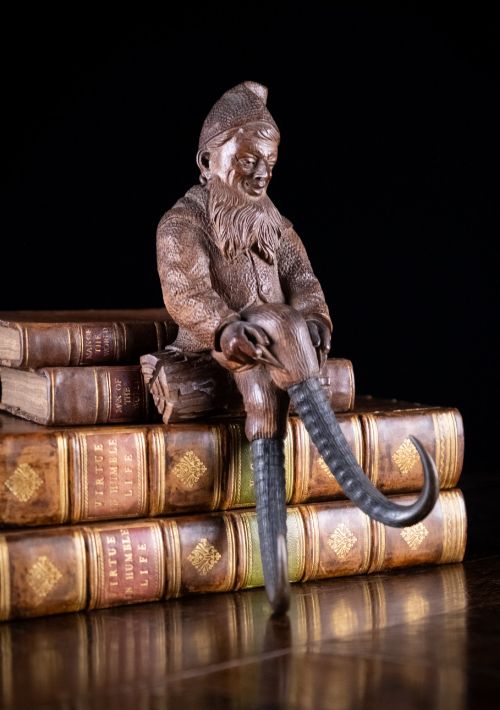
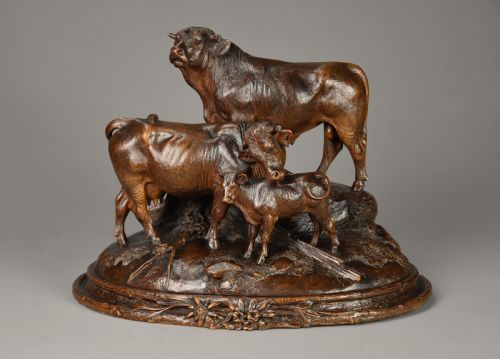
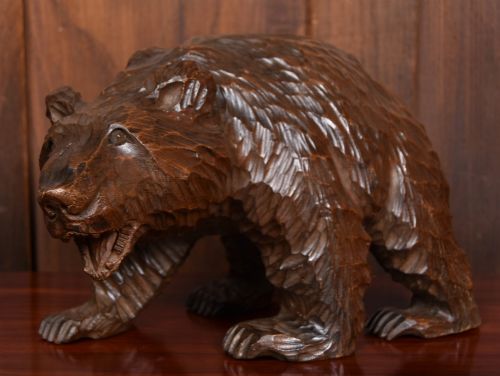
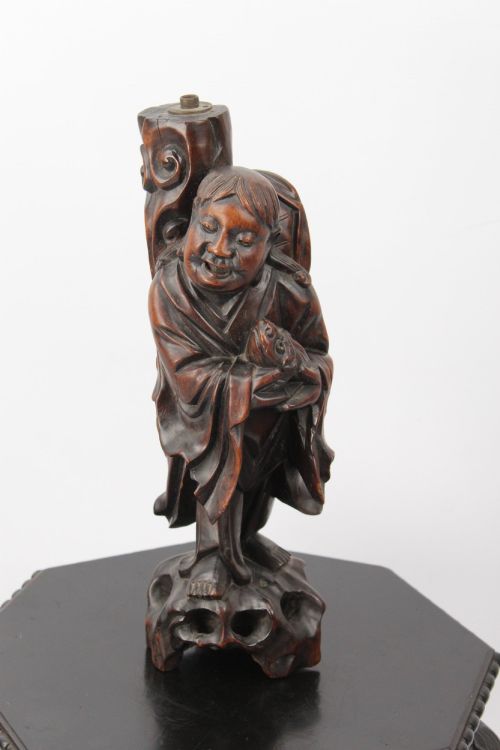
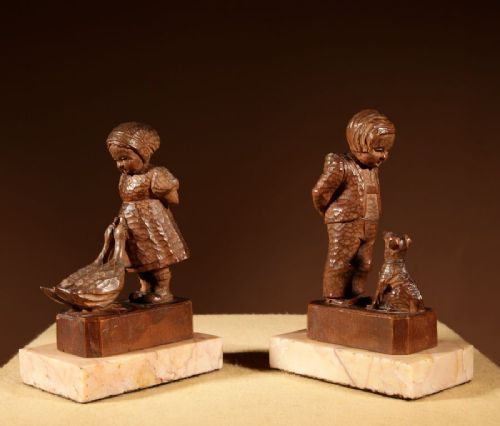
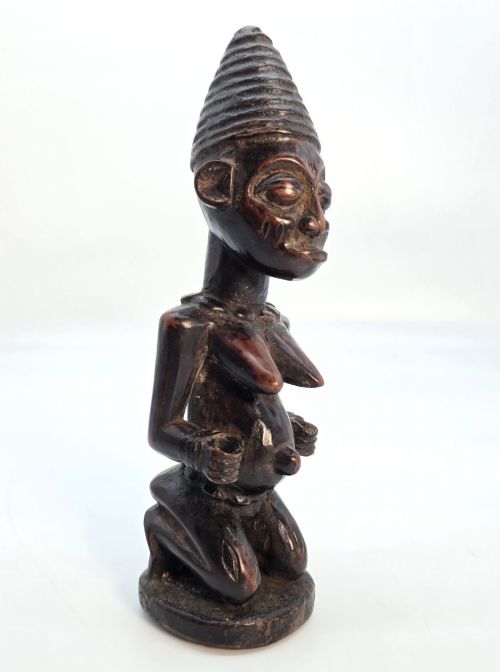
A brown wooden figurine encompasses a diverse range of carved sculptures, decorative objects and statues produced across the nineteenth and twentieth centuries. The selection on this page relies heavily on European traditions such as Black Forest animal and human figures, alongside Asian carvings and African tribal works.
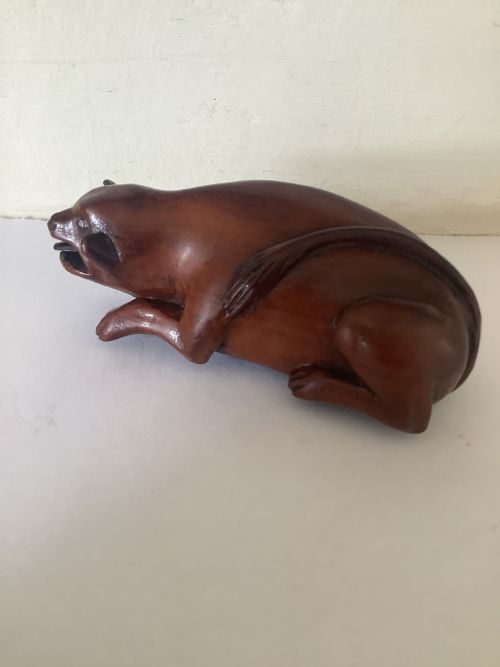
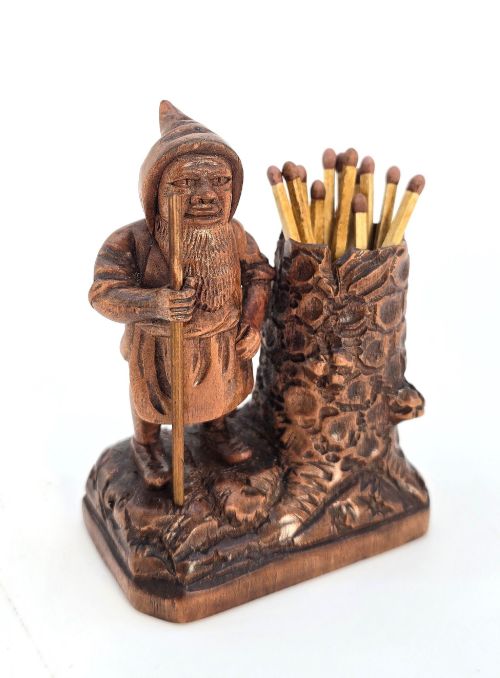
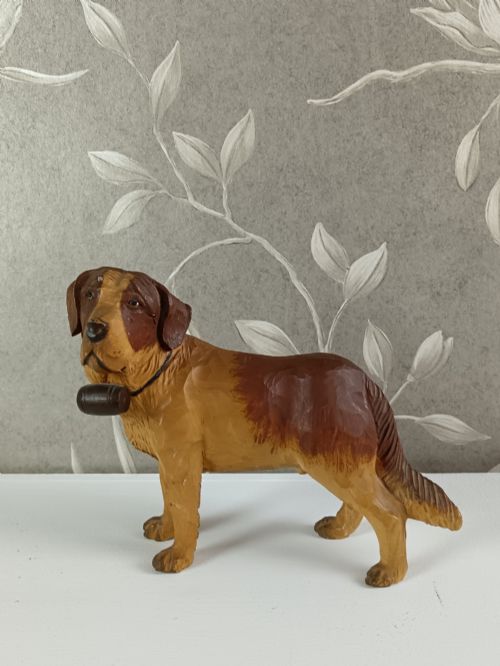
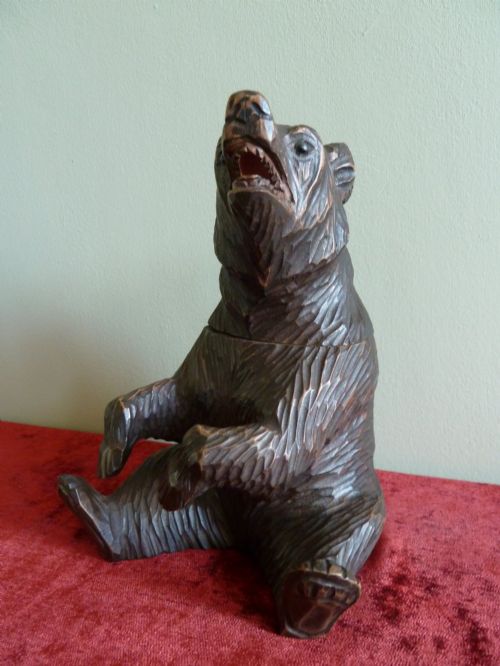
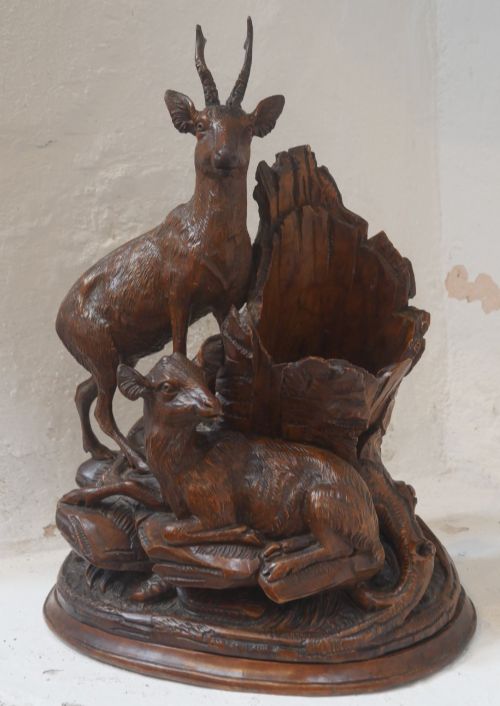
Buyers will find animal studies, including bears, dogs, elephants and birds, alongside human representations ranging from saints and religious figures to folk characters and dancers. These objects function as standalone sculptures, bookends, match holders and tobacco containers.
Origins stretch from European woodcarving centres to Japanese Meiji period workshops, Indian Raj period studios and African tribal communities. The materials span various woods finished with natural tones, paint, brass mounts or glass.
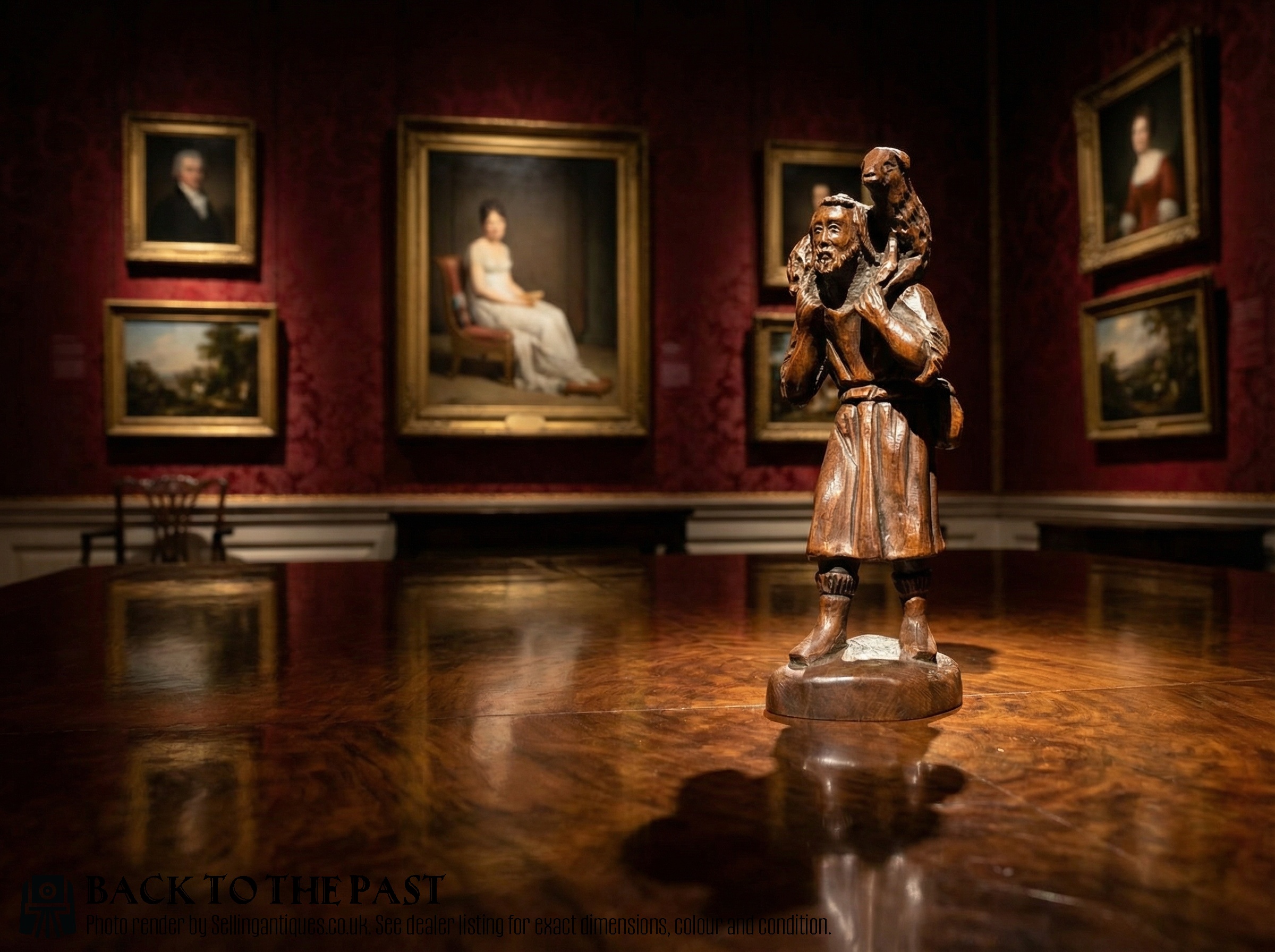
How they were made
Carvers utilised local timbers such as limewood, boxwood, pear wood, linden wood and denser hardwoods, employing chisels and gouges to shape the grain. Many European pieces left the natural brown wood exposed, sometimes with applied stain or dark wax to enhance the depth of the carving.
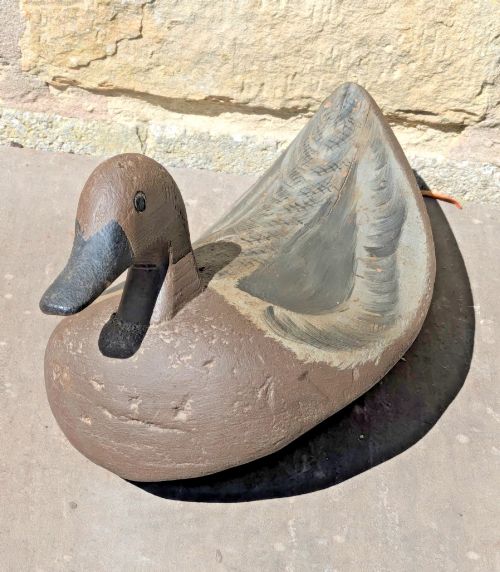
Surface treatments vary according to regional tradition, ranging from the unpainted waxed finish of Black Forest carvings to hand-painted details on folk art decoys and figures. Certain sculptures incorporate mixed media elements, including brass mounts, glass eyes or inlaid metal details.
Among the menagerie of carved creatures, a Saint Bernard rescue dog stands ready alongside bears, mountain goats and decoy ducks.
What varies in quality
Quality rests primarily on the precision and depth of the carving, distinguishing stiff, mechanical execution from expressive, fluid handwork. Master carvers achieved anatomical accuracy and fine textural details in fur, feathers or drapery.
The integrity of the timber and the retention of original surface patination dictate desirability. Pieces retaining original paint, distinct maker signatures or crisp tool marks command greater attention from collectors.
J Huggler·Tomochika·Simon Troger·Sier Kunst
The Brown Wooden Figurine Glossary
- Black Forest
- A style of wood carving originating from the Brienz region of Switzerland and the Black Forest of Germany. It is characterised by realistic animal and human figures, often featuring bears.
- Limewood
- A pale timber favoured by European carvers for its fine, even grain. It allows for intricate undercutting and delicate detail without splitting easily.
- Netsuke
- A small Japanese carved toggle used to secure a pouch or basket to a kimono sash. They display minute attention to detail and miniature sculptural skill.
- Folk art
- Utilitarian or decorative objects created by self-taught or traditional artisans. These pieces prioritise expressive character over academic precision.
Brown Wooden Figurine: Frequently Asked Questions
How do I identify Black Forest carvings?
Black Forest carvings are typically rendered in limewood, walnut or linden wood with a rich brown waxed finish. They frequently depict realistic animals, particularly bears, or figures engaged in rural or alpine activities.
Many examples originate from the nineteenth or early twentieth centuries. They often double as functional objects such as bookends, inkwells or tobacco holders.
Are these figures usually signed?
Most antique wooden figurines remain unsigned, reflecting their origins as regional folk art or workshop production. When signatures or stamps do appear, they are usually found on the base or underside.
Notable carvers, such as Hermann Steiner Meran or makers associated with specific regional potteries and studios, occasionally inscribed their names or used workshop stamps.
What woods were commonly used?
Carvers selected timbers based on availability and working properties. European workshops favoured limewood, boxwood, pear wood and linden wood for their fine grain and responsiveness to hand tools.
Asian and African pieces frequently utilise denser tropical hardwoods or boxwood. The natural grain of these timbers contributes significantly to the final appearance of the brown surface.
How should I care for wooden sculptures?
Keep wooden figures away from direct sunlight and sudden temperature fluctuations to prevent the wood from drying out or splitting. Maintaining stable indoor humidity preserves the structural integrity of the carving.
Dust gently with a dry, soft cloth rather than using liquid polishes or chemical cleaners. This protects the original patinated surface and any applied wax finishes.